
South Kohala is the sunny resort coast, with the island’s best beaches, Hāpuna and ʻAnaehoʻomalu among them; North Kohala is green ranch country, with the paniolo towns of Hāwī and Kapaʻau and the black-sand valley at Pololū. This is the oldest part of the Big Island and the birthplace of King Kamehameha I, who united the Hawaiian Islands.
The two sides also have different weather. Waikoloa on the coast stays sunny nearly year-round, while Waimea, at 2,676 feet, is cooler and often cloudy. From December through March, this coast is the island’s best for spotting humpback whales offshore.
A Brief History of Kohala
Kohala is the birthplace of King Kamehameha I, who went on to unite the Hawaiian Islands into the Kingdom of Hawaiʻi. His birthplace, marked by two birthing stones, sits next to Moʻokini Heiau, an ancient temple dedicated to the war god Kū.
Kohala has several significant ancient Hawaiian settlements, including Lapakahi, a 600-year-old fishing village. In ancient times, Kohala’s hills were extensively cultivated using terraced farming and ditch irrigation systems that carried water from mountain streams to crops like taro, sweet potatoes, and bananas.
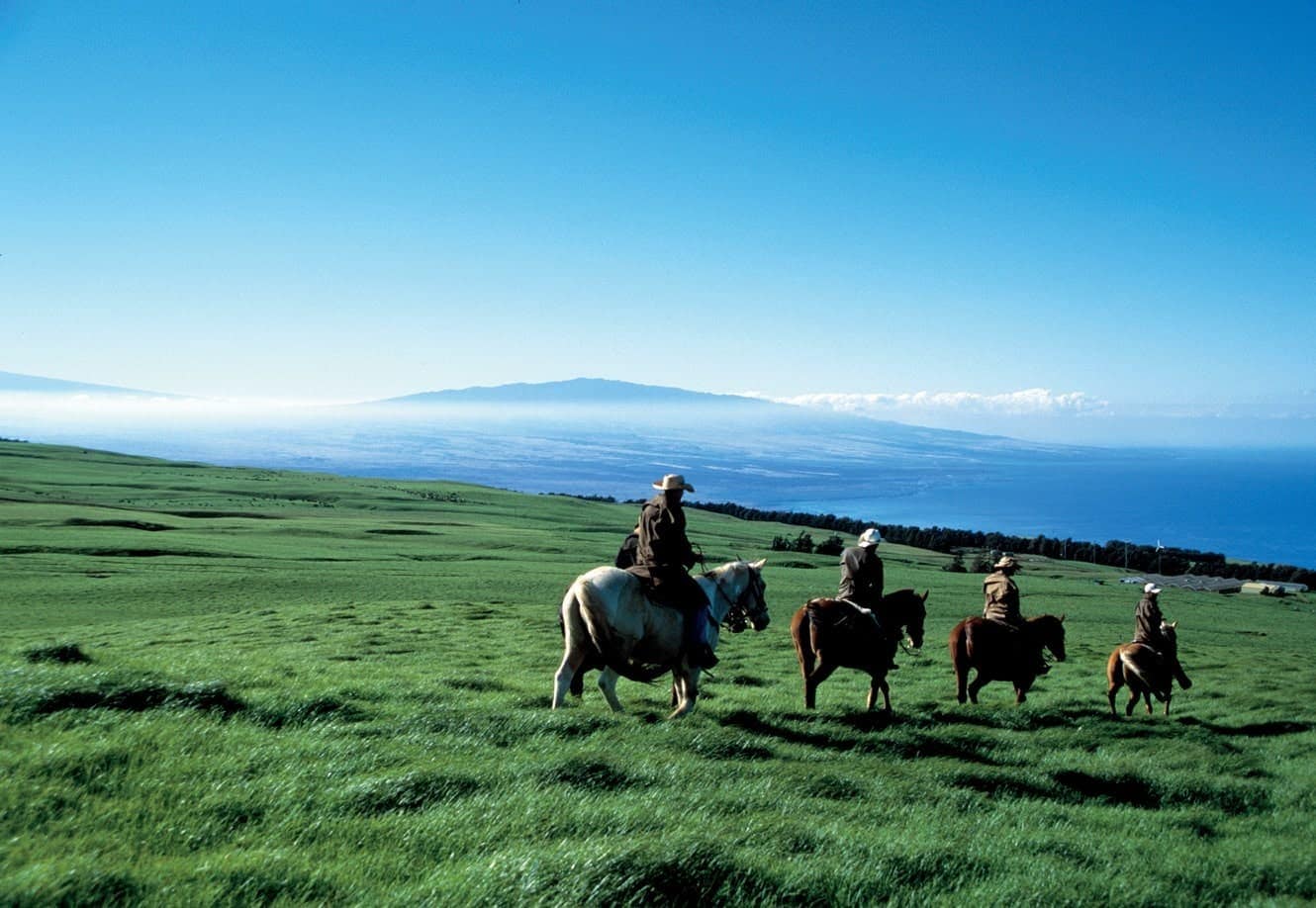
Paniolos (Hawaiian cowboys) on the green pastures of Kohala/Waimea. Image credit: Hawaii Tourism Authority (HTA) / Kirk Lee Aeder
The people and landscape of Kohala changed, along with the rest of the island, with contact from the western world in the 18th century. Plantation farming of commercial crops like sugarcane gradually replaced traditional Hawaiian agriculture. The native Hawaiian population was decimated by western diseases, and migrants arrived to work on the plantations.
When cattle were introduced in 1793, ranching slowly became part of Kohala’s culture. Mexican cowboys came to Hawaiʻi to train Hawaiian paniolos in cattle handling and rodeo, and many ranches were established, including Parker Ranch in Waimea.
5 Places Worth Your Time in Kohala
Kohala has two parts. North Kohala includes the towns of Halaʻula, Hāwī, and Kapaʻau, and South Kohala, which includes Puakō, Waikoloa Village, Waimea, and the coastal town of Kawaihae.
1: Pololū Valley (north Kohala)
Pololū is the first of seven valleys in the Kohala Mountains that run along the northern tip of the Big Island, and it begins where Highway 270 ends. A short but steep trail (420 feet down in 0.6 miles) drops to a wild black-sand beach backed by a grove of towering ironwood trees on 40-foot dunes. The Pololū Valley Lookout at the trailhead gives a birds-eye view of the valley and the beach below.
Read more about visiting Pololū.
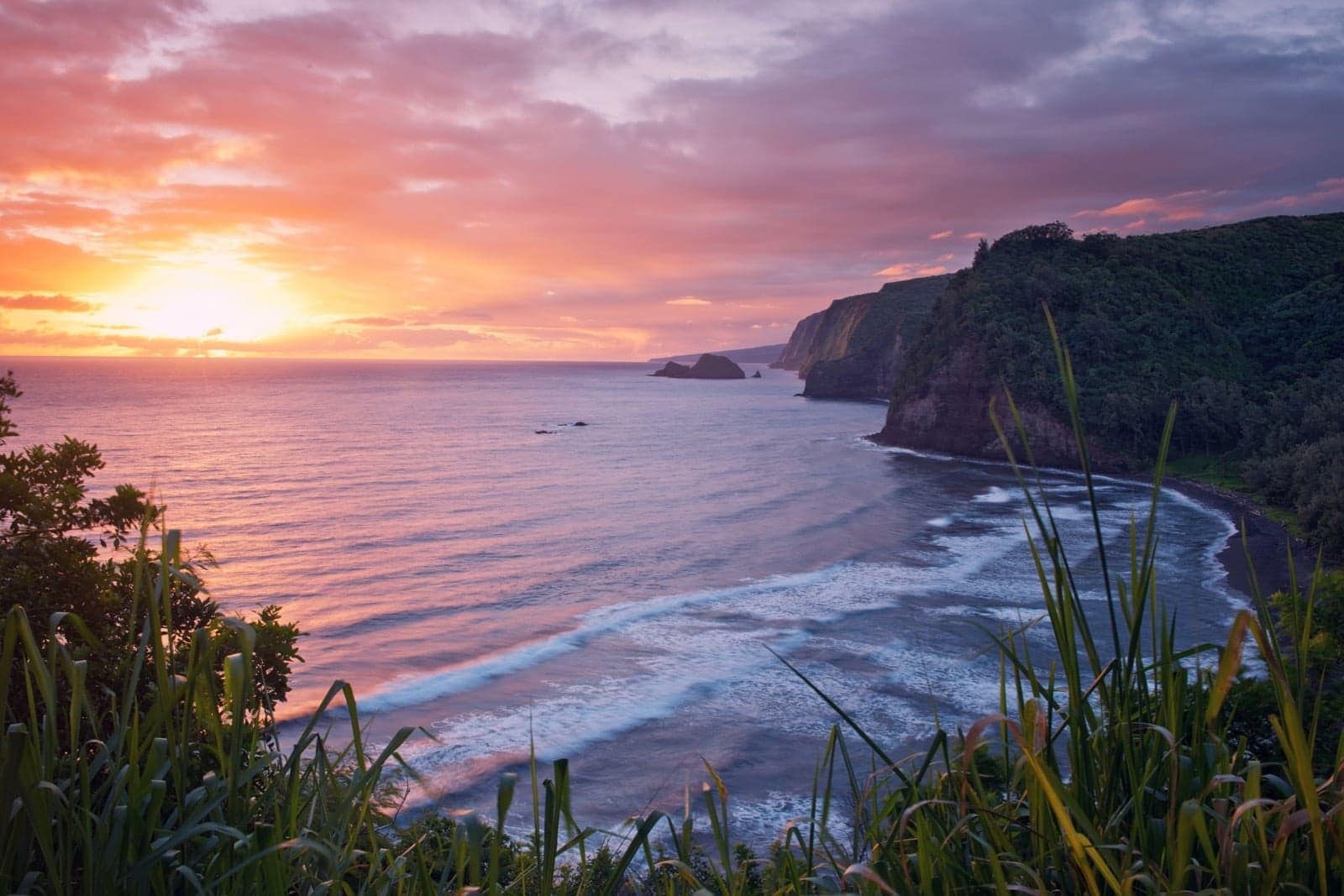
Pololū is good for both sunrise and sunset. Image credit: Island of Hawaii Visitors Bureau (IHVB) / Tyler Schmitt
2: Waipiʻo Valley (north Kohala)
The seventh and most visited valley, Waipiʻo is reached via Highway 19 through Waimea and Honokaʻa. Once densely populated and home to Hawaiian kings, Today a small community of residents lives there and farms taro. You can view it from the lookout, but access down into the valley is restricted to residents.
Read more about visiting Waipiʻo Valley.
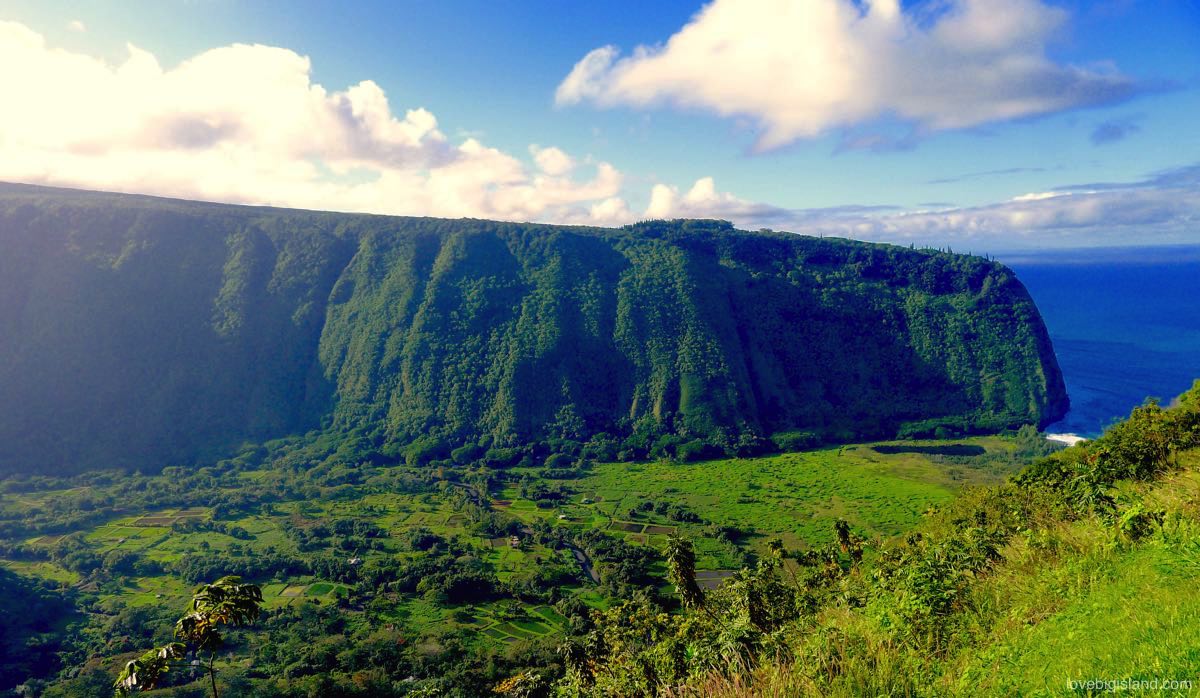
There are people living in Waipiʻo Valley. You can see the road and some houses and agricultural activity on the valley floor.
3: Nearby Beaches (Kohala coast)
The Kohala coast has the island’s best beaches. Some of the best include:
- Spencer Beach Park: calm water and sand that’s good for kids.
- Hāpuna Beach Park: a very large golden-sand beach good for body surfing, boogie boarding, long walks, and sunsets.
- Wailea Bay (Beach 69) for plenty of natural shade and calm, clear water.
- ʻAnaehoʻomalu Bay for sunsets, ocean activities, and coastal hiking.
- Pololū Valley and Waipiʻo Valley for rugged black-sand beaches. Pololū’s beach in particular has multicolored volcanic rocks and driftwood. Neither beach is safe for swimming because of frequent, strong currents.
Read more about beaches on the Kohala coast.
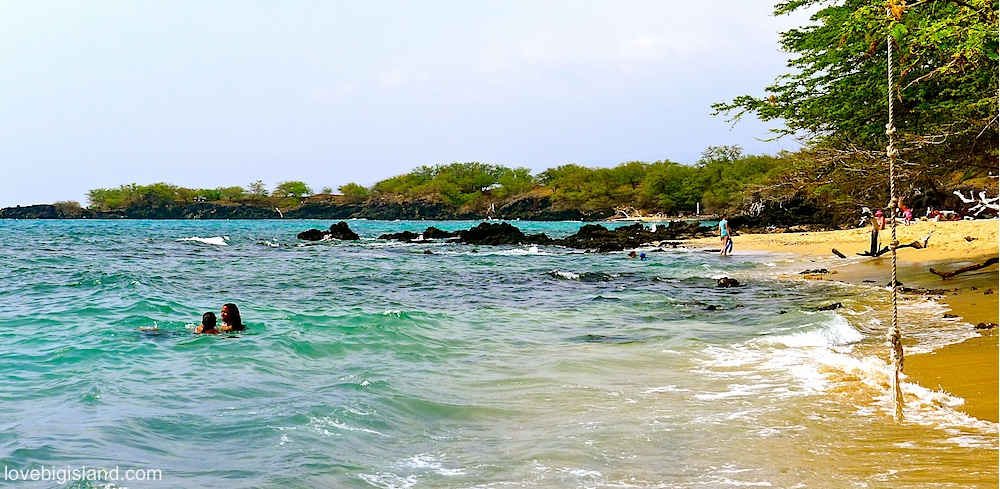
Waialea Beach is a somewhat “off the beaten path” beach in between the Waikoloa resorts and Hāpuna beach
4: Waimea
Waimea is the center of Kohala’s paniolo (Hawaiian cowboy) culture. Parker Ranch, one of the largest cattle ranches in the United States, is based here. Stop by the Paniolo Heritage Center if you want to learn more about the history and culture.
If you’re in town over the July 4th holiday or Labor Day weekend, the annual rodeos are worth catching.
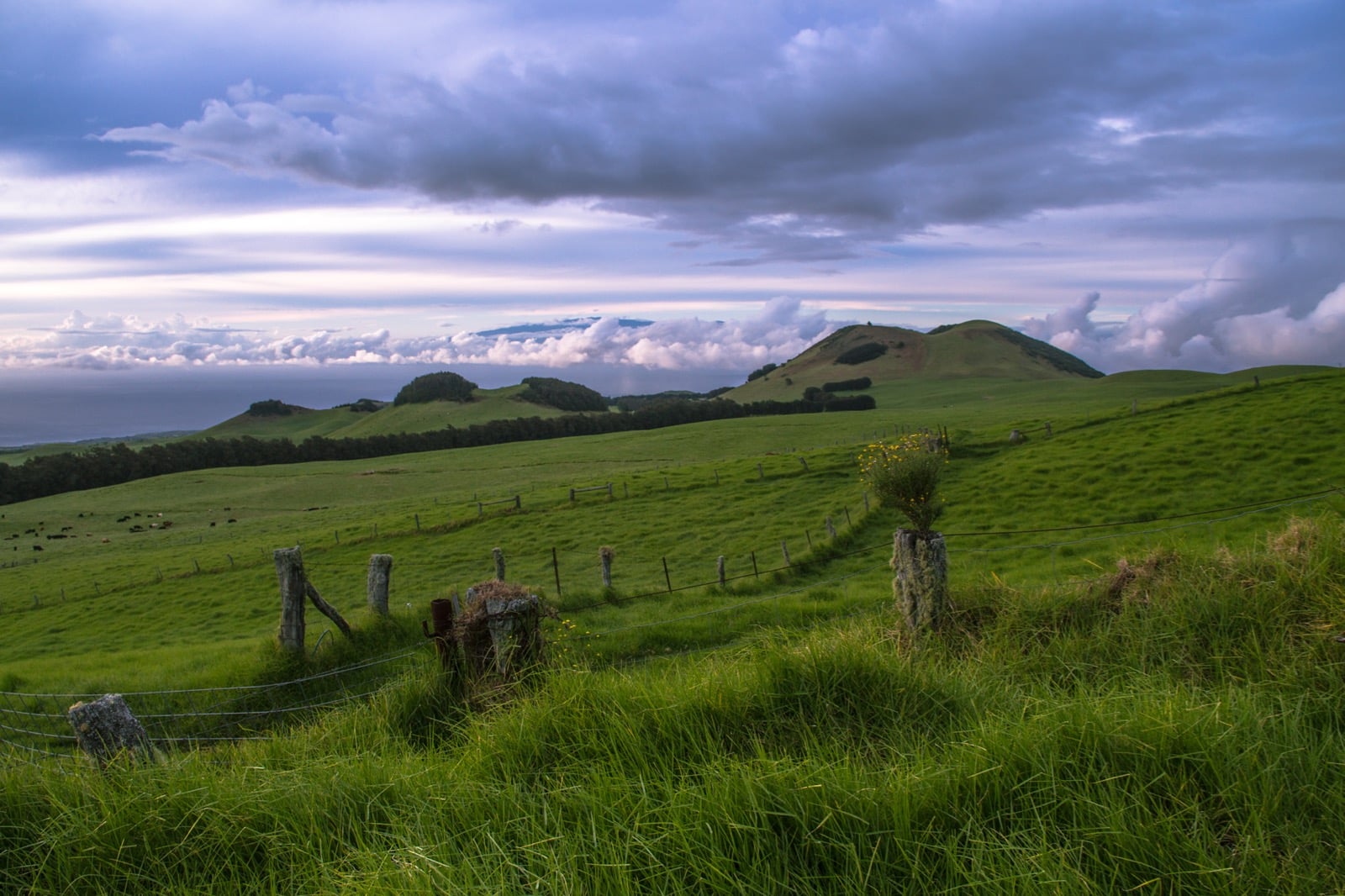
The rolling hills above Waimea are a change of scenery from the coast. Credit: Island of Hawaii Visitors Bureau (IHVB) / Elizabeth Brentano
Waimea also has weekly farmers markets, where local farmers, food trucks, and artists set up shop. Get there early, before the best stuff sells out. For music and performances, Waimea’s Kahilu Theatre runs a full schedule of concerts and performances.
Tip: If you’re traveling to Waimea from North Kohala, the Kohala Mountain Road (Highway 250) is a scenic route worth taking.
5: Hāwī (north Kohala)
Hāwī is a small town in North Kohala and a good place to stop on your way to Pololū Valley, with little shops and art galleries lining its main street. We like As Hāwī Turns for surf-wear, clothing, and gifts. Right across the street, Elements of Kohala sells island-made jewelry and crafts that make good souvenirs. You’ll notice several historic buildings from the early 1900s in Hāwī, like the old Kohala Hotel, now home to Bamboo Restaurant and gallery.
The original King Kamehameha statue
About two miles east of Hāwī’s town center, the original King Kamehameha Statue stands in front of the Kohala Civic Center in Kapaʻau.
Commissioned in 1880 and built in Italy, the statue was en route to Honolulu when its ship sank. After the disaster a second statue was cast as a replacement and set in front of Aliʻiōlani Hale, across from Iolani Palace in downtown Honolulu on Oʻahu.
The original statue was later recovered and eventually set in Kapaʻau.
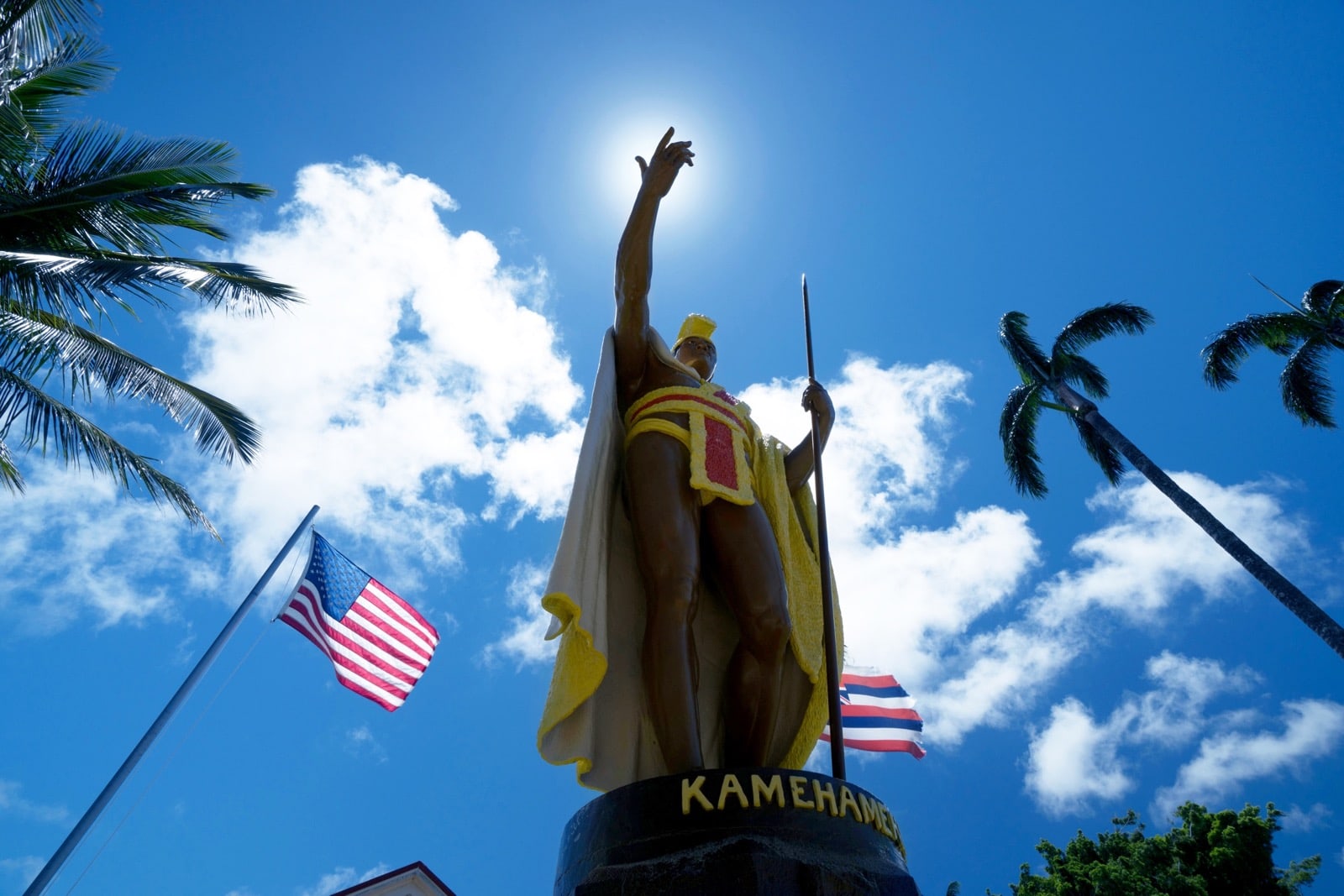
The Kamehameha statue in front of the North Kohala Civic Center (Kapaʻau, HI). Credit: Hawaii Tourism Authority (HTA) / Blake Bronstad
Things To Do in Kohala
Outdoor stops in Kohala’s rainforests and valleys (more on our nature and outdoors page):
If you’d rather explore the Kohala mountains on an organized tour, have a look at the tours in Kohala.
DIY Whale Watching (seasonal, from December to March)
The Kohala Coast borders the Hawaiian Islands Humpback Whale National Marine Sanctuary and is the best district on the Big Island for spotting whales. During whale season (roughly December to March), humpbacks often breach offshore. The best DIY whale watching is along Highway 270 between Kawaihae and Hāwī. Three good places to stop and look are Puʻukoholā Heiau National Historic Site, Lapakahi State Historical Park, and Kapaʻa Beach Park.
You can also go on a whale watching tour. The following tour departs from the Kohala coast and offers free pickup from several Kohala Coast resorts:
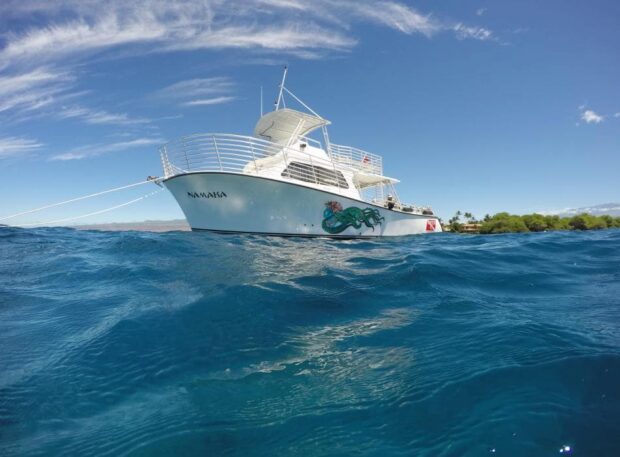
Sunset Whale Watching Cruise off the Kohala Coast 🌅
Combine a sunset cruise with whale watching and go in search of visiting humpback whales and resident spinner dolphins.
from:
$145
What is a suggested tour?Our suggested tours are hand-picked tours that receive consistent good reviews, give back to the community, and work hard to minimize their impact on the environment. Read more about these tours on our website.Read more about DIY Whale Watching.
Horseback Riding
Several companies run trail rides in the Kohala mountains, including:
- Paniolo Adventures at Ponoholo Ranch
- Naʻalapa Stables at Kahua Ranch
- 4d quarter horses (formerly Dahana Ranch).
- Waipio on Horseback runs 3-hour rides on the Waipiʻo valley floor.
Read more about all of the horseback riding tours on the Big Island.
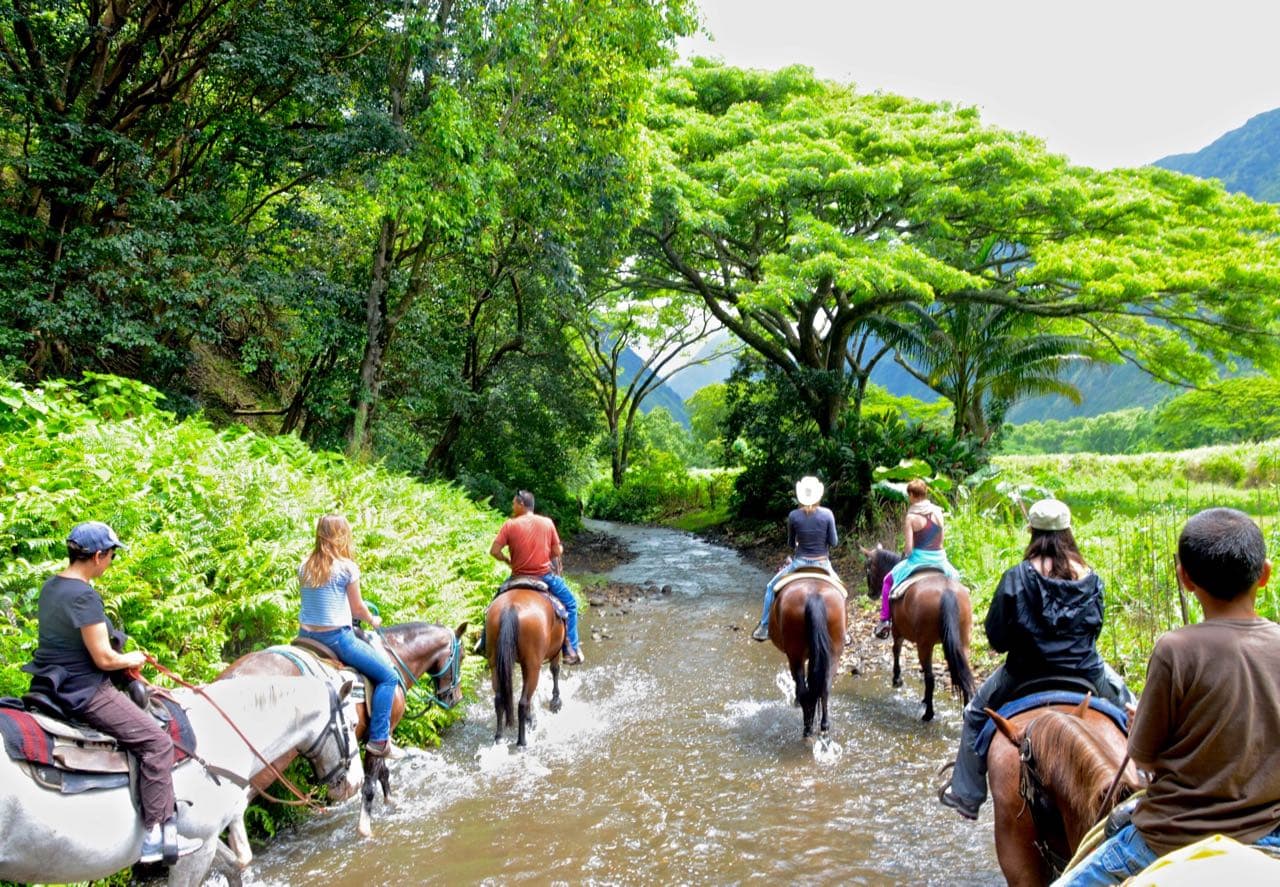
A group on a Horseback riding tour in Waipiʻo valley. Photo credit: Mike Neenan
Sky Diving
Big Island Gravity runs skydives out of Upolu Airport in North Kohala, over the Kohala coast.
Ziplining
Ziplining is a family-friendly way to move through the rainforest canopy of the Big Island. The lines run high above ravines, gulches, meadows, and forest, and you cross them at heights from about 30 to 200 feet above the ground.
Kohala Zipline runs the zipline tours in the area. Read more about their tours1, or see all ziplining options on the Big Island.
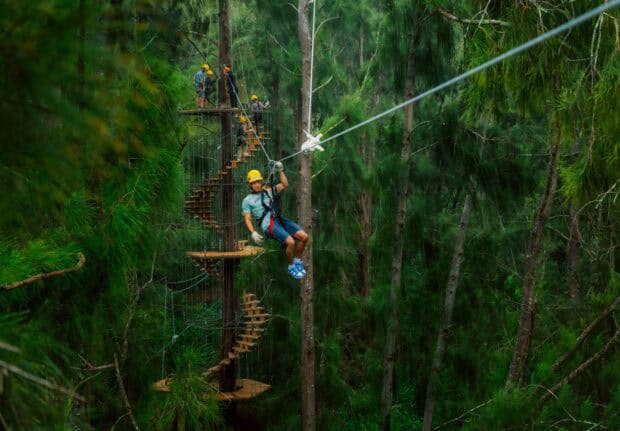
Kohala Canopy Zipline Adventure
Zip to a cliffside platform, then cross a sky bridge beside a waterfall. Five lines, two bridges, nine guests, and you control your own speed.
from:
$155
What is a suggested tour?Our suggested tours are hand-picked tours that receive consistent good reviews, give back to the community, and work hard to minimize their impact on the environment. Read more about these tours on our website.Kayak Kohala Gulch (closed)
Important: The Kohala Ditch kayak adventure ceased operations in 2021 after extensive earthquake damage to the ditch system, and it has not reopened.
Flumin Kohala used to run family-friendly tours through the historic Kohala Ditch aboard kayaks, past 110-year-old hand-carved tunnels, raised flumes, and concrete channels that once irrigated Kohala’s plantations.
Where to Eat in Kohala
North and South Kohala have plenty of good restaurants, from fine dining to quick comfort food and grab-and-go. Note that some places close between lunch and dinner, so double check their hours.
North Kohala
Several good spots to grab a bite in Hāwī:
- The Kohala Coffee Mill is good for ice cream, coffee, and sandwiches.
- The Sweet Potato Kitchen serves organic, gluten-free vegan and vegetarian comfort food.
- Across the street is Mi Ranchito, a Mexican takeaway place at the back of the building.
Down the road in Kapaʻau, Gill’s Lanai serves hot dogs and fish tacos with informal outdoor seating.
South Kohala
Waimea has some of the best eats on the island. The higher-end, pricier spots:
- The Redwater Cafe is a higher-end restaurant, bar, and lounge with steaks and sautéed Hamakua mushrooms. Reservations are suggested.
- Merriman’s is another well-known high-end spot, with an emphasis on fresh, locally sourced ingredients.
Simpler, cheaper options include:
- Pau Pizza for slices and salads,
- Noodle Club for a hot bowl of pho or ramen,
- Hawaiian Style Cafe for a hearty breakfast, and the
- Big Island Brewhaus for locally brewed beer and small plates.
There are also good eats at the Waimea Farmers Markets.
The Waikoloa resort area has gourmet grocery stores with hot and cold deli bars, Hawaiian poke and sushi stations, and a large selection of cold drinks. Two of the best are:
- Island Gourmet Markets in the Waikoloa Queens Marketplace, and
- Foodland in the Shops at the Mauna Lani.
Where to Stay
South Kohala’s sunny coast has the best golden-sand beaches, its championship golf courses, and most of the island’s luxury resorts. Prices run higher here than most other parts of the island, but a wide range of rental homes on resort grounds, plus the occasional last-minute discount, means there’s a chance of finding a good deal, especially if you travel with a larger group.
Have a look at our dedicated guide to the south Kohala resorts.
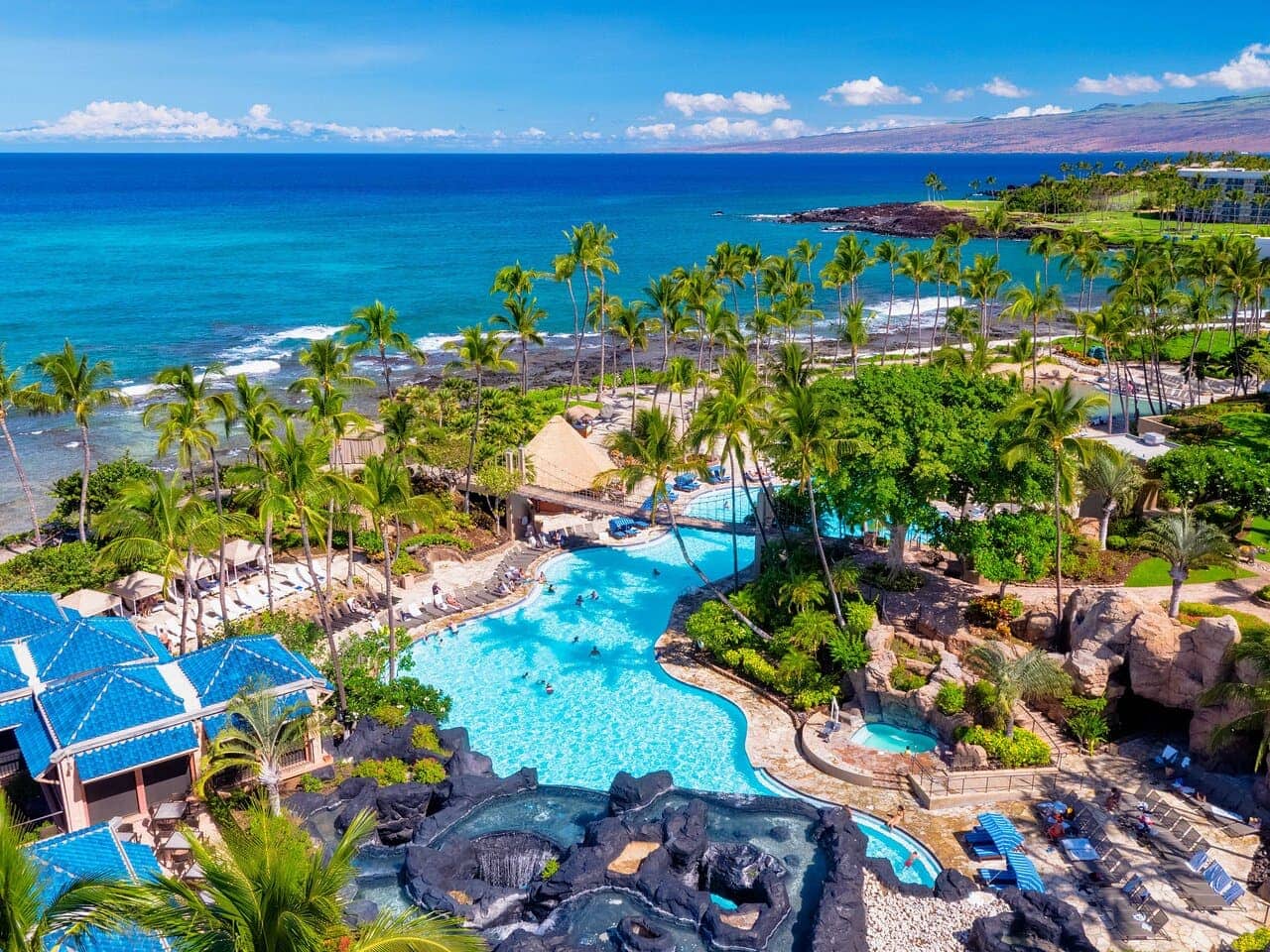
The Hilton Waikoloa Village resort hosts the largest pool on the Big Island. Credit: Hilton Waikoloa Village.
If resorts aren’t your thing there are plenty of other options. Search for vacation homes near Puakō to stay close to the beach, check out The Last Resort for luxury rentals near Pololū Valley, or move your search to Waimea for quaint bed and breakfasts and family-run hotels in and around Waimea, where the nights are cooler and you’re closer to many other local attractions.
What a night in Kohala costs
The resorts along the south Kohala coast are the most expensive place to sleep on the Big Island, and the first chart below shows what they charge through the year. The second covers vacation rentals across the wider Kohala, Waimea, and Kawaihae area, where the rental homes and B&Bs mentioned above sit. Both draw on Hawaiʻi Tourism Authority reporting.


Kohala Weather
Along the coast, particularly in Waikoloa, Kohala’s weather is sunny and clear nearly all year round. The coastline from South to North Kohala is breezy and at times very windy.
Waimea, at 2,676 feet, has bright, sunny days but clouds often move in. It has a dry side and a wet side to the east, clearly visible in the landscape. If you’re coming from Waikoloa or Kona, bring a sweater, because Waimea gets cold.
In North Kohala the weather can change fast, especially as you get closer to Pololū Valley, where clouds and rain sometimes move in during the late afternoon. If you plan to do the hike, get an early start.
Featured photo by Hawaii Tourism Authority (HTA) / Kirk Lee Aeder
1. Our website contains a curated list with tours that we know and love, that receive high praise and good reviews, that give back to the community, and that try to minimize their impact on the environment. If you book these tours through our website we may receive a commission which helps us improve and maintain this website. Read more about this process here. ↩