• Skip to main content
  • Skip to primary sidebar
  • Skip to footer
Love Big Island
Tours
Big Island: Kona, Hilo, Volcano, and Waimea Regions
Home » Destinations

Big Island: Kona, Hilo, Volcano, and Waimea Regions

By Gerrit van der Plas | updated August 4, 2026

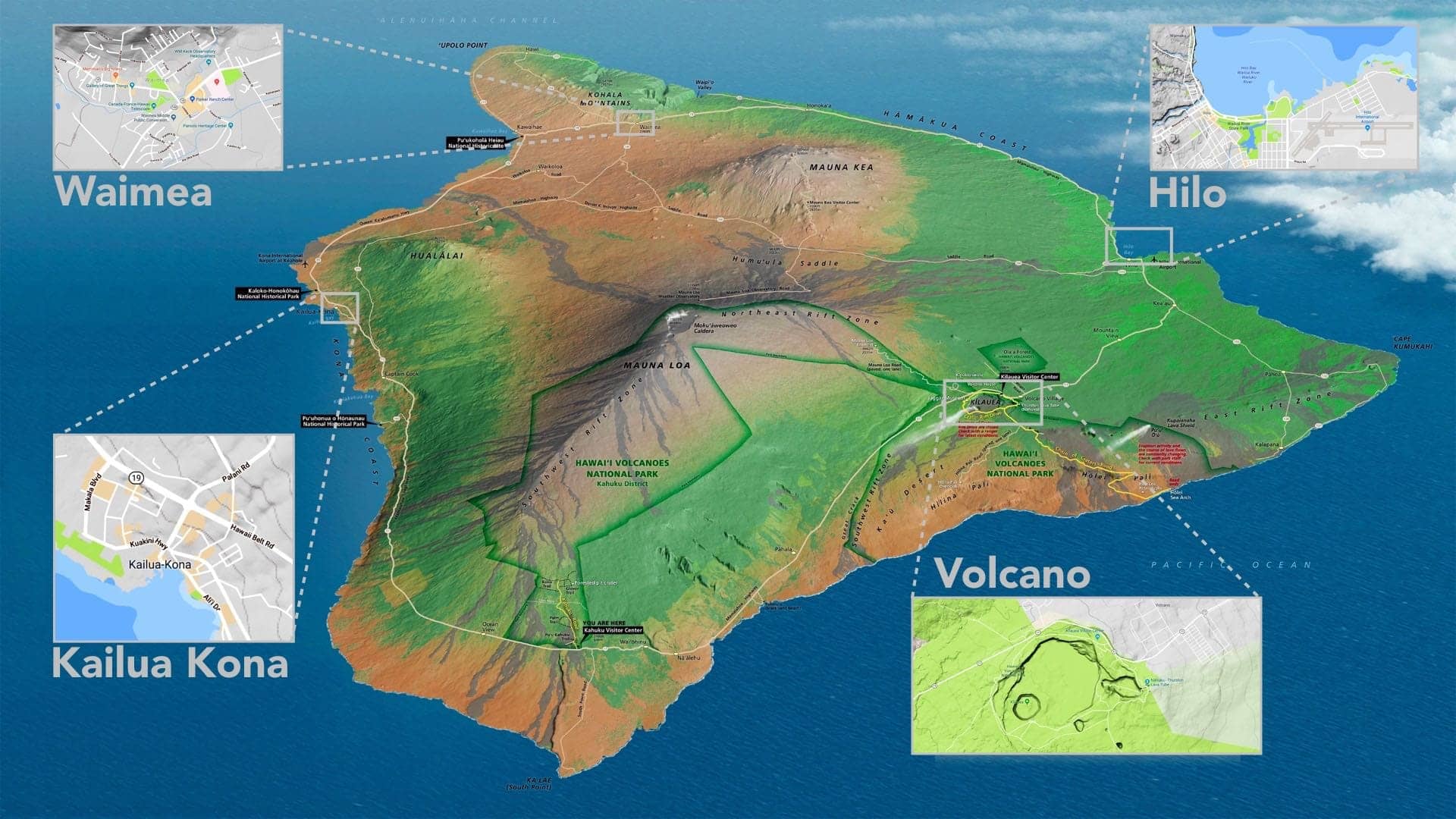
Wake up in Volcano Village rainforest at 4,000 feet and you can stand on a dry Kona beach by early afternoon, though the drive eats a good two hours each way. That distance is why running the whole island from one hotel backfires. The Big Island splits into four main regions, each a different climate and a different base: rainy Hilo on the windward east, warm and dry Kona with the beaches and snorkeling, rainforest Volcano Village beside the national park, and cool cowboy country in Waimea at 2,676 feet.

Pick your bases by what you want to wake up to, not by what looks central on a map. Spend a few nights in two or three regions, and let the driving-distance map below tell you how many.

Table of contents
  • Map of the Big Island
  • Where to stay: the four home bases
    • Hilo (the rainy capital)
    • Kailua-Kona (sun and beaches)
    • Volcano Village (rainforest and the park)
    • Waimea (cowboy country)
  • Four more districts worth a day trip
    • Puna
    • Kaʻū
    • Kohala
    • Hāmākua Coast
    • Where is Waikoloa?

Big Island of Hawaiʻi home base regions

The four best places to use as a home base: Hilo (the capital), Kailua-Kona (sun and beaches), Waimea (valleys and cowboys), and Volcano Village (rainforest and the national park).

Map of the Big Island

The Big Island is big: about 4,000 square miles, larger than all the other Hawaiian islands combined, with a wet windward east and a dry leeward west split by two 13,000-foot volcanoes. The map below shows the four regions, the main towns, and the driving times between them. The road most visitors miss is Saddle Road (the Daniel K. Inouye Highway), which cuts across the middle and makes the Hilo-to-Kona crossing the island’s fastest.

The main towns, by region:

  • East (Hilo and Hāmākua): Hilo, Honokaʻa, Laupāhoehoe, Pāhoa
  • West (Kona): Kailua-Kona, Hōlualoa, Kealakekua, Captain Cook
  • South (Volcano and Kaʻū): Volcano Village, Pāhala, Nāʻālehu
  • North (Waimea and Kohala): Waimea (Kamuela), Waikoloa, Hāwī, Kapaʻau
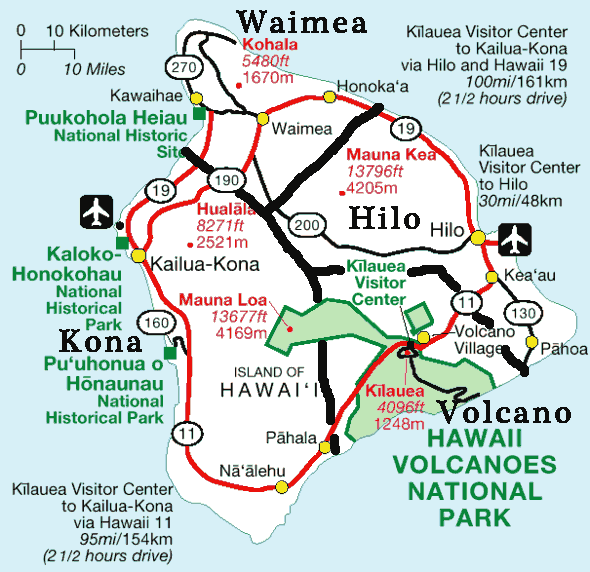
Map of the Big Island of Hawaiʻi showing the four regions, main towns, and driving distances

Map of the Big Island with driving distances and time estimates for trips based in Volcano Village.

Where to stay: the four home bases

These next four regions are where we would actually sleep: one distinct climate each, and enough nearby to fill your days. The four districts after them, Puna, Kaʻū, Kohala, and the Hāmākua Coast, are worth a day out from a nearby base, but not a place to unpack for several nights.

Hilo (the rainy capital)

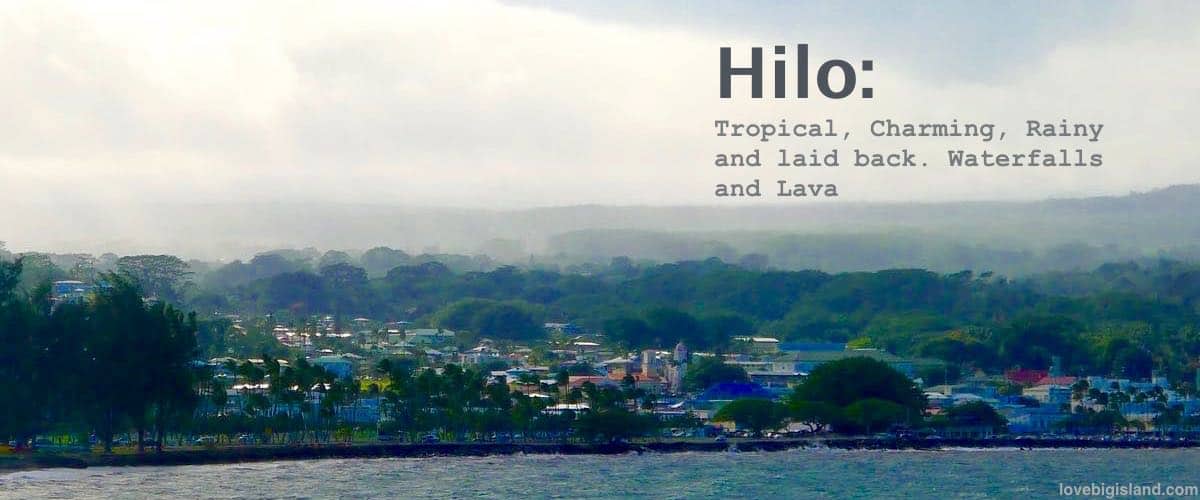
Hilo is the island’s capital and its rainy side, a working town on the windward east coast that gets real weather instead of resort sunshine. It rains often and the pace runs slower than Kona, and the place is easy to fall for: tropical, laid back, and friendly. This is our favorite city on the Big Island. Read more in our Hilo area guide.
hilo, big island, hawaii

Hilo is the capital of the Big Island

Kailua-Kona (sun and beaches)

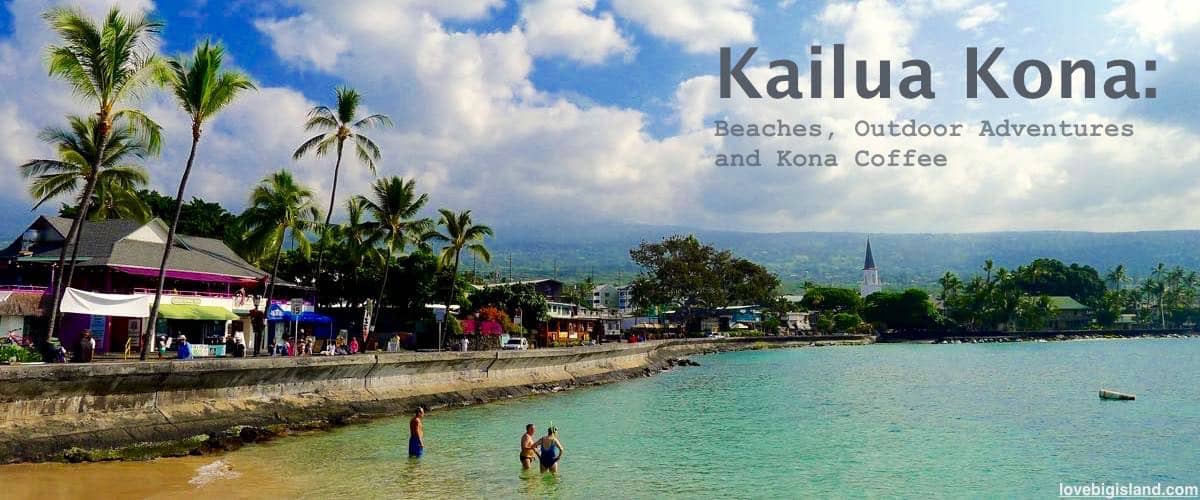
Kona is the dry, sunny side, warm almost every day with the odd afternoon shower. The white-sand beaches sit to the north, and the snorkeling and Kona coffee farms run down the lava coast to the south. Kailua-Kona is also the closest the island comes to nightlife: a compact strip of restaurants, bars, and two brewpubs. Read more in our Kailua Kona area guide.
kailua kona, big island, hawaii

Kailua Kona is the outdoor-capital of the Big Island. Beaches, water sports and Kona Coffee

Volcano Village (rainforest and the park)

Volcano Village sits in cool rainforest at the 4,000-foot line, right at the entrance to Hawaiʻi Volcanoes National Park. It rains often and the nights turn cold, a different Hawaiʻi than the coast. With no traffic, no crowds, and no streetlights, it is our favorite base for a few nights at the park and the nearby Puna and Kaʻū districts. Read more in our Volcano Village area guide.
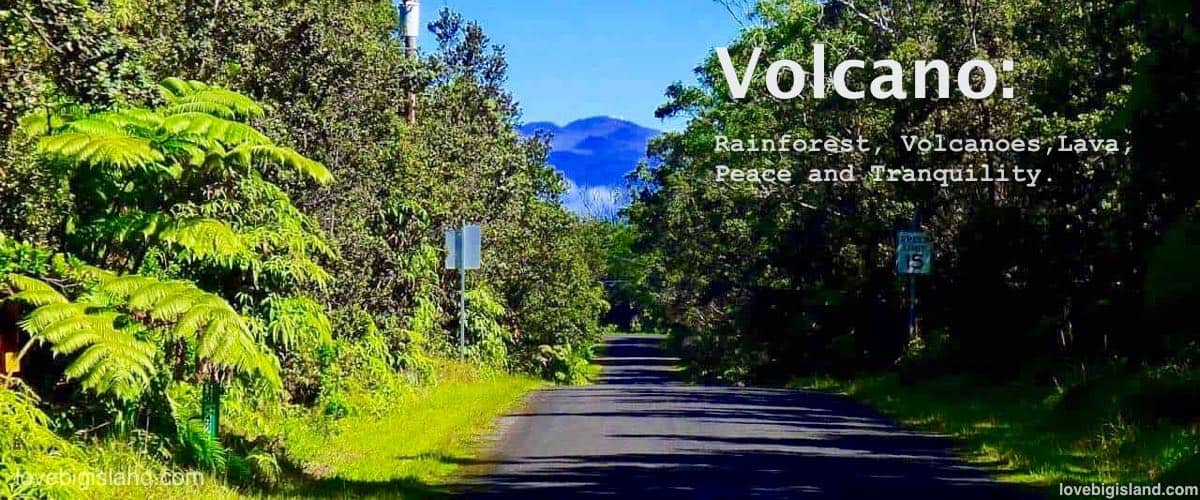
volcano village, big island, hawaii

Volcano Village on the Big Island is a perfect place to stay for when you are exploring the Hawaii Volcanoes National Park

Waimea (cowboy country)

Waimea sits at 2,676 feet on the flank of Kohala, the oldest of the island’s five volcanoes. The nights are cool and the skies dark and clear, and the rolling green hills are cattle country worked by Hawaiian cowboys, the paniolo. From here you have quick access to the Waipiʻo and Pololū valley lookouts and the white-sand beaches of the Kohala Coast. Read more in our Waimea area guide.
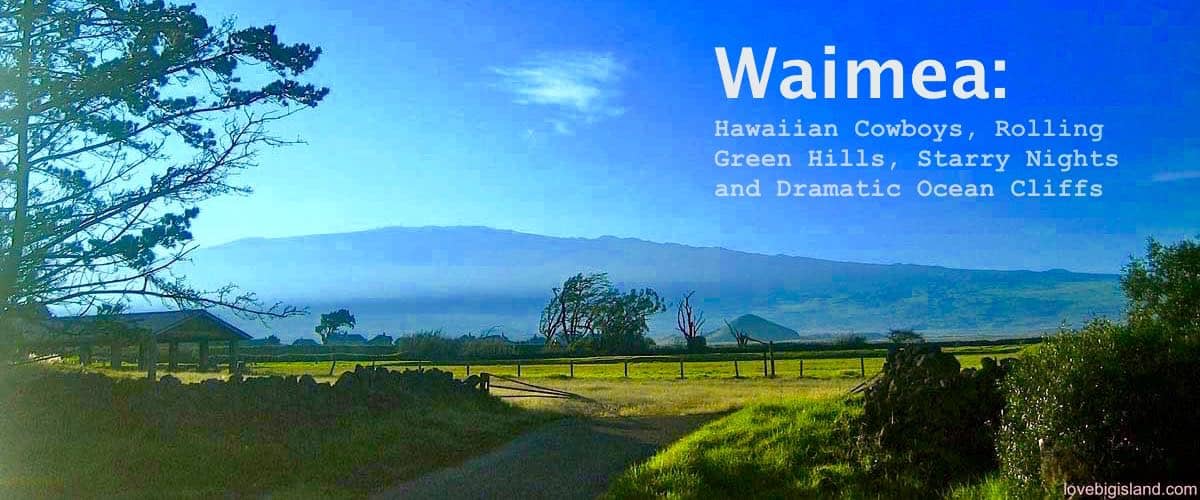
Waimea: Hawaiian cowboys, rolling green hills, starry nights and dramatic ocean cliffs

Waimea at 2500 ft elevation gives you a taste of the Hawaiian highlands.

Compare nightly rates across the bases

The four bases price differently, and the gap is big enough to steer the decision. This chart tracks vacation rental rates per region from Hawaiʻi Tourism Authority data; the caption under it shows where the current low and high sit and stays current as new numbers come in.

Line chart of monthly vacation rental nightly rates by region on Big Island in 2025.
Big Island vacation rental rates by region. 2025 rates ranged from $252/night in Nā‘ālehu/Ka‘ū to $682/night in Kohala/Waimea/Kawaihae. The Big Island-wide average was $429/night.

Four more districts worth a day trip

These four areas do not make great home bases on their own, but each earns a day trip from the nearest region. Here is the quick version, each linked to its full guide:

Puna

Puna is the island’s raw volcanic east, just past Hilo on Kīlauea’s East Rift Zone. The 2018 eruption buried homes in Leilani Estates and reshaped the coast, and the district still wears it: new black-sand beaches at Pohoiki and Kaimū, the Red Road that lava crossed in places, and the Lava Tree monument. Pāhoa is the one real town, with Uncle Robert’s kava night on Wednesdays and the big Makuʻu farmers market on Sundays. Tread lightly here, because these communities are still rebuilding.

Read more in our Puna guide.

Kaʻū

Kaʻū covers the island’s empty southern tip, the stretch you cross between Volcano and Kona and the least-visited district on the island. The big draws are Punaluʻu black-sand beach, where green sea turtles haul out, and Papakōlea, one of the few green-sand beaches anywhere, reached by a 2.5-mile walk with no shade. South Point (Ka Lae) is the southernmost spot in the United States. Fill the tank and pack food before you go: gas stations, restaurants, and cell service are scarce out here.

Read more in our Kaʻū guide.

Kohala

Kohala is the island’s oldest and northernmost corner, split in two. North Kohala is small-town and green: Hāwī and Kapaʻau, the original Kamehameha statue, and the Pololū Valley lookout, where a steep half-mile trail drops to a black-sand beach. South Kohala is the dry resort coast, home to the island’s best easy-swimming beaches like Hāpuna and Mauna Kea Beach, and it wraps around Waimea. From December to March you can spot whales from the pullouts along Highway 270.

Read more in our Kohala guide.

Hāmākua Coast

The Hāmākua Coast is the green, wet stretch of about 40 miles running north from Hilo toward Waipiʻo Valley. It is one long scenic drive: the old Pepeʻekeo Scenic Drive past Onomea Bay, ʻAkaka Falls dropping 422 feet a short walk from the road, and former sugar towns like Honokaʻa, where Tex Drive Inn sells the malasadas. Waipiʻo Valley anchors the north end, though descending into the valley is restricted and often closed, so plan on the overlook. Give it a full day.

Read more in our Hāmākua Coast guide.

Where is Waikoloa?

Regulars will notice Waikoloa is missing from our four-region map, and that is on purpose. Waikoloa sits on the border between Kona and Waimea and is the island’s resort coast, where the big hotels and golf courses cluster. The weather is dry and warm, the beaches are some of the island’s easiest for swimming, and the snorkeling at ʻAnaehoʻomalu Bay (A-Bay) is calm and shallow. We cover it under both the Kona and Waimea sections rather than as its own region.

Read about the beaches in our Kona and Waimea guides.

Primary Sidebar

Written by:

Gerrit van der Plas

Last updated:

August 4, 2026

Tired of Generic Travel Estimates? So Were We.

See what your Hawaiʻi trip could really cost, based on how real travelers spend.

What Will Your Trip Cost?

How many people are you traveling with?


Find us on Instagram

Instagram grid of Big Island photos: a lava fissure, palms at sunset and coral sand

Big Island photos and quick tips, most days. Follow along on Instagram.


Monthly Newsletter

One email a month on what's new and worth knowing on the Big Island. Get our free monthly updates and plan with local insight:

subscribe

Trip-Planning Emails

Planning a Big Island trip? Our free 5-day email series walks you through it, one short email a day. No fluff, just what helps:

Sign me up!

We did all the research so you don't have to

Call us for advice! In a 30-minute call we help you set up the trip of your dreams. Great for first-time visitors.

Find out more

Practicalities

  • Planning your trip
  • Before you book
  • Accommodation
  • Destination guide
  • Getting around
  • Big Island Weather

Getting around

  • Island Hopping!
  • Getting Around the Big Island: Do You Need a Rental Car?
  • Rental cars
  • Public transport
  • Inter island flights
  • Flights to/from Hawaii

Share on Pinterest

Graphic on the best places to stay on the Big Island: Volcano, Kailua Kona, Waimea and Hilo

On this page

  • Map of the Big Island
  • Where to stay: the four home bases
  • Four more districts worth a day trip

Share with friends:

Footer

Love Maui

1: Maui Overview
2: Things to Do
3: Where to Stay
4: Popular Sights and Destinations
5: Road to Hana (Maui)
6: Maui Itinerary
7: Maui blog posts

The second-biggest island in the chain, much of Maui’s appeal comes from its natural landscape and biodiversity, including its two massive volcanoes, whale watching and marine ecosystems

Love Oʻahu

1: Oʻahu Overview
2: Things to Do
3: Where to Stay
4: Popular Sights and Destinations
5: Oʻahu Beaches
6: Oʻahu Itinerary
7: Oʻahu blog posts

Oʻahu is the busiest and most visited of the Hawaiian Islands, with the widest range of things to do: nature, culinary discoveries, historic landmarks, shopping, nightlife and festivals.

Love Kauaʻi

1: Kauaʻi Overview
2: Things to Do
3: Where to Stay
4: Popular Sights and Destinations
5: The Nāpali Coast
6: Kauaʻi Itinerary
7: Kauaʻi blog posts

With a population of less than 75,000, Kauaʻi is truly a small-town island, littered with open space, protected preserves, and old plantation history.

Let’s connect

Facebook
Pinterest
X
Instagram
Subscribe to our Newsletter

Made with by Love Big Island


© 2011–2026 lovebigisland.com | About Us | Contact | Sitemap (xml)/(html) | Privacy Policy

  • Book Tours
  • Planning a trip? Start here!
    • 1: Calculate your trip costs
    • 2: When should you go?
    • 3: Flying to Hawaii
      • 3a: Interisland Flights
    • 4: Get a Rental Car
    • 5: Find Accommodations
  • Regions
    • Kailua-Kona
      • Accommodations
      • 5 Highlights
      • Things to Do
      • Kona Beaches
    • Hilo
      • Accommodations
      • Highlights
      • Things to Do
    • Volcano Village
      • Accommodations
      • Highlights
      • Things to Do
    • Waimea
      • Accommodations
      • Highlights
      • Things to Do
    • Puna
    • Kaʻu
    • Kohala
  • Things to Do / Activities
    • ATV
    • Beaches
      • ʻAnaehoʻomalu Beach
      • Carlsmith beach park
      • Hapuna beach
      • Kaimu beach
      • Kahaluʻu Beach Park
      • Kamakahonu (King Kam) Beach
      • Kaunaʻoa (Mauna Kea) Beach
      • Maniniʻowali beach (Kua Bay)
      • Papakolea (Green sand beach)
      • Pohoiki Beach
      • Punaluʻu
      • Richardsons’ (Hilo)
      • Waialea Beach (Beach 69)
    • Biking / Cycling
    • Botanical Gardens
    • Camping
    • Chocolate and Cacao Farm Tours
    • Dolphins!
    • Farm Tours (BIG list)
    • Farmers Markets
    • Golfing
    • Hawaii Volcanoes National Park
    • Helicopter Tours
    • Hiking
    • Horseback Riding
    • Hot ponds
    • Kona Coffee Tours
    • Lava Viewing Guide 🌋
    • Lava Tubes
    • Luau and Hula
    • Manta Ray night dive / snorkel
    • MaunaKea Summit + Stargazing
    • Road Trips!
    • Scuba Diving
    • Snorkeling
    • Stand Up Paddle boarding (SUP)
    • Surfing
    • Be a Volunteer
    • Waterfalls
    • Waterfall Rappelling
    • Whale Watching
    • Ziplining
  • Six full Itineraries
    • One Day (day trips)
    • Two Days
    • Three Days
    • Five Days
    • Seven Days
    • For Cruise Ship Visitors (shore excursions)
  • Highlights
    • Annual Events
    • Museums
    • History and Culture
    • 4 National + 14 State Parks
      • Hawaii Volcanoes National Park
      • Puʻuhonua o Hōnaunau National Park
    • Local food & produce
      • Macadamia Nuts
      • Kona Coffee
      • Chocolate
    • Nature and Wildlife
    • Hawaii Trivia: 40+ fun facts
      • Pineapple History, Facts and Trivia 🍍🍍🍍
      • The opposite of Hawaii
      • The longest Hawaiian name
      • Hāpuʻu: the Hawaiian tree fern
      • Endemic and Native Species
      • Kahili Ginger
      • Pāhoehoe and ʻAʻā Lava
      • Lake Waiau on MaunaKea
      • Pele’s Hair (volcanic glass)
      • Green Sand Beach Trivia
    • What is Big Island weather like?
  • Favorite Sights and Destinations
    • Hawaii Volcanoes National Park
    • MaunaKea
    • Pololū Valley
    • Waipiʻo Valley
  • Oʻahu
  • Kauaʻi
    • Sights and Destinations
      • The Nāpali Coast
      • Waimea Canyon
    • Trip Planning Resources
      • 7 day itinerary
      • Getting Around
      • Where to Stay
    • Things to Do
      • Air Tours
      • Beaches
      • Culinary Tours and Activities
      • History and Cultural Activities
      • Land Activities
      • Water Activities
  • Maui
    • Things to Do
      • Air Tours
      • Beaches
      • Culinary Tours and Activities
      • History and Culture
      • Nature and Wildlife
      • Land Activities
      • Water Activities
    • Sights and Destinations
      • Haleakalā National Park
      • Road to Hana
    • Trip Planning Resources
      • 8 day Itinerary
      • Getting Around
      • Where to Stay
  • Free Newsletter