The Nāpali Coast has three ways in: the Kalalau Trail on foot, a boat tour, or a helicopter. Which one you take will shape your whole north shore day, and likely your trip budget. This itinerary runs south to north over seven days, starting with three nights in Poʻipū and Waimea Canyon on day 3, then moving up to Hanalei for the north shore.
The south-to-north order makes logistical sense. The south shore around Poʻipū has more reliable ocean conditions and is easier to navigate on arrival day. The north shore days are more demanding: parking and beach access at Hāʻena now require reservations, and if you choose the Kalalau Trail, the terrain is serious past the first two miles.
Table of contents
We recommend a week to explore the entire island at a relaxed, enjoyable pace. Our suggestions below are not meant to be set in stone; rather, we hope they can serve as a template and example of the island’s main regions, water activities, attractions, and points of interest. Please take from our itinerary what you will, switch around the order of days or where you’ll stay, and sprinkle in your own personal interests to create the best possible itinerary (for example one of these 14 bite-sized things to do on Kauaʻi 👍).
We hope you have a good time on Kauaʻi, and please remember to do your part in protecting the island by respecting its environmental, cultural, culinary, and historical offerings. Mahalo!
Day 1: Arrival to Poʻipū
Most flights into Kauaʻi land at Līhuʻe on the east side of the island. Pick up your rental car at the airport and head south toward Poʻipū, passing ranches, farms, and a eucalyptus tree tunnel that marks the gateway to the south shore. Plan day one for arrival and settling in.
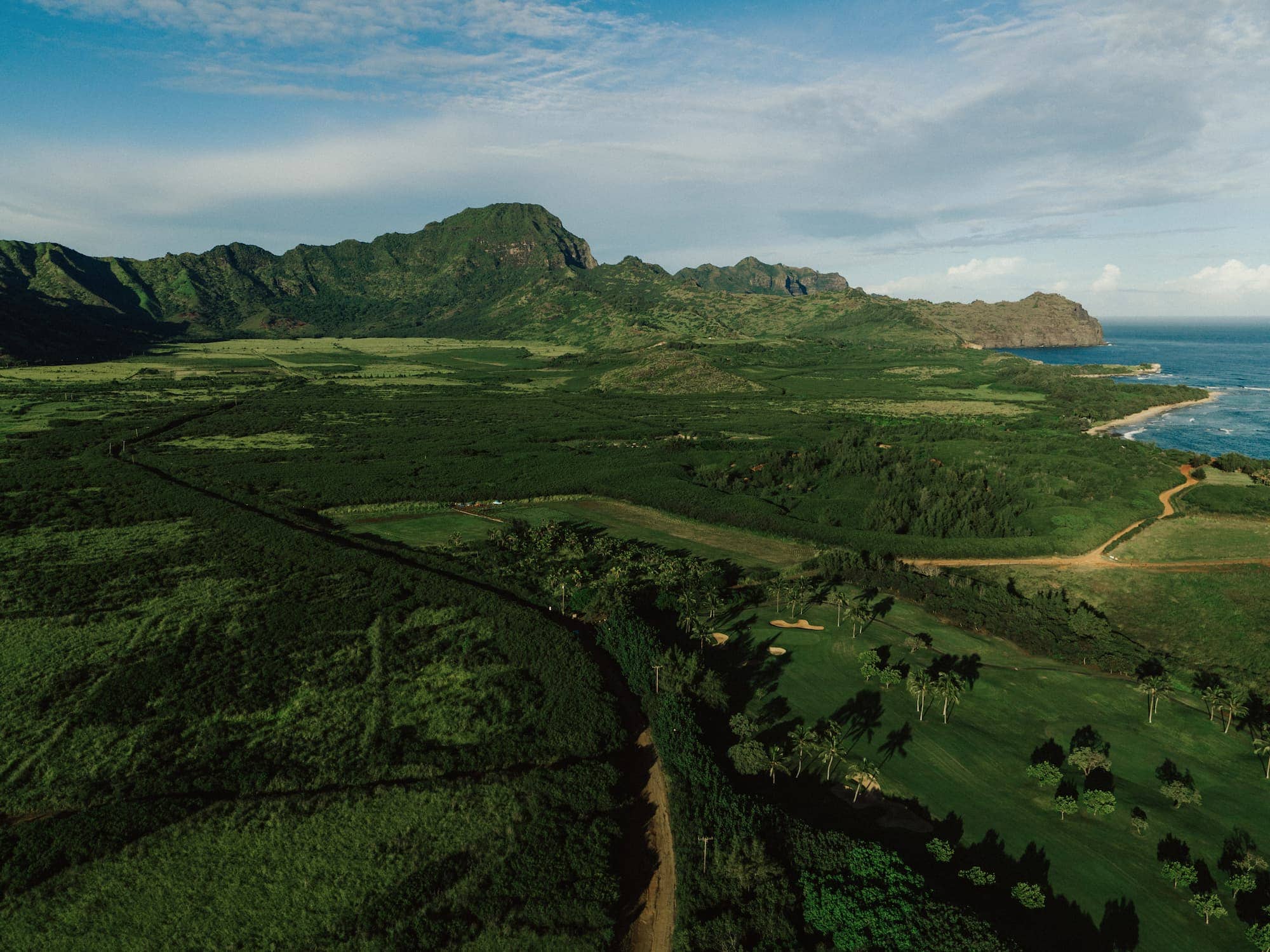
The mountain backdrop above Poipu, seen from the air. Credit: Hawaii Tourism Authority (HTA)
We suggest Poʻipū as your first hub not necessarily because it’s where you’ll want to spend the most amount of time, but because it offers a good combination of location, services, and accommodations that will serve your journey well.
Because of its position in the far north of the chain, Kauaʻi experiences more rain, stronger currents, and more sporadic good ocean conditions than perhaps any other island. Many beaches on Kauaʻi can have unfavorable swimming conditions throughout the year, especially during the winter if you want to pencil in some beach time and a dip, you need to be shrewd with your selection. The Poʻipū area offers lifeguarded beaches that are generally swimmable, and quick access to other beaches of interest, like Shipwreck’s. Poʻipū is also one of the better snorkeling spots on Kauaʻi.
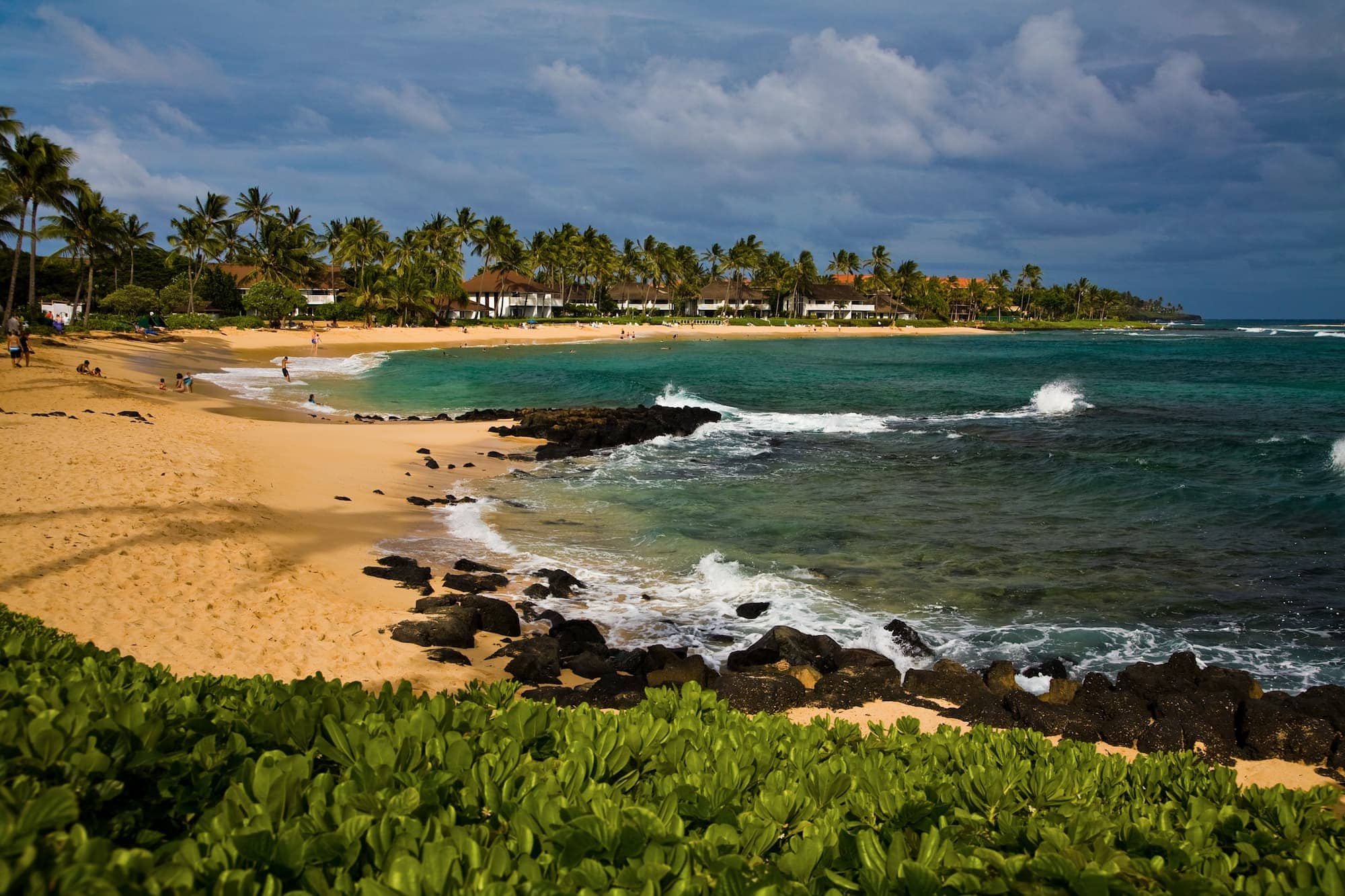
Poipu is a popular beach with a shallow, protected swimming area, snorkel & surfboard rentals & a playground. Image: Hawaii Tourism Authority (HTA) / Tor Johnson
You can find any type of lodging you’re looking for in Poʻipū – resorts, hotels, condos, and vacation rentals – and easy access to services, like groceries and local restaurants. We like the idea of relaxing and recharging here for a night or two before moving forward with a more aggressive itinerary.
Day 2: Poʻipū and the South Shore
Expect an early wake-up on your first full morning. The Mahaulepu Heritage Trail starts near Poʻipū and covers a couple of miles of coastline, passing sea cliff views and a handful of historical sites. It’s the right-sized walk for legs that have been on a plane.
If you prefer something slower in the morning, there are a number of good beaches in the area. Poʻipū Beach, Brennecke’s, Shipwreck’s, Kiahuna, Baby Beach, and Mahaulepu are all within easy reach and delightful in the early morning.
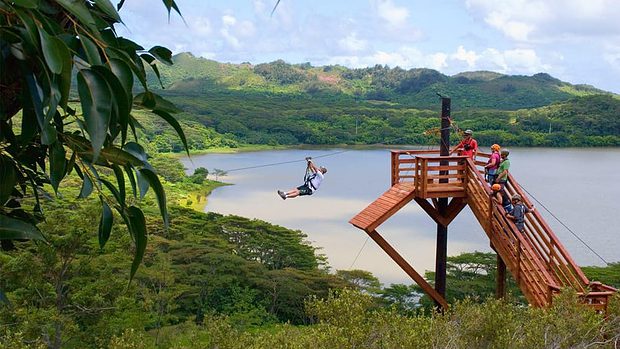
Kōloa Zipline on Kauaʻi: 8 Lines, Half-Mile Final Run
Eight ziplines on a 22,000-acre former sugar plantation, with a hands-free Superman harness and a final line that reaches roughly 55 mph. Open to ages 7 and up, maximum 280 lbs.
from:
$162
What is a suggested tour?Our suggested tours are hand-picked tours that receive consistent good reviews, give back to the community, and work hard to minimize their impact on the environment. Read more about these tours on our website.Today is the calm before the storm. Starting tomorrow, you’ll have a string of adventures that will keep you out and about all day long. We recommend sticking close to home today – hit a nearby beach, hike a nearby trail, or check out a nearby cultural site like the Kāneiʻolouma Heiau – but mostly, stay nearby and get to know the south shore. Kōloa was home to one of the first sugar cane plantations in the islands in 1835, and the Kōloa Heritage Trail can show you how it shaped Hawaiʻi.
There are a couple golf courses in Poʻipū, a national botanical garden, and the Spouting Horn Blowhole is not too far.
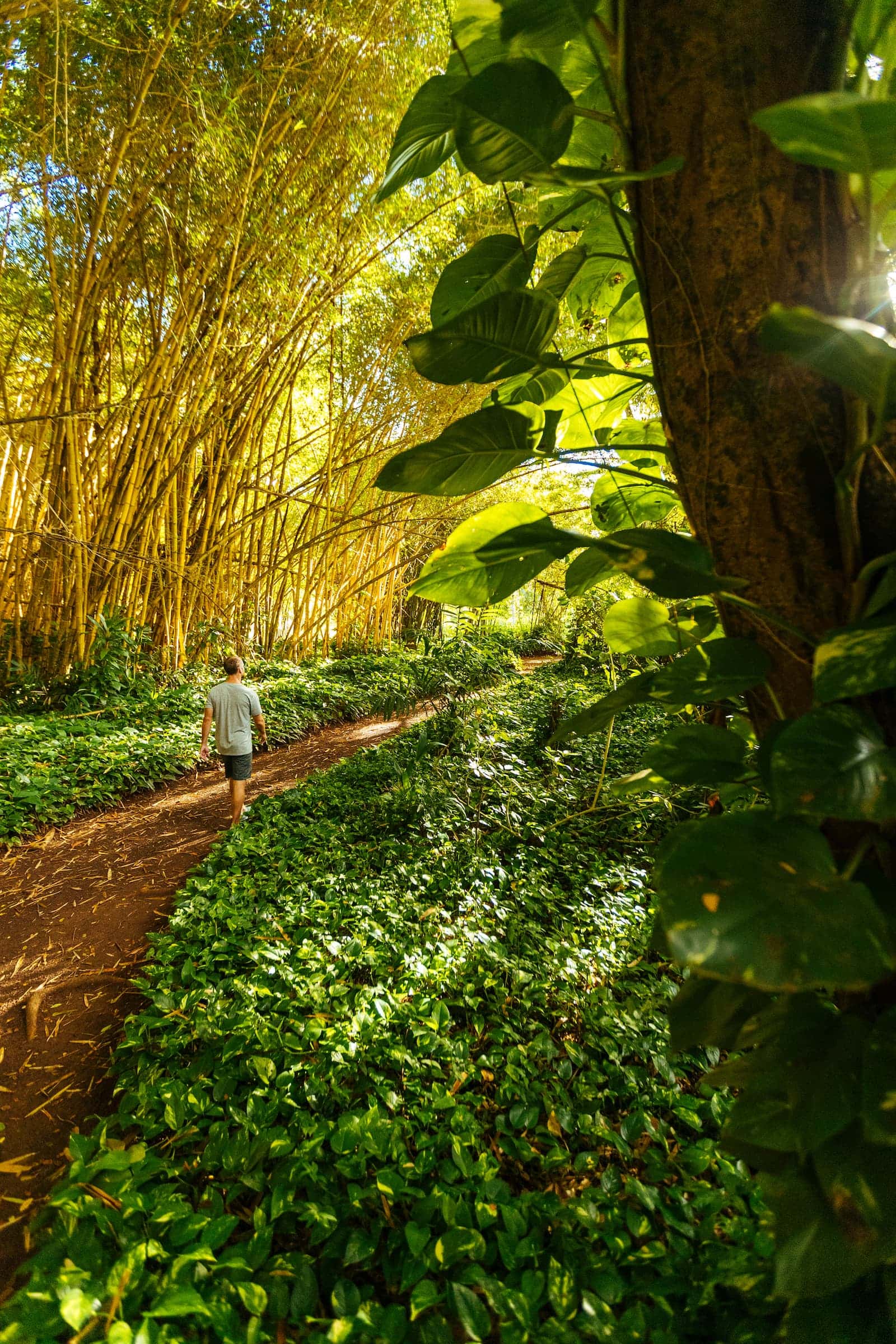
The Allerton Garden is a botanical garden beside Lāwaʻi Bay, in a valley transected by the Lāwaʻi Stream. Credit: Hawaii Tourism Authority (HTA) / Ben Ono
If you insist on doing something outside of Poʻipū, we recommend Polihale State Park (one hour drive). Located way out on the west coast, it’s a completely undeveloped big sandy beach, with gorgeous views of the western edge of the Nāpali Coast, and, due to being so far out of the way, draws fewer crowds than the more accessible beaches. Keep in mind that car rental companies often have restrictions against driving the dirt access road.
Pick up a bottle of locally-made Kōloa Rum for homemade sunset cocktails. Visit one of the area’s many restaurants for dinner. Get to bed early and rest up for tomorrow’s big day.
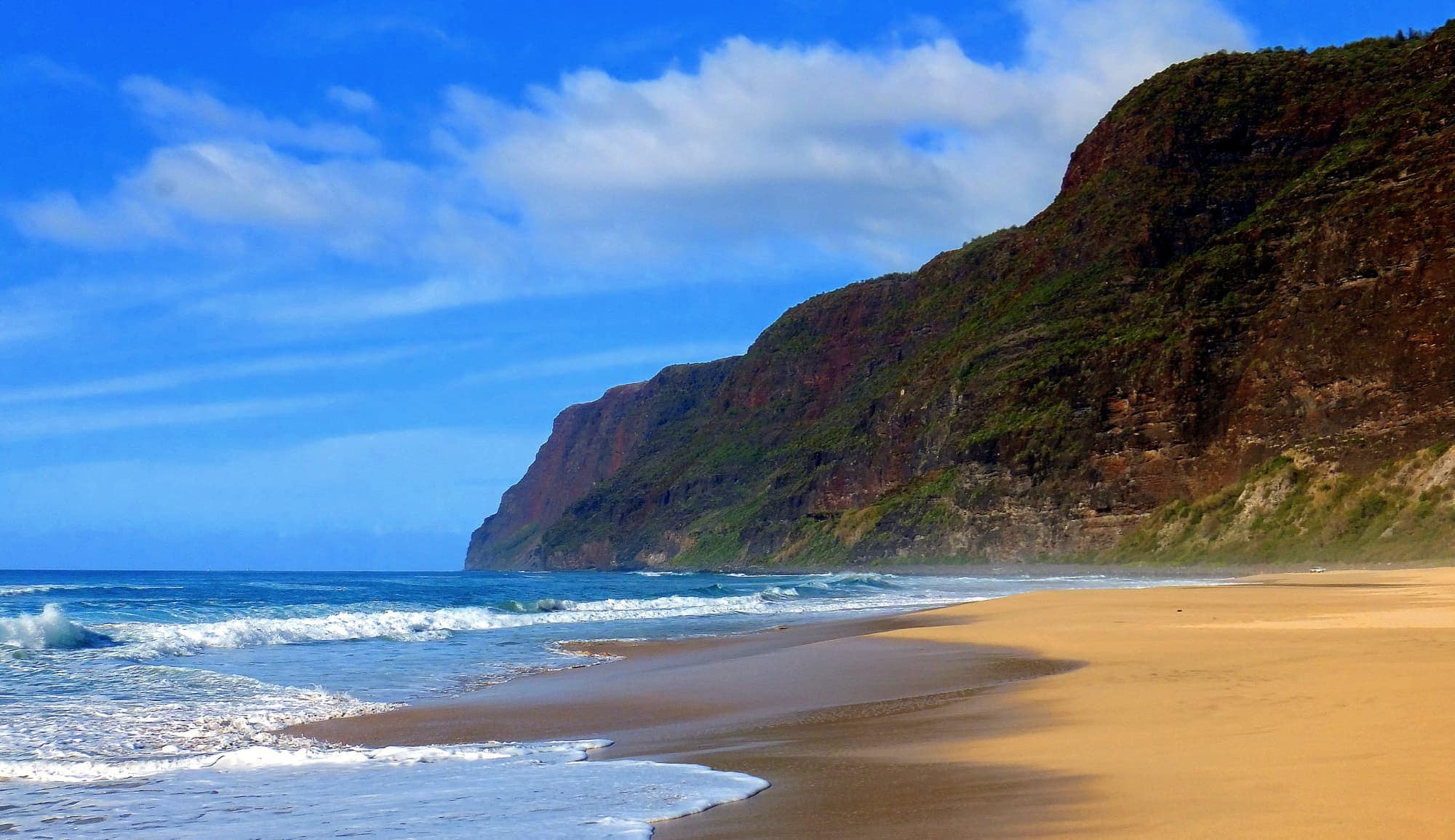
Polihale State Park is a remote wild beach and a great choice for those people seeking isolation. Image credit: K E V I N, source.
Day 3: Waimea Canyon
Head out mid-morning for Waimea Canyon. Stop at Kukuiula Market near Poʻipū for lunch and extra water before the drive. Bring firm shoes and a couple of layers: at 3,500 feet, temperatures drop noticeably from the coast.
Today’s destination is Waimea Canyon, the “Grand Canyon of the Pacific.” It’s about an hour’s drive from Poʻipū, the second half up a winding mountain road. Take it slow, and enjoy the views of the ocean (look for the island of Niʻihau off in the distance) as you climb up.
Located at 3,500 feet above sea level, Waimea Canyon is about 14 miles long, a mile wide, and more than 3,600 feet deep. Waimea, which means “reddish waters,” gets its name from the color of the rock, which in turn effects the color of the water as it runs down and out the canyon.
Waimea Canyon State Park is very visitor friendly, offering a variety of lookouts and hiking trails through which to explore the area. Also, Kōkeʻe State Park is adjacent to the canyon, with a myriad of other trails to explore.
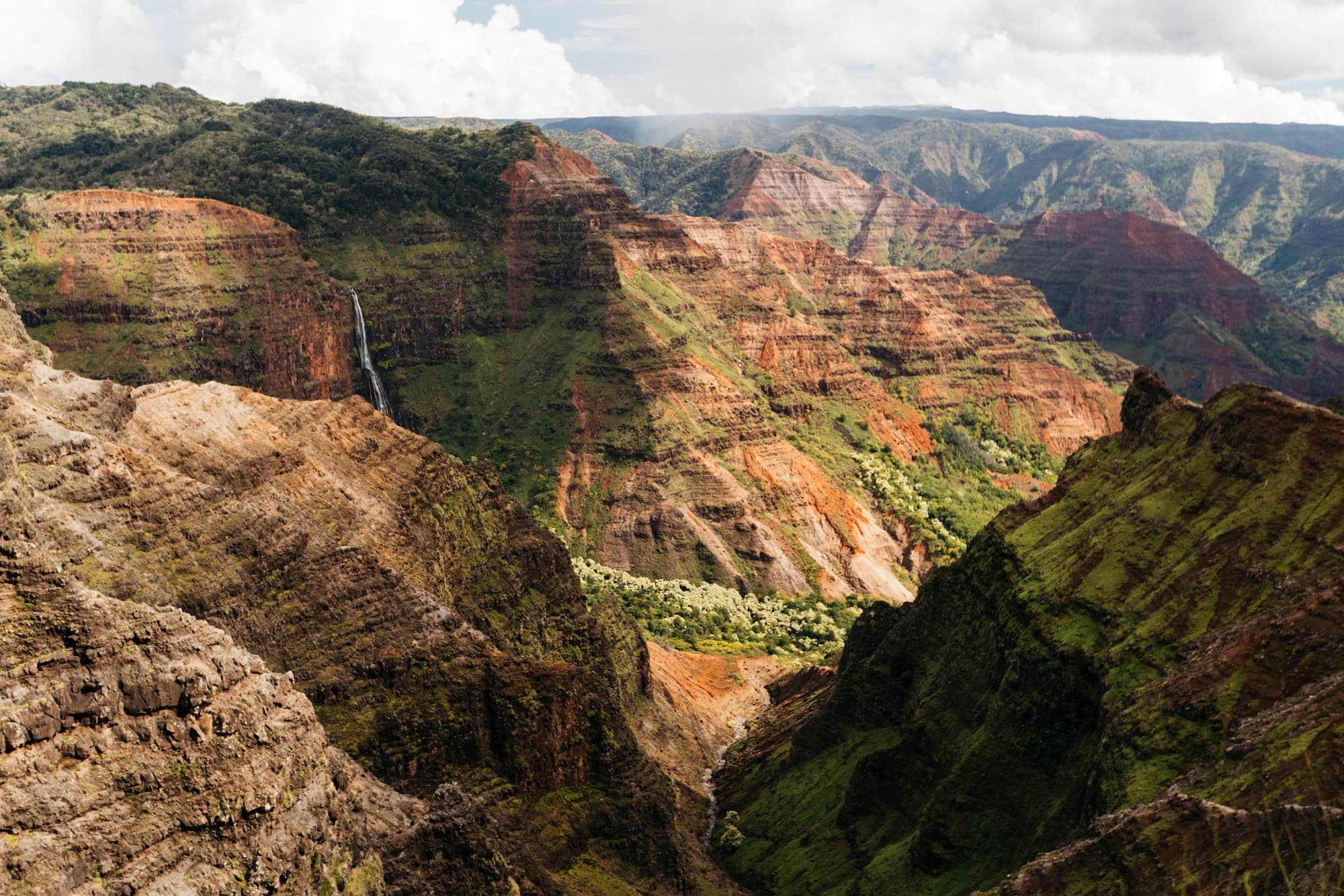
View from the Waimea Valley Lookout. Credit: Hawaii Tourism Authority (HTA) / Ben Ono
First, we recommend driving around to the different lookouts that offer different perspectives of the canyon: the Waimea Canyon Lookout, the Puʻu Ka Pele, and the Puʻu Hinahina Lookout. There’s also the Kalaulau Lookout in Kōkeʻe. Then, head out on an afternoon hike. If you need help choosing a trail, see our guide to hiking on Kauaʻi.
After the hike, around late afternoon, make your way back to Poʻipū. Enjoy the views as you descend back to sea level. This will be your last night in Poʻipū, so enjoy a walk, swim, or drink for the sunset and dinner at one of the many restaurants. Have your bags ready to go in the morning.
Day 4: Road Trip to Hanalei
Today is a driving day, south shore to north shore. Leave Poʻipū in the morning and plan for stops along the way: Wailua Falls near Līhuʻe, kayaks and trails around Wailua River, lunch in Kapaʻa, and the Kīlauea lighthouse before the final stretch north.
From Poʻipū, you’ll head north on Kauaʻi’s main road. The first hub you’ll come to is Līhuʻe, the capital. We encourage a stop at the Kauaʻi Museum, where you can learn the history of the island’s monarchy. Waterfall chasers will want to make a stop at Wailua Falls, which can be accessed via Līhuʻe.
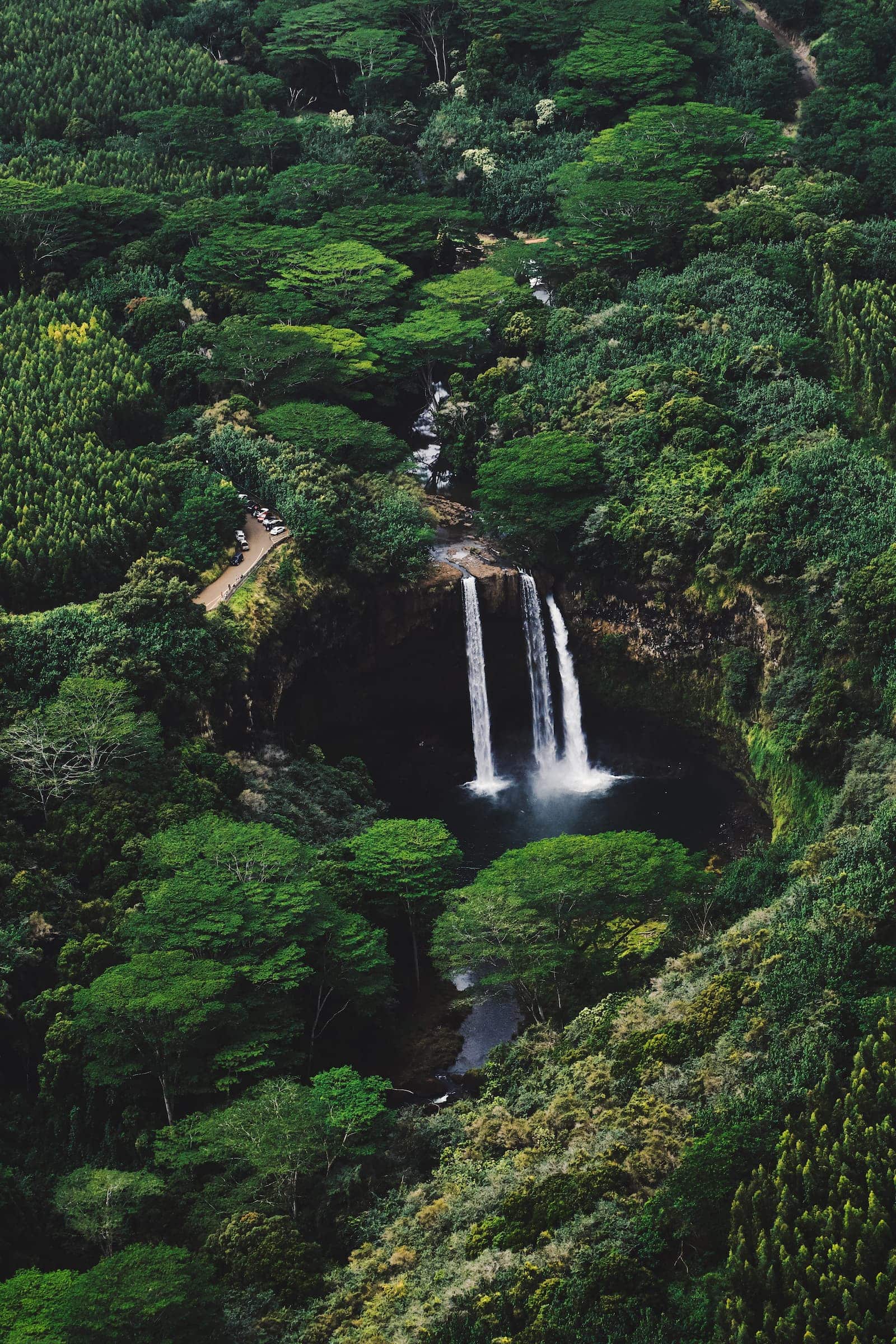
The Wailua Falls. Credit: Hawai Tourism Authority (HTA) / Jakob Owens
Continue north to the town of Wailua, a hub for outdoor recreation. The Wailua River is the only navigable river in Hawaiʻi, and you can rent a kayak from one of the vendors at the mouth of the river (there are also guided tours of the river as well). Opaekāʻa Falls, the Kuamoʻo Nounou Trail, and the Sleeping Giant Trail are all great options to explore in the area.
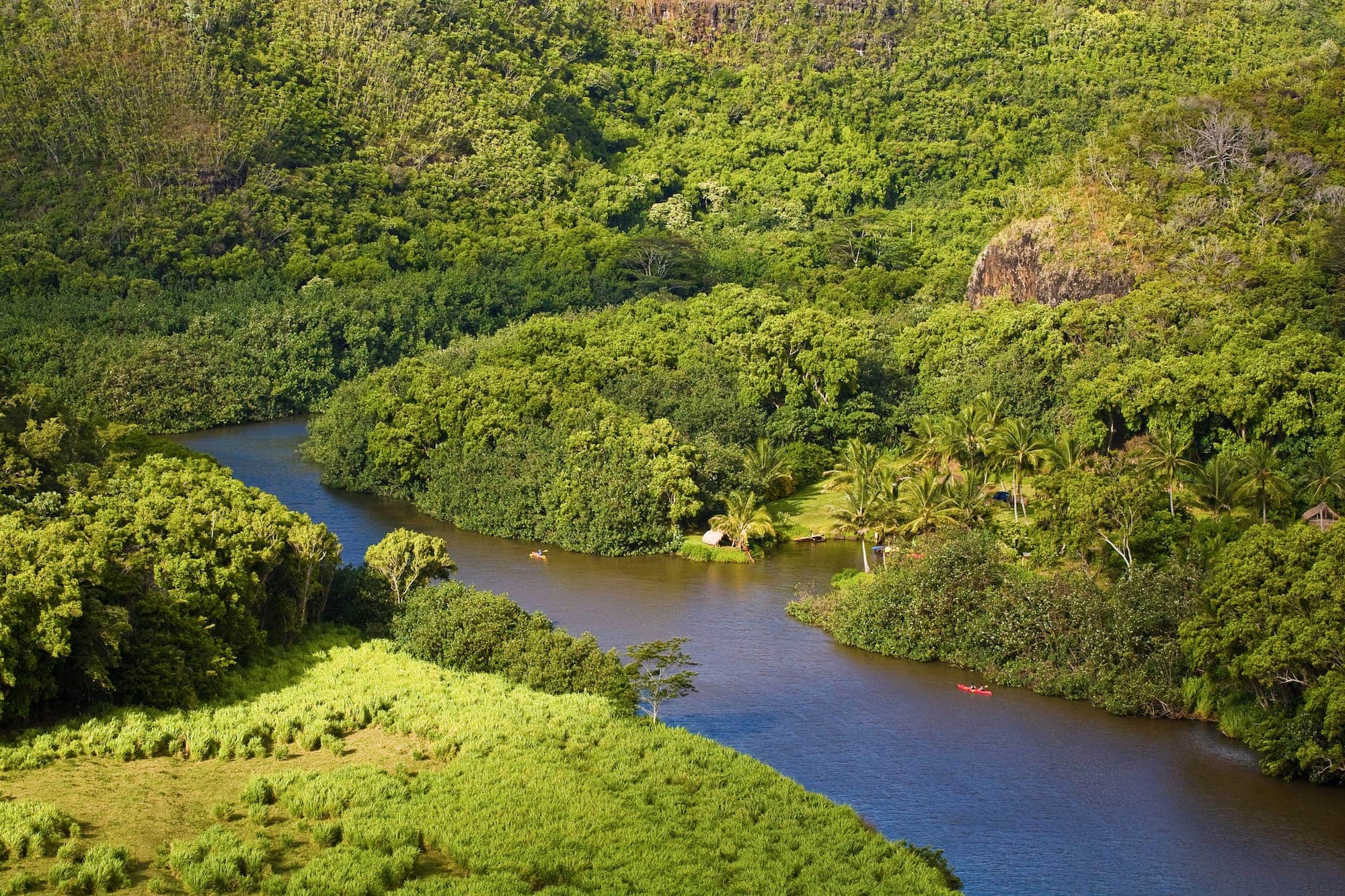
Kayakers on Wailua River. Credit: Hawaii Tourism Authority (HTA) / Tor Johnson
The next community you’ll reach is Kapaʻa. It’s a nice place to stop for lunch and a walk along the coast. Pono Market is a favorite for local dishes, like plate lunches. If you’re looking for take-home gifts, you can grab a cup of locally grown coffee in the main part of town (perhaps from Java Kai) and window shop some of its souvenir stores. Kapaʻa Beach is shallow and not reliable for swimming, but there is a long beach path that winds along the coast, nice for a walk or bike ride.
Once through Kapaʻa, you’ll pass through many rural areas with large ranches, big forests, mountain views, and low-level development. Look for fruit stands and local markets along the way. Depending on time, you can stop in at a beach, such as Anahola or Moloaʻa.
The first town you’ll reach on the north shore is Kīlauea. It was once home to a large guava plantation, and today, it has diversified its personality. It is the gateway to the Kīlauea Point National Wildlife Refuge and Lighthouse, where many Hawaiian sea birds nest, and its downtown now offers a coffee shop, fish market, and wine bar.
After Kīlauea, you’ll come to Princeville – a well-manicured resort area – and then Hanalei, the main hub of Kauaʻi’s north shore. Hanalei is home to many taro farms and agricultural fields, as well as a crescent, half-moon shaped bay that’s backdropped by the mountains of the Nāpali Coast.
After settling into your accommodation, spend the remainder of the day wandering around the area and enjoy dinner at one of the restaurants in Hanalei town. Rest up after the stop and start of the drive; tomorrow, you’ll dive head first into the natural beauty this area of the island has to offer.
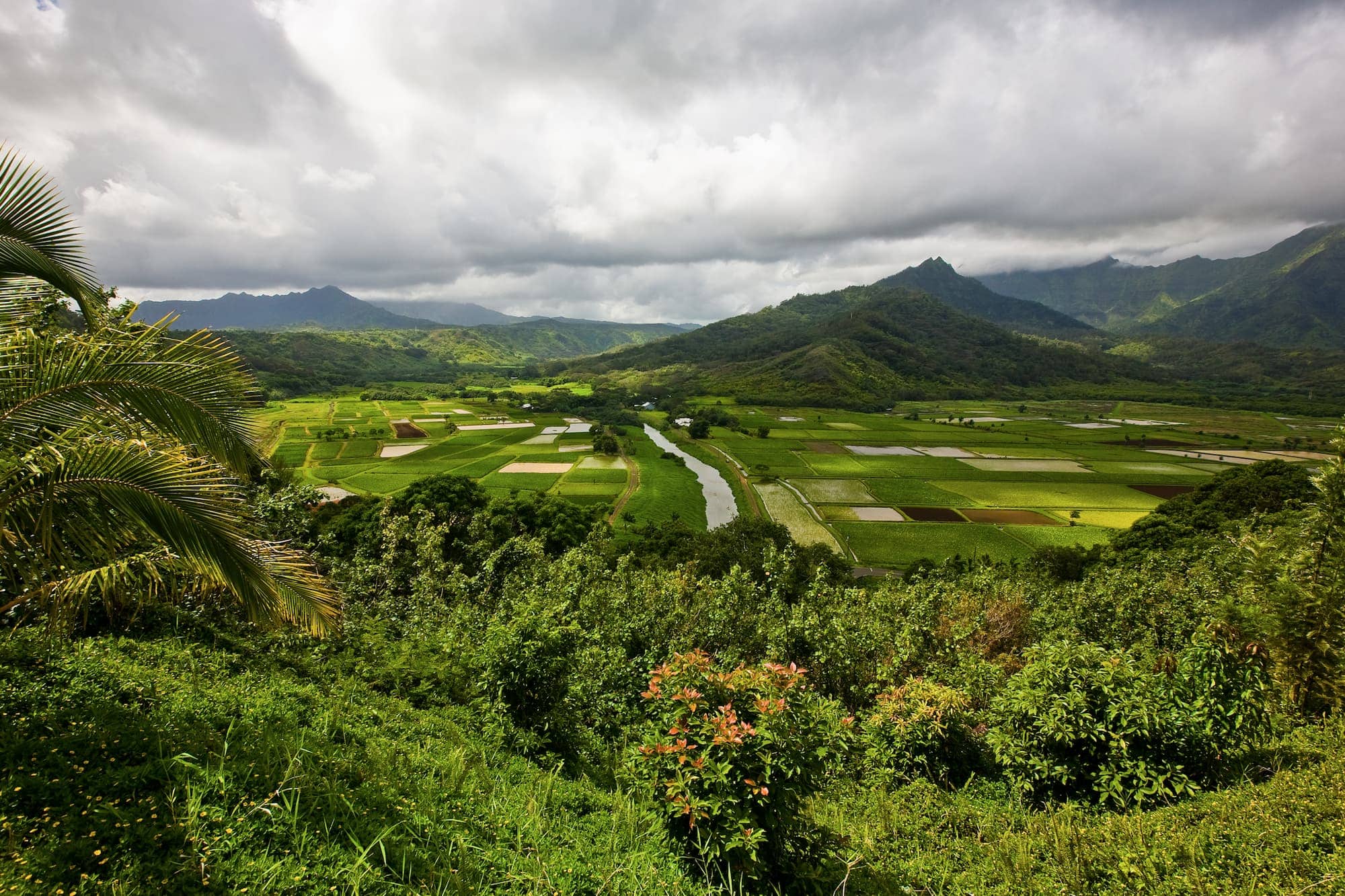
View from the Hanalei Valley Lookout. Credit: Hawaii Tourism Authority (HTA) / Tor Johnson
Day 5: Nāpali Coast
Day 5 is your Nāpali Coast day, and the first decision is how you want to see it. The three options differ substantially in cost and physical demand. The trail is free but requires fitness and good conditions; the boat tour needs less preparation; the helicopter covers Waimea Canyon in the same flight.
See our Nāpali Coast guide for more information and frequently asked questions.
Nāpali Coast by Foot: The Kalalau Trail
The Kalalau Trail starts at Keʻe Beach and traverses the ups and downs of the coastline, going 11 miles in total out to Kalalau Beach. Most people hike the first two miles to Hanakāpīʻai Beach and Falls. The climbs and descents are significant, so bring plenty of water, snacks, and shoes with grip. Also, swimming at Hanakāpīʻai Beach is extremely dangerous, so avoid the temptation to do so. Drownings have occurred at Hanakāpīʻai Beach from the currents.
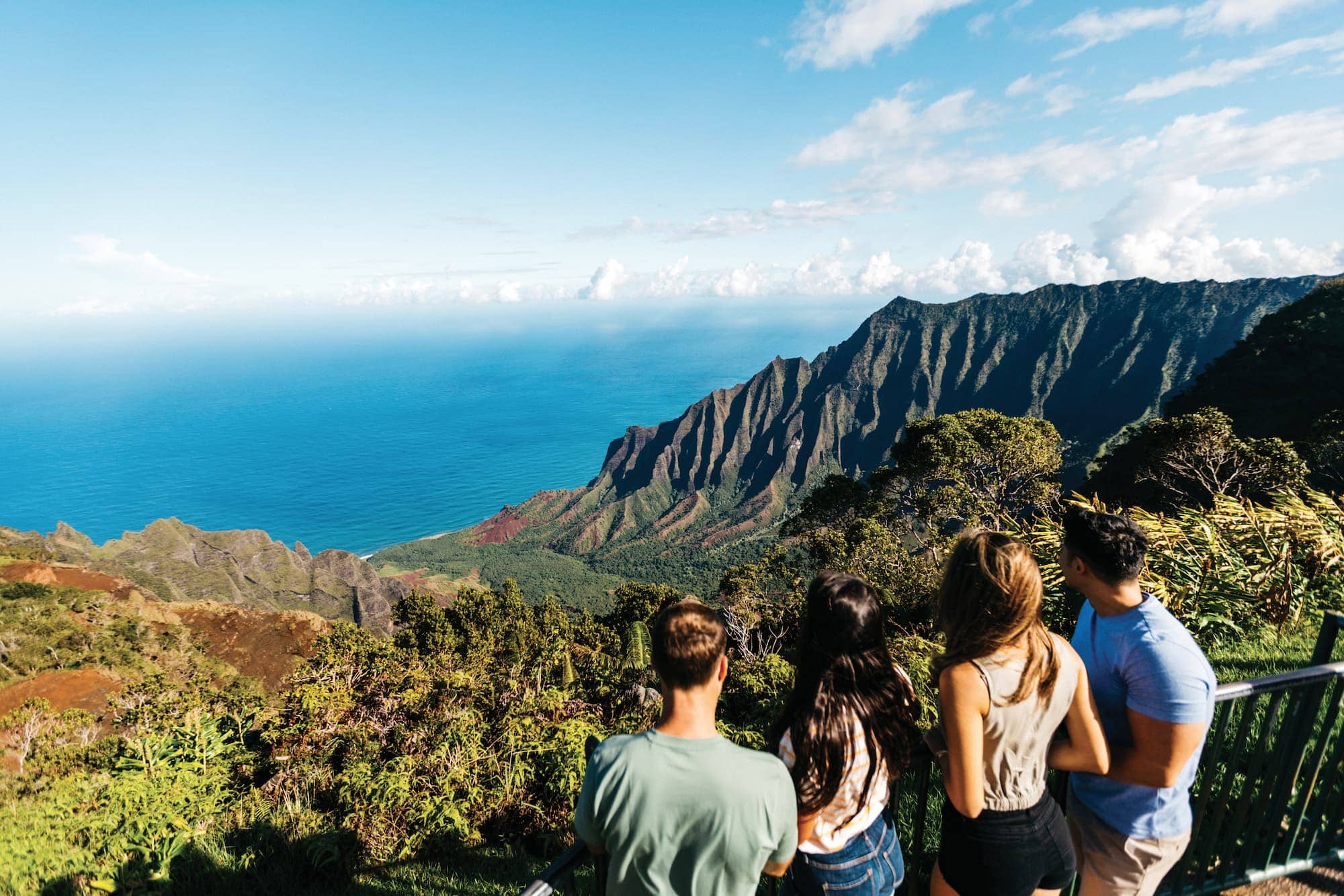
The Kalalau overlook. Credit: Hawaii Tourism Authority (HTA) / Ben Ono
Nāpali Coast by Boat: Tours and Kayak
Seeing the Nāpali Coast from the water puts the scale of the cliffs in context in a way hiking cannot. During the calm summer months, you can rent a kayak from a local outfitter in Hanalei. Or take one of the boat tours that run the full length of the coastline. Some include snorkeling opportunities.
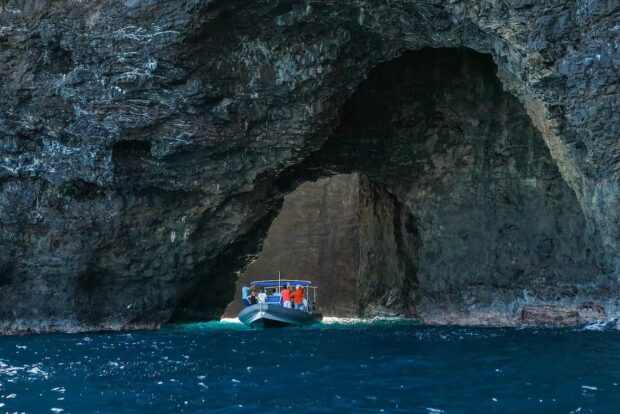
Napali Adventure & Snorkel from Hanalei
The only licensed boat tour company offering raft tours departing from Hanalei Bay!
from:
$315
What is a suggested tour?Our suggested tours are hand-picked tours that receive consistent good reviews, give back to the community, and work hard to minimize their impact on the environment. Read more about these tours on our website.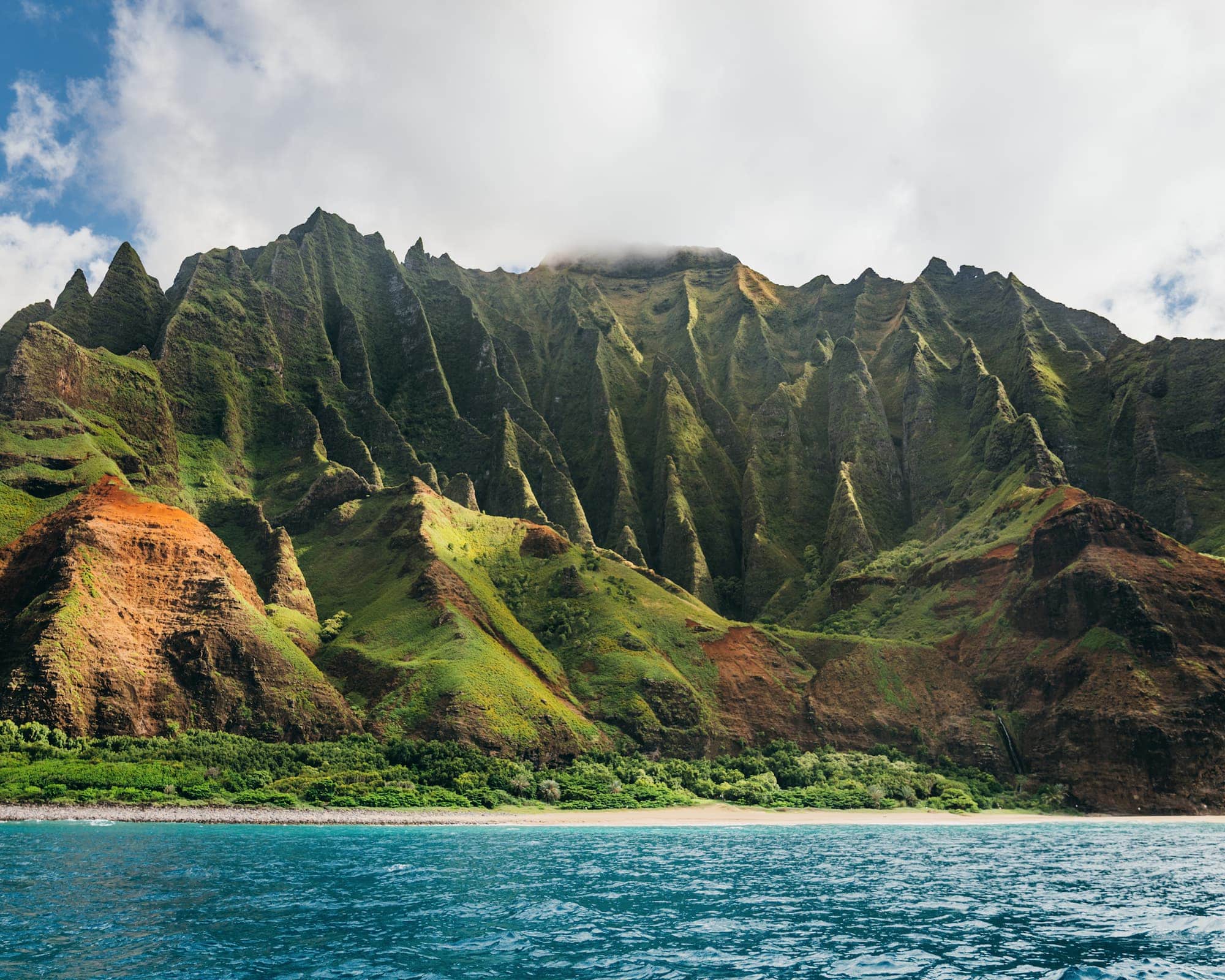
The Nāpali coast seen from the water is one of the iconic images Kauaʻi is famous for. Credit: Hawaii Tourism Authority (HTA) / Vincent Lim
Nāpali Coast by Helicopter
Helicopter tours are the most expensive option but also the most expansive: most routes include a flyover of Waimea Canyon, covering two of the island’s main highlights in one flight.
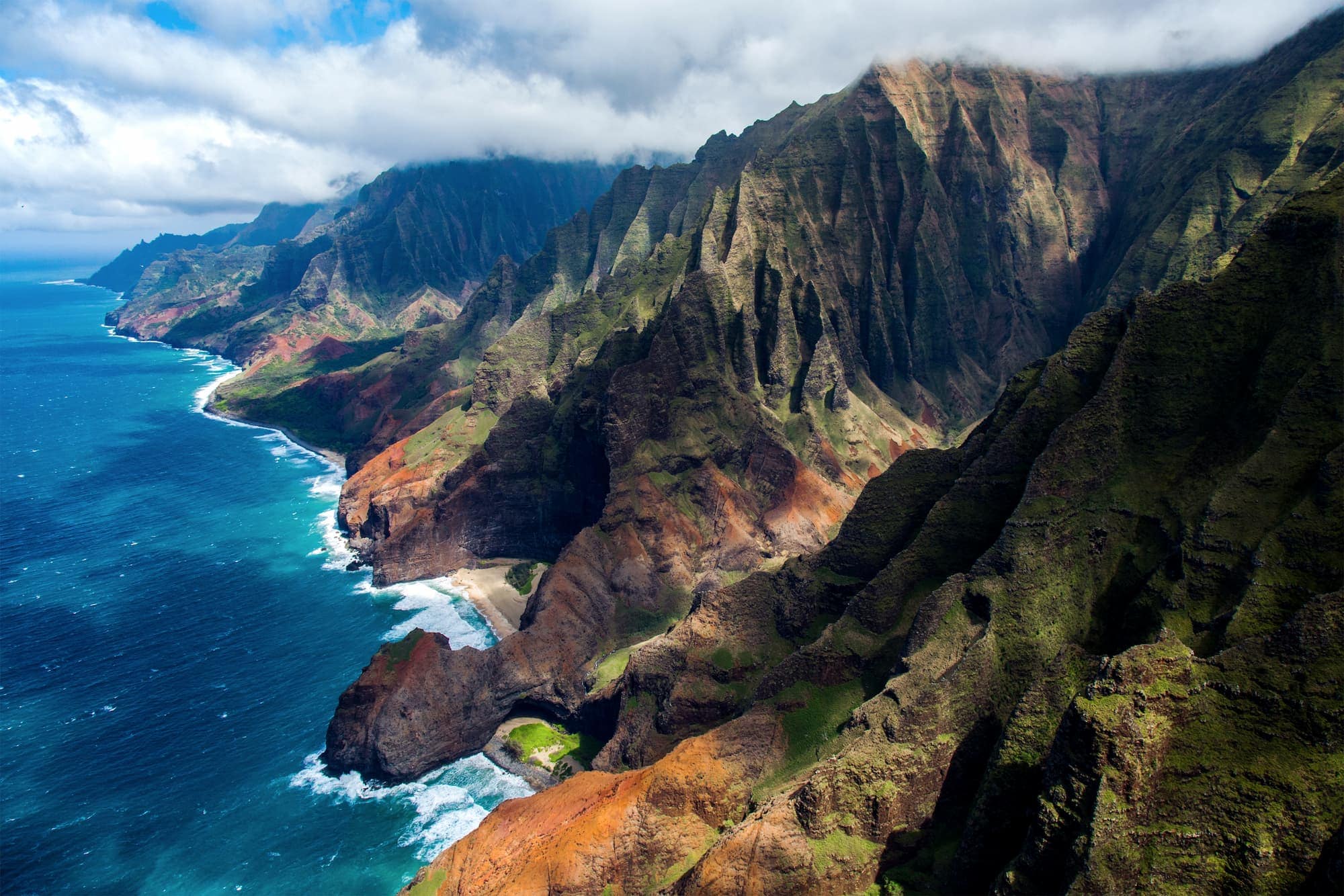
The Nāpali coast cliffs as seen from a helicopter. Credit: Hawaii Tourism Authority (HTA) / Ben Ono
Note: Because parking and access to areas of the north shore changed in 2019, you may consider forgoing your vehicle in favor of taking the north shore shuttle. You can hop on and off at various points without worrying about parking your vehicle, which is usually a challenge.
Day 6: North Shore Exploration
Day 6 is the loosest day on the itinerary. Spend the morning in Hanalei: rent a surfboard at Hawaiian Surfing Adventures, walk the beach, or browse the town with a coffee. The afternoon opens up to the full length of the north shore.
After the Nāpali Coast yesterday, today covers the rest of the north shore at a looser pace. There are an abundance of beaches to check out: Keʻe, Tunnels, Wainiha, Hāʻena, Cannons, Makua – the list goes on. Surf lessons, kayak and sup rentals, and boat tours are also offered in bulk out of Hanalei. An alternative kayak experience can be had on the Hanalei River.
If you’re interested in the local agriculture, try a farm tour, for example at Hanalei Taro (be sure to try their food truck, Hanalei Taro & Juice, for local plate lunches and poi). For a nearby hike, try the Hanakāpīʻai Falls Trail, the Okolehao Trail, or the Powerline Trail, among others. For a combination of local culture and flora, check out the Limahuli Garden & Preserve (or book a self-guided tour directly here).
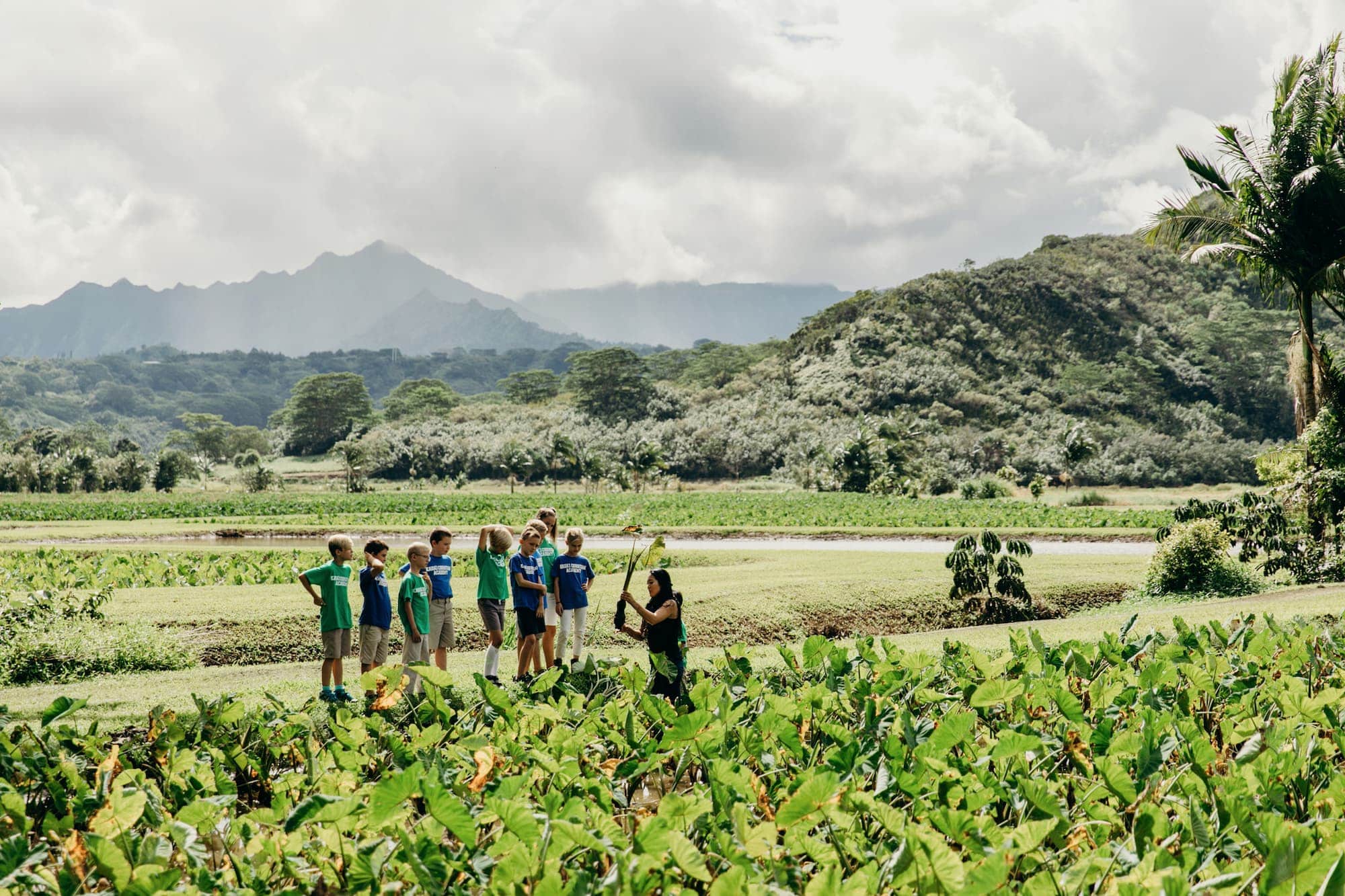
Touring a Taro Farm close to Hanalei. Credit: Hawaii Tourism Authority (HTA) / Heather Goodman @hbgoodie
Day 7: Journey South & Departure
Kauaʻi flights tend to depart Līhuʻe in the afternoon or evening, so you have the morning in Hanalei. Fit in one last activity before heading south: a hike, a surf, kayak on the river, or a final walk along the beach.
Our recommendation would be to leave early and, similar to Day 4, make a road trip of the journey. It’s a great chance to stop and see anything you might have missed on the way up, or check out something you’ve heard about or been recommended (for options, see Day 4 itinerary suggestions).
If you arrive in Līhuʻe early, you can enjoy a locally-beloved noodle dish called saimin at Hamura Saimin or Kakoʻs Saimin.
From there, you are just minutes from the airport. As you board your flight back home, remember that we don’t believe in goodbyes in Hawaiʻi. Instead, we like to say, “A hui hou,” or, “until we meet again.”