
The Hāmākua Coast is a 40-mile run of Highway 19 between Hilo and Waipiʻo Valley, where waterfalls and rainforest canyons line the road most of the way north. Plan it as a full-day scenic drive, pulling off at the Pepeʻekeo detour, the botanical garden at Onomea Bay, and ʻAkaka Falls, which drops 442 feet at the end of a short rainforest trail.
Plan on several short stops rather than one big sight. The Pepeʻekeo Scenic Drive is only 4 miles and adds about half an hour. Save Waipiʻo Valley for last: the access road is now closed to the general public, so confirm what is open before you build a plan around the drive down.
Our favorite highlights of the Hāmākua Coast are:
Table of contents
- The Pepeʻekeo scenic drive
- The tropical Botanical gardens + waterfalls
- The steep cliffs and black sand beach of Waipiʻo Valley
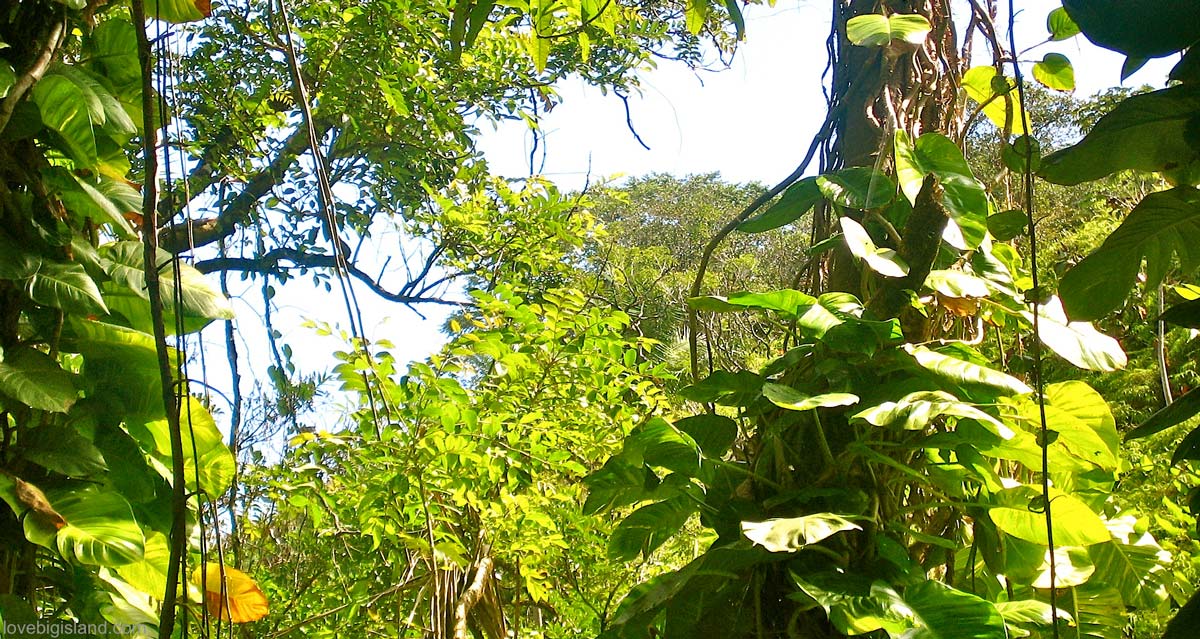
Highway 19 is scenic for the whole 40 miles, with the Pepeʻekeo Scenic Drive as the highlight.
Good to know: you can explore everything listed on this page on a day-long scenic drive. We suggest a GPS guide such as the North Island Jungle Adventure Loop from Shaka Guides.
Pepeʻekeo Scenic Drive
Start the day on the Pepeʻekeo Scenic Drive, a 4-mile detour off Highway 19 a few minutes north of Hilo (our scenic drives guide lists the other scenic drives on the island). It is signed as the “old road through old Hawaiʻi,” : the lane runs through former cane fields, passes under jungle canopy, and crosses creeks below small waterfalls, all at a pace that takes about half an hour.
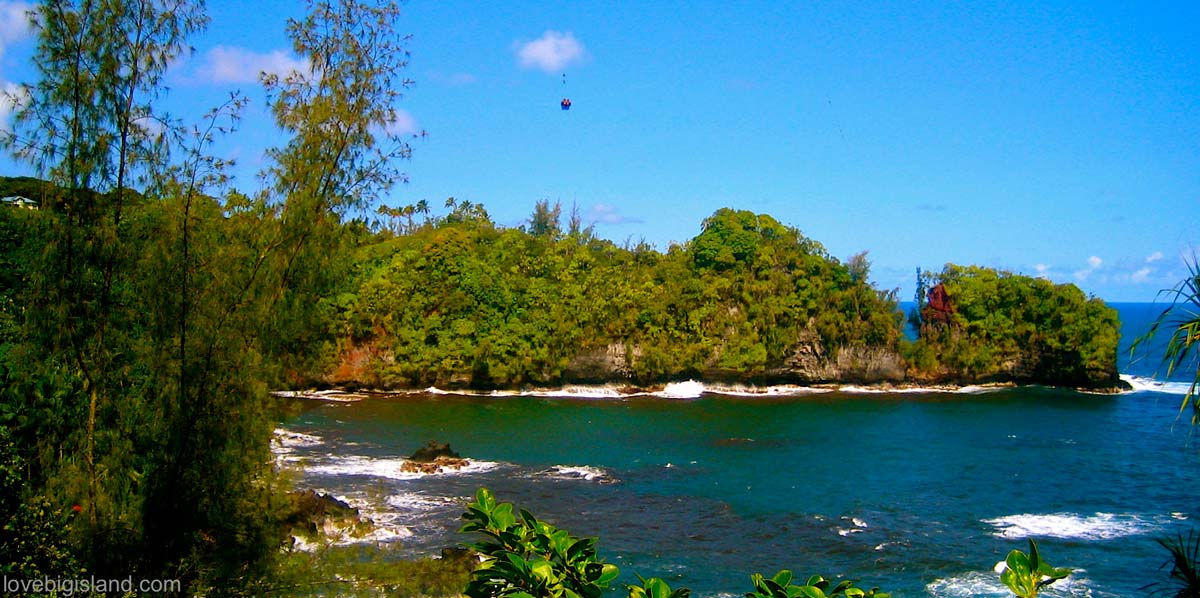
The view over Onomea Bay and the collapsed sea arch as seen from the Onomea scenic drive
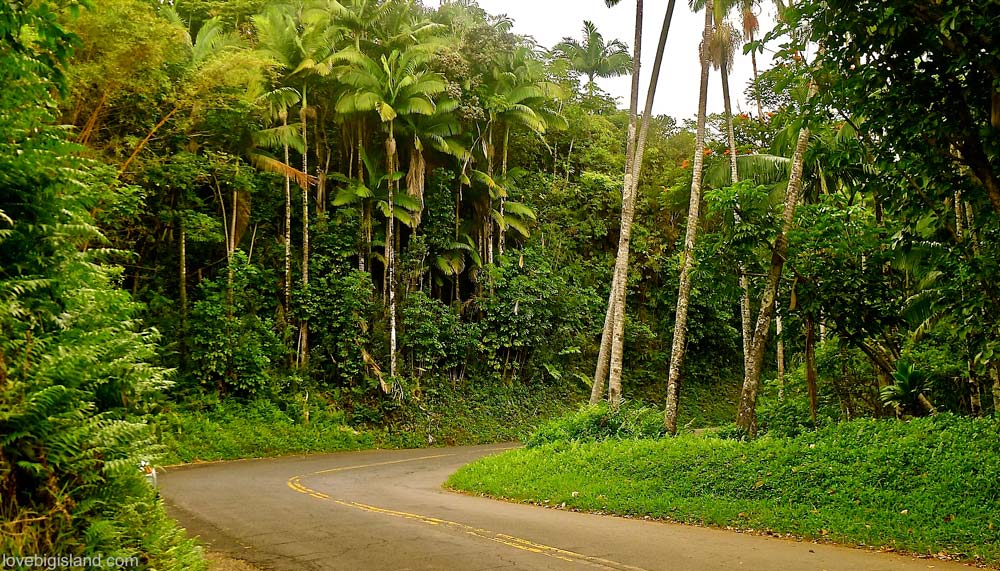
Pepeʻekeo scenic drive. Slow down and take in the views.
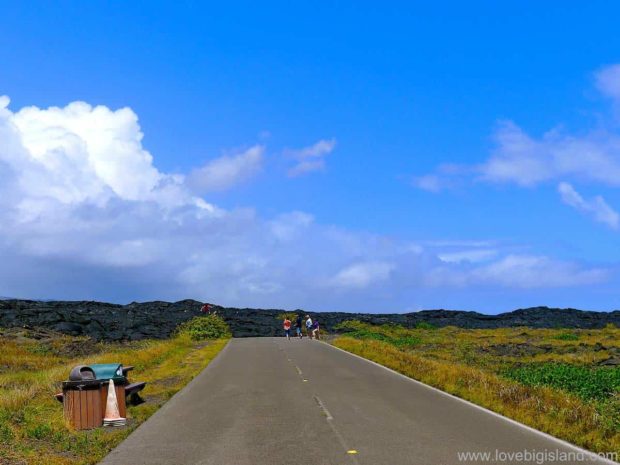
The Best Scenic Drives on the Big Island of Hawaiʻi
A coastal road through Puna, a lava-flow dead end in the park, and a 12-mile coffee country loop: five scenic drives on the Big Island worth your time.
Gardens and Waterfalls
The Hawaiʻi Tropical Bioreserve & Garden sits at Onomea Bay, about 8.5 miles north of Hilo right off the Pepeʻekeo Scenic Drive. Its rainforest trails wind past streams and waterfalls through more than 2,500 plant species packed into a 20-acre valley. The loop drops toward the shoreline and climbs back.
The Hāmākua Coast has several other botanical gardens; our botanical gardens guide lists them.
A little farther north, ʻAkaka Falls drops 442 feet in a single plunge. A short paved trail off the main road reaches them through rainforest thick with giant ferns, ginger, and bamboo groves.
If you want more than one waterfall, see our 5 favorite waterfalls on the Big Island.
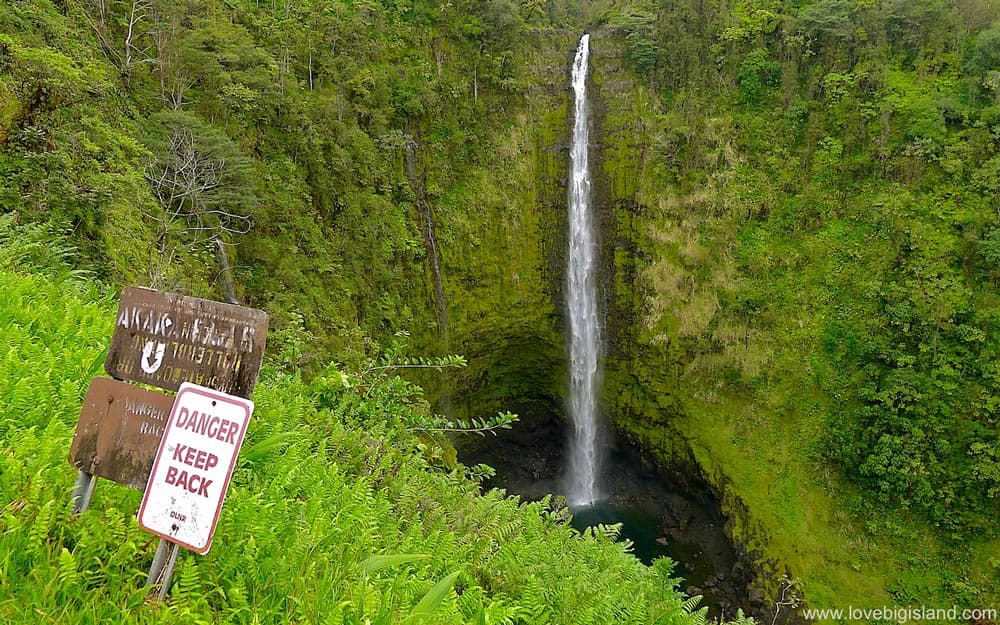
The 442 ft tall ʻAkaka Falls on the Big Island of Hawaiʻi are a pleasant stop on your way to or from Hilo
Some miles up, viewing the multi-tiered Umauma Falls costs $10 per adult. The falls are pleasant, but the view rarely justifies the fee on its own. The view is included if you book one of the zipline, kayak, or river-swim tours run from the same property. As you drive farther up the Hāmākua Coast, more stops worth the time include:
- The Kalōpā State Recreation Area, with an easy 0.7-mile round-trip family nature hike in a native ʻōhiʻa forest at 2,000-foot elevation [state park page].
- The charmingly odd, old-fashioned former sugar town of Honokaʻa. Tex Drive Inn here makes our favorite malasadas on the island, one of our favorite foods of the Big Island . The Mauna Kea Tea farm, with tea tastings and farm tours, is also close.
- Laupāhoehoe Point Beach Park has wide ocean views and a tsunami memorial. A monument there marks the 20 students and four teachers killed by the April 1, 1946 tsunami. There is also a Train Museum in Laupāhoehoe.
Waipiʻo Valley
Waipiʻo Valley is the last stop at the north end of the Hāmākua Coast, and you can no longer simply drive into it. Once the political and religious center of ancient Hawaiian culture, the “valley of kings” housed thousands of people; today fewer than 100 live among its waterfalls, taro fields, and black-sand beach.
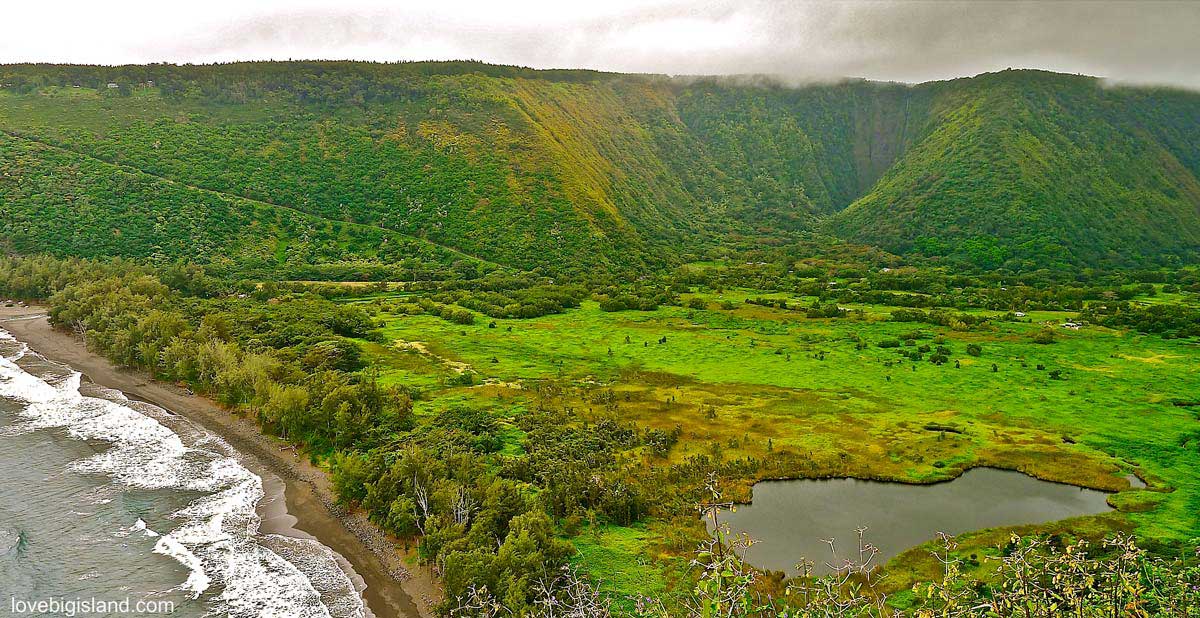
Overview of Waipiʻo Valley from the opposite side. You can see the steep Waipiʻo Valley access road, the black-sand beach, and taro fields.
Since a county emergency order in September 2022, Waipiʻo Valley Road has been closed to the general public, and that restriction has been renewed repeatedly through 2025. Only Big Island residents, county-permitted tour operators, and Native Hawaiian practitioners may travel down the road. For everyone else, the legal options are the free Waipiʻo Valley Lookout at the top, which still gives you the full view over the valley, or a permitted shuttle or tour. Do not plan to drive or hike down on your own, and check the current status before you go.
Waipiʻo Valley
Cliffs nearly a thousand feet high wall in a valley floor of waterfalls and taro, with a black-sand beach at the mouth. With the road closed, few visitors reach the valley floor.