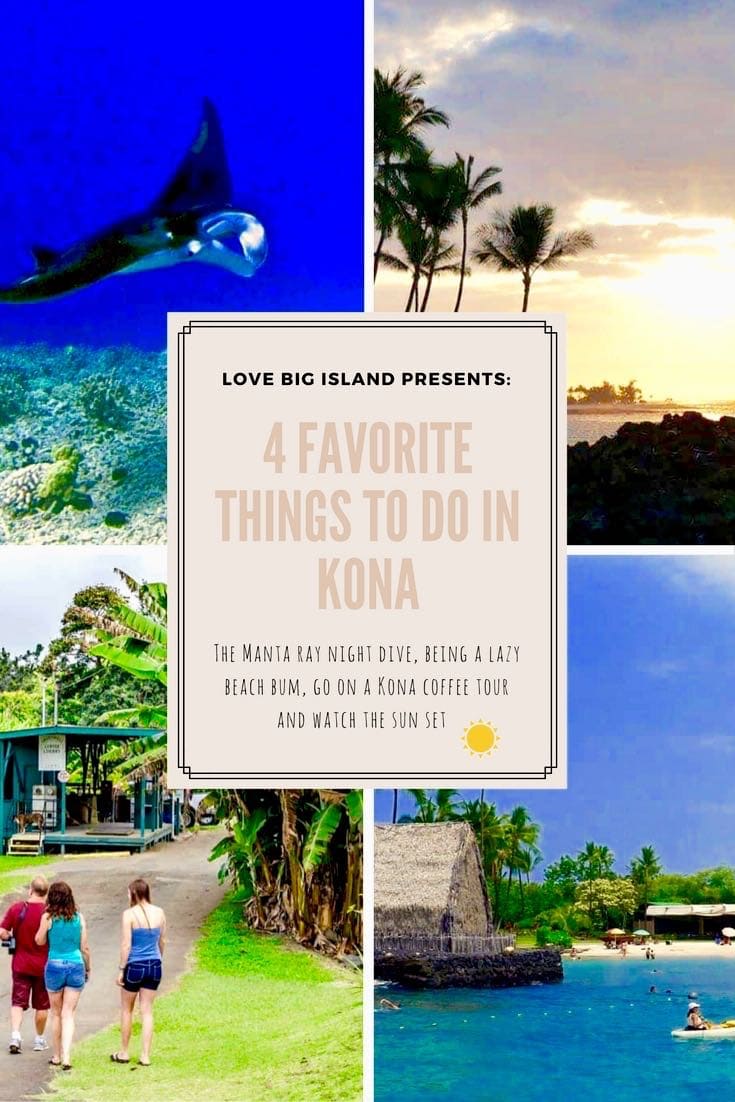
Plan the rest of your Kona days around the manta ray night dive. Rays with 12-to-15-foot wingspans glide up to feed in lights set just below the surface, and you can join as a snorkeler with almost no experience. It runs after dark and gets cancelled in rough water, so leave a second evening free in case yours is called off. The rest of Kona’s short list is beaches, coffee farms, snorkel coves, and sunsets.
This page is for travelers giving Kona a couple of days inside a wider Big Island plan. The snorkel spots worth the drive sit within an hour south of the pier, so you can get through the short list in a single day without backtracking.
Table of contents
Prices and details below last verified June 2026.
| Name | Time to set aside | Cost | Best for | Where |
|---|---|---|---|---|
| 1Snorkeling (Details ↓) | A few hours | Free; gear rental about $10 to $20 a day | Reef and turtles, all levels | Kahaluʻu, Kealakekua, Two Step |
| 2Kona coffee farm tour (Details ↓) | 30 to 60 minutes | Many free; paid tours $35 to $50 | Coffee lovers; a break up mauka | Hwy 11, Kailua-Kona to Captain Cook |
| 3Manta ray night dive (Details ↓) | 2 to 3 hours, after dark | From about $99 snorkel, $130+ dive | Top pick for first-timers | Keauhou Bay or Honokōhau Harbor |
| 4Kona beaches (Details ↓) | Half a day | Some beaches require paid parking | Swimming and easy snorkeling | Mauna Kea, Hāpuna, King Kam |
| 5West-coast sunset (Details ↓) | About 30 minutes | Free; dinner cruise extra | Ending the day on the water | Any west-facing beach or pier |
1: Kona’s white-sand beaches
Mauna Kea (Kaunaʻoa) and Hāpuna are the two big white-sand beaches just north of town, so get to either one early. Mauna Kea is public, but the hotel controls the lot and there are only about 40 public spaces, so they go fast; you stop at the gate for a beach pass. Hāpuna is a state park with a large lot that fills on weekends, $5 per person plus $10 to park. In town, Kamakahonu (King Kam) beach is a small, calm, family-friendly spot right by the Kailua pier.
Most of the other Kona beaches have snorkeling close by, so grab a cheap set at any supermarket before you go. Many of the spots around Kailua Kona show up in our favorite snorkeling spots on the Big Island.
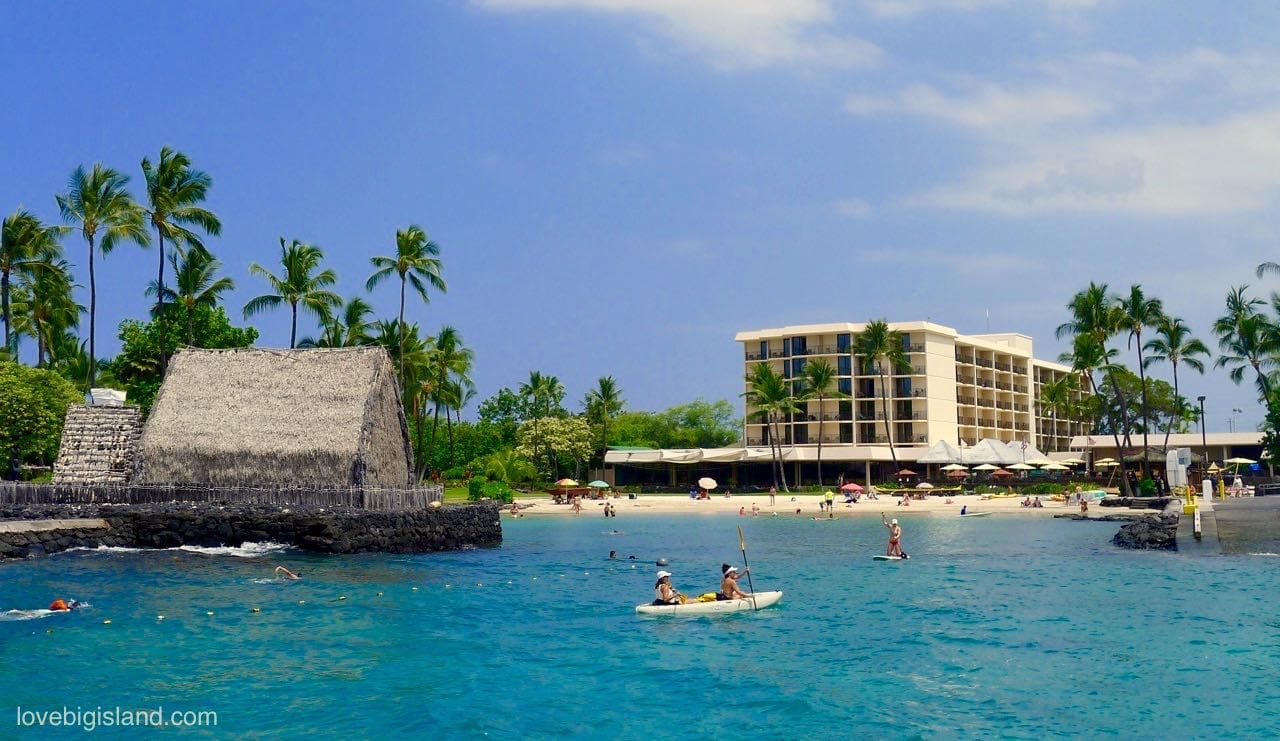
Kamakahonu (King Kam beach) is a small, family-friendly beach in Kailua-Kona
2: Tour a Kona coffee farm
Kona coffee grows mauka (inland) of town, in a narrow belt of farms strung along Highway 11 between Kailua-Kona and Captain Cook. Most farm tours are free, including reliable ones like Greenwell Farms; the paid tours run about $35 to $50 and most last 30 to 60 minutes. If a farm visit is not your thing, any cafe in town pours a fresh cup, and the scenic drive through coffee country is worth it on its own.
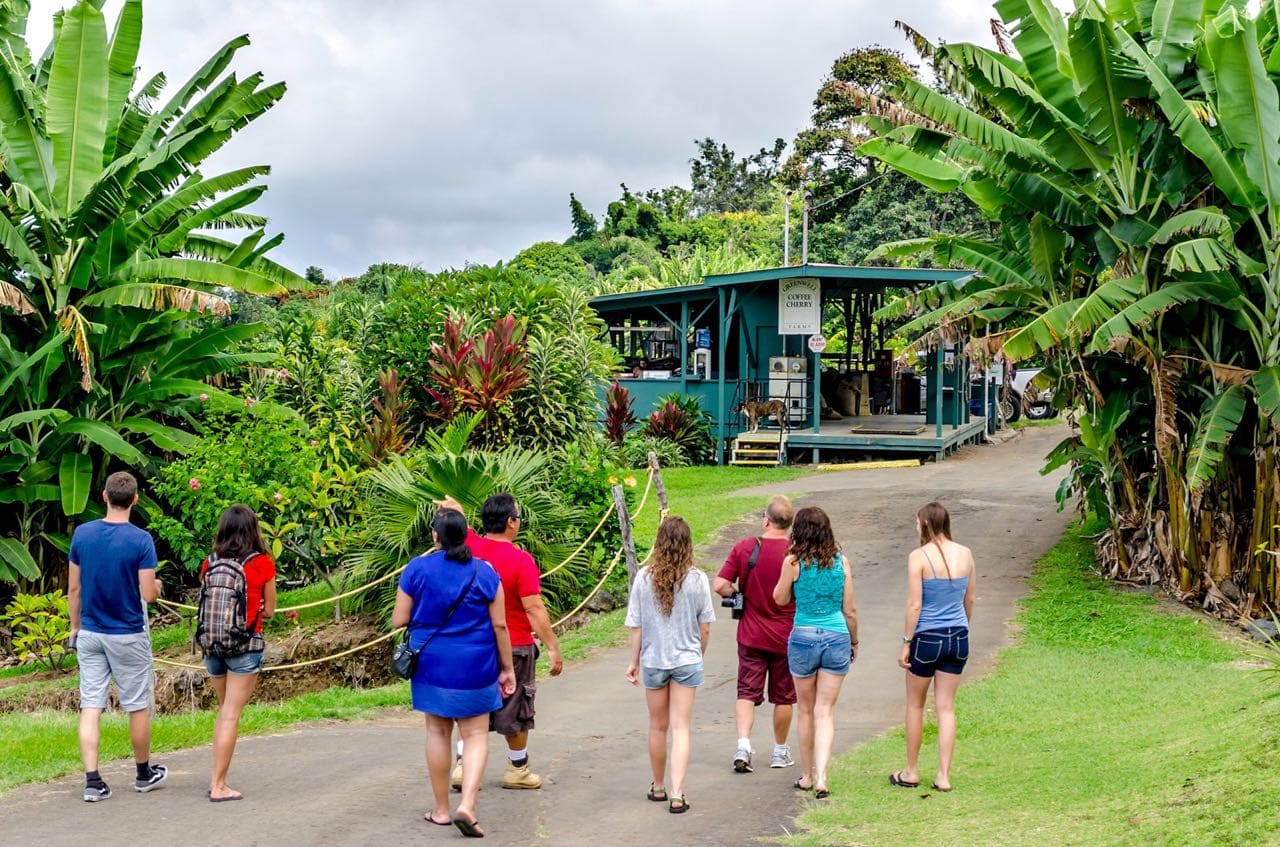
Visitors take a Kona Coffee Farm Tour at the Greenwell farm. Source: here by user horspowr1001 under a CC BY-NC 2.0 license
3: Snorkeling south of Kona
The Kona coast has the best snorkeling on the Big Island, and the three spots we rate highest all sit south of town, each under an hour’s drive: Kahaluʻu at 16 minutes, Kealakekua Bay at about 35, and Hōnaunau (Two Step) at around 45. There is also decent snorkeling right downtown off the Kailua pier.
It’s easy to rent snorkeling gear in Kona if you didn’t bring your own. For the full rundown, see our list of all snorkeling spots close to Kona.
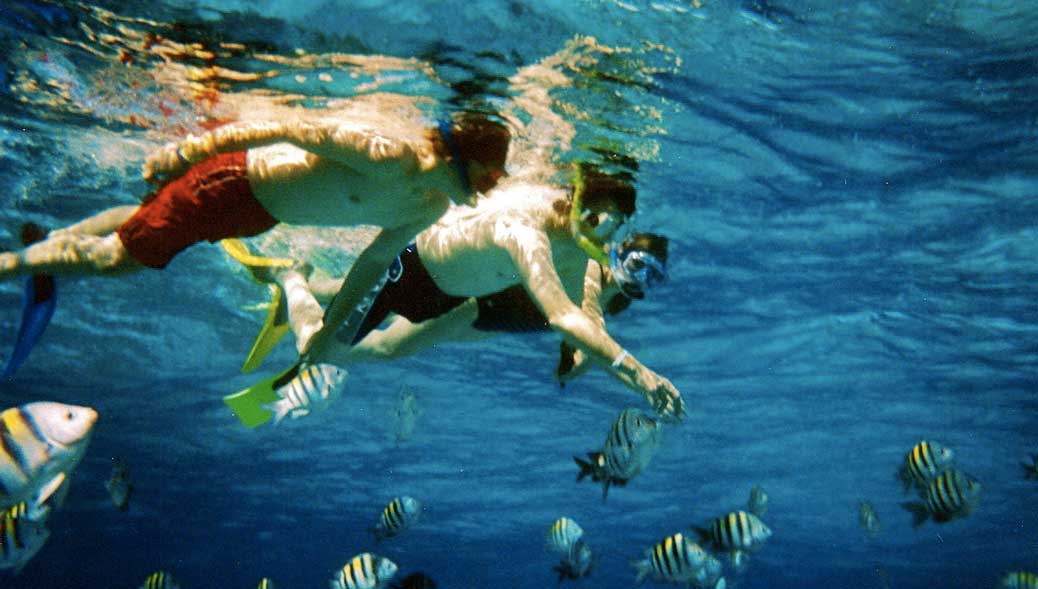
The Kona coast has some of the best snorkeling on Hawaiʻi. Image adapted from source and is licensed under the Creative Commons Attribution-Share Alike 2.0 Generic license.
4: Sunset on the Kona coast
The west-facing Kona coast is the side of the island to be on at sunset, since the sun drops straight into open ocean.
Watch it from the sand, from a seaside bar with a drink, or from the water on a sunset dinner cruise. On a clear evening, keep an eye on the horizon for the green flash as the last of the sun goes under.
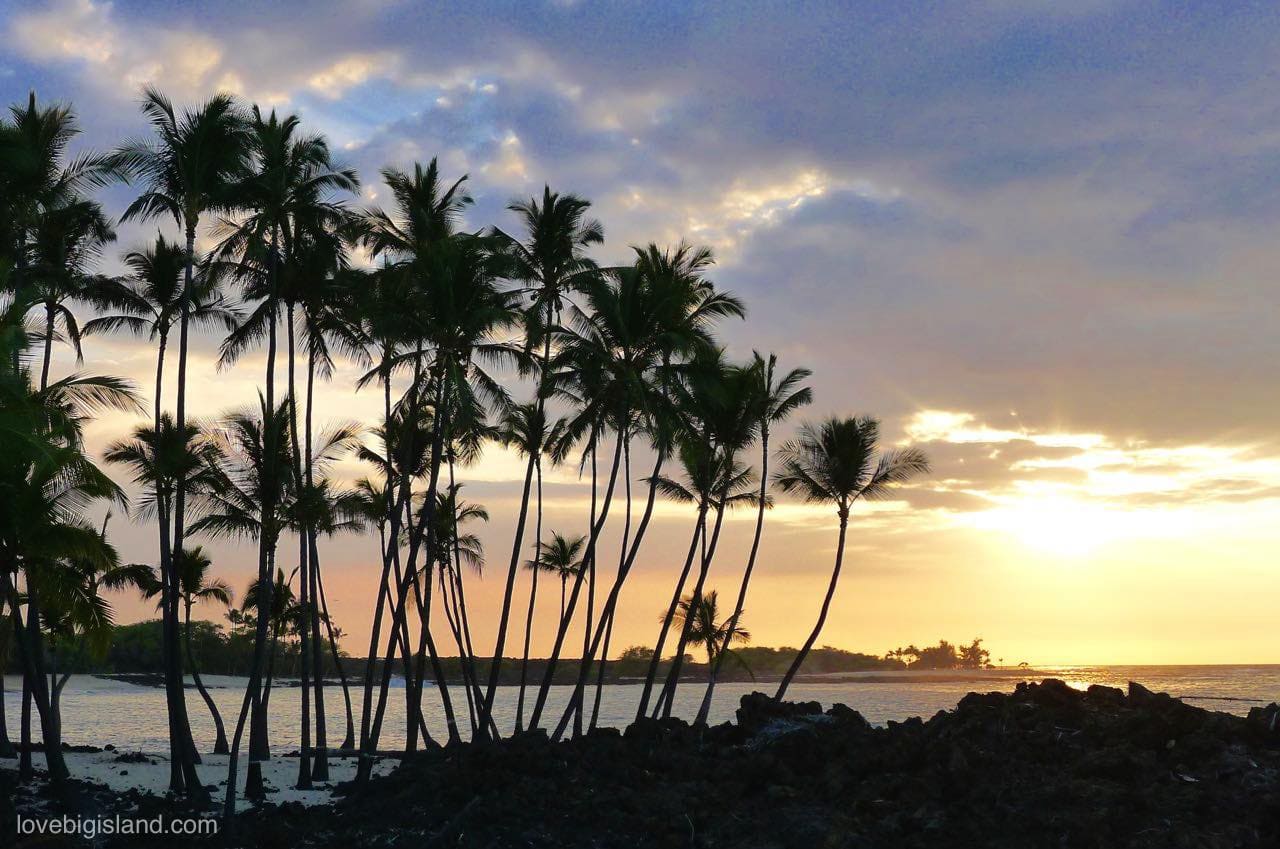
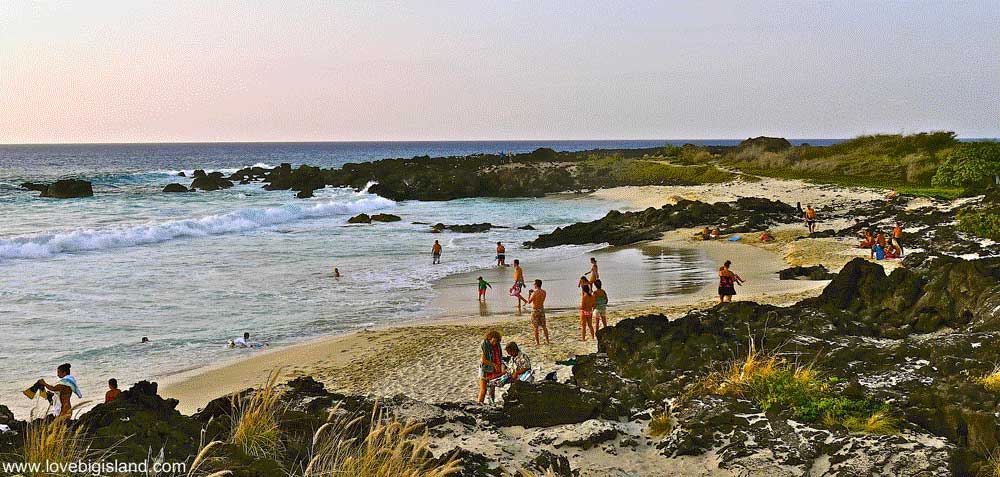
Mahaiʻula Beach is a secluded beach. It’s the southernmost of the three beaches making up Kekaha Kai State Park
5: Manta ray night dive
This is a nightly snorkel-or-dive excursion off the Kona coast, and most boats leave around sunset from Keauhou Bay or Honokōhau Harbor. Crews drop bright lights into the water, the lights pull in plankton, and the manta rays follow to feed, swooping through with their mouths open. They are harmless filter feeders with wingspans around 12 to 15 feet, and they pass close enough to touch, though the rule is hands off.
You do not need to be a scuba diver to go. Most operators run a snorkel option that needs little experience, and from the surface you still see the rays feed in the lights. Trips run one to three hours and start around $99 for the snorkel, more for the dive.
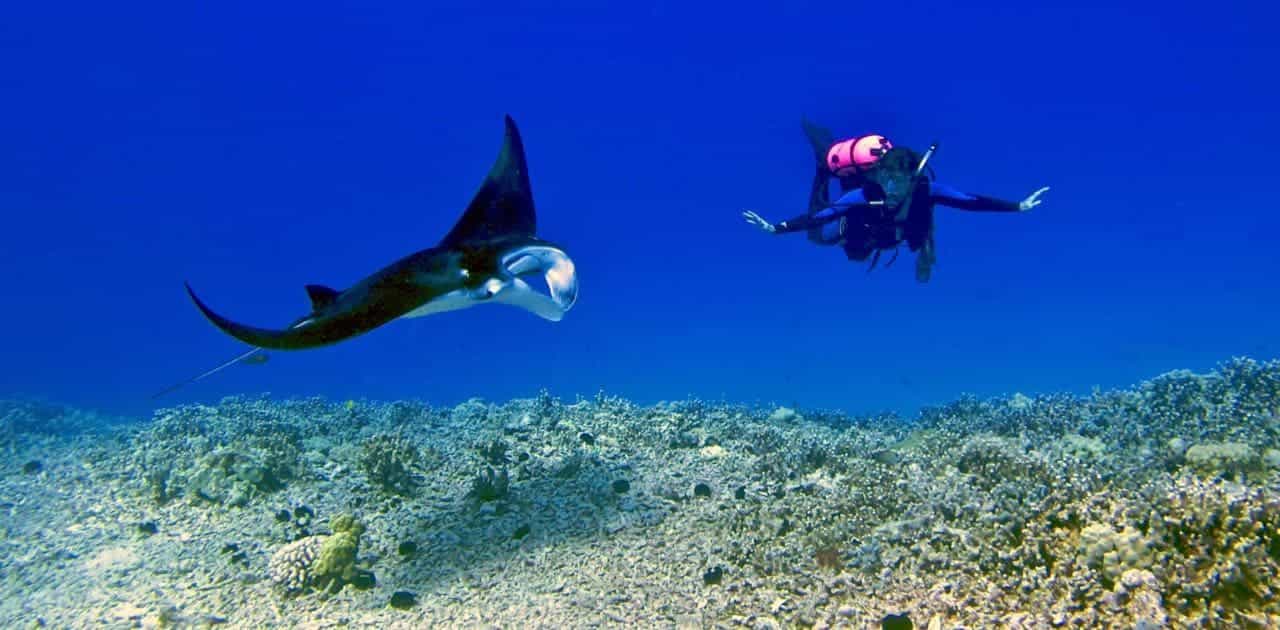
A female scuba diver swims with a young male Manta ray in the Kona district / Big Island. By Steve Dunleavy from Lake Tahoe, NV, United States – Nick and Isabelle, Kona Hawaii, CC BY 2.0, Link