
Maui has long been a favorite of visitors because it represents everything that people think of when they picture Hawaiʻi: A beautiful blend of beaches, volcanoes, palm trees, and tropical agriculture. The second-biggest island in the chain, much of Maui’s appeal comes from its natural landscape and biodiversity, including its two massive volcanoes, whale watching and marine ecosystems, and remote, undeveloped parts of its island, like Hana.
Maui combines aspects of O‘ahu and the Big Island to find a happy medium between its cultural, culinary, hotel, and outdoor options. It lacks a late-night, big city like Honolulu – which is considered a good thing by many people – but offers an array of small, scattered beach towns with a variety of food, drink, lodging, and entertainment options. It’s not as big or diverse in terrain as the Big Island, but its infamous 10,000-foot volcano, Haleakalā, has more than you could possibly explore in a single visit.
Table of contents
Good to know: We recommend that you spend at least 5 days on Maui, but more days are always better (see for example our 8-day itinerary for Maui).
Maui vs. O‘ahu, Kauaʻi, and the Big Island
If you are planning on visiting more than one island while on Hawaiʻi you should definitely have a look at our Maui vs. O‘ahu, Maui vs. Kauaʻi, and Maui vs. the Big Island comparisons, in which we give highlights for each island and compare the local activities, the volcanoes, the night life, the beaches, and the natural variety. You can learn more about things to do on Maui in our lists of Maui water activities and Maui land activities.
Maui is part of Maui Nui
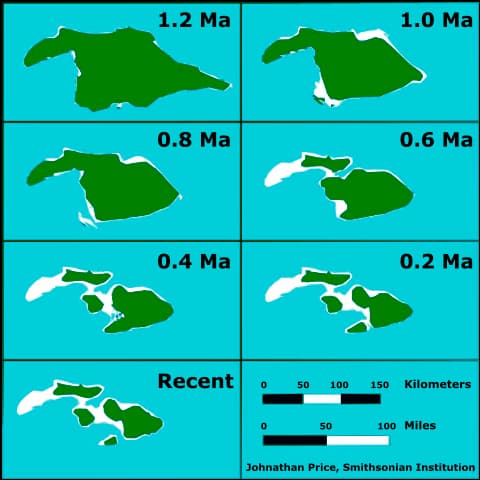
Maui Nui used to be one island 1.2 million years ago (top left), and now exists of 4 islands (bottom left). Credit: HVO (public domain)
Nui means “great/large” in the Hawaiian language, and Maui Nui (or Greater Maui), is the name given by geologists to the landmass of 7(!) shield volcanoes that once used to form one BIG island. At its largest point 1.2 million years ago Maui Nui probably had a maximum size of about 11,000 square km (6,200 square miles), some 4,000 square km (2,150 square miles) larger than present-day Hawaiʻi island!
Much of Maui Nui sunk below the water level through a million years of erosion and submergence, and now exists of four islands: Maui, Molokaʻi, Lānaʻi, and Kahoʻolawe.
You can read more about the becoming of Maui Nui in this interesting Volcano Watch article.
Destinations on Maui
Unlike O‘ahu, where the majority of visitors are concentrated in one location (Waikiki), Maui spreads the love around its island to a number of small towns and mini-destinations. Below is an overview of the main districts on Maui to help you get a better sense of the island.
- Kahului/Central Maui
- Kihei/Wailea and the South Shore
- Lahaina, Kaanapali, and the West Side
- Hana and the East Side
- Paia and the North Shore
- Haleakalā and Upcountry Maui
1: Kahului/Central Maui
If there’s a “main hub” of Maui, it would be Kahului. It’s where you’ll find the airport and thus, it’s where everyone starts their journey upon arrival. Filled with big box stores and strip malls, Kahului has whatever you’re looking for in terms of practical needs – i.e. Walmart – but there’s not much to entice visitors to its streets otherwise.
Adjacent to Kahului is the budding town of Wailuku, located at the mouth of the famous Iao Valley (see below). It’s a nice contrast to the commercial feel of Kahului. Along Market Street in Wailuku you will find small mom and pop type stores, coffee shops, and restaurants. A great time to explore is during the First Friday art and cultural celebrations that take place every month.
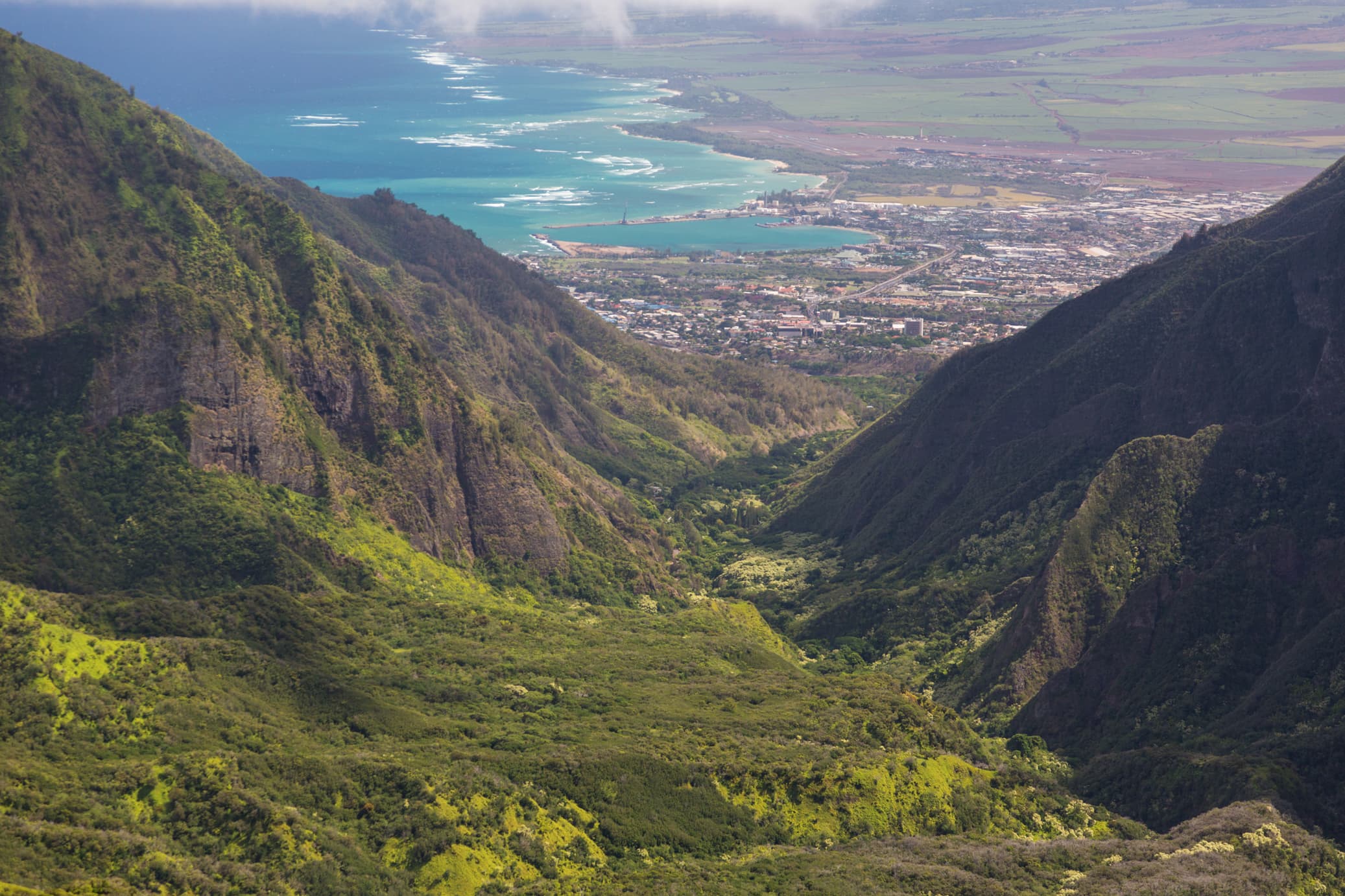
Kahului as seen from Iao Valley, two popular destinations in central Maui. Image credit: Hawaii Tourism Authority (HTA) / Tor Johnson
Otherwise, the majority of Central Maui is taken up by agricultural fields. Sugar cane once dominated these lands – it was the major cash crop in Hawaiʻi since the mid-19th century – but the last plantation closed down at the end of 2016. Today, the future of these fields is still in flux. Should they grow local produce, or plant another cash crop?
2: Kihei/Wailea and the South Shore
The two main hubs on the south shore are Kihei and Wailea, and there’s a big difference between their setups and vibes.
Located in the center of the south shore, Kihei is one of the largest, most-dense residential communities on Maui. It was built for locals first, with a strong community feel and neighborhood-style, no-frills beach parks, such as Mai Poina. Its location in the bottom-center of the island makes it an attractive basecamp, with direct access to the west side, lots of activities, Haleakalā, and central Maui.
Wailea, on the other hand, is located near the end of the road on the extreme southern end of the island. Developed mostly for high-end luxury living, including resorts, hotels, and condos, it’s home to renowned hotels like the Grand Wailea, the Four Seasons Maui, and the Wailea Beach Resort. Though the end-of-the-road location is not convenient as a launching point, there are many beautiful beaches and natural areas to see in this part of the island, including Makena Beach, Ulua Beach, Keawakapu Beach, and La Perouse Bay.
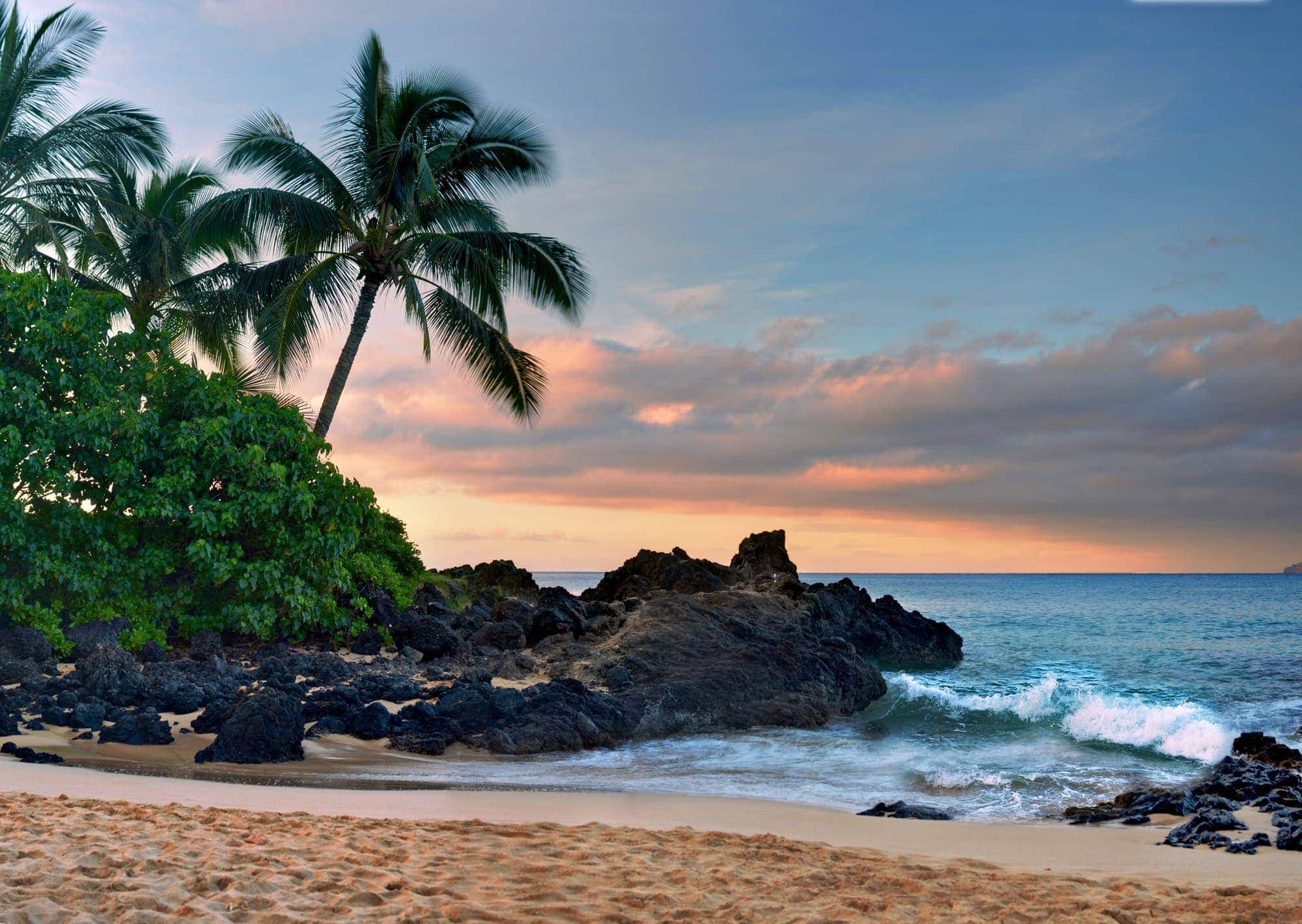
Makena Beach is one of the many beautiful beaches on Maui’s South Shore. Image credit: Daniel Parks, source.
The south shore is also home to Maalaea Harbor, where many tour operators are based, and the Maui Ocean Center, a discovery center for the underwater world that surrounds the island.
3: Lahaina, Kaanapali, and the West Side
If you’re looking for the “Waikiki” of Maui – that is, a place where there’s an abundance of restaurants, bars, shops, hotels, activities, and beaches – then Lahaina is the place you want to stay. From famous celebrity-backed restaurants like Fleetwood’s to small, locally run hangouts like Kohola Brewery, there’s a little bit of everything in Lahaina.
Though it is an entertainment and tourism hub today (see our list of best things to do in Lahaina), Lahaina does have a storied history. It was the capital of the newly-united Hawaiian Islands from 1820 to 1845, and it then became the epicenter of the whaling industry in the mid-19th century. During this time, hundreds of ships from all over the world would make port in Lahaina each year.
Today, there are many museums and cultural sites that capture segments of this history. Check out the Lahaina Heritage Museum (Hawaiian history), the Baldwin Museum (missionary history), the Wo Hing Museum (Chinese immigration), and Banyan Tree Court Park, home to one of the largest banyan trees in the United States, more than 150 years old and expanding nearly 0.7 with 16 trunks.
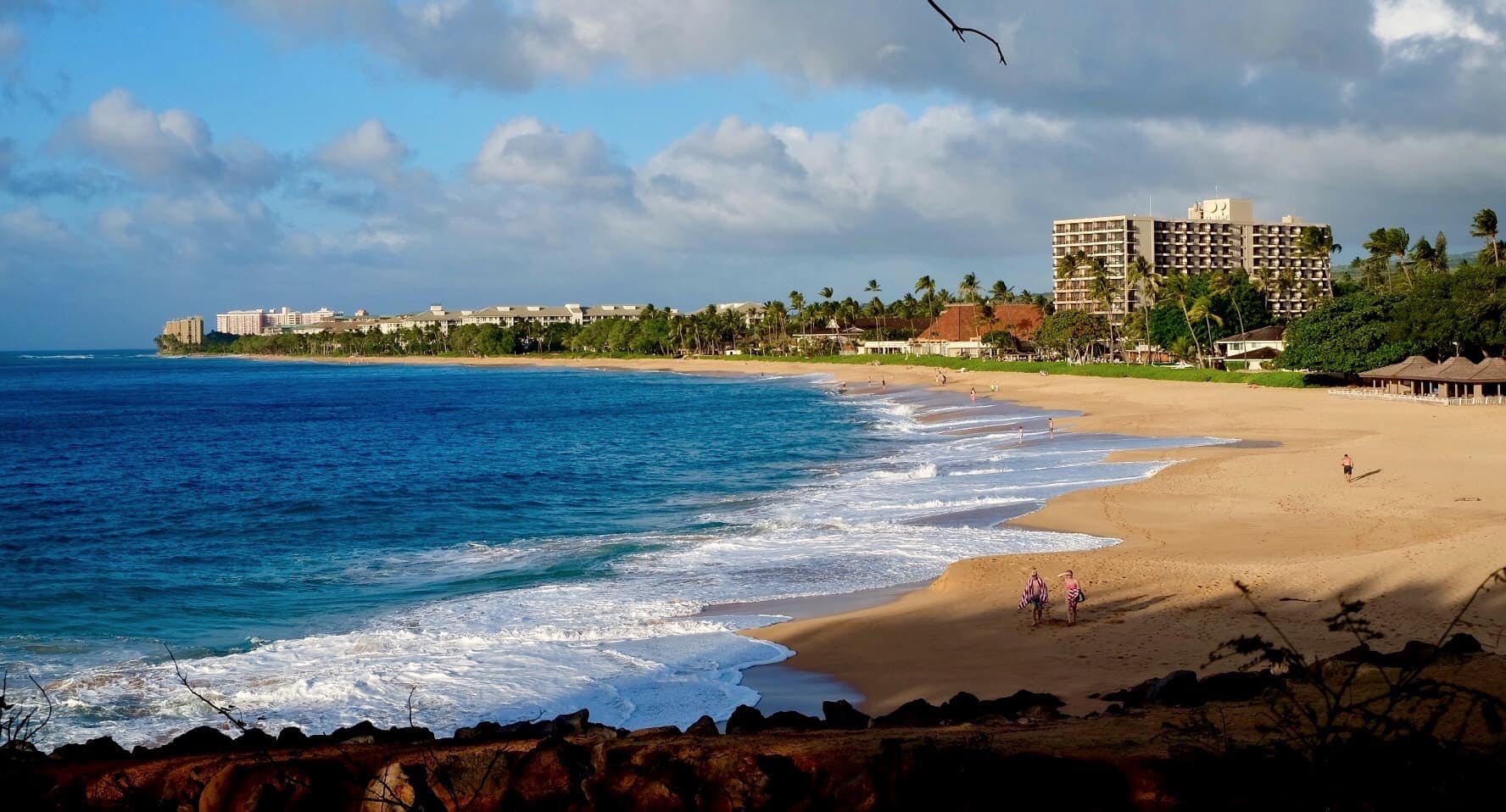
Once you get to the miles of long white-sand beaches fronting Kāʻanapali, it’s difficult to leave! Image credit: Jeffery Simpson, source.
Just north of Lahaina is Kāʻanapali. Here, you will find a string of beach resorts that goes on for miles, housing many of Maui’s visitors. The reason the resorts are all built here will become obvious once you arrive. The long, white-sand beach is idyllic, with views of Lānaʻi and Molokaʻi offshore, as well as a perfect view of the sunset. Tranquil in nature, Kaanapali is the preferred homebase for many of Maui’s visitors.
4: Hana and the East Side
Accessing the east side of Maui is one of the greatest pilgrimages in all the Hawaiian Islands. Covered by expansive rainforest, cascading waterfalls, farm stands, and small communities, Maui’s east side is a world away from the busy streets of Lahaina. Accessed by a small two-lane road that’s loaded with curves, waterfalls, and vistas, the east side’s main hub, Hana, is by no means a secret – see The Road to Hana below – but thanks to the dedication of residents, it has remained an authentic, local place that reminds one of the “old Hawaiʻi.”
The east side of Maui is an adventurer’s paradise. Besides lesser-visited beach parks like Waiʻānapanapa State Park (black sand) and Koki Beach Park (red sand), there are many other outdoor interests, including the Kipahulu section of Haleakalā National Park, Wailua Falls, the Pipiwai Trail (bamboo forest), and the Pools of Oheo.
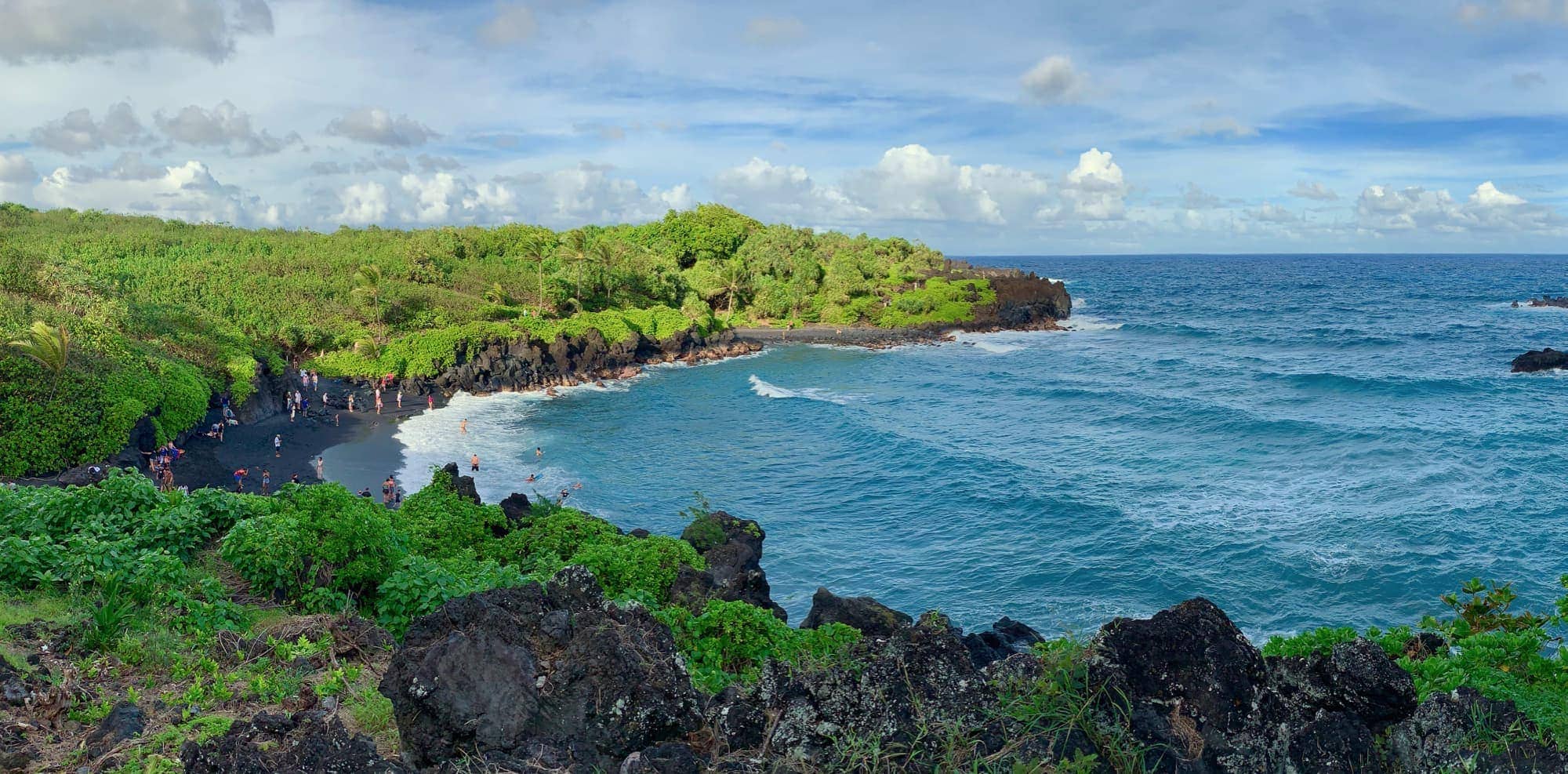
The volcanic black sand beach in the Waiʻanapanapa State Park black sand beach is one of the many “must stop” attractions along the Road to Hana. Image credit: Anita Gould, source.
Most lodging options in Hana take the form of small inns. The area’s one resort, the Hana Maui resort, has drawn wide praise for its simple luxury, laid-back vibe, and combination of ocean and rural views.
5: Paia and the North Shore
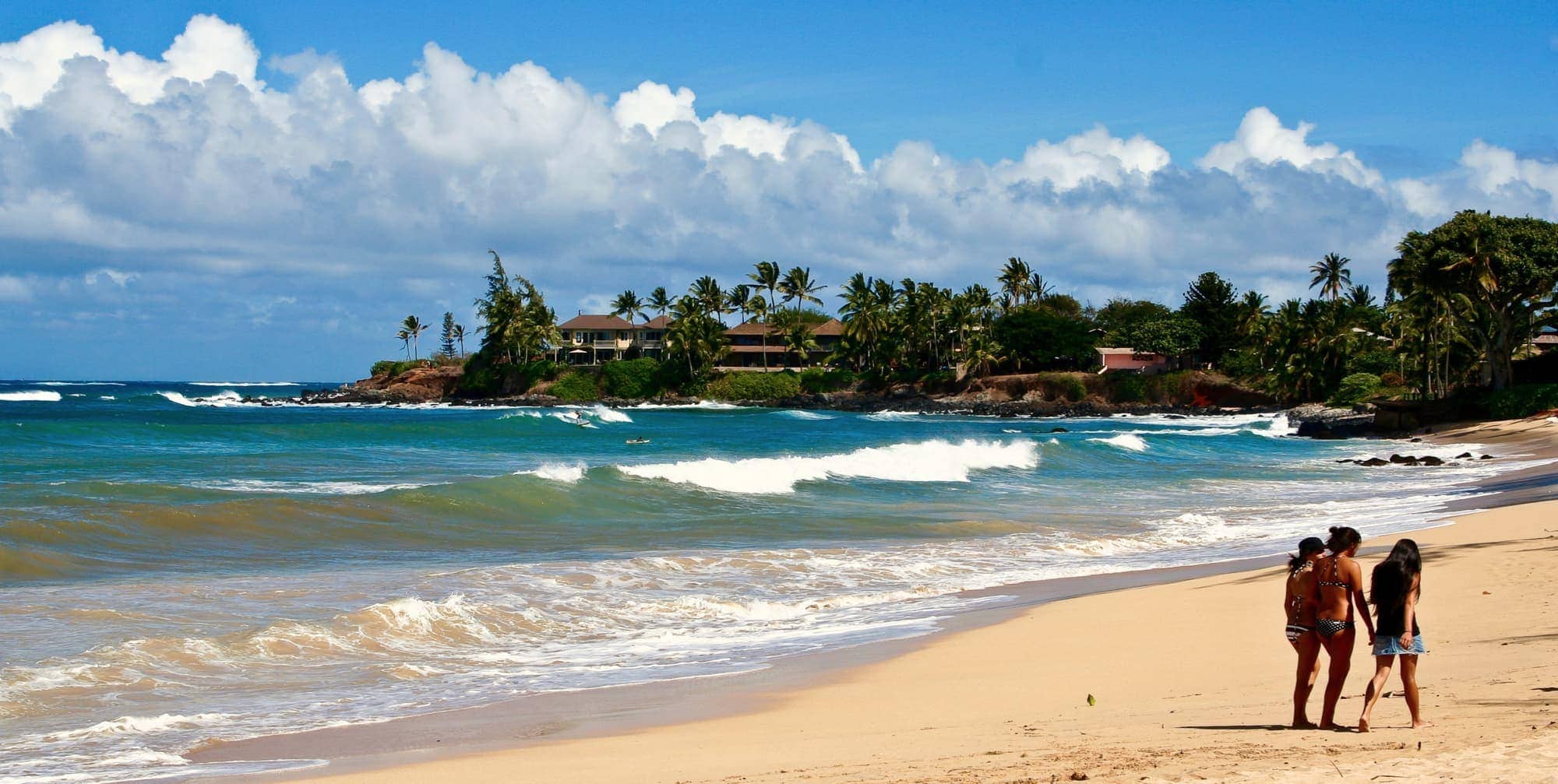
When people talk about the North Shore of Maui, they are generally referring to the area surrounding Paia. The town has grown in recent years to accommodate modern tourism, but it still maintains a lot of its old, hippie, relaxed vibes. Take a walk through its downtown to enjoy the pastel colors, small boutique shops, and bohemian surf culture.
Paia’s local beach is the white-sand Baldwin Beach, and just up the road is Hoʻokipa, beloved for its surfing, turtles, and cliffside vistas. If you like seafood, you’re in the right place. Local-favorite Paia Fish Market is famous for its seafood plate lunches, and nearby Mama’s Fishhouse is considered one of the best restaurants on Maui.
6: Haleakalā and Upcountry Maui
Haleakalā, translated as “The House of the Sun,” is Maui’s largest volcano, reaching an altitude of more than 10,000 feet within Haleakalā National Park. Driving to its summit is a popular day trip for visitors, where biking, hiking (Sliding Sands Trail), and island views showcase its beauty. Watching the sunrise is a very popular activity, as is stargazing at night.
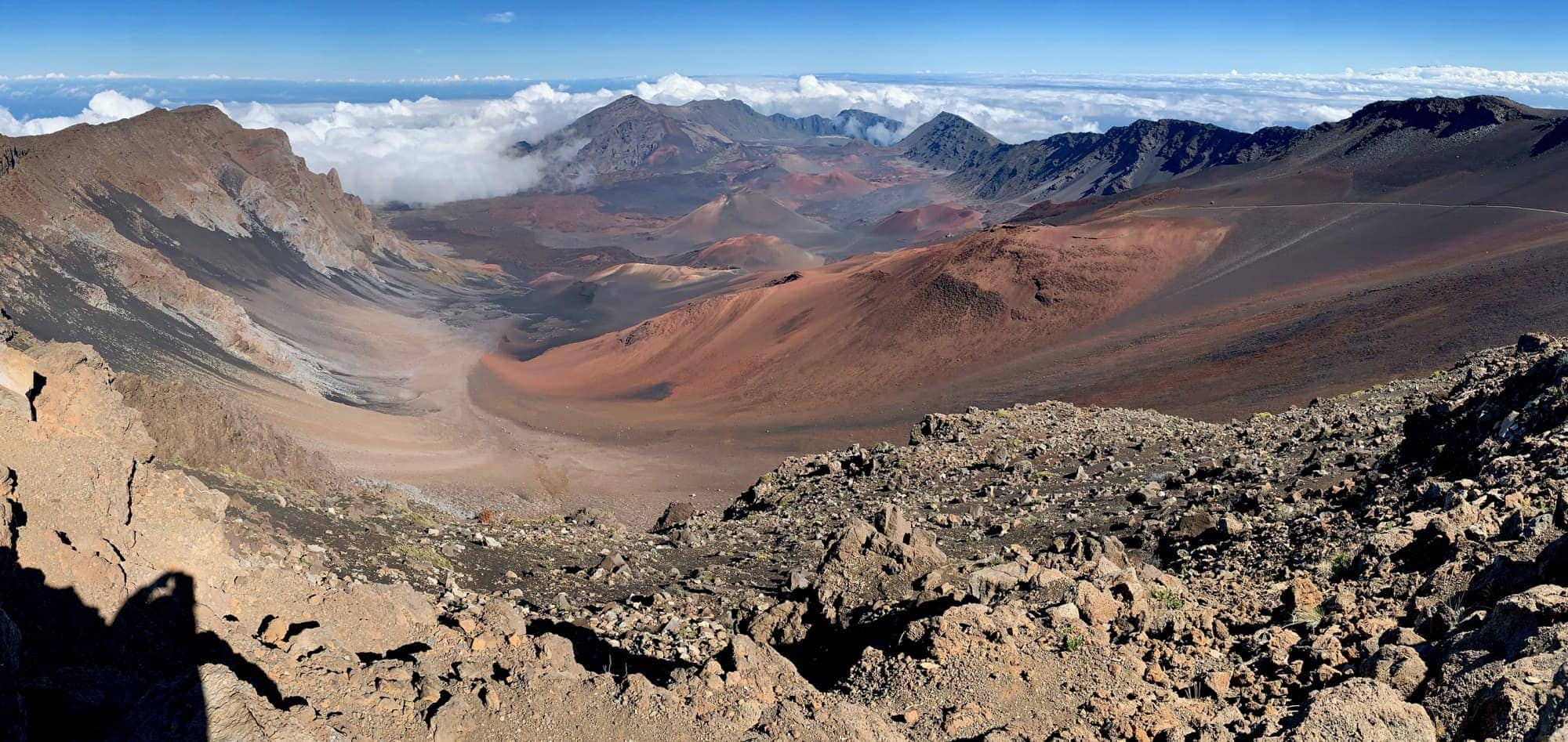
Panorama of the Haleakalā summit crater. Image credit: Anita Gould, source.
One of the more unique sections of Maui is the collection of “up-country” communities found on the slopes of Haleakalā below its summit – that is, the belt of small farms that occupies the hillsides of Haleakalā volcano. The town of Kula, for example, is a good place to take a farm tour (lavender, coffee, pineapple, protea), visit a distillery, and check out a winery. The views from this part of the island are unforgettable, and it offers a different perspective and a different way of Hawaiʻi life. Temperatures can be cooler at these altitudes, so be sure to bring appropriate clothing.
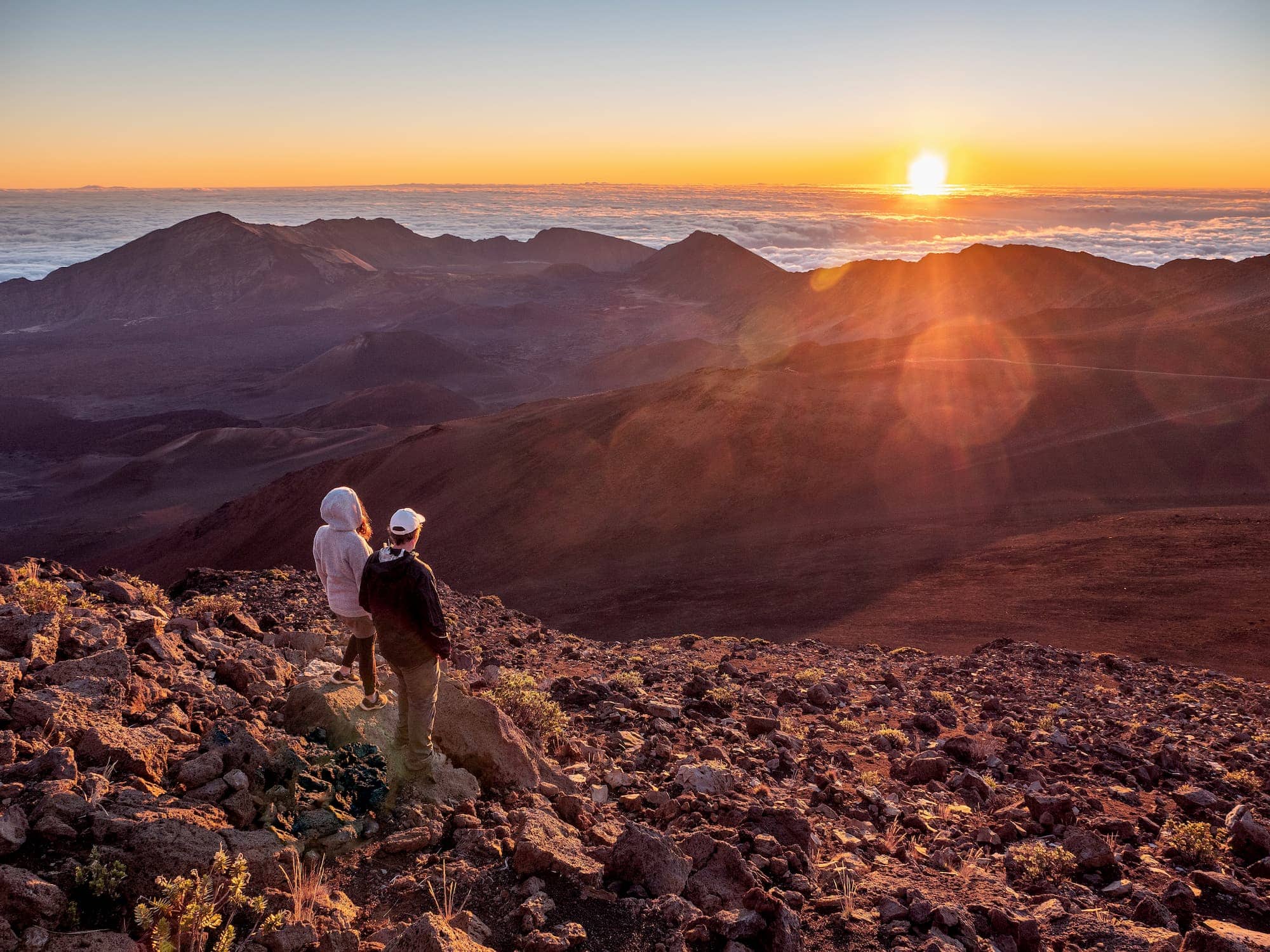
Seeing the sunrise from the Haleakalā Summit. Image credit: James Wheeler, source.
Things to do on Maui
There are enough activities that can be enjoyed on Maui to keep you busy for more than a month. However, if you only have a few days to spend here, these are the five most iconic things to do:
- The Road to Hana
- Hiking in the Haleakalā Crater
- A Beach Day at Kaanapali
- Visit Iao Valley
- Whale Watching, Snorkeling, and the Offshore Islands
Interested in more than highlights? Check out our list of 20 sights and destinations on Maui that includes our favorite activities for the following categories: most popular / outdoors / kids / history / scenic spots / hidden gems.
1: The Road to Hana
This scenic drive has become one of the most heralded experiences in all of Hawaiʻi. Typically, the journey begins on the North Shore of Maui, where a two-lane road (the Hana Highway) winds its way 50-some miles through more than 600 curves and across nearly 60 bridges to the town of Hana. Though the drive is not far as the crow flies, the journey is very dense, with many things to see along the way, including cascading waterfalls, ocean views, short hikes, and small farm stands.
Interested? have a look at our complete Road to Hana guide to learn more about how to best plan your road trip yourself.
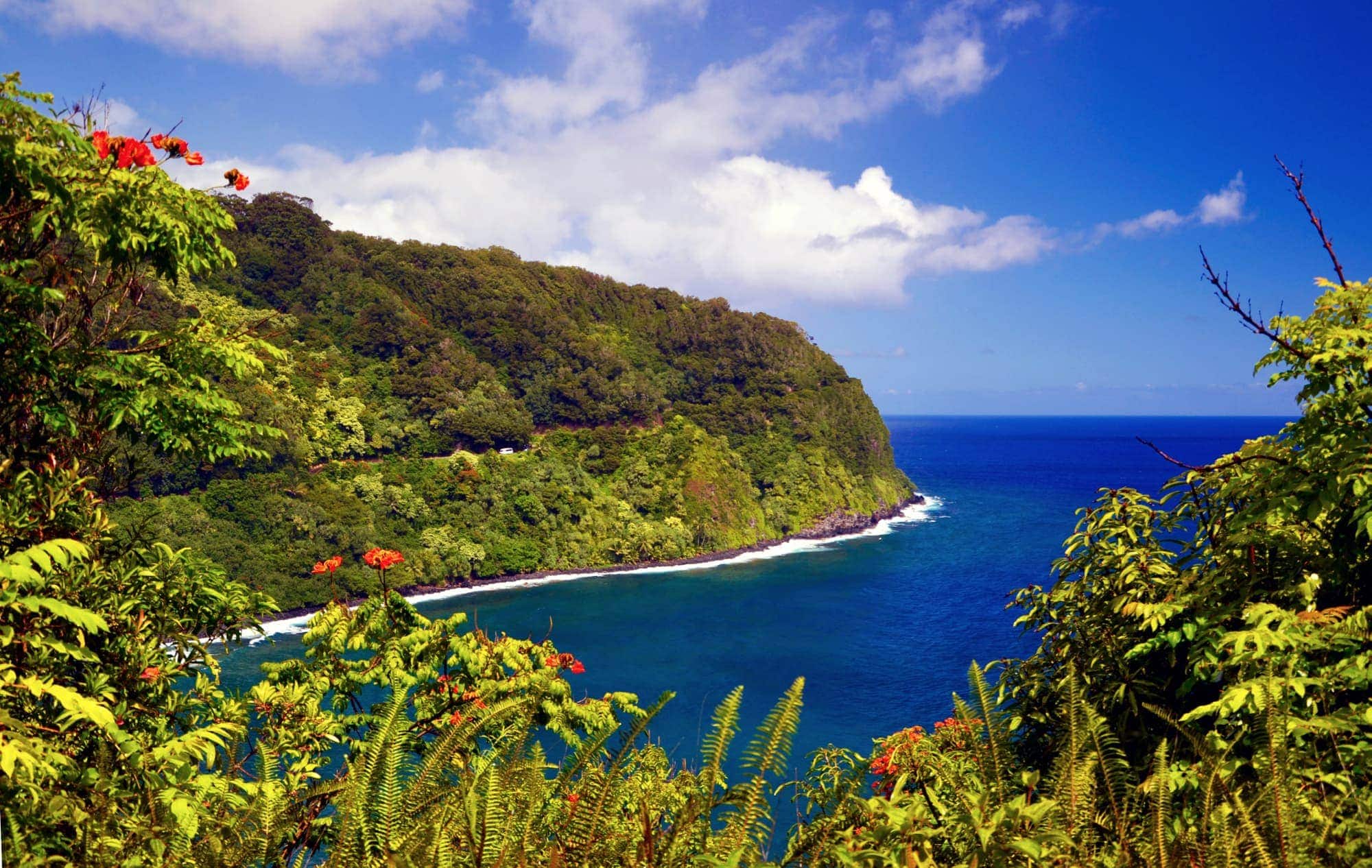
The scenic Road to Hana is the undisputed number one attraction on Maui. Image credit: Benoit de Chastenet, source.
Tip: Though Hana is the destination, the experience is all about the drive and the journey to get there. The amount stuff to see along the way can be overwhelming, so be sure to do plenty of research beforehand to make the most of your time.
See the following video for some good tips on how to prepare for your roadtrip to Hana:

2: Hiking in the Haleakalā Crater
Haleakalā is Maui’s largest volcano and an icon of the Hawaiian Islands. At or around the summit crater, which sits at more than 10,000 feet within Haleakalā National Park, are several hiking trails that allow you to explore its vast terrain. There are small walks to check out, such as the Pa Kaʻoao Trail and the Leleiwi Overlook, as well as longer, more advanced hikes, like the Sliding Sands Trail.
There are many other things to do in the park, such are stargazing, seeing the sunrise/sunset, going camping, or taking a long scenic drive. Find out more about visiting in our complete guide to visiting the Haleakalā National Park.
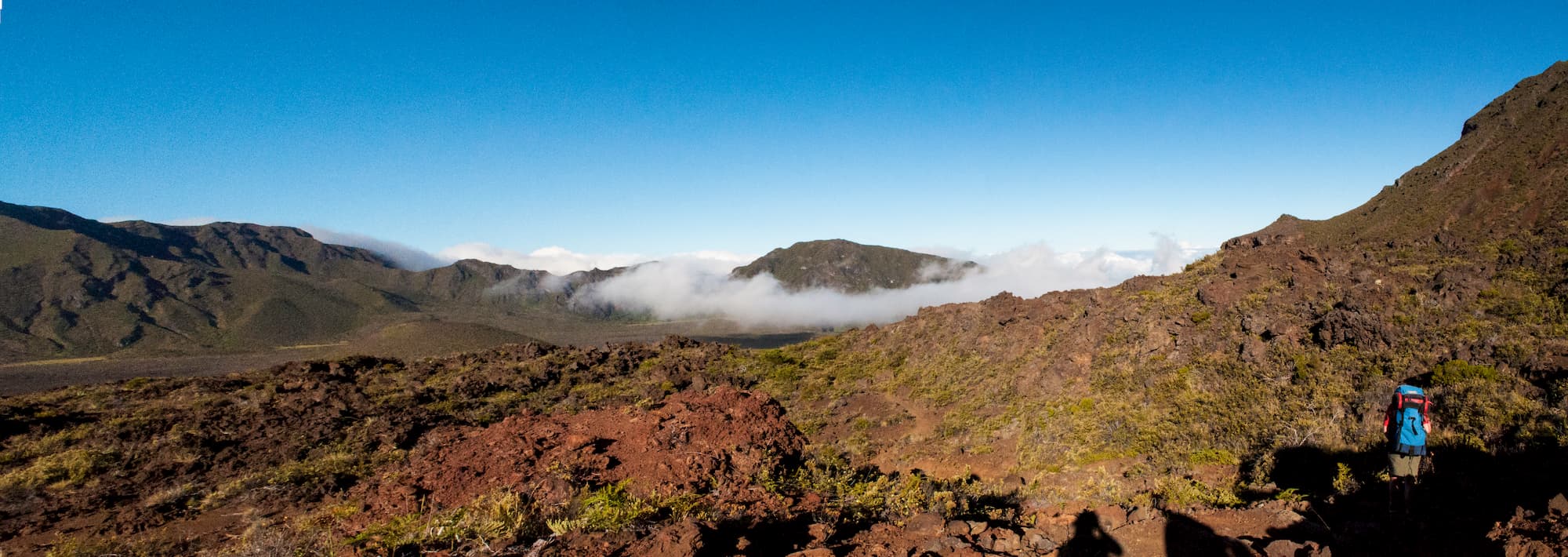
Hiking is one of the best ways to really appreciate the Haleakalā Volcano. Image credit: Ryo Yamaguchi, source.
3: Beach Day at Kaanapali
Boasting incredible views of Molokaʻi and Lānaʻi, Kaanapali Beach has that “sit in the sand all day” kind of vibe. Backed by tranquil resorts, the three-mile beach offers waterfront dining, walking paths, shopping, and activity centers for renting snorkel gear, kayaks, and more.
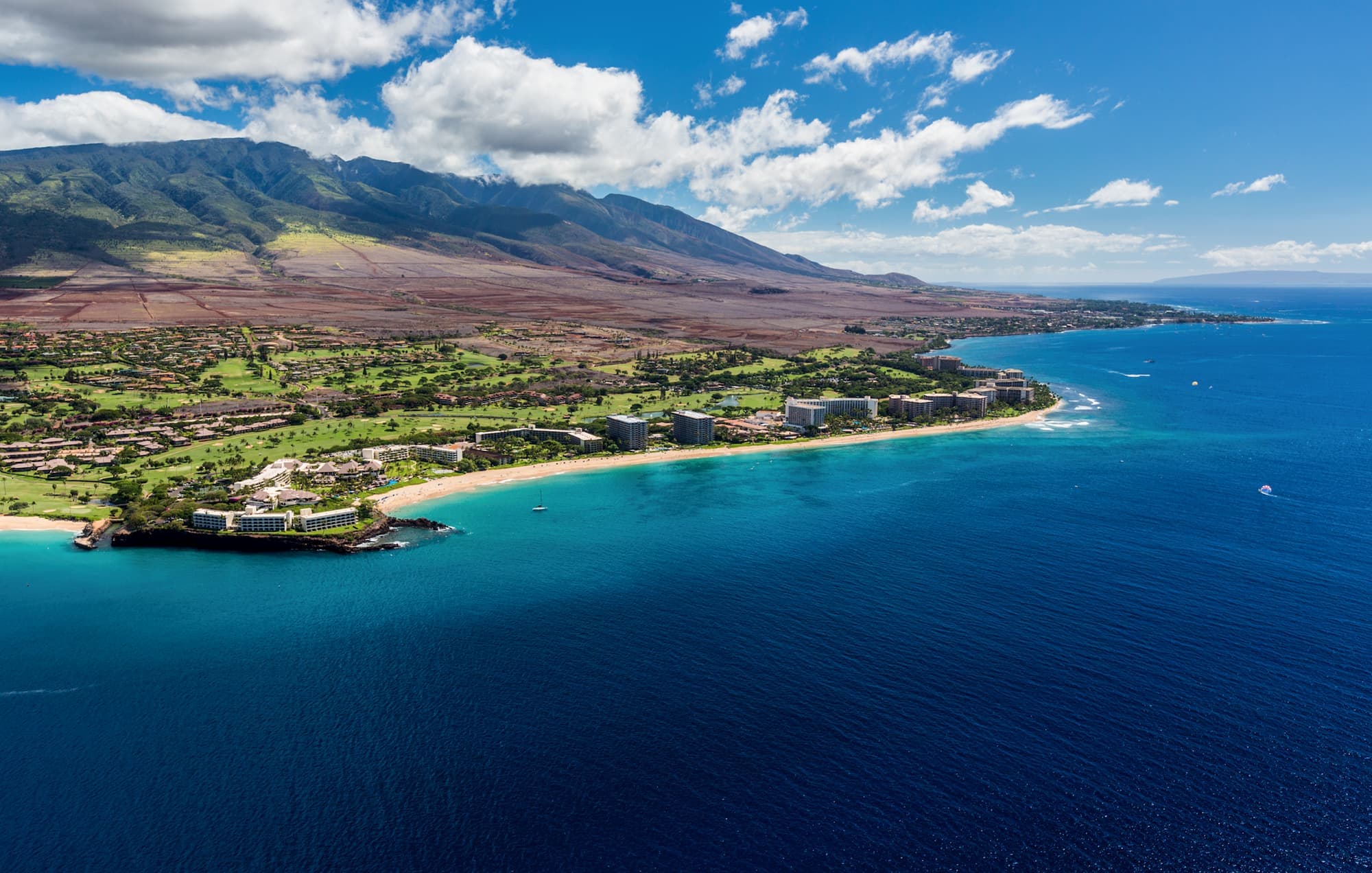
Take your pick: there are 3 miles of gorgeous white sand beaches fronting Kaanapali. Image credit: Hawaii Tourism Authority (HTA) / Tor Johnson
4: Iao Valley
Located in the West Maui Mountains, Iao Valley is famous for its iconic, 1,200-foot Iao Needle rock formation and narrow, lush valley. Walking paths, gardens, and river access make this a favorite of both locals and visitors.
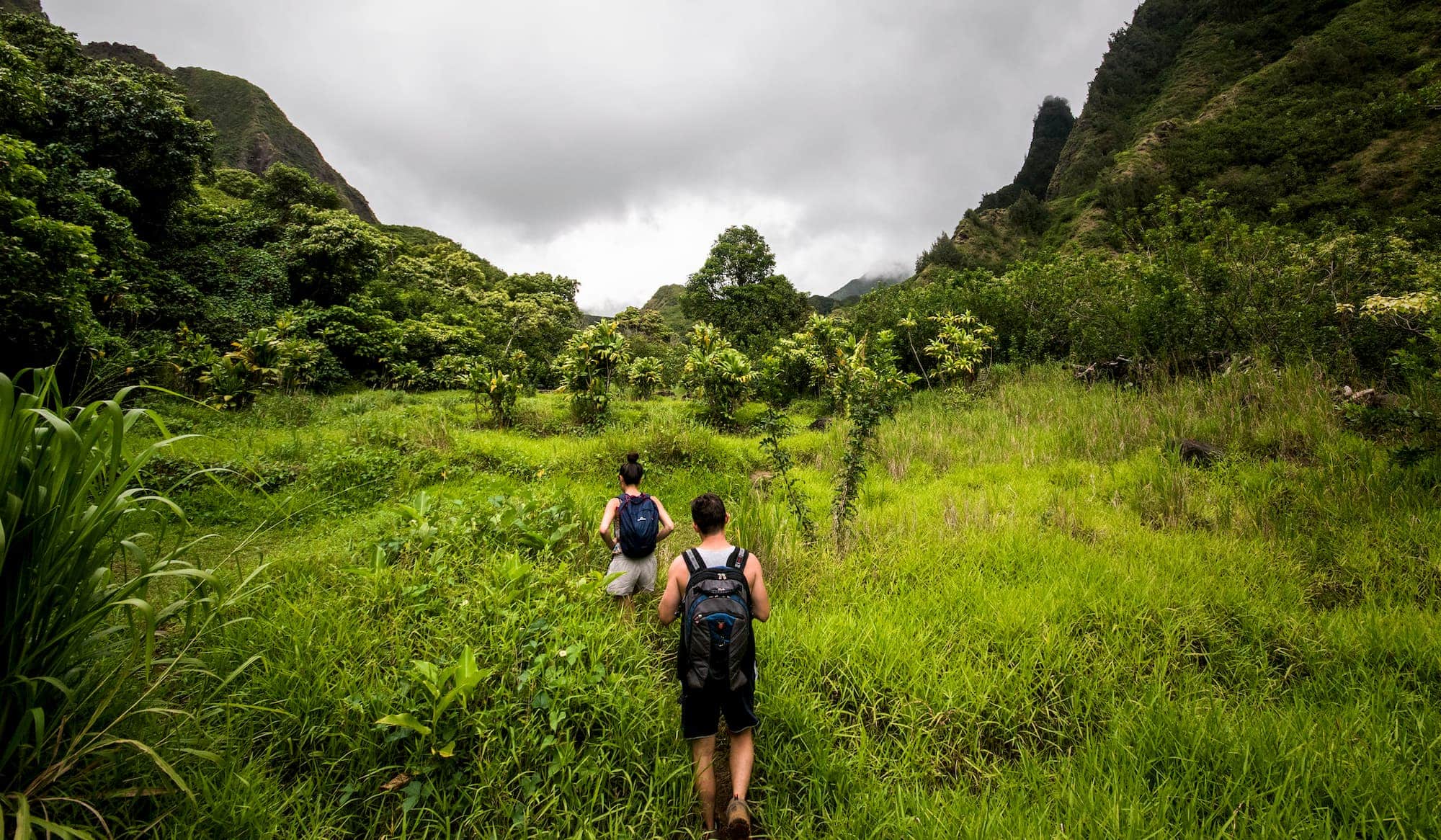
The Iao Valley Trail takes you through a beautiful narrow and lush valley. Image credit: Xavier Lafarge, source.
It’s hard to tell today because of its beauty, but Iao Valley was the site of one of the bloodiest battles in Hawaiian history in 1790, when King Kamehameha conquered the island of Maui. Signs posted at different lookouts provide information about the valley’s storied past.
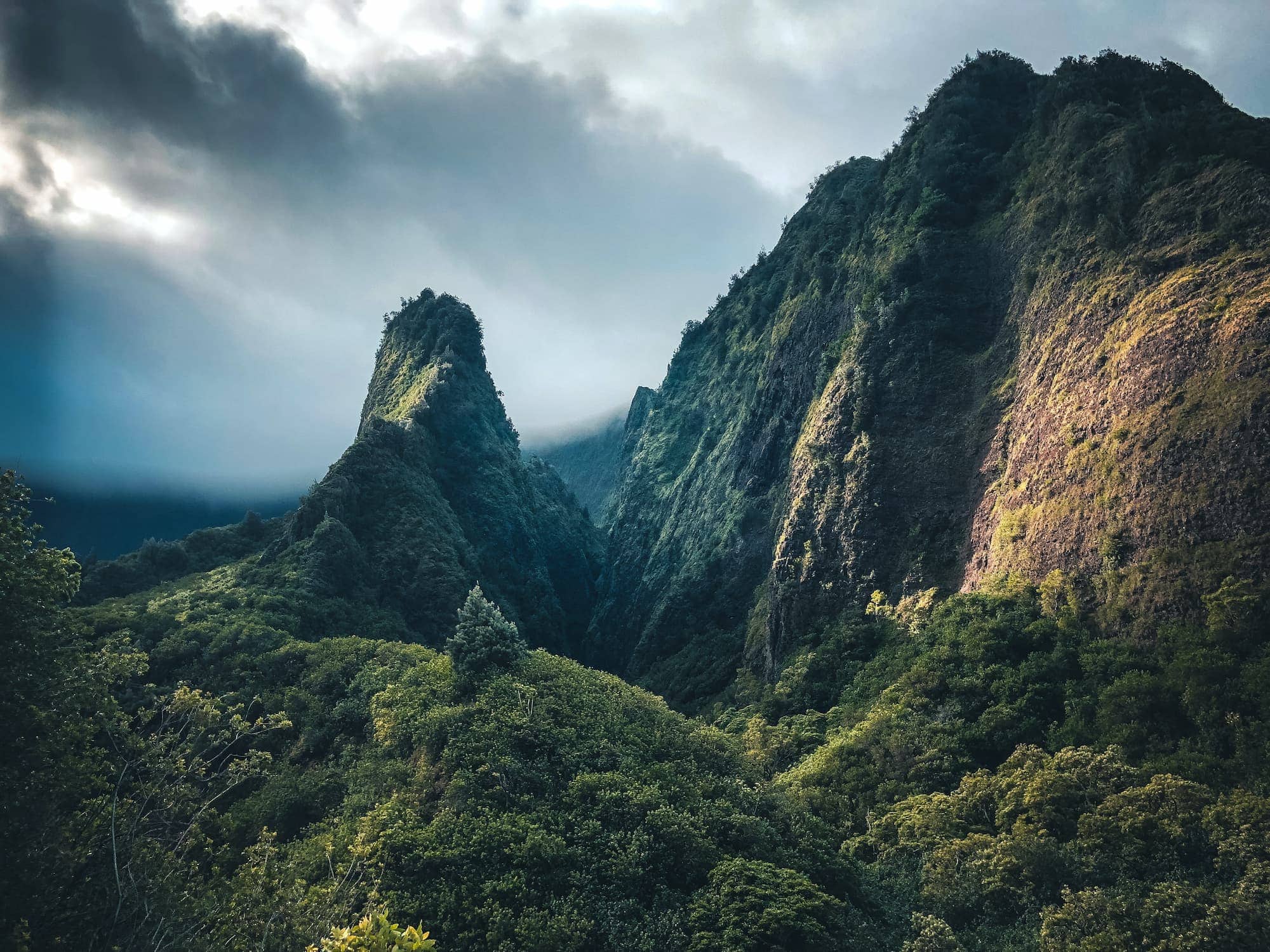
Iao Valley is famous for its iconic, 1,200-foot Iao Needle rock formation and narrow, lush valley. Photo by Vladyslav Cherkasenko on Unsplash
Reservations are required for out-of-state residents and can be made here. If you are traveling during high season it’s best to plan and reserve ahead. Out of high season same-day reservations are often possible.
5: Whale Watching, Snorkeling, and Offshore Islands
Every year from November to March, about 10,000 humpback whales migrate to Hawaiʻi from Alaska to give birth. Just offshore of Maui is the Auau Channel, whose shallow waters provide an ideal nesting ground and, thus, a great opportunity for whale watching. Easily visible from Lahaina, Kihei, Kananapali, and Wailea, the whales can be seen performing a variety of behaviors, including breaching (jumping), spy hopping, and pec slapping. Getting out on an environmentally approved whale watching tour is an absolute must.
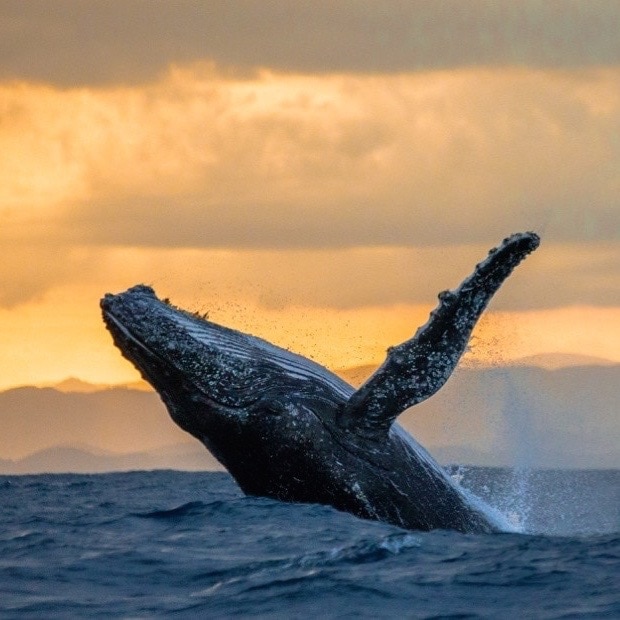
Saltwater Sail With the Whales on Maui
Maui is the place to see humpback whales! Set sail in the Hawaiian tradewinds and join the Captain and Crew in keeping a look out for humpback whales
from:
$90
What is a suggested tour?Our suggested tours are hand-picked tours that receive consistent good reviews, give back to the community, and work hard to minimize their impact on the environment. Read more about these tours on our website.Whale Trust Maui provides a useful guide to selecting the right tour that suits your needs.
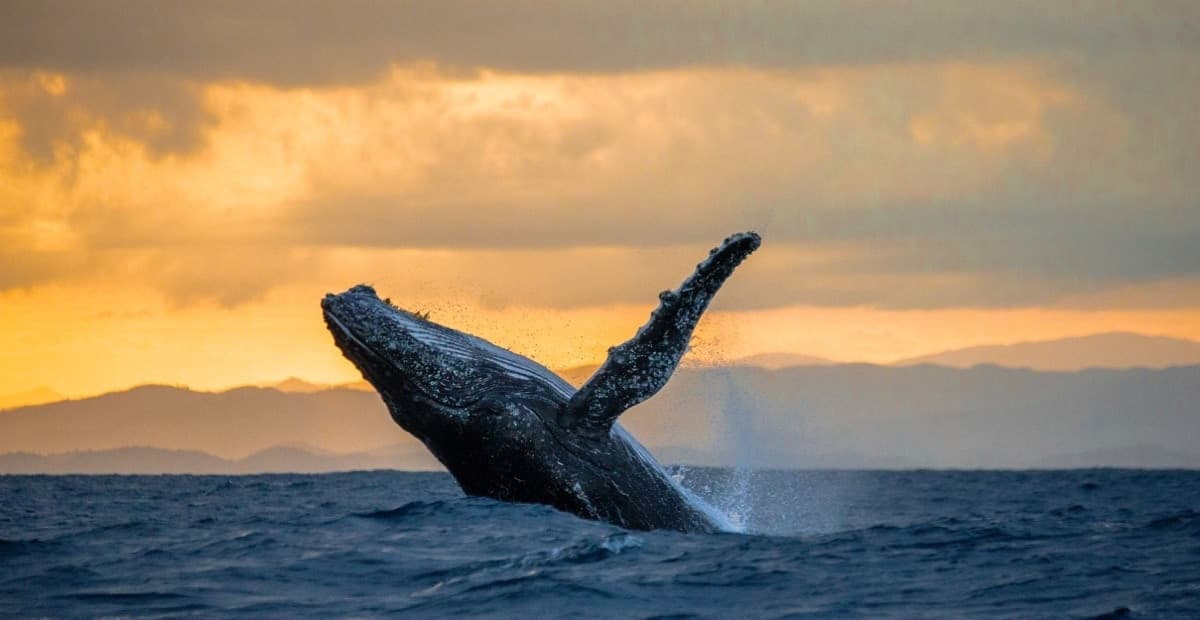
If you are lucky you can see some of our majestic humpback whales breaching during your visit to Maui.
Snorkeling
Snorkeling tours are also very popular throughout the year in Maui. There are many snorkeling spots within the Auau Channel, such as Molokini and Lānaʻi, and many tours are combined with whale watching. Options range from small-boat excursions (like Hawaii Ocean Rafting) to sailing catamarans (see below), to even larger commercial boats (like the Pacific Whale Foundation).
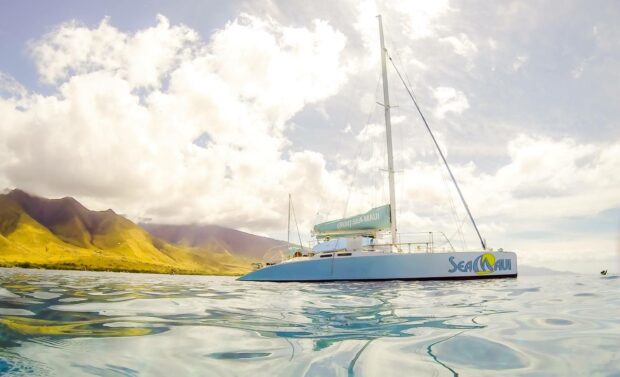
West Maui Half Day Snorkel Adventure
Explore 2 of West Maui's top snorkeling spots on this popular half-day tour departing from Ka'anapali Beach - breakfast and lunch are included!
from:
$189
What is a suggested tour?Our suggested tours are hand-picked tours that receive consistent good reviews, give back to the community, and work hard to minimize their impact on the environment. Read more about these tours on our website.Offshore Islands
If snorkeling is not your thing, and the whales are not in season, don’t worry – there’s still much to be gained from a ‘simple’ boat tour off Maui’s west coast. Not only do you get a great perspective of Maui from the water, but you also get a closer look at some of its surrounding islands, such as Molokini, Lānaʻi, Molokaʻi, and Kahoolawe.
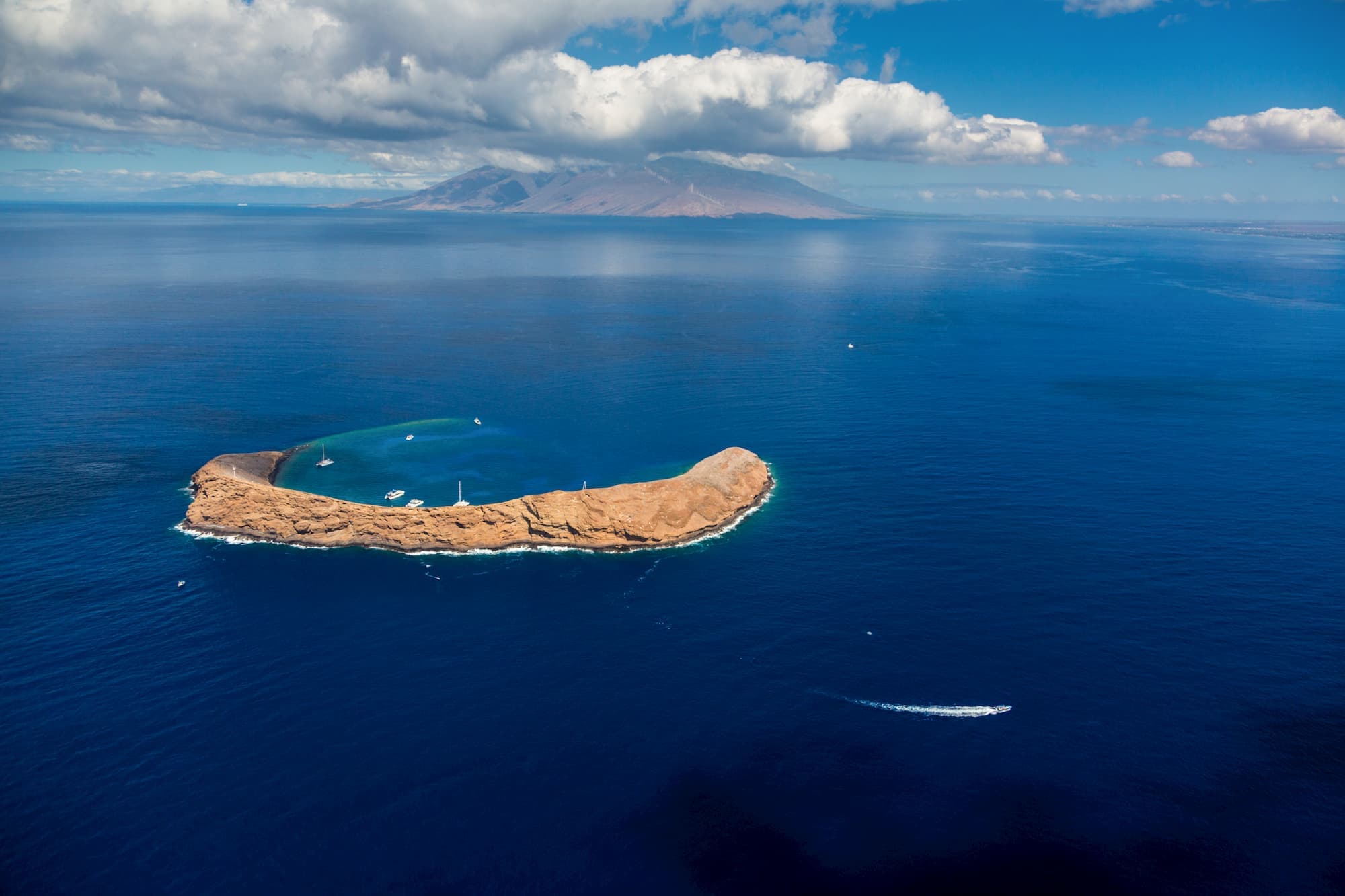
Molokini (with Kahoʻolawe in the background) is one of the best places for snorkeling and scuba diving on Maui. Credit: Hawaii Tourism Authority (HTA) / Tor Johnson