
Oʻahu and Maui sit about 40 minutes apart by plane, yet they feel like opposite trips. Oʻahu is the city island, with Honolulu carrying the food and nightlife no other island matches. Maui is the open-space island, slower paced, with Haleakalā rising past 10,000 feet, more than double the height of Oʻahu’s tallest peak.
This page is for the traveler stuck between the two, and the fastest way through is to pick the one or two things that matter most. Chasing a big night out and constant options? Oʻahu points that way, while Maui pulls toward mountains, winter whales from December to April, and room to spread out.
For a first trip to Hawaiʻi, start with Oʻahu: it packs the most range into the least driving and needs no rental car. Maui rewards a second trip, a bigger budget, or a slower pace.
Table of contents
We compare the other pairings too: the Big Island vs. Oʻahu, the Big Island vs. Maui, and Oʻahu vs. Kauaʻi.
Oʻahu and Maui in a Nutshell
Maui and Oʻahu are close neighbors: one island apart (Molokaʻi), about 65 miles. Both have the beaches and warm water you came for, so most of this breakdown is about where the two differ.
Oʻahu is also the cheaper island. It has far more places to stay than Maui, which keeps lodging down, and its buses and food cost less too. Maui is the priciest of the main islands, and its budget stays sit away from the resort areas.
Oʻahu
Oʻahu packs the widest range of the Hawaiian islands into one place: a real city in Honolulu, the surf coast of the North Shore, quiet windward beaches, and a rural west side, all within about an hour’s drive. If you want city energy and outdoor options on the same trip, Oʻahu is your island.
See our complete Oʻahu overview for a longer list of Oʻahu essentials.
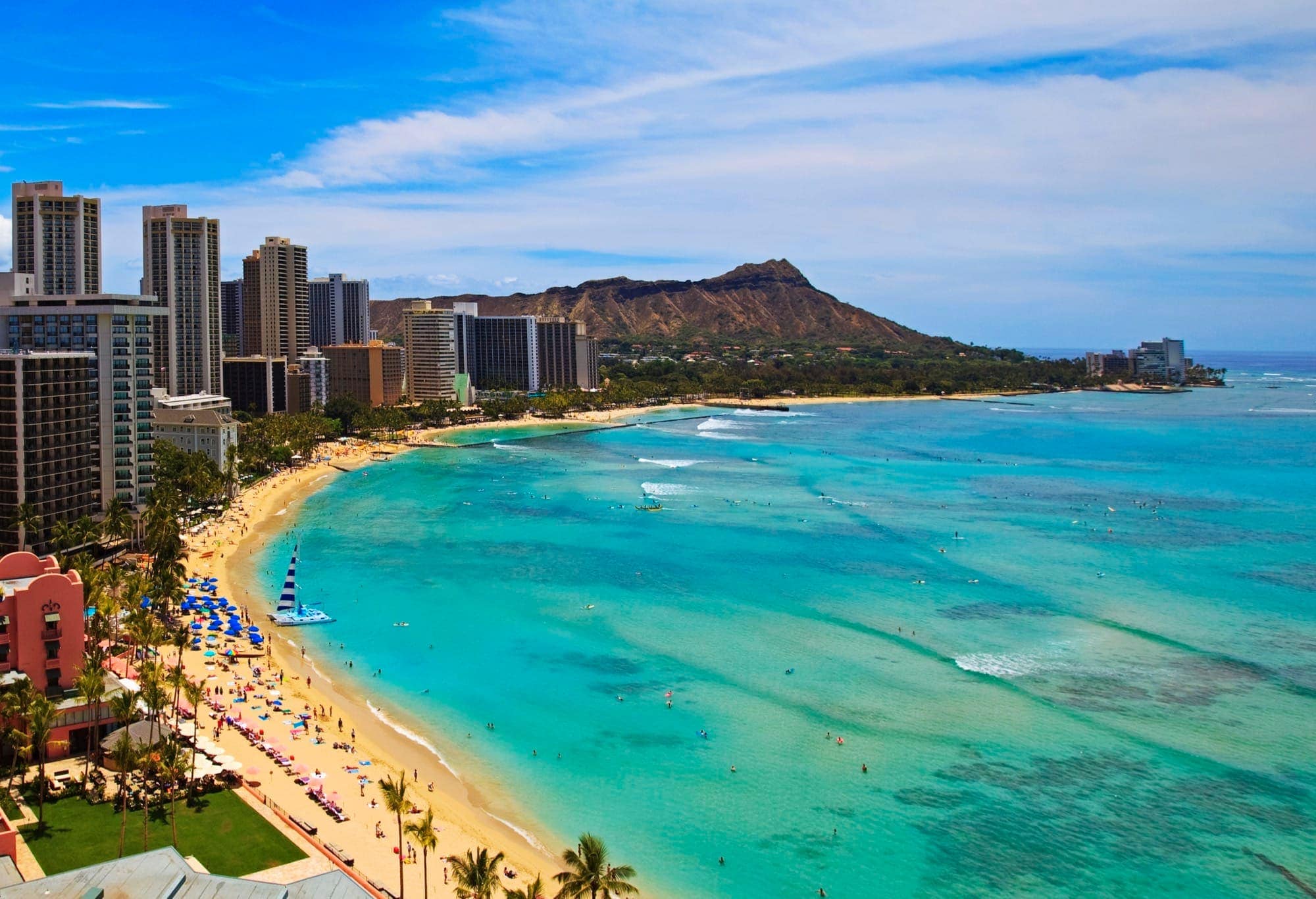
The Diamond Head crater seen from Waikīkī Beach on Oʻahu. Image credit: tomasphoto
Recommended minimum stay: 4 days
Good to know for Oʻahu: It’s tempting to stay in Waikīkī for its convenience (it is, after all, where most of the hotels are), but Oʻahu has much more to see. Its windward side is full of green mountains and local beaches; its west side a hub for small communities and culture. Get around while you’re on Oʻahu. Most of its mountains, beaches, and small towns sit well outside Honolulu.
Honolulu has real traffic. It backs up hardest at rush hour and along the H-1 near the airport, so plan drives for early morning and head back before mid-afternoon.
Three worth prioritizing: Big waves on the North Shore (winter); Sunrise hike at the Lanikai Pillbox; Sunset sail in Waikīkī.
Maui
Maui lines up most of what people picture when they think of Hawaiʻi: beaches, two big volcanoes, palm trees, and working farmland. Without a major city, the pace stays slower and the island feels more spread out than Oʻahu, even though it pulls in plenty of visitors of its own.
Maui’s beach towns still carry enough shopping and nightlife that residents of Molokaʻi and Lānaʻi come over for it. Much of Maui’s appeal comes from its natural landscape: two large volcanoes, whale watching season (Dec to Apr), and remote, undeveloped stretches like Hāna.
Recommended minimum stay: 5 days
Good to know for Maui: Maui’s “up-country”, the belt of small farms on the hillsides of Haleakalā, goes overlooked by most visitors. The town of Kula, for example, is a good place for a farm tour (lavender, coffee, pineapple, protea), plus a distillery and winery nearby. The views from this part of the island are some of Maui’s best, and it shows a quieter, more agricultural side of Hawaiʻi life.
Three worth prioritizing: Exploring the summit of Haleakalā, the beaches of south and west Maui, a boat trip in the ʻAuʻau Channel (especially during whale season).
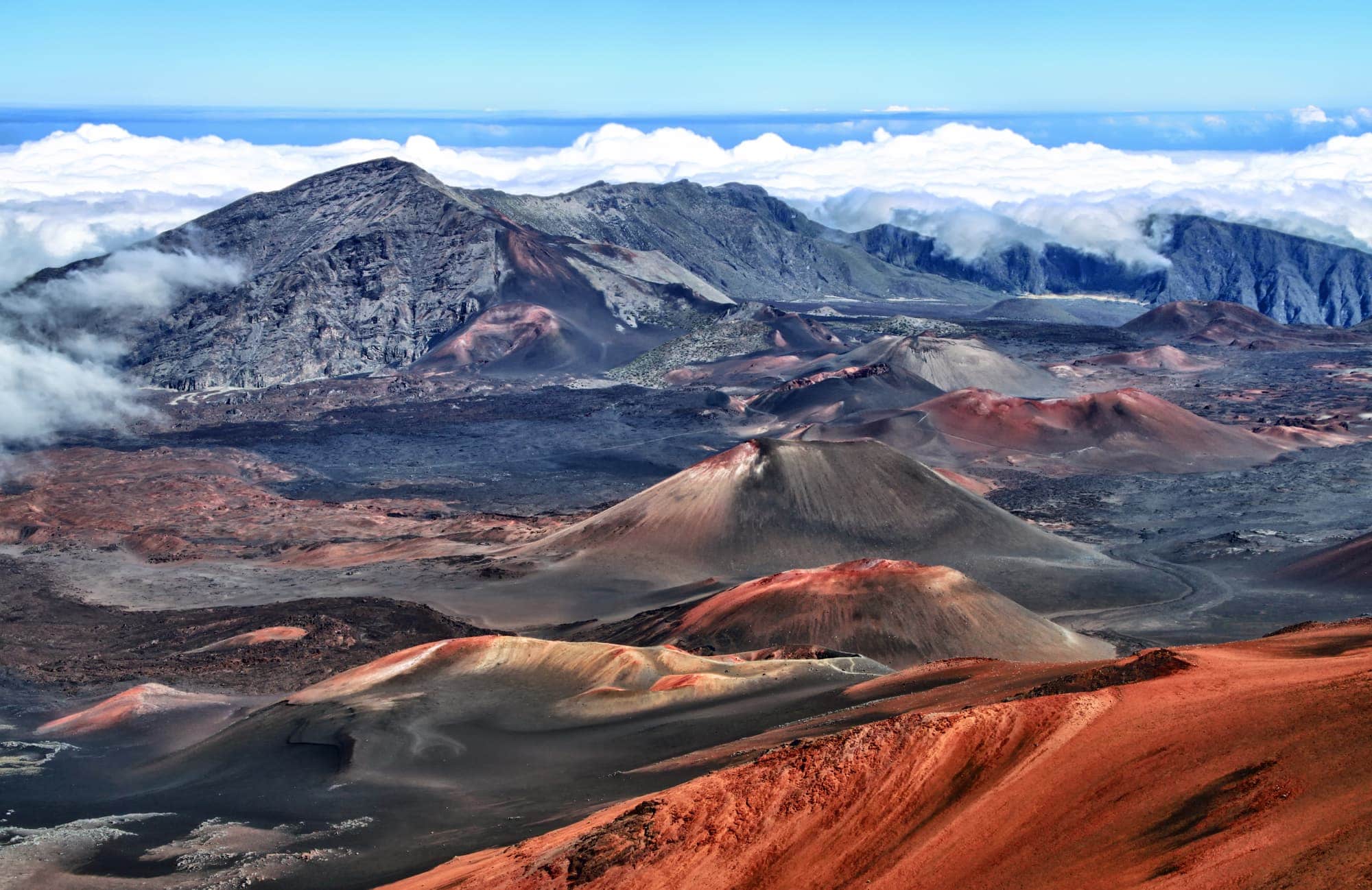
The summit area of the Haleakalā volcano on Maui. Image credit: hdamke
What island should you choose if you like…
Here is how the two islands stack up, category by category:
| Category | Better island | Why |
|---|---|---|
| Outdoor adventure | Maui | More open, undeveloped space and winter whales. |
| Beaches | Tie | Both are loaded with beaches; Maui adds red and black sand. |
| Volcanoes | Maui | Haleakalā tops 10,000 feet, more than double Oʻahu’s high point. |
| Food and nightlife | Oʻahu | Honolulu is the only full-size city in the islands. |
| Getting around | Oʻahu | Car-optional with TheBus; Maui needs a rental. |
| Variety | Oʻahu | City and country on one island, the broadest mix of scenery. |
Outdoor adventure: Maui
Oʻahu feels bigger because of its crowds, but Maui is the larger island, and much of that size is open, undeveloped country: Haleakalā and the West Maui Mountains, with ranch land in between. Both islands cover the basics of hiking, biking, camping, and stargazing. Maui simply has more room to do it.
Complementing that open space, Maui is ringed by other islands (Lānaʻi, Molokaʻi, Kahoʻolawe) and is the main seasonal home for humpback whales (Dec to Apr). Oʻahu has a lot of hiking and a lot of outdoor opportunities, but Maui has far more open ground to spread them across.
The Road to Hāna takes a full day. It is narrow and slow, and the payoff is a string of small stops along the way. On a short Maui stay, decide whether a full day in the car earns its place, or book a night in Hāna instead of driving back the same day.
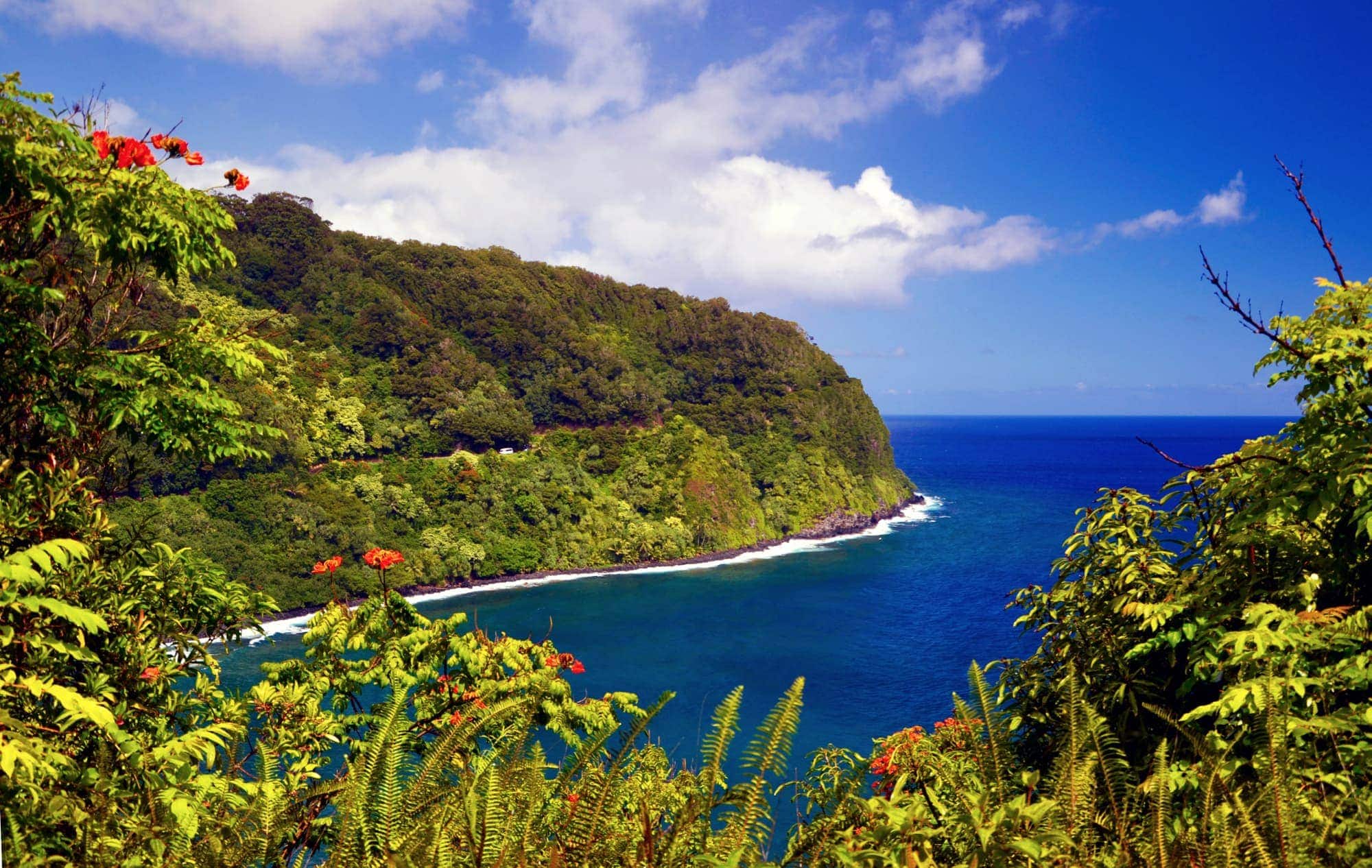
The Road to Hāna is Maui’s best-known drive. Image credit: Benoit de Chastenet, source.
Beaches: tie
Ties are no fun, but this one’s earned. For every great beach you could name on Oʻahu, you could follow it up with one on Maui, and vice versa. Both have dozens of beaches, with Maui offering a little more variety in its few alternative options, like red and black sand.
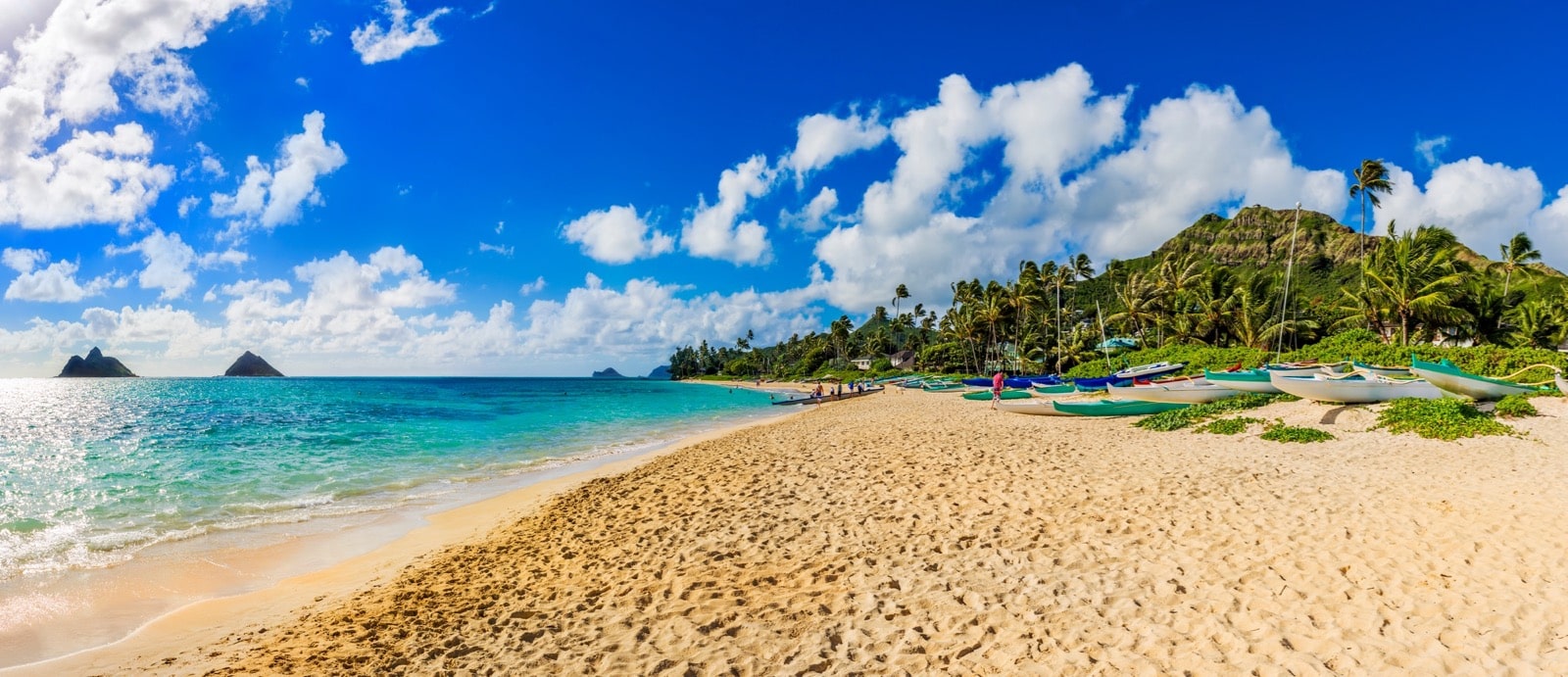
Lanikai Beach in Kailua on Oʻahu with Nā Mokulua (the “Mokes”) on the left. Image credit: PBPhotos
Snorkeling tilts a little to Maui: boat trips to Molokini and easy reef access off spots like Nāpili Bay. Oʻahu’s best is Hanauma Bay, which takes a reservation booked two days ahead.
Volcanoes: Maui
Oʻahu and Maui are each built from two volcanoes, but because Maui is the younger island, its volcanoes stand taller and hold much more mass (a matter of less time and less erosion). Haleakalā’s summit runs more than 10,000 feet, compared to the highest peak on Oʻahu, Mt. Kaʻala in the Waiʻanae Range, which is only a tick above 4,000 feet.
By the way, if volcanoes are the main subject of your visit to Hawaiʻi you should seriously consider visiting the Hawaiʻi Volcanoes National Park on the Big Island.
Food, drinks, and nightlife: Oʻahu
Maui’s nightlife lives in its beach towns, places like Kīhei and Pāʻia, with shops, bars, and restaurants aimed at visitors. Lāhainā, the old west-side hub, is still rebuilding after the August 2023 wildfire. Restaurants north of the historic core are open and serving, and Front Street reopened to traffic on August 1, 2026, though the historic core itself is still under reconstruction.
There’s real nightlife on Maui, but it doesn’t match Oʻahu, where Honolulu is a full metropolitan city pulling in food and entertainment from around the world. Oʻahu also has its share of small beach communities, like Kailua and Haleʻiwa.
If you’re after nightlife and the deepest restaurant scene in the islands, that’s Oʻahu.
Getting around: Oʻahu
Oʻahu is the one island you can visit without renting a car. Waikīkī is walkable, and TheBus runs across the island for a few dollars. Most tours pick you up near your hotel, so Pearl Harbor, Hanauma Bay, and the North Shore all work as day trips from a Waikīkī base.
Maui is the opposite. Outside the resorts it is rural, and the drive between West Maui and South Maui is close to an hour, so without a car you are tied to your hotel and its stretch of beach. To reach Haleakalā or drive to Hāna you need your own car or a booked tour for the day.
Variety: Oʻahu
This one is close, but the nudge goes to Oʻahu. True, Maui essentially has it all as well: volcanoes, beach towns, offshore activities, and old-world Hawaiian agriculture. But so does Oʻahu, and while its volcanoes might not be as tall, its diverse population, historical sites, surf breaks, hiking trails, and beach towns cover more ground than Maui’s.
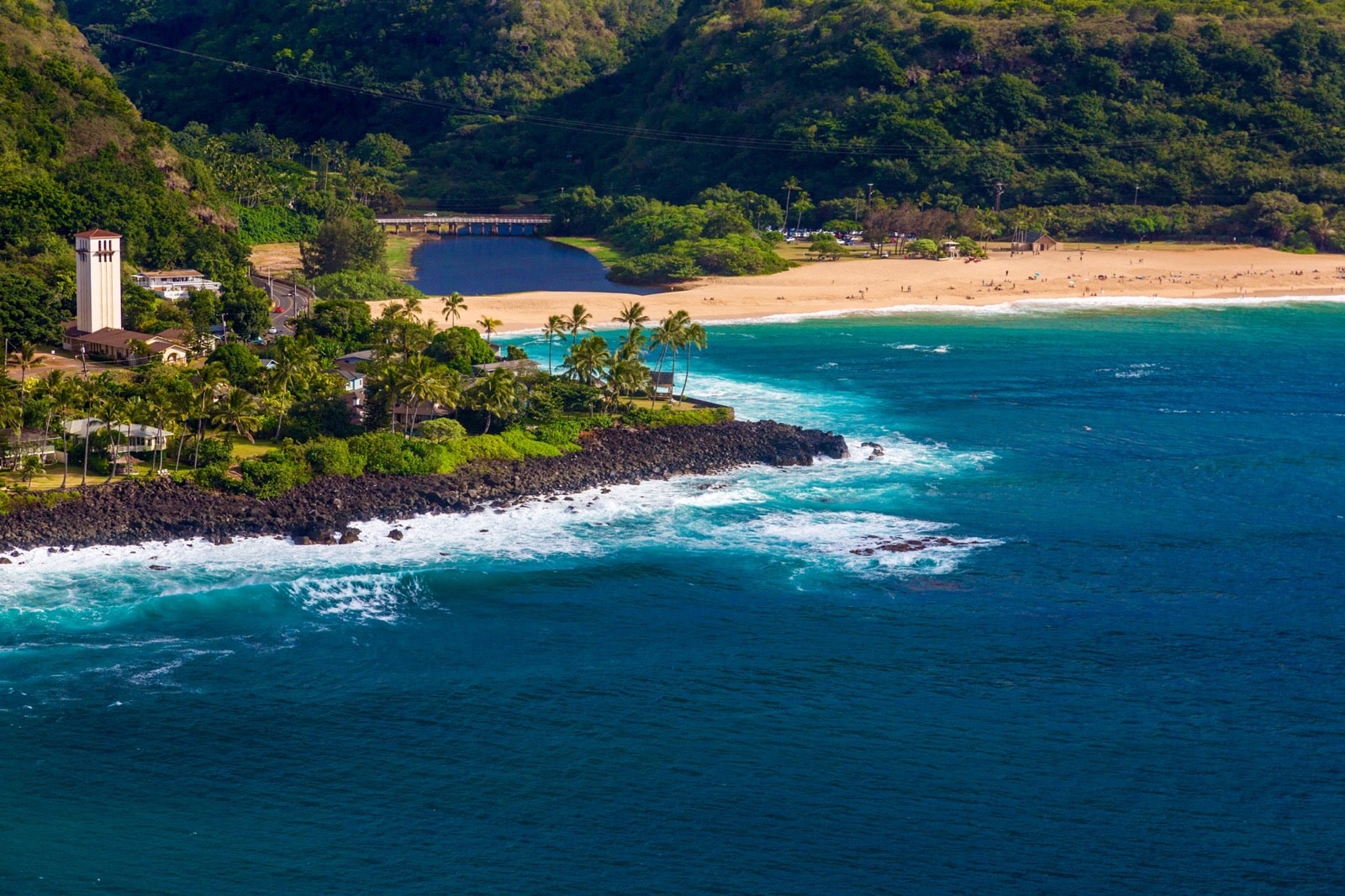
Waimea Bay on Oʻahu, one of the North Shore’s marquee big-wave breaks, home to the Eddie Aikau invitational. Image credit: Hawaii Tourism Authority (HTA) / Tor Johnson
Should you visit both?
On a short trip, stick to one island. Inter-island flights are quick, but changing hotels and airports still eats into a week. With ten days or more, Oʻahu and Maui pair well. And if you are adding a third island, pairing either one with Kauaʻi gives more contrast than Oʻahu and Maui together.
Sample itineraries for Maui and Oʻahu:
For Maui: Start with our Maui overview, then our Maui itinerary.
For Oʻahu: our Oʻahu overview article and our series of things to do in Kailua, Honolulu, the rugged leeward coast, the tropical, rainy windward coast, central Oʻahu, and the famous North Shore, all are a good place to start planning your trip.
Our 7 day itinerary covers the whole of Oʻahu.