
Kaʻū is the Big Island’s least-visited district —. Stretching across the island’s southern tip, it holds two of Hawaii’s most striking beaches, the southernmost point in the United States, a Buddhist temple in an ʻōhiʻa (a native tree) forest, and one of the rarest geological features on Earth. You’ll share almost none of it with a crowd.
From Kailua-Kona, the drive to Punaluʻu takes about 90 minutes. From Hilo, roughly an hour. A full loop — black sand beach, South Point, green sand beach, and back — is doable in a long day if you start early and don’t dawdle at Papakolea.
What you won’t find much of: restaurants, gas stations, or cell service. Fill up before you go.
Table of contents
Map of activities in Kaʻū
All places discussed in this guide are also listed on the map below. You can read more information on each location either by clicking on the relevant link in the table of contents shown above, or by selecting one of the items shown on the map, reading the short description, and clicking on the link in the description.
Things to do in the Kaʻū district
The Kaʻū district and is home to some of the most popular attraction on the Big Island: the Hawaii Volcanoes National Park, Punaluʻu Black Sand Beach and Papakolea Green Sand Beach.
- Punaluʻu Black Sand Beach
- Ka Lae (South Point)
- Papakōlea Green Sand Beach
- Hawaii Volcanoes National Park (Kahuku Unit)
- Whittington Beach Park
- Manuka State Park
- Kula Kai Caverns
- Kaʻū Coffee Mill
- Wood Valley Temple
- Kaʻū Desert Trailhead
- 2 Farmers Markets in Kaʻū
You can read about some of our favorite places to stop while in Kaʻū below:
1: Punaluʻu Black Sand Beach
The black sand here comes from lava that shattered when it hit the ocean, cooled instantly, and got broken into fine dark grains.
Hawaiian green sea turtles (honu) haul out on the beach to rest. You’ll usually see some resting on the sand or floating just offshore. They’re protected (6 feet of distance is the legal minimum) but they’re often close enough that you don’t need to get any closer anyway.
Swimming is possible but the shore break is rough. Most people wade in, watch the turtles, and call it good. There’s a pavilion, restrooms, and a freshwater spring that feeds a small pond at the north end of the beach.
- Distance from Kona: about 85 miles south (counter clockwise) on Highway 11, just past Pahala.
- Distance from Hilo: about 57 miles south (clockwise) on Highway 11, just before Pahala.
More on visiting Punaluʻu Black Sand Beach.
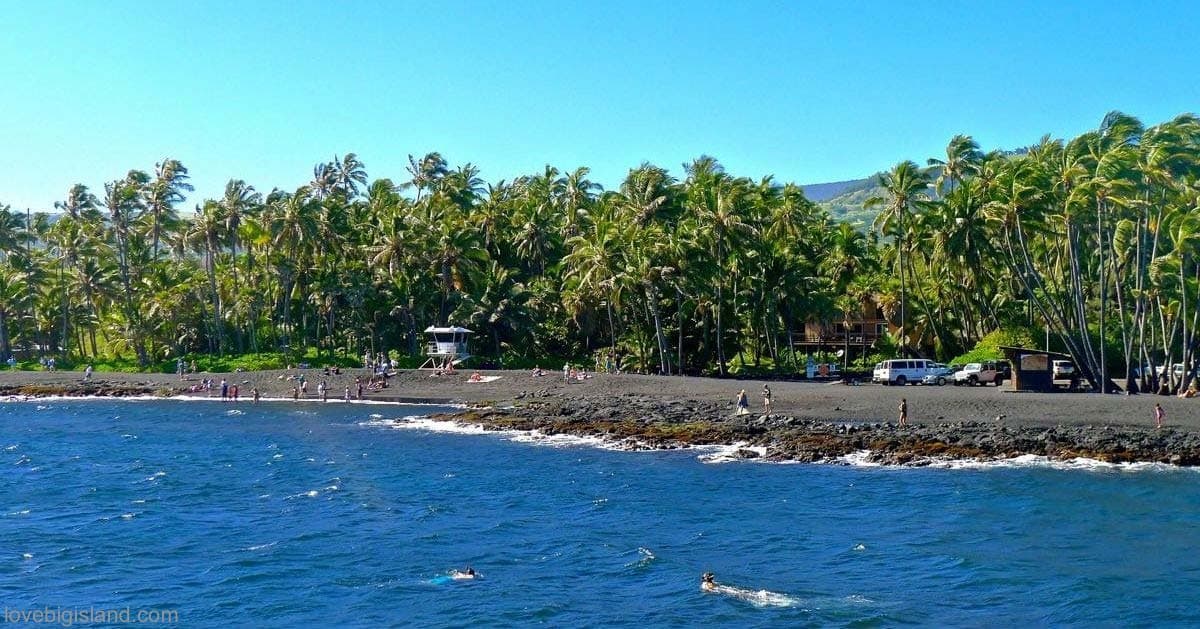
Punaluʻu is a good place for swimming, taking in the sun and snorkeling (turtles!)
2: Ka Lae (South Point)
In Hawaiian tradition, this area is one of the first Polynesian landing sites, this historical area is the southernmost point of the Hawaiian Islands and the second southernmost point in the United States. (to wit: the most southern point is the US territory of Palmyra Island, source).
South Point has wind-swept plains and blue water breaking on charcoal-black lava below copper-colored cliffs.
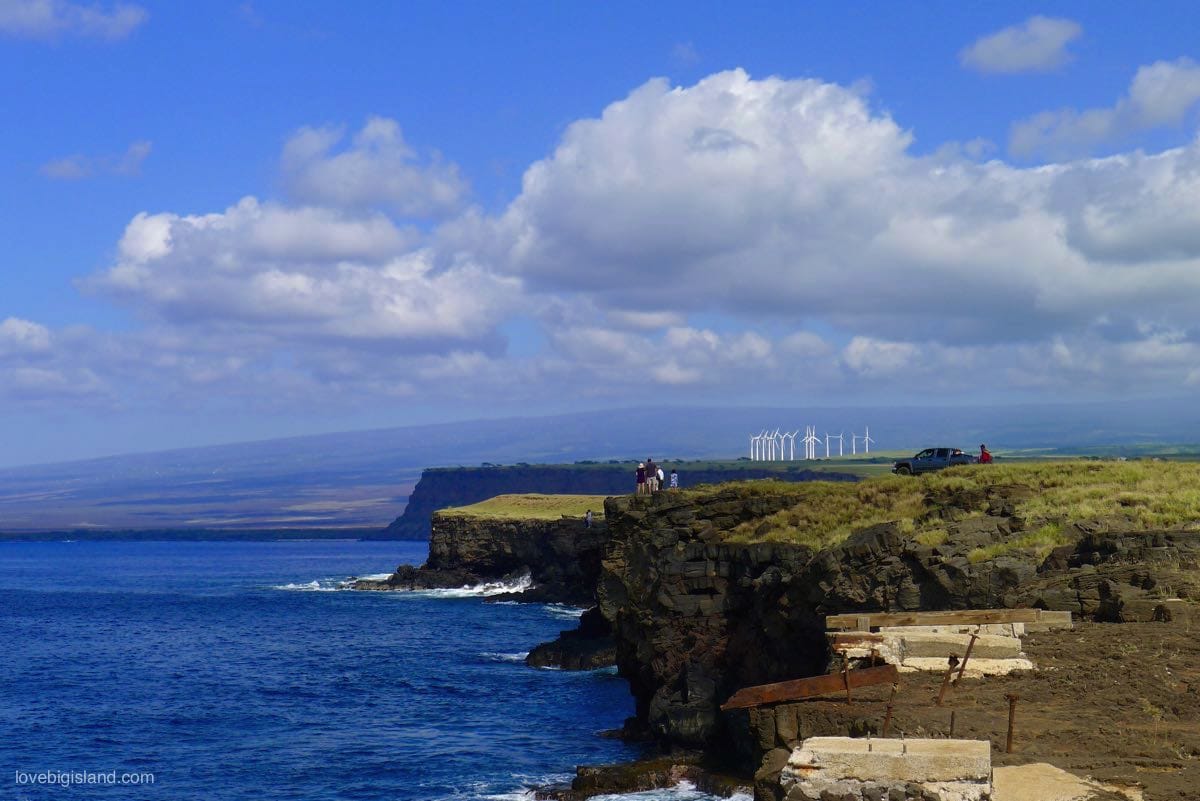
Ka Lae is a good stop to make on your way to Papakolea (green sand beach)
Local fishermen fish here where ocean currents converge, but you can also explore the area and walk around ruins of an ancient Hawaiian temple (heiau) and take in the expansive views of West Kaʻū and the Ka Lae cliffs. Ka Lae is a great place to watch the sun rise or set,.
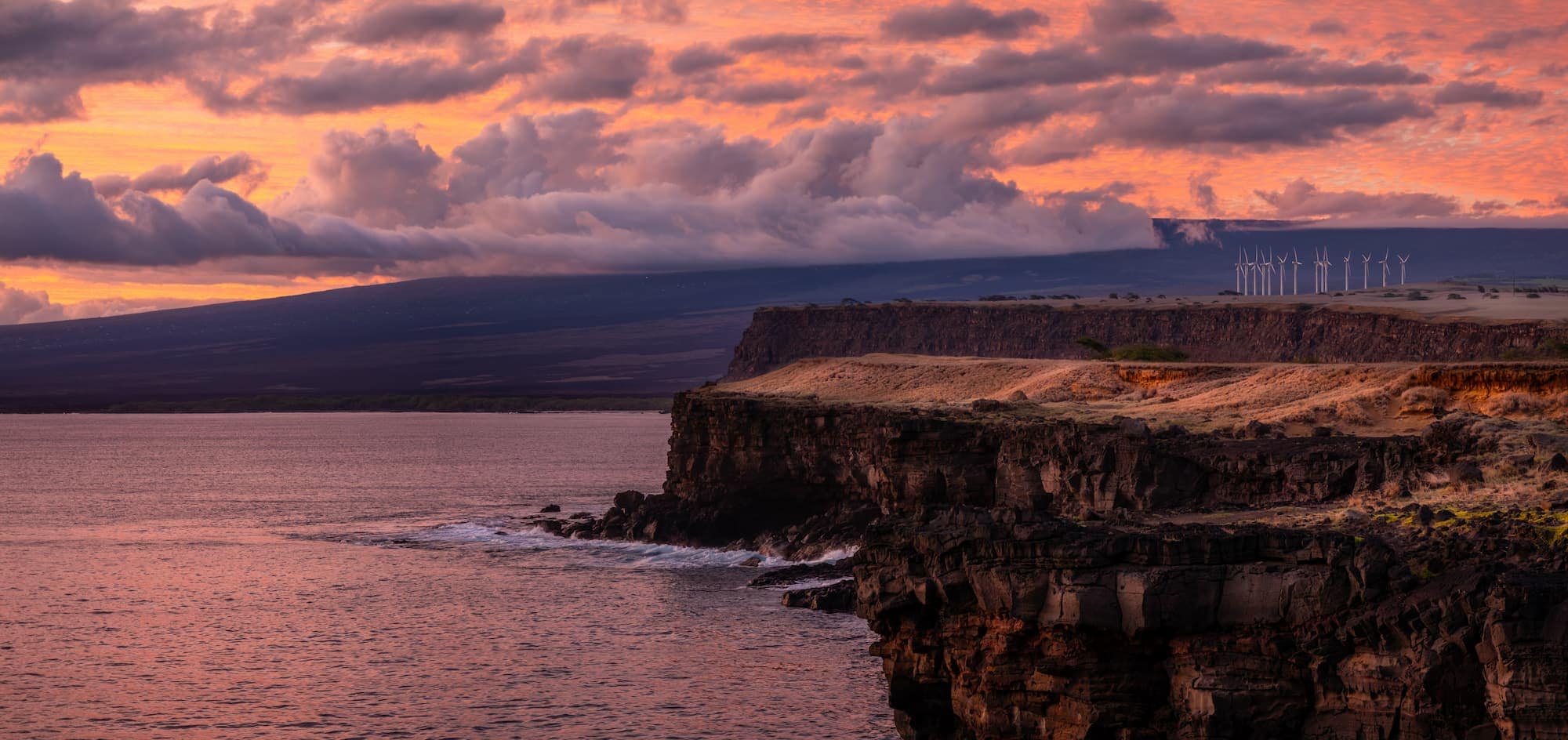
Sunset at South Point. Photo by Aaron Huber on Unsplash.
Finally, South Point is also very close to the parking lot for the famous Papakolea beach (green sand beach) discussed next:
3: Papakōlea Green Sand Beach
There are four green sand beaches in the world. This is one of them.
The color comes from olivine, a semi-precious mineral that erodes out of the cinder cone enclosing the beach. It’s not fluorescent. More of a muted olive-green mixed with black, but seeing it in person is genuinely striking.
Getting there requires a 2.5-mile walk each way across exposed lava and scrubland from the South Point parking area. There’s no shade. In summer, the heat off the lava is punishing. The beach sits inside a partially collapsed cinder cone, which shelters it from wind and creates a natural amphitheater effect. Swimming is possible on calm days, but the currents are unpredictable. Check conditions before you go in.
More on visiting the Papakōlea green sand beach.
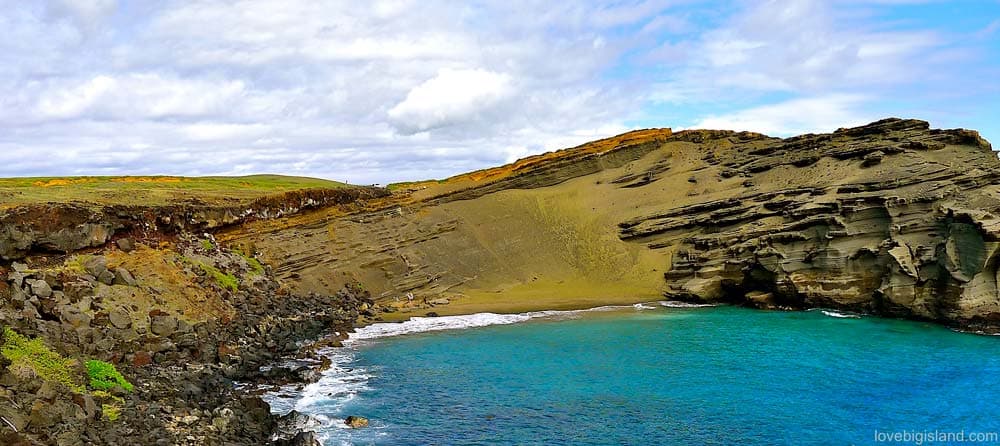
Close to the most southern point of the Big Island, Green Sand Beach in one of the two green sand beaches in the United States.
4: Hawai‘i Volcanoes National Park (Kahuku Unit)
In 2003 a 116,000 acre section of Hawaiʻi Volcanoes National Park In 2003 the park bought a 116,000-acre section from a large ranch estate. This acquisition nearly doubled the size of the park opening up many trails to impressive landscapes. There are 6 trails in this part of the park (see map and descriptions below) that lead you to an old cinder cone once used as a quarry, lava fields, lava trees, and other interesting lava features, as well as pastureland and forest, and a forested pit crater.
Make sure to time your visit because the Kahuku part of the park is open Thursday to Sunday from 9 a.m. to 4 p.m. (more details on the park website).
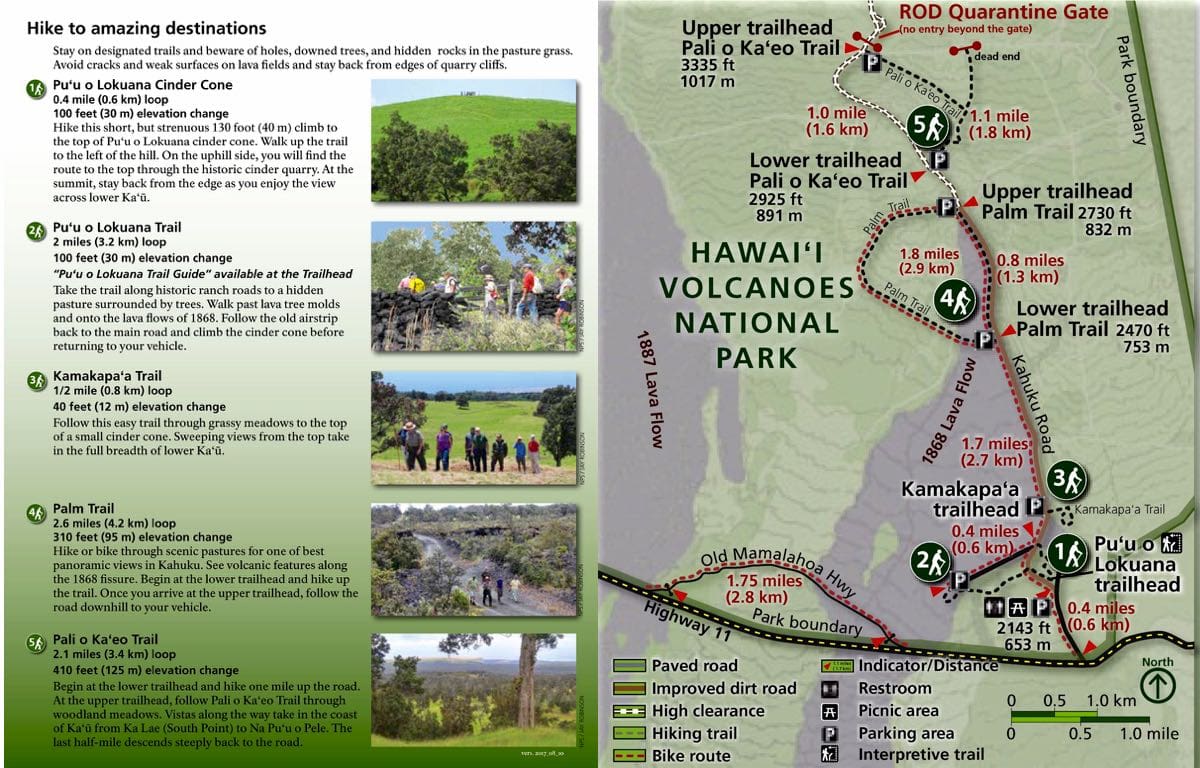
Overview of the Kahuku unit of the Hawaii Volcanoes National Park. Composite made of the two site bulletins available on the Hawaii Volcanoes National Park Website
The following 6 hikes are currently available in the Kahuku unit of the Hawaii Volcanoes National Park:
- Pu‘u o Lokuana Cinder Cone: 0.4 mi (0.6 km) short but strenuous climb to the top of Pu‘u o Lokuana cinder cone.
- Pu‘u o Lokuana Trail: 2.0 mi (3.2 km) loop trail along historic ranch roads to a hidden pasture surrounded by trees. Walk past lava tree molds and onto the lava flows of 1868.
- Kamakapa‘a Trail: Easy 0.5 mi (0.8 km) trail to the top of a small cinder cone with sweeping views of Kaʻū.
- Palm Trail: 2.6 mi (4.6 km) loop trail through scenic pastures for one of best panoramic views in Kahuku.
- Pali o Ka‘eo Trail: 2.1 mi (3.4 km) loop trail with great views along the way of the coast of Ka‘ū from Ka Lae (South Point) to Na Pu‘u o Pele.
- Pit Crater Trail (not on map above): arduous 4.75 mi (7.6 km) long loop trail to a forested pit crater with significant elevation change. From the crater’s rim visitors can look down into a rare native forest refuge protected within the sheer walls of the pit.
Kahuku Scenic Drive
You can also explore the park from your car through a 9 miles (14.5 kilometers) scenic drive that takes you 1300 ft up the slopes of Mauna Loa!
5: Whittington Beach Park
Whittington beach park once was the shipping port to the bustling sugar cane plantations. Now all that remains from this history is a rusted skeleton shipping pier jutting into the bay.
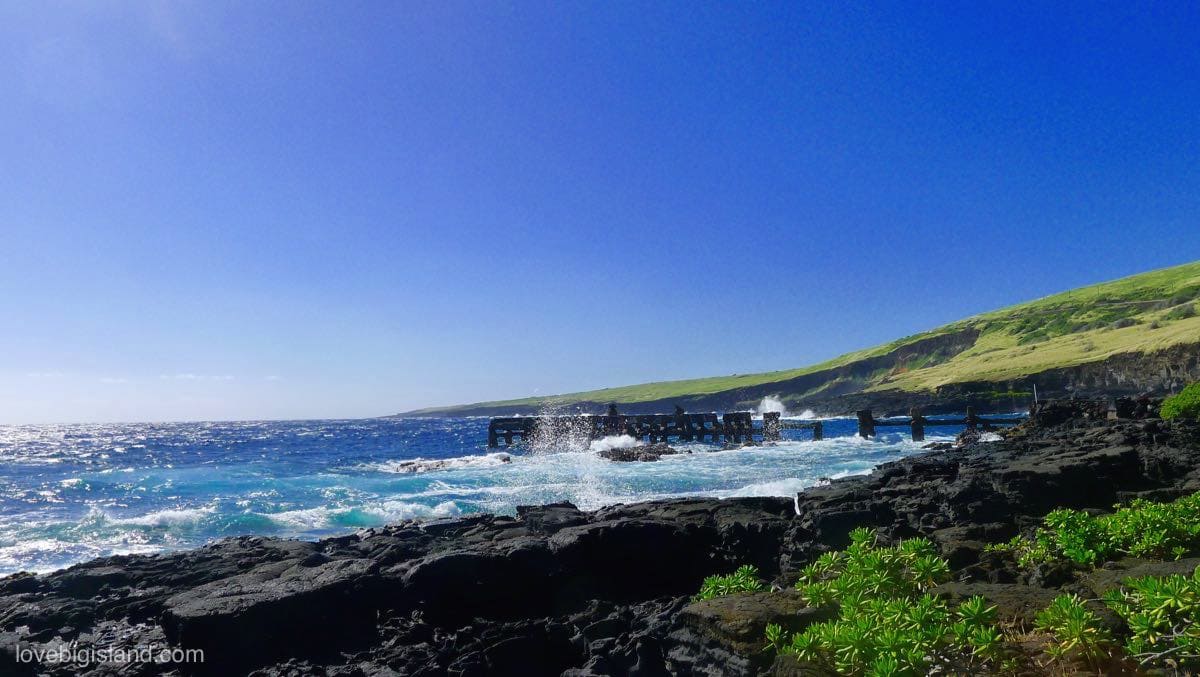
Whittington Beach park is a good place to stop when you are traveling between Volcano and Kona.
A lesser know spot to visit, Whittington Beach Park has tidepools and ocean views. Picnic tables line the shore, facing the water.
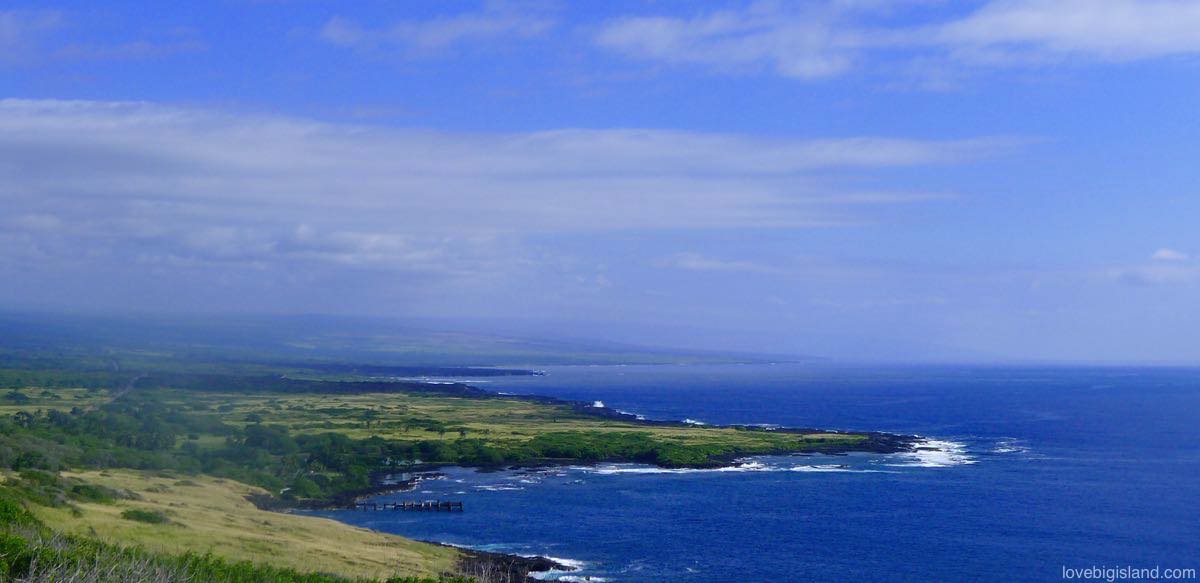
Looking back on Whittington beach and the Hawaiʻi Volcanoes National Park from hwy 11 on the way from Volcano Village to Kona.
Although called a beach park, this is not an ideal place to go swimming. The waves here are large and the shore break can be violent. Bathroom facilities are available making Whittington beach park a great excuse for a pit-stop for example when you are driving between Kailua Kona and Volcano Village.
6: Manuka State Park
Hike through the native and introduced flora and fauna of the Manukā Natural Area Reserve. This two mile hike is an opportunity to walk among a forest of ohia trees, pass a forested pit crater, and view several eroded archaeological sites in an ancient agricultural area. The trail has a 400 foot elevation gain and decent, making a loop returning you back to the trail head. Be sure to wear hiking shoes and stay hydrated.
More information on the Manuka State Park website. This is also a great pit stop to use the restroom, stretch your legs, or have a picnic as you pass through Kaʻū, and the Manukā Natural Area Reserve also has an arboretum and camping spots.
7: Kula Kai Caverns
The Kula Kai Caverns are a thousand-year-old year old lava tube system. Explore the depths of these caves and go underground on a guided tour and learn how lava tubes form and their place in Hawaiian history. Climb down ladders, squeeze through tight spaces, and trek through the labyrinth of these young, dark, deep caverns. There is only one tight squeeze, so even if you get a little claustrophobic.
Wear long pants, a long sleeve t-shirt, and hiking shoes for your tour. The guide will provide you with knee protection, helmets, gloves, and headlight for this epic exploration. Click here for more information about tours of the Kula Kai Caverns.
If you are into lava tubes you should also definitely check out our list of 5 lava tubes that you can visit here on the Big Island!
8: Kaʻū Coffee Mill
I’m sure you’ve heard of Kona Coffee (the black gold of Hawaii, see our list of Kona Coffee tours if you are interested), but Kaʻū coffee tastes different from Kona but is just as good…. though the flavors are different, Kaʻū coffee just as good! , and a great place to do this is at Kaʻū Coffee Mill in Pahala.
After the sugar cane plantations in Kaʻū plummeted, coffee mills began to appear on the vacant land. Since May of 2012 Kaʻū Coffee Mill has been supplying visitors and locals with specialty, flavored, and custom award winning coffee. Free farm and coffee tours with tastings are available daily. Be sure to stop in their shop with a large selection of coffee and gifts that can be mailed to anywhere in the world.
9: Wood Valley Temple
Wood Valley Temple is a quiet spot to relax and reflect. The traditional wood frame temple is surrounded by an ohia forest with colorful peacocks roaming the grounds. His Holiness the Dalai Lama has visited and taught in the temple.
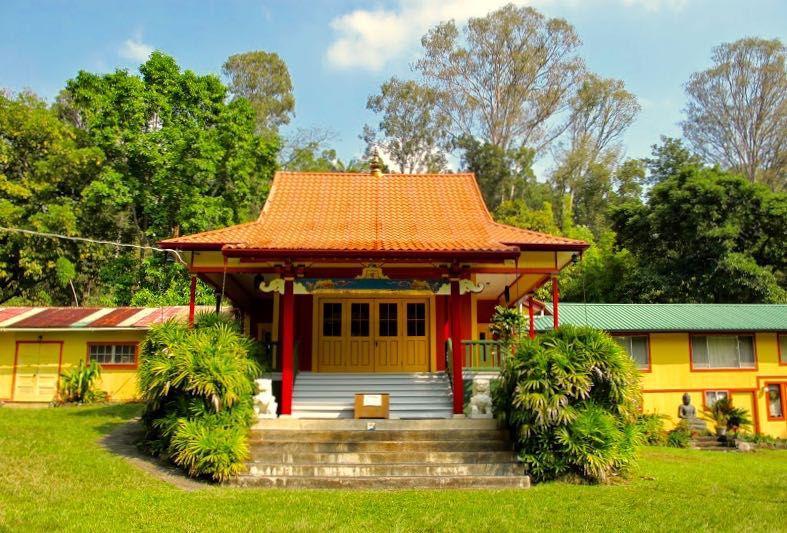
Front entrance of the wood valley temple in Pahala. image credit: the Nechung Dorje Drayang Ling temple
The temple was established in 1973 by the Venerable Nechung Rinpoche. Nechung Dorje Drayang Ling is a center for the dissemination of the Buddhist teachings but also has guest rooms available to rent. More information on the Wood Valley Temple website.
10: Kaʻū Desert Trailhead
The Kaʻū Desert Trail leads to a small shelter with 200-year-old fossilized human footprints. These prints made in volcanic mud-ash were created by the retreating army of Keōua Kuahuʻula, who was battling the famous Kamehameha I for dominance of the island.
On the way out to the footprints the trail out crosses ʻōhiʻa, lava formations, and sandy pathways. This is not technically a desert because the area gets too much rain, but the desert like conditions heed to a lack of vegetation, extreme heat, sulfur from the volcano, and barren landscapes.
Wear hiking shoes and a hat, bring lots of water, and your camera for some interesting lava photos. More information on this hike on the fantastic Big Island Hikes website.
11: Farmers Markets in Kaʻū
There are two farmers markets in the Kaʻū district. One on Wednesday and one on Saturday. Make sure to visit our list of all farmers markets on the Big Island if you like buying local!
1: Ocean View Swap Meet – every Saturday from 7am-1pm
At the Ocean View Swap Meet you’ll find vendors selling in season local produce from mango’s, to apple bananas to coconuts. Other vendors are there selling DVDs, household appliances, beautiful sarongs, and Hawaiian inspired eats from countries around the world. It’s a wonderful mishmash of vendors and the place in town for neighbors meet and talk story once a week. Read more about this swap meet on facebook.
2: Nāʻālehu Farmers Market Wednesday + Saturday from 8am-2pm
The Nāʻālehu Farmers Market is a traditional farmers market with vendors selling local produce, Hawaiian treasures and gifts and delicious honey produced right in Kaʻū. Tip: Be sure to bring cash to the farmers markets.
Read more about this farmers market.
Restaurants and places to eat in Kaʻū
These are some of our favorite places to stop for a snack while in the Kaʻū district:
- Ka Lae Thai Food (Ocean View)
- Punaluʻu Bake Shop (Nāʻālehu, closed as of August 2026)
- Ka Lae Coffee (Nāʻālehu)
Ka Lae Thai Food – Ocean View
Located in Ocean View Ka Lae Garden has the best Thai food around. The Thai chef prepares everything from scratch and uses local produce to create delicious curries, fried rice, and other traditional dishes. Their friendly service is on Hawaiian time, but it’s worth the wait. On your way out, grab some local bananas or avocados for the road from their produce stand inside.
The restaurant is opened Wednesday to Sunday, more information on their website.
Punaluʻu Bake Shop – Nāʻālehu
Punaluʻu Bake Shop makes malasadas (a Portuguese style sweet bread doughnut and one of our favorite local snacks) As of August 2026, Punaluʻu Bake Shop is closed after storm damage from Hurricane Lala, with no reopening date yet, so do not plan a stop there for now. Choose from a variety of flavors, from the traditional sweet bread covered in granulated sugar, to the Bismark a sweet bread topped with chocolate ganache filled with Bavarian cream.
Other delicious options are lilikoi (passion fruit) glazed, guava or tarot flavored sweet bread doughnuts and chocolate cream puffs too! Their gift shop sells local trinkets and gifts. Take some time to browse around and sit among the Hawaiian flowers listening to live musicians play traditional music in their garden.
Before the storm it was open daily (except Christmas Day and New Year’s Day) between 8:30 AM and 5 PM. Check their website for the latest.
Ka Lae Coffee – South Point Road
This place is very conveniently located in Nāʻālehu across the Punaluu Bake Shop. They only serve 100% Ka’u coffee and.
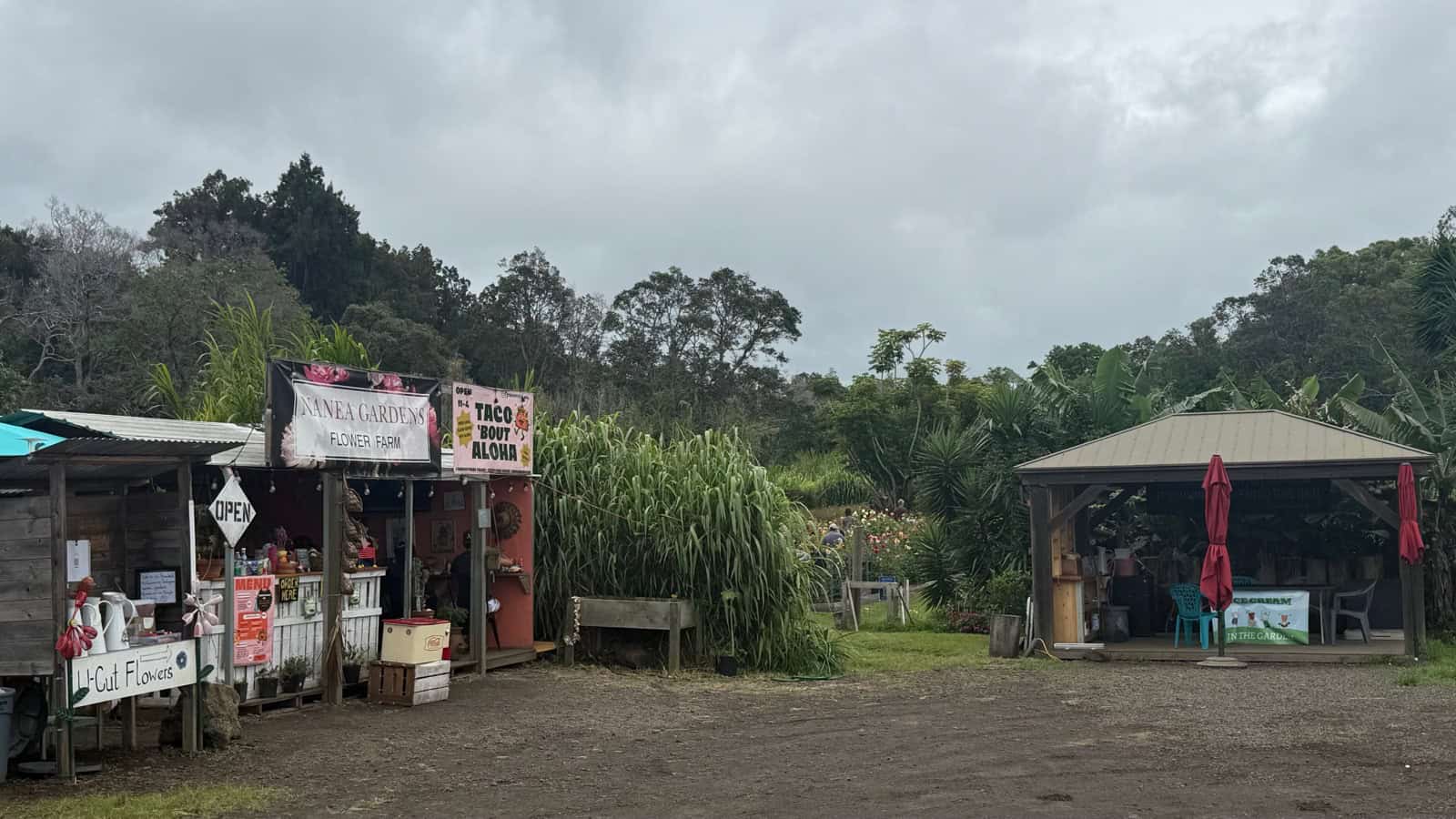
The stand sits right at the South Point turnoff, with a cut-flower field behind it.
Staying overnight in Kaʻū: nightly rates
Kaʻū works as a day trip from Volcano or Kona, but basing in Nāʻālehu or Ocean View puts Punaluʻu and South Point within about half an hour. Lodging here is mostly vacation rentals; the chart tracks three years of nightly rates for the Nāʻālehu and Kaʻū area from Hawaiʻi Tourism Authority reporting, with the current average in the caption.

Kaʻū background and recent history
The Kaʻū district lies wedged between the Puna district to the east and the Kona district to the west. It is the largest of the 9 districts that make up the island of Hawaiʻi and home to rich Hawaiian history!
Kaʻū is the place where the first Polynesian settlers reached the Hawaiian Islands by sailing canoe, either Ka Lae (South Point) or Punaluʻu Black Sand Beach. It also was home to the Kaʻū Sugar Co during the sugar-plantation era. For more than a century (from 1876 to 1990) the wild and rolling hills and rocky valleys were covered in sugar cane. After the closure of the sugar plantation, Ka’u Coffee Mill began producing award winning specialty coffee with the rich soil.
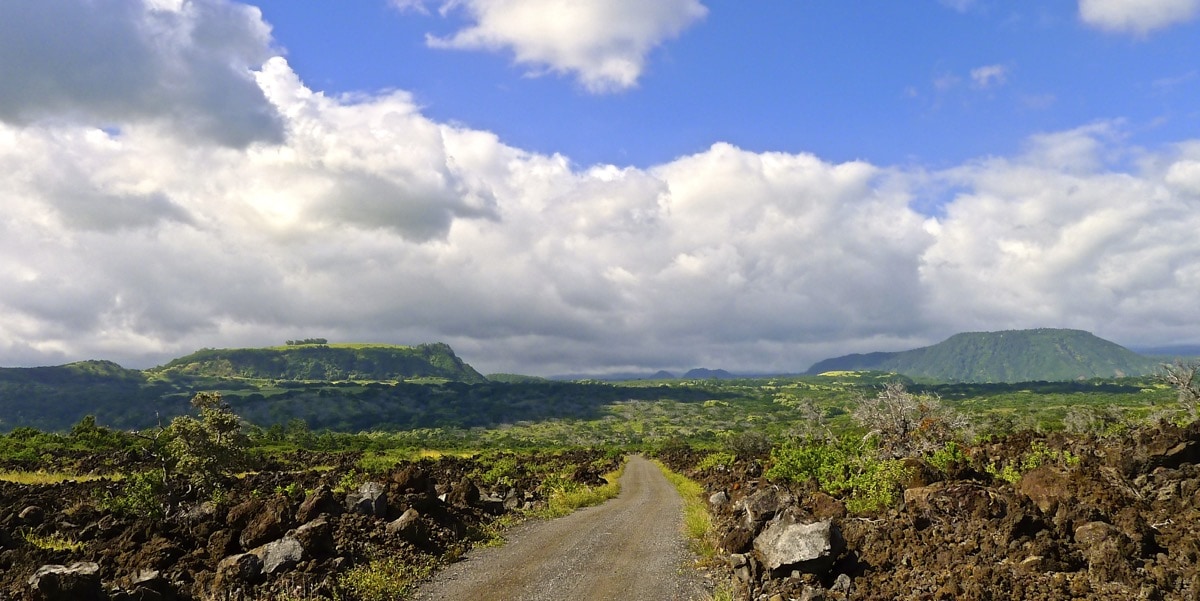
Both highway 11 between Volcano and Pāhala *and* the 15 mile long Kaalaiki road between Pāhala and Nāʻālehu on the mountainside above, offer many great views of the slopes of the Mauna Loa volcano.
This article was created in collaboration with Kaʻū resident Elly Vos.