
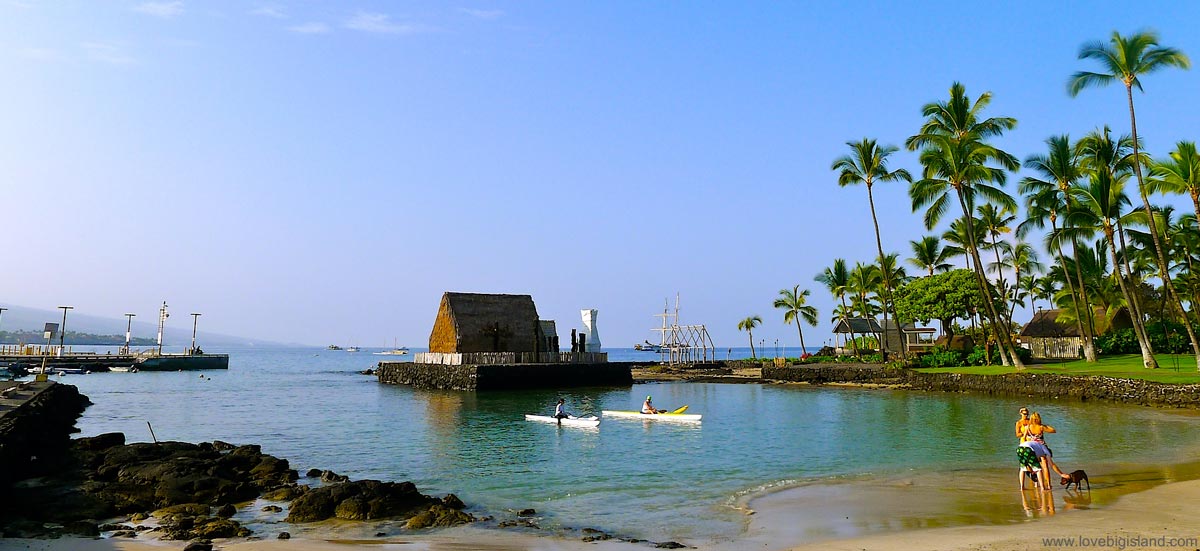
Five days is enough to split your stay between two parts of the Big Island: two nights in sunny Kailua-Kona on the dry west coast, then two nights up in cool, rainforest Volcano Village next to Hawaiʻi Volcanoes National Park. You spend the first half on Kona’s beaches and snorkeling, the second half at the volcano, then take the long way around the island back to the airport on your last day.
This route is a good fit for a first trip. The two bases sit more than two hours apart by car, so Day 3 and Day 5 are long driving days, the hardest ones to plan around with children; our guide to the Big Island with kids has the family version of this route. With a full week, our seven-day itinerary has three nights in Kona and three in Hilo instead.
Table of contents
Money-saving and trip-enhancing trip planning tips
With life getting so expensive it makes sense to save as much money on your trip as you can. These resources help you to save money (#1), to book the best tours and activities (#2), and greatly simplify trip planning (#3 + #4):
- The Discount Hawaii Car Rentals website is our first stop for a quote when we need a rental car. We like them (a) because they offer the BEST rates, (b) require no prepayment and charge no cancellation fees, and (c) because they offer additional benefits such as free extra drivers and reduced young driver rates.
- We put a LOT of effort in figuring out which tours actually are the best. Have a look at our curated tour section to see tours that get consitently good reviews *and* offer great value.
- Did you know we are giving away free itineraries for all Hawaiian islands? These are a great place to start planing your own trip.
- Our Trip Planning 101 Guide is a another GREAT place to start planning for 1st time visitors.
Day 1: Kona and the Beach
Your first two nights are in Kona, on the dry, sunny side of the island, and this first afternoon is for the beach. Pick up your rental car at the Kona airport, drive seven miles south on Highway 19 into town, and drop your bags at your accommodation. If you haven’t booked a place yet, pick one from our guide to accommodations in Kona.
If you arrive during whale season, roughly December through March or April, sign up for a whale-watching cruise, or look into the manta ray night dive or snorkel. Both book out early, so reserve them well ahead.
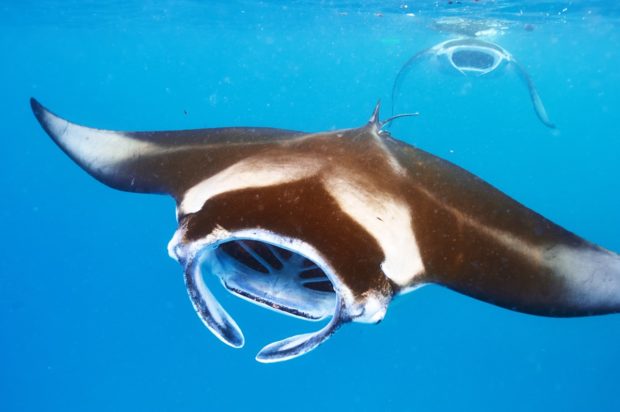
Sunset Manta Ray Night Snorkel at Keauhou Bay
Reef manta rays feed under a lighted float at Manta Village, off Keauhou Bay; Sea Paradise sees them on 85 to 95 percent of nights year-round. You hold still on the float while they pass; this is a fixed-position snorkel, not a free swim.
from:
$130
What is a suggested tour?Our suggested tours are hand-picked tours that receive consistent good reviews, give back to the community, and work hard to minimize their impact on the environment. Read more about these tours on our website.After check-in, drive north on Highway 19 to the west coast beaches such as Kua Bay or Hāpuna. Both are state parks that charge non-residents $5 a person plus $10 for the car, card only. If you arrived later in the day and are short on time, stop at King Kam beach, by the pier at the King Kamehameha Hotel in the center of Kona, for a quick dip or a bit of snorkeling.
End the day with the sunset and a mai tai at the Kona Inn, or any of the beachfront restaurants along Aliʻi Drive. Don’t stay out too late: Day 2 starts early.
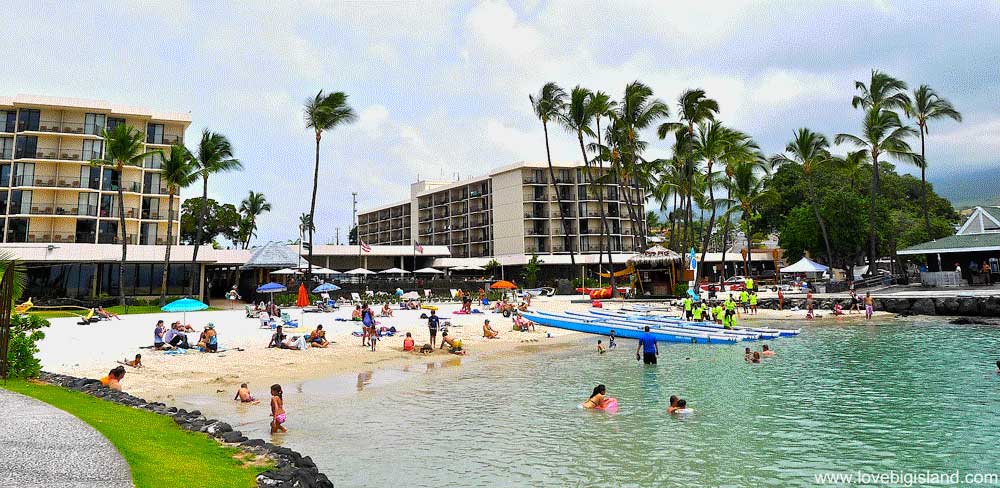
King Kam beach in downtown Kona is a good place for a quick dip between activities. There is decent snorkeling on the other side of the pier
Day 2: Puʻuhonua o Hōnaunau and Snorkeling at Two Step
Get up early, which is easy on your first morning still on mainland time. Have a relaxed breakfast in town with an ocean view, or drive south toward Captain Cook and stop at the Coffee Shack (closed Wednesdays). Either way, order the fresh Kona coffee.
After breakfast, continue south to Puʻuhonua o Hōnaunau National Historical Park, the old place of refuge. Then snorkel next door at Two Step, about 300 feet from the park entrance and one of the best snorkeling spots on the island. The cove is also a culturally significant site: leave the wildlife alone and take nothing from the shore.
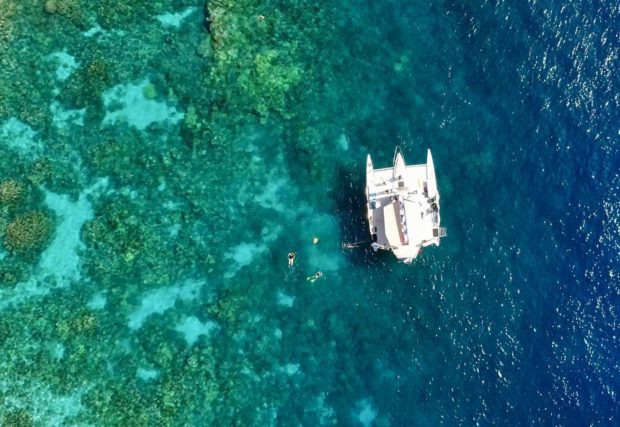
Afternoon Sail & Snorkel at Kealakekua Bay
You reach the reef below the Captain Cook Monument at Kealakekua Bay only by boat or a two-mile paddle from Nāpōʻopoʻo. Sea Paradise’s afternoon catamaran drops you there with crew who stay in the water for the whole snorkel.
from:
$125
What is a suggested tour?Our suggested tours are hand-picked tours that receive consistent good reviews, give back to the community, and work hard to minimize their impact on the environment. Read more about these tours on our website.If you’d rather not snorkel, spend that time on one of the outdoor activities near Kona or on a tour you booked.
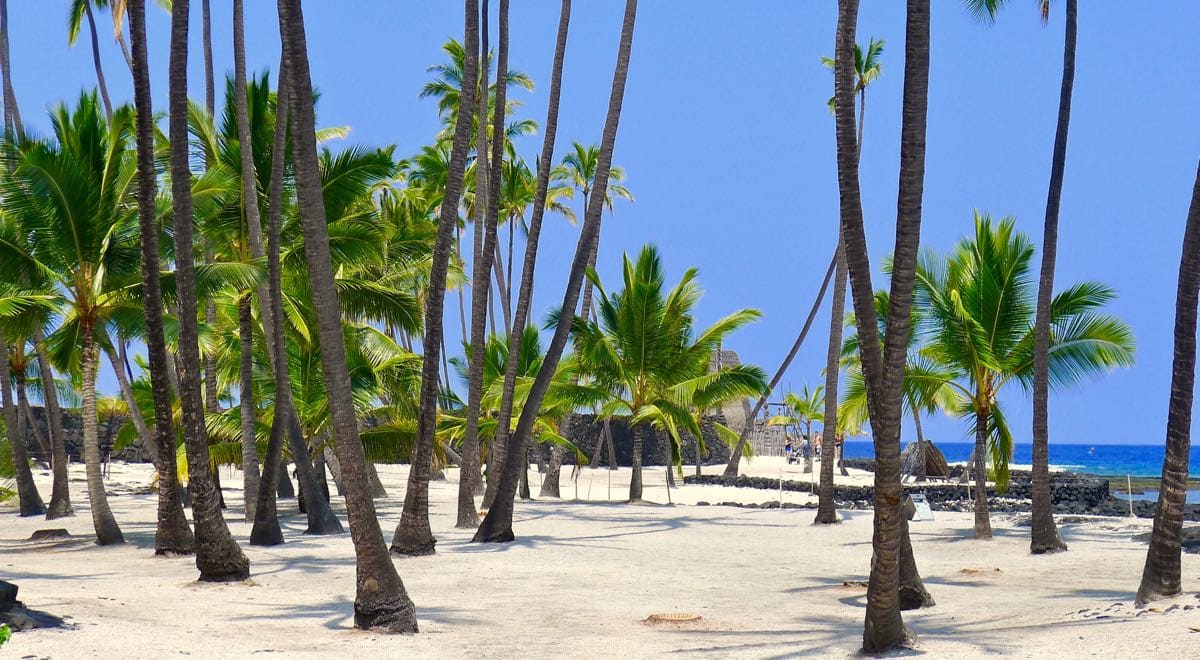
Puʻuhonua o Hōnaunau National Historical Park is a good place to learn about Hawaiian history. Next door, about 300 feet from the park entrance, is Two Step, one of the best snorkeling spots on the island
Day 3: Volcano Village and Hawaiʻi Volcanoes National Park
Day 3 is another early start, so pack before breakfast and begin the 2-plus-hour drive to Volcano Village right after.
Stop at South Point, the southernmost point of the 50 states, or at Punaluʻu black sand beach, where sea turtles haul out to rest. Once you reach Volcano Village, drop your bags at a vacation rental near the park (our guide to Volcano Village vacation rentals lists prices), then head into Hawaiʻi Volcanoes National Park for an afternoon of hiking and sightseeing.
Park entry is $30 per vehicle, good for seven days, and the entrance station takes cards only. Ask the ranger there about trail conditions, ranger-led hikes, and whether there’s an eruption glow to see.
As of October 2026, Kīlauea has erupted at its summit in short fountaining episodes since December 2024, all inside Halemaʻumaʻu crater, with pauses of weeks between them. Check the USGS Hawaiian Volcano Observatory daily update before you drive up.
Stop at Nāhuku (the Thurston Lava Tube) and drive the Chain of Craters Road, which drops from the summit down to the coast. If you want a hike, we suggest the Kīlauea Iki trail: it descends from the rainforest to a crater floor that was a churning lava lake in 1959.
Afterward, head back to Volcano Village for dinner at one of the local restaurants. If an eruption episode is running, drive back into the park after dark to see the glow above Halemaʻumaʻu from Uēkahuna or Kūpinaʻi Pali, two overlooks on the caldera rim. If your rental has a fireplace or a hot tub, end the night there.

Visit an overlook in Hawaiʻi Volcanoes National Park at night to see the glow above the Halemaʻumaʻu crater, when the summit is erupting
Day 4 (Option 1): Kalapana and the Puna Coast
For your last full day, head back into Hawaiʻi Volcanoes National Park or take a road trip. On this option you drive southeast to Puna and Kalapana; on option 2 you spend the day in Hilo.
Kalapana is where lava buried the old Kaimū black sand beach and the town around it in 1990. A new black sand beach has grown in since, and residents have planted coconut palms along it. Make a full day of Puna: the coast here is some of the youngest land on the island, built by the 1990 and 2018 flows.
From Kalapana you can drive up the coast road to Isaac Hale Beach Park at Pohoiki, where the 2018 eruption left a new black sand beach. The coast road ends there now, so it’s an out-and-back rather than a loop through to Kapoho. Head inland afterward for dinner in Pāhoa, and try Luquin’s for Mexican: order a margarita local style, with lilikoi (passion fruit) juice and a li hing mui (salted dried plum) salt rim.
Then drive back up to Volcano Village for your last night.
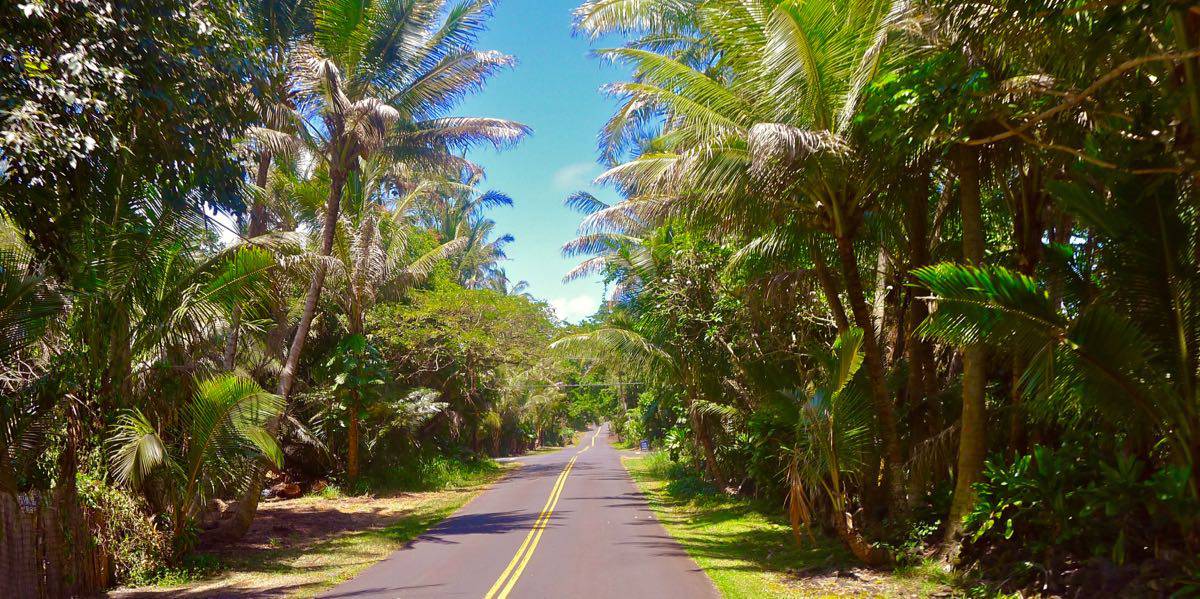
The coastal Red Road (Highway 137) in Puna now ends at Pohoiki, where a new black sand beach formed in the 2018 eruption
Day 4 (Option 2): Hilo, Rainbow Falls, and Mauna Kea
If you skip Puna, spend day four in Hilo instead, then finish the evening above the clouds on Mauna Kea.
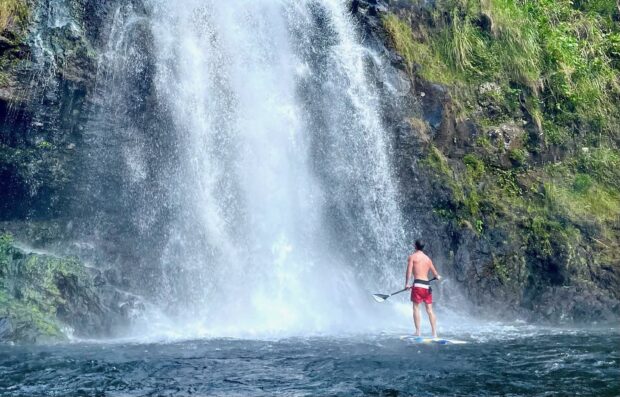
Private Kulaniapia Falls Day Pass
Swim and play at a private waterfall about five miles west of downtown Hilo and skip the crowds.
from:
$49
What is a suggested tour?Our suggested tours are hand-picked tours that receive consistent good reviews, give back to the community, and work hard to minimize their impact on the environment. Read more about these tours on our website.Drive down to Hilo, about 45 minutes north, for breakfast at Ken’s House of Pancakes, an old-school American diner with window booths.
Afterward, head downtown to walk the shops and galleries, and visit the Pacific Tsunami Museum, open daily from 10am to 4pm. The Hilo Farmers Market runs every day and is biggest on Wednesdays and Saturdays. Pick up fruit and bento there for lunch.
For something sweet, Two Ladies Kitchen (274 Kīlauea Ave) sells fresh mochi, small Japanese-style sweets. The strawberry mochi are our pick.
Take the lunch you picked up out to one of the beaches in Keaukaha, east of downtown. We like Richardson’s or Four Mile for the Hilo Bay views and the easy swimming; our guide to beaches in Hilo lists the rest.
After lunch, head up Waiānuenue Avenue from downtown to Rainbow Falls for photos, then farther up the same road to the Boiling Pots. Both sit inside Wailuku River State Park, and one fee covers both: non-residents pay $5 a person plus $10 for the car, card only. The gates lock at 6pm.
In the late afternoon, drive up Saddle Road toward Mauna Kea for the stargazing. Coming back down after dark, stay on Saddle Road rather than the coastal routes; our guide to driving between Kona and Hilo explains why and gives each route’s drive time. Any rental car can reach the visitor information station at 9,200 feet. Above it you need a four-wheel-drive vehicle in 4WD low range, so check what your rental agreement allows before you try the summit road. A guided tour is the easier way up: Hawaii Forest & Trail runs from Kona, and guests coming from the Hilo side meet the tour at the visitor station.
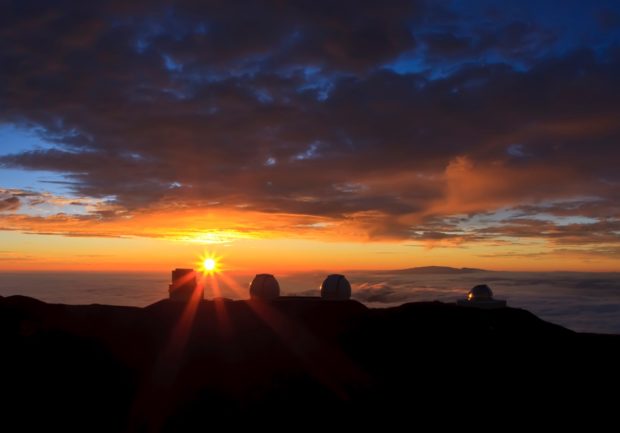
Maunakea Summit, Sunset, and Stargazing Tour
A small-group tour from Kona to the 13,796-foot summit of Maunakea: dinner at 9,200 feet, sunset above the cloud layer, and a private star show with an 11-inch telescope. Saturn, Jupiter, and the Milky Way on a clear night when they are above the horizon. 8 to 9 hours.
from:
$315
What is a suggested tour?Our suggested tours are hand-picked tours that receive consistent good reviews, give back to the community, and work hard to minimize their impact on the environment. Read more about these tours on our website.For safety tips and what to bring, see our guide to stargazing on Mauna Kea.
Then drive back to Volcano Village for your last night; the day ends well after dark. If clouds hid the glow on Day 3 and an eruption episode is still running, stop at a caldera overlook on the way in.
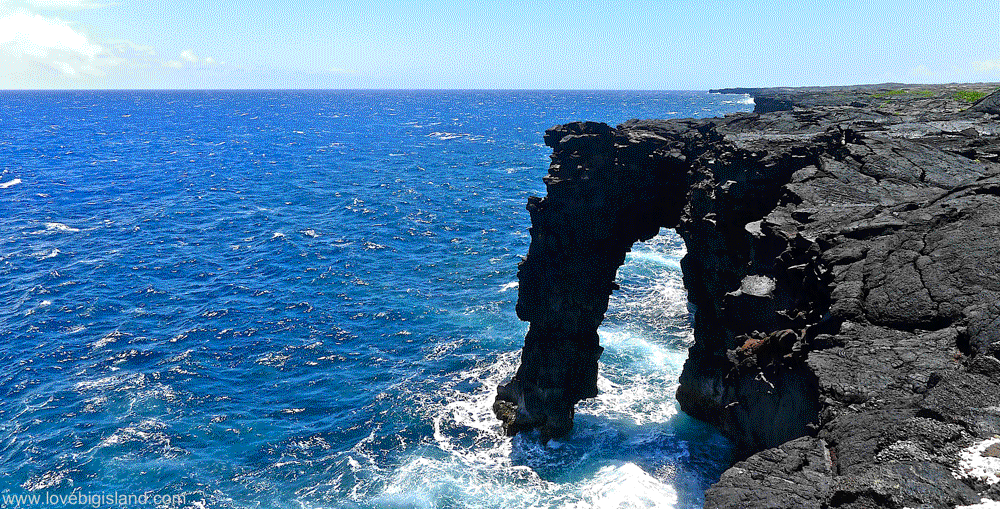
At the end of Chain of Craters Road in Hawaiʻi Volcanoes National Park, the Hōlei Sea Arch rose from cliffs 80 to 90 feet high until it fell into the sea in late September 2026.
Day 5: Road trip to Waipiʻo Valley
On your last day, drive back to the Kona airport counter-clockwise around the north of the island, through Hilo and along the Hāmākua Coast. It runs about 140 miles, close to five hours of driving before you add stops, so leave yourself plenty of time before your flight.
Pack up, then drive down to Hilo for breakfast and the sunrise over the bay. From there, take Highway 19 north onto the Hāmākua Coast.
North of Hilo, turn off Highway 19 at Kulaimano Road, just north of Hawaii Tropical Botanical Garden, to drive the Onomea Scenic Route, the old Māmalahoa Road, a winding stretch through jungle and over one-lane bridges along the coast. Back on Highway 19, stop at ʻAkaka Falls State Park, where a short paved loop from the parking lot leads to a 442-foot waterfall. Non-residents pay $5 a person plus $10 for the car, card only, and the park closes at 5pm.
Continue north to Honokaʻa, an old sugar town with a row of shops and galleries and a good lunch stop: Tex Drive In, for a hot malasada (Portuguese fried doughnut). From there it’s a short drive to the Waipiʻo Valley overlook at the end of Highway 240, with a wide view over the “Valley of Kings,” one of the most culturally important places for Native Hawaiians and long a center of taro (kalo) farming.
Waipiʻo Valley Road has been closed to all pedestrians since 2022 under a county emergency rule, and vehicle access is limited to residents, permitted tour operators and Native Hawaiians exercising traditional rights. The overlook is as far as you can go on your own. A permitted shuttle tour, $67 for adults and $36.50 for children, is the only way onto the valley floor, and it has to be booked ahead.
From there, drive through Waimea and start heading for the airport. On the way down toward the coast you can stop in Waikoloa to eat, or pull off at a beach along Highway 19 such as Kua Bay for a last swim before your flight. Its gates shut at 7pm.
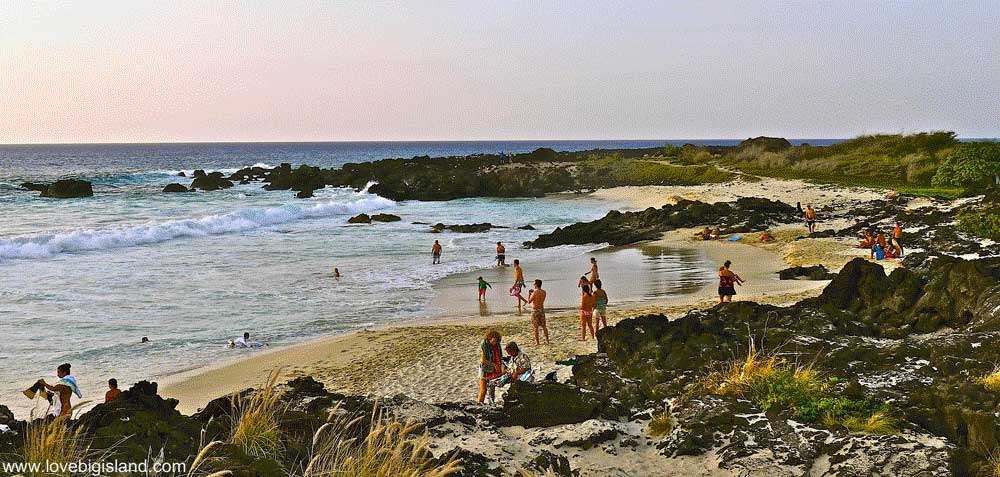
The Kua Bay beach is close to the airport and a good place to watch your last Hawaiian sunset if you have a late flight