
Stay all seven nights in one South Maui hotel, in Kīhei or Wailea, and drive out from there each day. You spend the six full days between arrival and departure on South Maui beaches, the Road to Hāna, a Molokini snorkel trip, ʻĀhihi-Kīnaʻu and La Perouse Bay, Haleakalā with Upcountry Maui, and ʻĪao Valley with a lūʻau.
We built this plan for a first trip to Maui. In 2025 the average Maui visitor stayed 7.8 days, the longest of any Hawaiian island, according to state visitor statistics from DBEDT and the Hawaiʻi Tourism Authority. Before you fly, book entry and parking at Waiʻānapanapa State Park and ʻĪao Valley, and a Haleakalā sunrise vehicle reservation if you drive up to watch it.
Table of contents
- Where to stay: One Base in Kīhei or Wailea
- Day 1: Arrival
- Day 2: South Maui Beaches
- Day 3: Pāʻia, Hoʻokipa, the Road to Hāna, Kīpahulu
- Day 4: A Day on the Water
- Day 5: ʻĀhihi-Kīnaʻu, Mākena, and La Perouse Bay
- Day 6: Haleakalā and Upcountry Maui
- Day 7: ʻĪao Valley and a Lūʻau
- Day 8: Last Morning and Departure
Treat Maui’s natural, cultural and historical sites with respect, and leave them as you found them.
Where to Stay: One Base in Kīhei or Wailea
Kīhei and Wailea sit side by side on Maui’s South Shore. From either, Kahului Airport is about 25 minutes away by road, Māʻalaea Harbor, where the Molokini catamarans load, about 15 minutes, and the Day 5 beaches start where Wailea ends. Kīhei is mostly condos and small hotels; Wailea, just south, is the resort area.
The Road to Hāna and the drive up Haleakalā both start in central Maui. From Kīhei, Pāʻia at the start of the Road to Hāna is about 30 minutes away; from Kāʻanapali in West Maui, it’s closer to an hour. Our Maui accommodations guide lists places to stay by area, and our Introduction to Maui compares the island’s regions if you’d rather base elsewhere.
Day 1: Arrival
Most likely you’ll land at Kahului Airport in the afternoon or evening, after a long travel day.
Pick up your rental car at the airport. Shared shuttles such as Roberts Hawaii run from the airport to the South Shore hotels, so you could take one the first day and rent a car later, only for the days you need it (several hotels have car rental desks nearby). Either way, Maui is spread out, and you’ll need a car every day from Day 3 on.
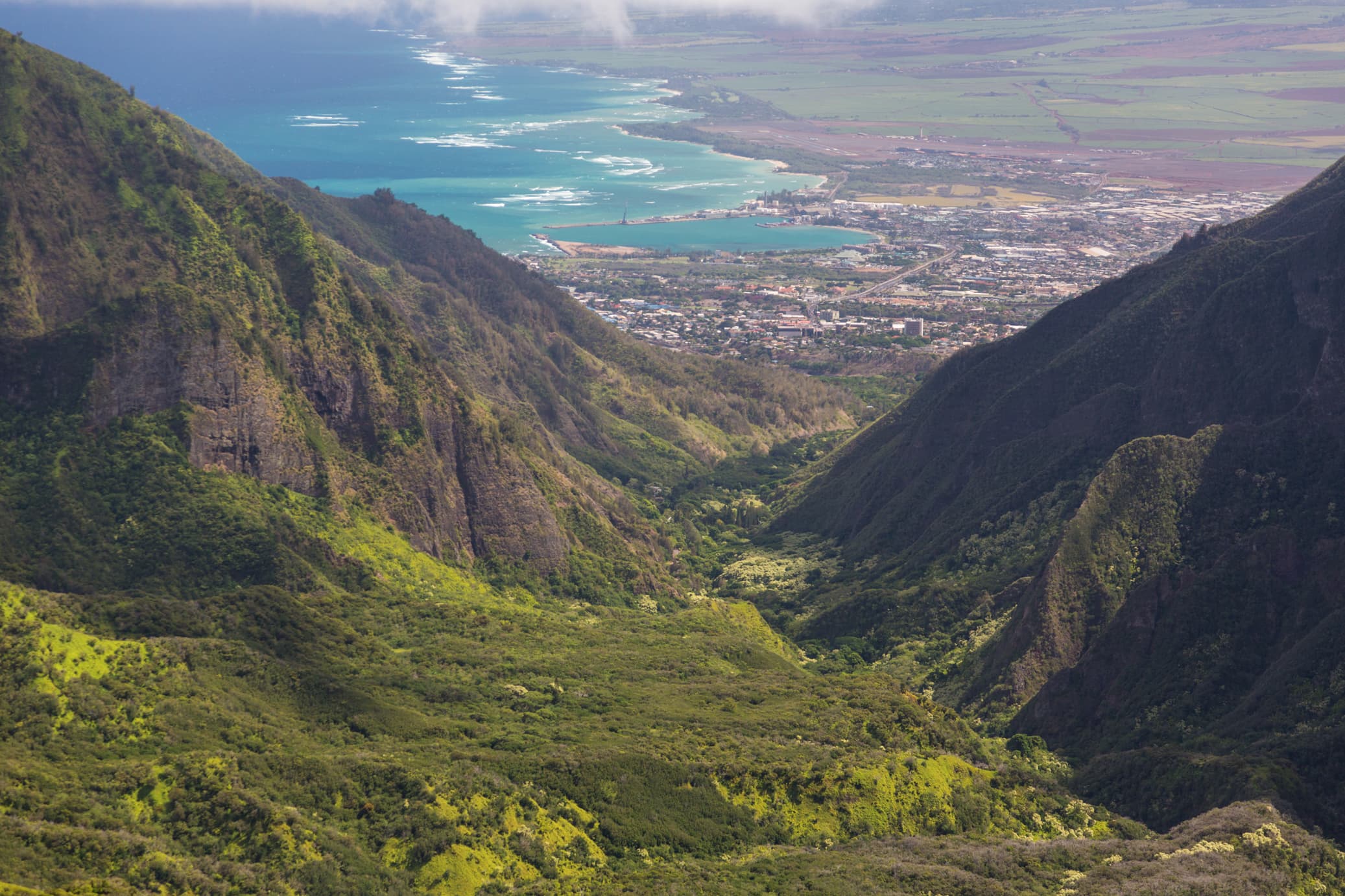
Kahului, seen from ʻĪao Valley in central Maui. Image credit: Hawaii Tourism Authority (HTA) / Tor Johnson
The drive from the airport to Kīhei crosses the flat isthmus between Haleakalā and the West Maui Mountains. If you arrive before dark, walk the beach in front of your hotel, ideally at sunset. For a first dinner, find fresh fish or kālua pork (pork slow-cooked in an underground oven), then get to bed early.
Where you sleep: Kīhei or Wailea.
Make the most out of your Maui itinerary with personal advice
We go over your plans with you, including whether to visit one island or several and what to do there.
A 30-minute call costs $59.
Day 2: South Maui Beaches
With jet lag, you’ll probably wake up early on Day 2. Don’t resist it. The beach is calm in the morning, a good time for a swim or a walk with a coffee before breakfast.
Spend today on the beaches close to your base (see our guide to Maui’s beaches). Kīhei’s Kamaʻole Beach Parks I, II and III line South Kīhei Road, and in Wailea a paved shoreline path connects the resort beaches. You could snorkel, kayak, or stand-up paddle, or do nothing more than sit under an umbrella.
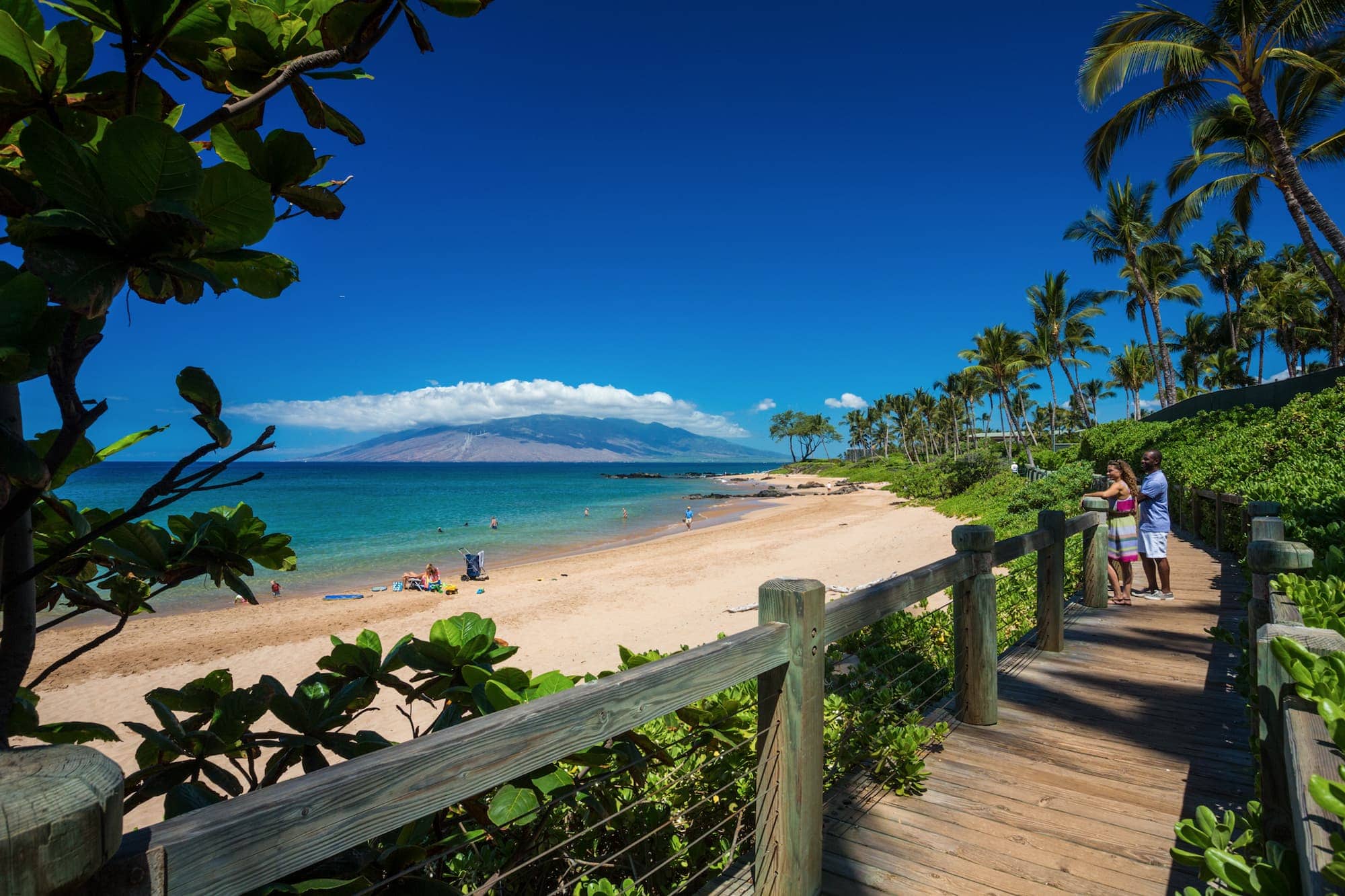
The shoreline path along the Wailea resort beaches. Credit: Hawaii Tourism Authority (HTA) / Tor Johnson
If you have specific interests, use the afternoon for them: golf, horseback riding, or other land activities. Our list of 13 favorite things to do in and around Kīhei covers the beaches, Maui Ocean Center and Keālia Pond, all close to your base.
For dinner, stay near the hotel and try one of Kīhei’s seafood restaurants. Pack the car tonight: tomorrow’s drive starts early.
Where you sleep: Kīhei or Wailea.
Day 3: Pāʻia, Hoʻokipa, the Road to Hāna, Kīpahulu
Leave Kīhei early, with a daypack of water, sunscreen, closed-toe shoes and snacks. Plan to be out for the whole day.
Today you’ll drive the Road to Hāna, the all-day, stop-and-go scenic drive along Maui’s north shore and east coast. Along the way you’ll pass Pāʻia, a surf town about 30 minutes from Kīhei; Hoʻokipa, a surf and windsurf beach beside the highway; and finally reach Kīpahulu, the coastal district of Haleakalā National Park, 12 miles past Hāna town.
Before you go, read our Road to Hāna guide, which lists the best stops and the routes to choose between. You can also let someone else do the planning and driving, for example on this tour run by a local family:
Road to Hāna, Hawaiian Style
A native Hawaiian family from Hana guides groups of up to 12 through the Road to Hana, with stops at the black sand beach, a waterfall swim, and fresh banana bread at Aunty Sandy's.
from:
$210
What is a suggested tour?Our suggested tours are hand-picked tours that receive consistent good reviews, give back to the community, and work hard to minimize their impact on the environment. Read more about these tours on our website.Waiʻānapanapa State Park, near Hāna town, with its black sand beach, requires an entry and parking reservation for non-residents, made in advance on the state parks reservation site; the park is open 7:00 a.m. to 6:00 p.m.
At Kīpahulu, the national park charges $30 per private vehicle, valid for three days. Along the highway itself, cars parked in the signed no-parking zones from the Waikamoi Stream bridge onward get a $35 ticket plus a $200 surcharge, so park only in marked pullouts and lots.
Turn around at Kīpahulu and return the way you came. The National Park Service puts the drive from Kahului to Kīpahulu at about four hours, so start back early enough to clear the narrow stretches before dark. The road beyond it, through Kaupō toward Kula, has long one-lane stretches and unpaved sections, and several rental car agreements restrict driving it. Check yours.
On the way back, stop in Pāʻia for dinner. Paia Fish Market on the Hāna Highway is open daily until 9:00 p.m. Mama’s Fish House, just east of town, is open daily; reserve months before your trip by phone at (808) 579-8488.
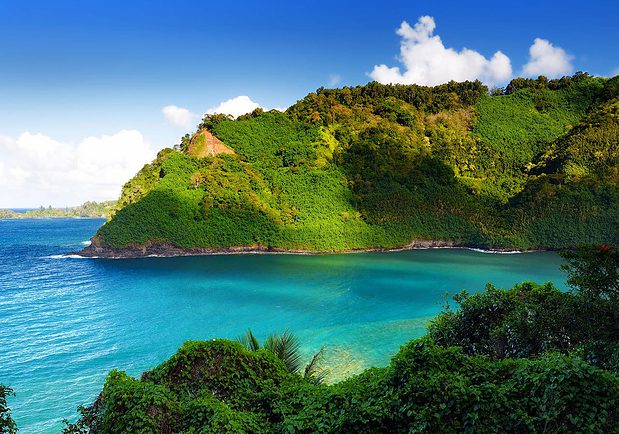
We put this drive early in the week so you can move it if the weather turns. The windward east side of Maui gets far more rain than the South Shore; our Maui weather guide compares rainfall on the two sides.
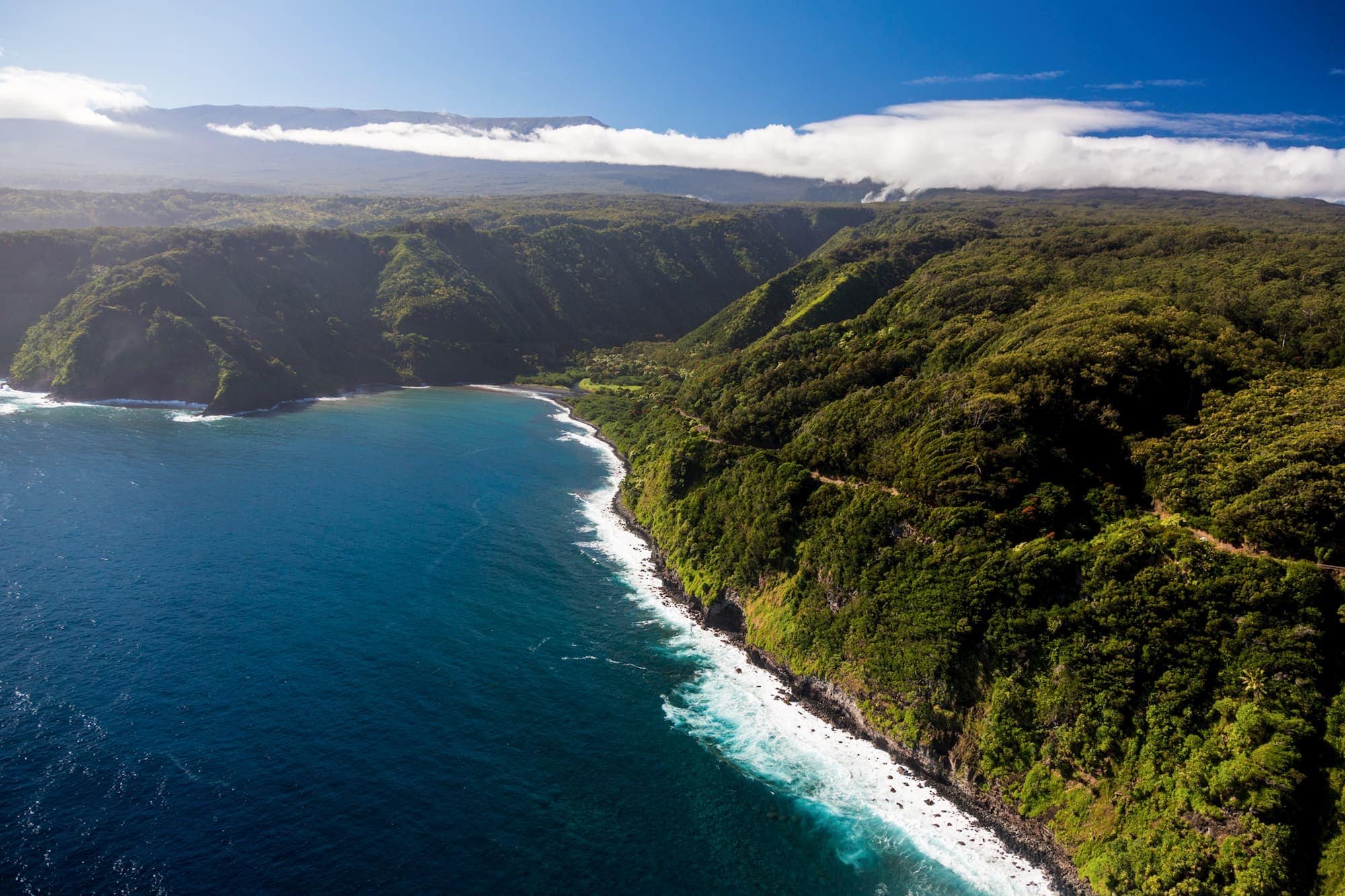
The Hāna Highway from the air. Hawaii Tourism Authority (HTA) / Tor Johnson
Where you sleep: Kīhei or Wailea.
Day 4: A Day on the Water
After a long day in the car, spend today on the water off South Maui, around Molokini. From November through May, humpback whales winter in Hawaiʻi. NOAA estimates that about half of the North Pacific’s humpbacks, thousands of animals, come to Hawaiian waters each winter and spring, and January through March is the usual peak.
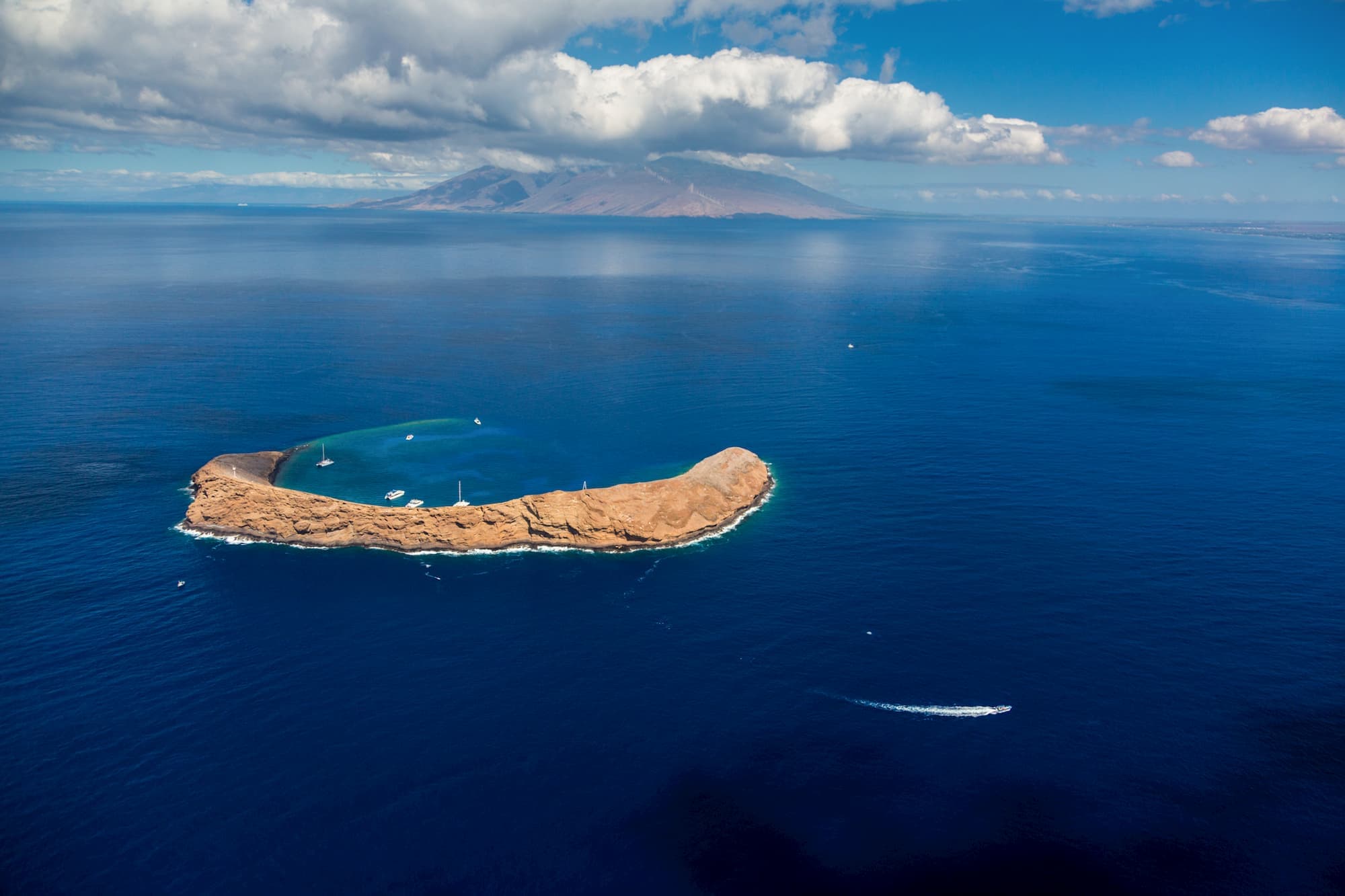
Molokini, with Kahoʻolawe in the background, is one of the best places for snorkeling and scuba diving on Maui. Credit: Hawaii Tourism Authority (HTA) / Tor Johnson
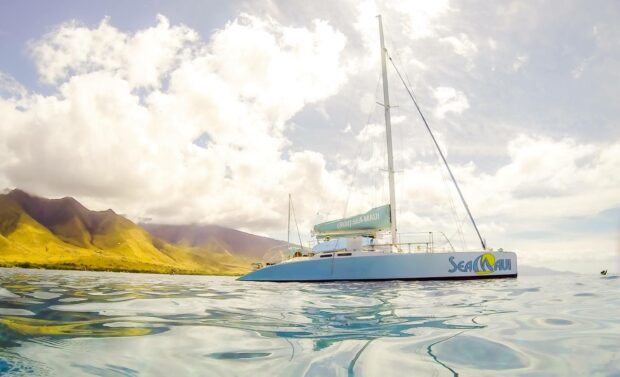
Snorkel trips to Molokini run year-round, and from a boat in the channel you look across to Molokaʻi, Lānaʻi and Kahoʻolawe. Boats range from catamarans carrying 100-plus people to rafts that take about two dozen. Molokini catamarans like the one below leave from Māʻalaea Harbor, about 15 minutes from Kīhei. For a winter trip, our Maui whale watching guide covers the best months, the tours and the shore lookouts.
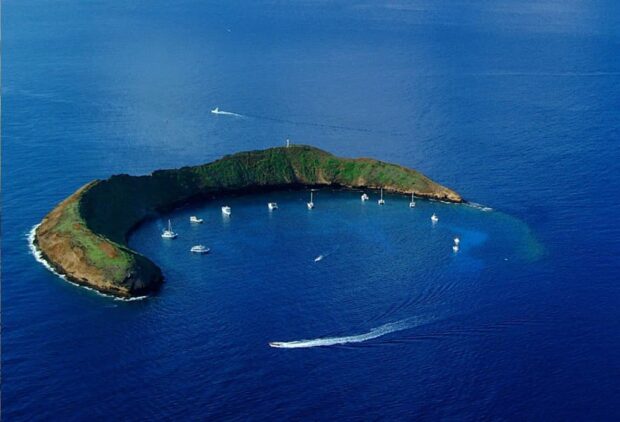
Molokini Snorkeling Tour & Catamaran Sail
Sail a catamaran to Molokini, a crescent-shaped crater and marine preserve off Maui. Breakfast and lunch are included.
from:
$185
What is a suggested tour?Our suggested tours are hand-picked tours that receive consistent good reviews, give back to the community, and work hard to minimize their impact on the environment. Read more about these tours on our website.West Maui has its own snorkel boats, which load on Kāʻanapali Beach, about 50 minutes from Kīhei. The half-day trip below includes breakfast and lunch and visits two snorkel spots:
West Maui Half Day Snorkel Adventure
Explore 2 of West Maui's top snorkeling spots on this popular half-day tour departing from Ka'anapali Beach - breakfast and lunch are included!
from:
$189
What is a suggested tour?Our suggested tours are hand-picked tours that receive consistent good reviews, give back to the community, and work hard to minimize their impact on the environment. Read more about these tours on our website.If you’d rather surf, several surf schools in Kīhei teach beginner lessons close to your base. Our guide to Maui’s water activities lists surf spots and surf classes.
After a day in the sun on the water, plan on an early dinner.
Where you sleep: Kīhei or Wailea.
Day 5: ʻĀhihi-Kīnaʻu, Mākena, and La Perouse Bay
Today’s route runs south from Wailea to the end of the road at La Perouse Bay. Start with an early walk or swim at your home beach; if you want more, fit in an hour of surfing, paddling or kayaking before breakfast.
After breakfast, rent snorkel gear for the day from a surf shop in Kīhei or from your hotel’s activities desk. Then drive south to snorkel and hop between beaches, with a few short walks on lava. Bring sunscreen, water, snacks, closed-toe shoes and, if you like, a picnic lunch.
Mākena State Park’s main beach, Big Beach, is a long white sand beach with no high-rises or condos behind it, only the slope of Puʻu Ōlaʻi, a cinder cone. There is no drinking water, and the shore break can be dangerous, so check the surf before you swim. Non-residents pay $5 per person and $10 per vehicle; no reservation is needed.

A small beach on the Mākena coast of South Maui. Credit: Hawaii Tourism Authority (HTA) / Tor Johnson
Past Mākena, the ʻĀhihi-Kīnaʻu Natural Area Reserve protects 807 submerged acres of reef and lava. Its northern section, the part most visitors use, is open 5:30 a.m. to 7:30 p.m. for a $10 per car day-use fee, payable by card only.
Other good snorkel spots on this coast include Maluaka Beach and Five Graves; our guide to snorkeling on Maui covers each one. If you’d rather go with a guide, Hawaiian Paddle Sports runs kayak and snorkel tours from Mākena; book before you fly.
The road ends at La Perouse Bay, on lava from Haleakalā’s most recent eruption, which the state dates to 200 to 500 years ago. Walking paths cross the lava fields to views along the coast (wear closed-toe shoes), and on calm days you can snorkel in the smaller coves.
Where you sleep: Kīhei or Wailea.
Day 6: Haleakalā and Upcountry Maui
Today is for Haleakalā, whose summit stands at 10,023 feet, and for the towns of “Upcountry Maui,” the farm and ranch belt on its slopes.
Good to know: our Haleakalā guide covers when to go up, the sunrise reservation and the trails.
You can watch the sunrise from the summit, either on a tour, some of which add a bike ride down the mountain, or by driving yourself. The tours pick up around 3:00 a.m. If you drive, every vehicle entering the park between 3:00 and 7:00 a.m. needs a $1 sunrise reservation from recreation.gov, released 60 days ahead at 7:00 a.m. Hawaiʻi time, with a second batch two days ahead. The $30 per vehicle entrance fee is separate.
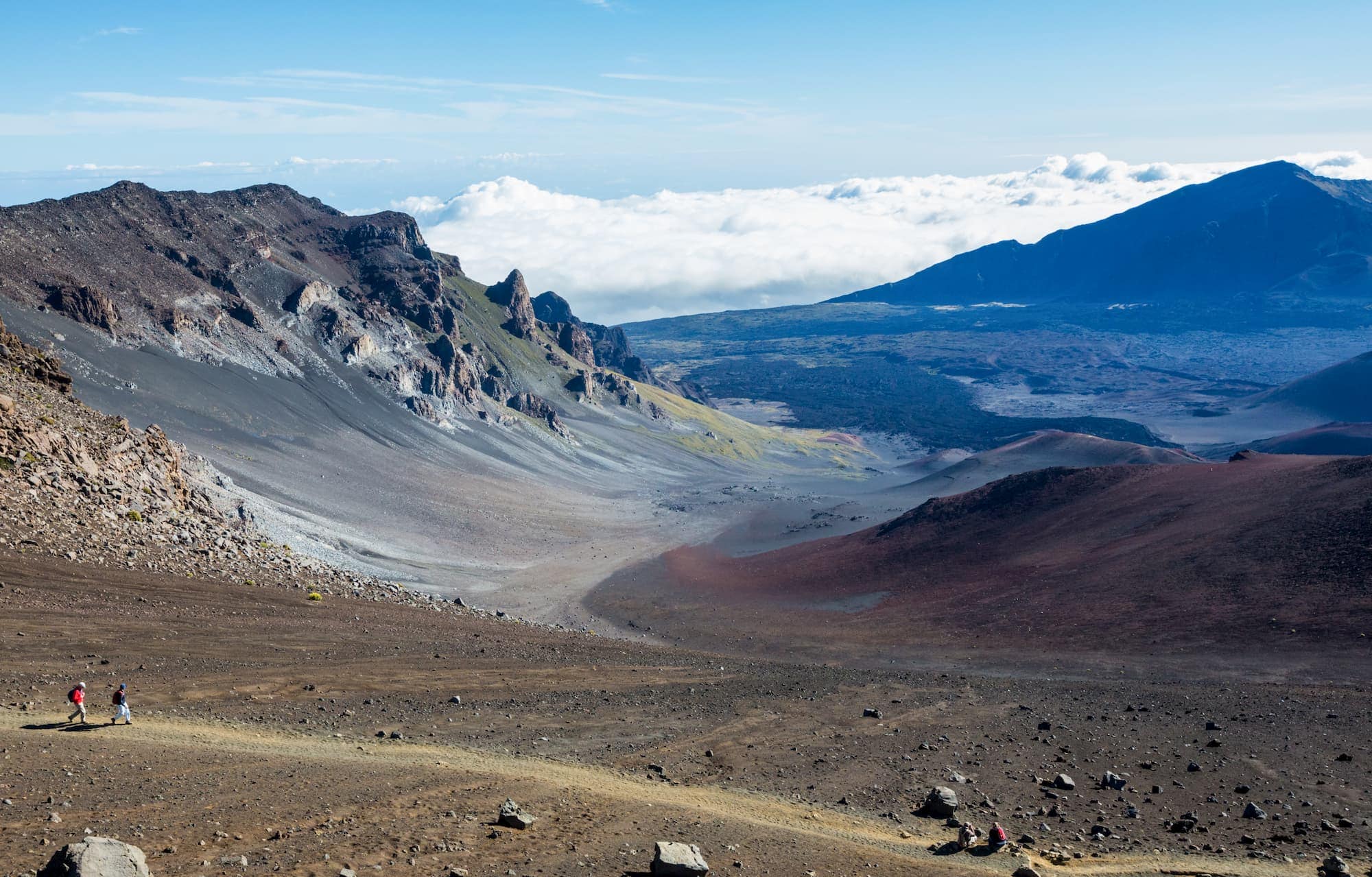
Part of the hiking trail along Haleakalā Crater (2 people for scale in the lower left corner). Credit: Hawaii Tourism Authority (HTA) / Tor Johnson
Outside sunrise hours, no reservation is needed. The 37-mile Haleakalā Highway (one of our 4 favorite scenic drives on Maui) climbs from Kahului past farms and ranch land, then forest, then bare grass and rock above the tree line. Before you go, read the park service’s notes on the road and its terrain.
For sunrise, plan on the three hours the National Park Service gives for the drive from Wailea, about 30 minutes of it between the entrance gate and the summit. Fill the tank in Pukalani, the last gas on the way up.
The park sells no food, clothing or gas, so bring your food with you. The summit is about 30°F cooler than the coast and can drop below freezing, so pack a jacket, layers, long pants and closed-toe shoes. Trails start at the summit, including the Sliding Sands Trail; carry all your water and snacks with you. Allow twice as long for the climb back up as for the walk down.
You can also see Haleakalā at night on a stargazing tour, which starts before sunset, with a guide who takes you through the park and its night sky.
On the way down, stop in one of the Upcountry towns: Makawao, home of Maui’s paniolo (cowboy) culture, or Kula, a farm district. Both have small, locally run restaurants and cafes.
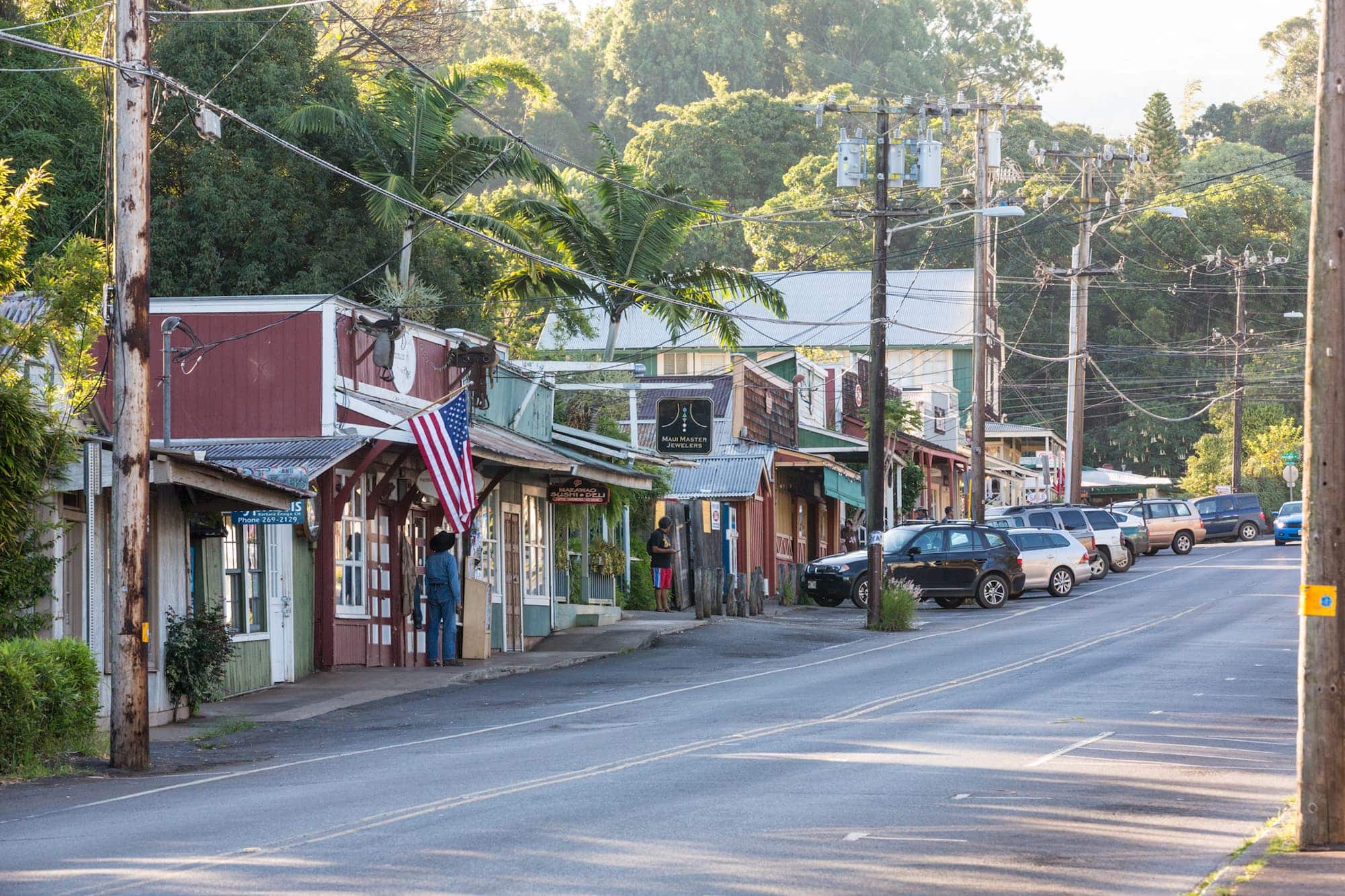
Along the streets of Makawao (Upcountry Maui). Image credit: Hawaii Tourism Authority (HTA) / Tor Johnson
By the time you are back at sea level, it will be late afternoon. Head to your beach, or find a waterfront restaurant in Kīhei for happy hour.
Where you sleep: Kīhei or Wailea.
Day 7: ʻĪao Valley and a Lūʻau
ʻĪao Valley, about 30 minutes from Kīhei, was the site of the Battle of Kepaniwai in 1790, one of the bloodiest battles in Hawaiian history, fought between the armies of Hawaiʻi Island and Maui. Kamehameha and his army from Hawaiʻi Island won, and in the traditional account the stream ran red that day.

The ʻĪao Needle, in ʻĪao Valley State Monument. Image credit: Hawaii Tourism Authority (HTA) / Tor Johnson
The main sight in ʻĪao Valley State Monument is the ʻĪao Needle, which rises 1,200 feet from the valley floor. Read up on the Needle’s history and the Hawaiian stories about it before you go. Paved walking paths loop through the park, with access points down to the stream.
Non-residents need an entry and parking reservation, made in advance on the state parks reservation site: $5 per person plus $10 per vehicle. The park is open 7:00 a.m. to 6:00 p.m., and an hour is enough. Go early in the morning, before the crowds. In high season, reserve well ahead. Afterward, stop for coffee in Wailuku, the town just below the valley.
Use the afternoon for a tour, a tee time, or a town you haven’t seen. One option is West Maui, about 50 minutes from Kīhei: walk Kāʻanapali Beach, or ride the zipline course above Kapalua:

Kapalua Ziplines: 6-Line Dual Racing Course, West Maui
An ATV ride up through the rainforest, six racing ziplines, and the 360-foot suspension bridge that ranks longest in Hawaiʻi. The premium West Maui choice for groups who want an ATV ride and a bridge crossing along with the ziplines.
from:
$240
What is a suggested tour?Our suggested tours are hand-picked tours that receive consistent good reviews, give back to the community, and work hard to minimize their impact on the environment. Read more about these tours on our website.Book a lūʻau (a Hawaiian feast) for your last full night. You eat a Hawaiian dinner and watch the sunset while dancers perform hula and other Polynesian dances; the lineup varies by show. Our Maui lūʻau guide compares all 11 shows, with 2026 prices.
Where you sleep: Kīhei or Wailea.
Day 8: Last Morning and Departure
Many flights back to the mainland leave in the evening or late at night. If yours does, you still have most of the day. Use it for what you missed: a last half-day tour, one more surf or snorkel, or a final morning on the beach. Kahului Airport is about 25 minutes from Kīhei, so keep the car until you head for the airport, and add time to return it at the rental car center and ride the tram to the terminal.
Before you leave, learn the Hawaiian saying “A hui hou,” which means “until we meet again.”