
Thinking about a trip to Hawaiʻi? Good news. In this part of our site, you’ll find many resources that can help you at any stage of the planning process.
But first, we take the time here to address the four basic questions that we find most helpful for first-time visitors:
Table of contents
- Which island(s) should you visit?
- How many islands should you visit?
- What’s the best time of year to come?
- How can you best prepare for your trip?
Money-saving and trip-enhancing trip planning tips
With life getting so expensive it makes sense to save as much money on your trip as you can. These resources help you to save money (#1), to book the best tours and activities (#2), and greatly simplify trip planning (#3 + #4):
- The Discount Hawaii Car Rentals website is our first stop for a quote when we need a rental car. We like them (a) because they offer the BEST rates, (b) require no prepayment and charge no cancellation fees, and (c) because they offer additional benefits such as free extra drivers and reduced young driver rates.
- We put a LOT of effort in figuring out which tours actually are the best. Have a look at our curated tour section to see tours that get consitently good reviews *and* offer great value.
- Did you know we are giving away free itineraries for all Hawaiian islands? These are a great place to start planing your own trip.
- Our Trip Planning 101 Guide is a another GREAT place to start planning for 1st time visitors.
Which island should you go to?
If you’re thinking that anywhere you end up in Hawaiʻi will be the same experience, think again. Each island offers its own unique mix of visitor-oriented strengths and weaknesses, appealing to different types of travelers and interests. Oʻahu, for example, has a major international city on its shores, while Lānaʻiʻs population is little more than 3,000.
Not only does each island have its own unique personality, so it is true of the regions on each individual island as well. After visiting Hilo and Kona, for example, you’ll probably have trouble believing they’re on the same island.
All this to say, which island(s) you should visit depends on what you want to do. Of course, you can find a little bit of everything on each island, but certain activities and interests definitely stand out. If you’re a beach bum, for example, you probably want to be on Oʻahu or Maui; if you’re seeking high elevations and volcanic craters, Big Island and Maui are ideal.
Below, we highlight the traits of each island. These are meant to be used for general, introductory purposes and is not meant to rank the islands in any specific order.
The Big Island (Island of Hawaiʻi)
Best for: Colorful beaches, Farm Tours, Volcano Activities, Hiking.
Also offers: Water Activities, Cultural Sites.
Less: Nightlife, Culinary, Shopping.
Highlights: See our Big Island overview article for a good introduction to the local highlights.
Unique to this island: Manta Ray night snorkel/dive, seeing red-hot lava.
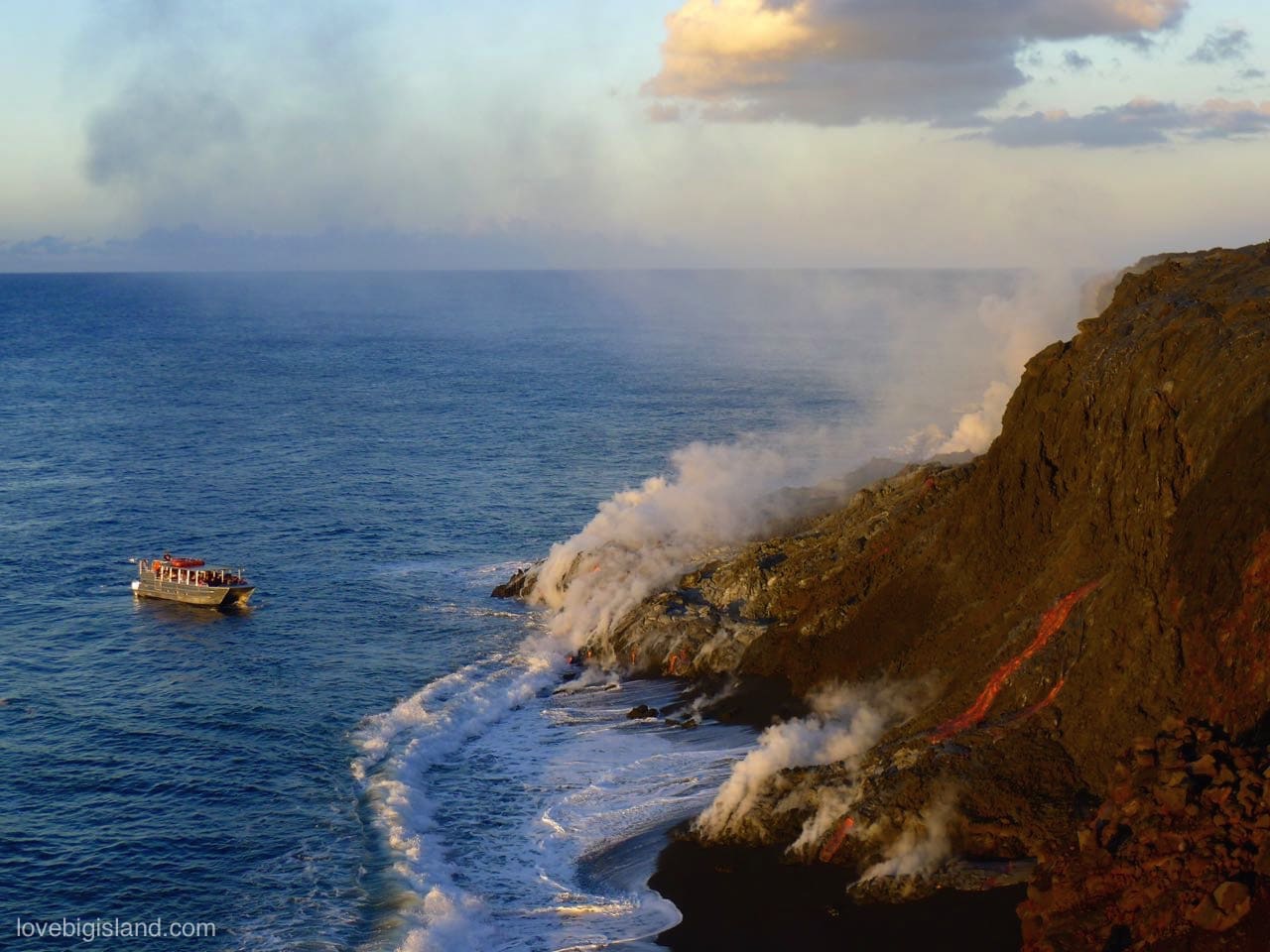
One of the unique selling points of the Big Island are the active volcanoes. At no other island can you see red-hot lava, such as here at an ocean entry point.
Oʻahu
Best for: Beaches, Surfing, Museums/Historical Sites, Culinary, Nightlife, Variety.
Also offers: Hiking, Water Activities (snorkeling, kayaking, boating, whale watching, etc).
Less: Personal space, slow-paced feel.
Highlights: See our list of top 5 things to do on Oʻahu.
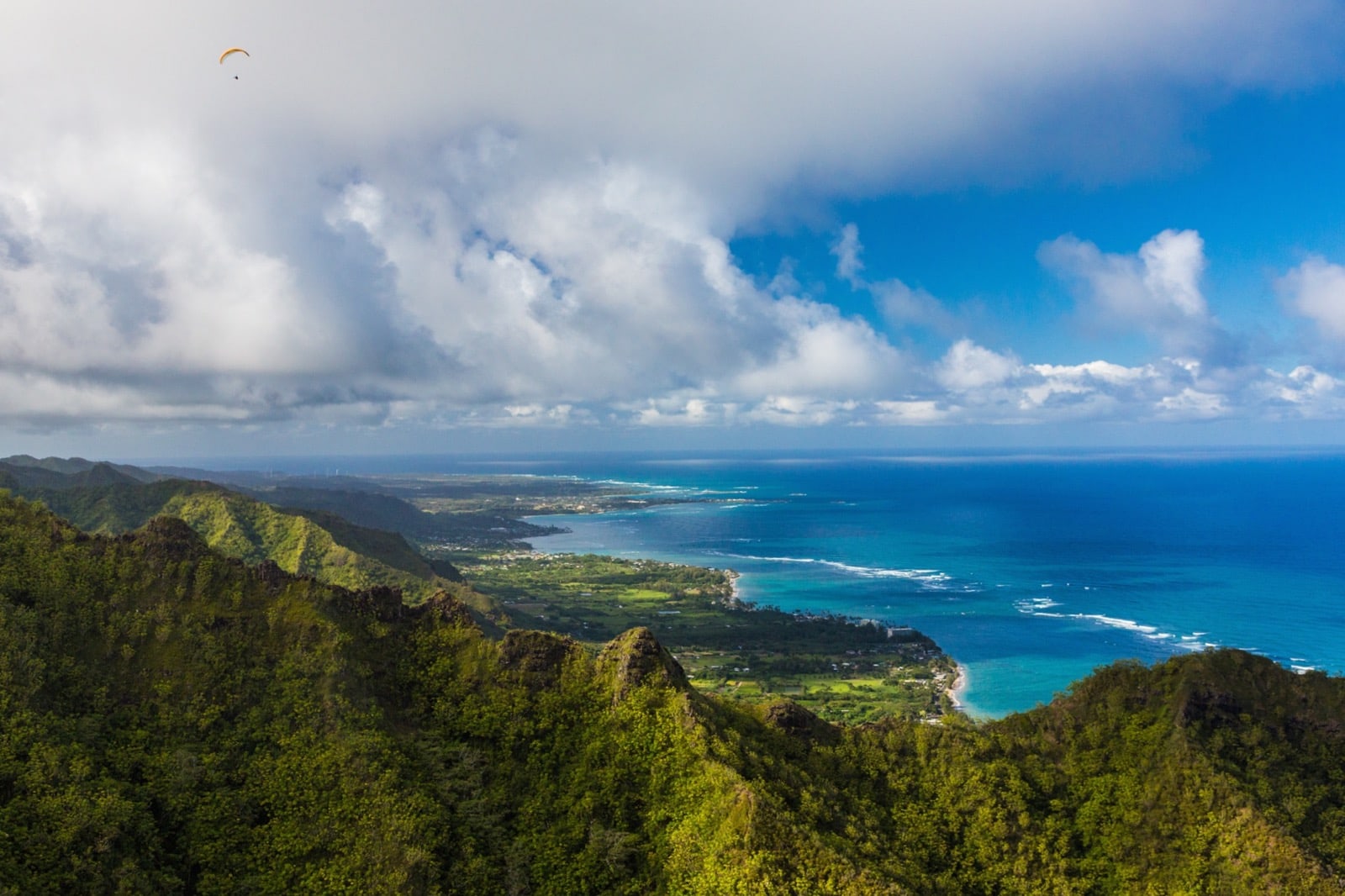
The lush Windward coast of Oʻahu is home to many world-class beaches, water activities, and hikes. Credit: Hawaii Tourism Authority (HTA) / Tor Johnson
Maui
Best for: Beaches, Farm Tours, Volcano Activities, Water Activities, Romance.
Also offers: Hiking, Surfing, Culinary, Nightlife, Museums.
Less: Budget-Friendly Options.
Highlights: See our list of top 5 things to do on Maui.
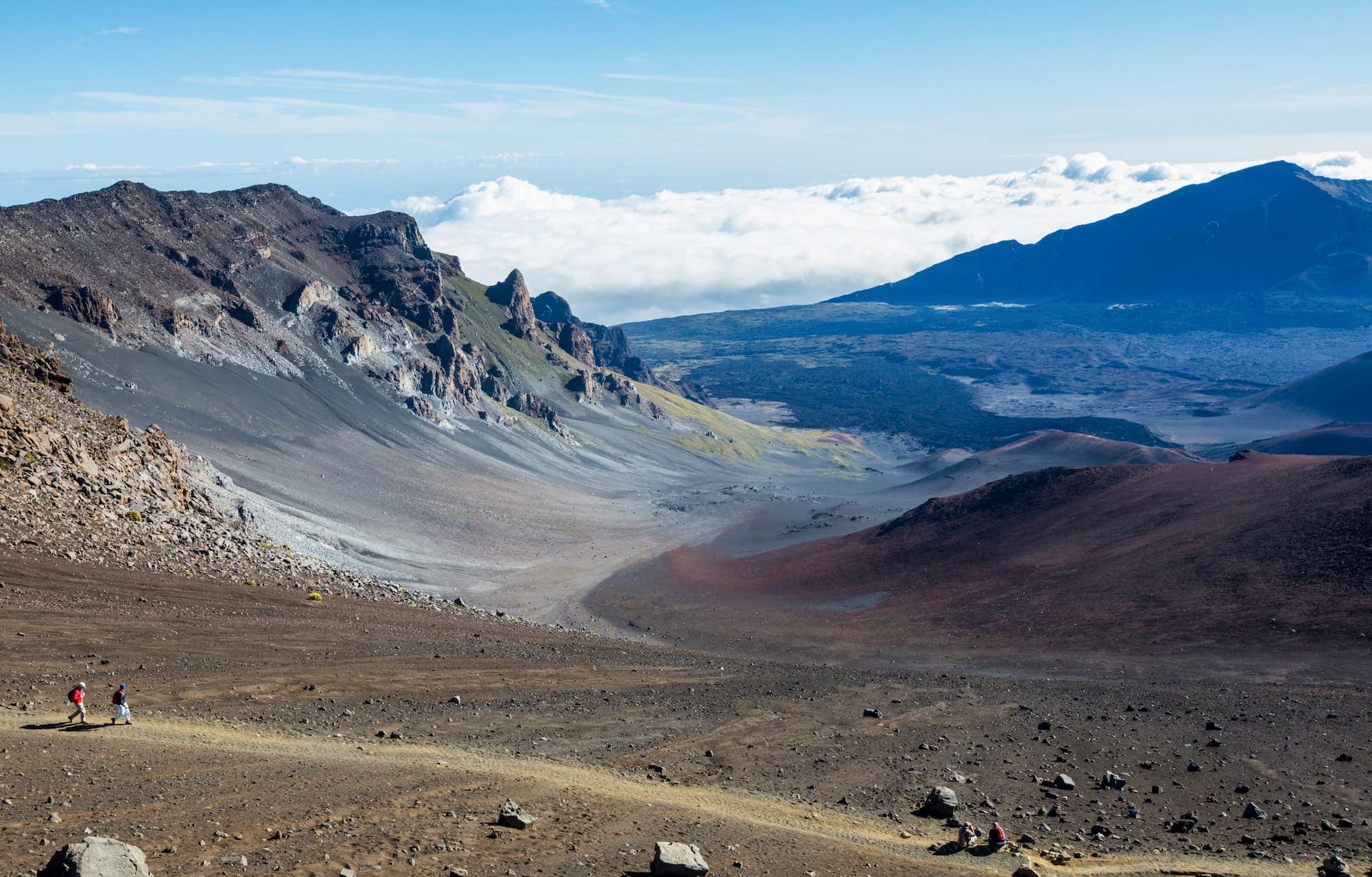
Famous for the sunrise and sunset viewing, the Haleakalā volcano is one of the unique attractions on Maui. Credit: Hawaii Tourism Authority (HTA) / Tor Johnson
Kauaʻi
Best for: Hiking, Scenic Beauty, Romance, the Napali Coast.
Also offers: Farm Tours, Beaches, Water Activities, Surfing.
Less: Nightlife, Culinary.
Highlights: See our list of top 5 things to do on Kauaʻi.
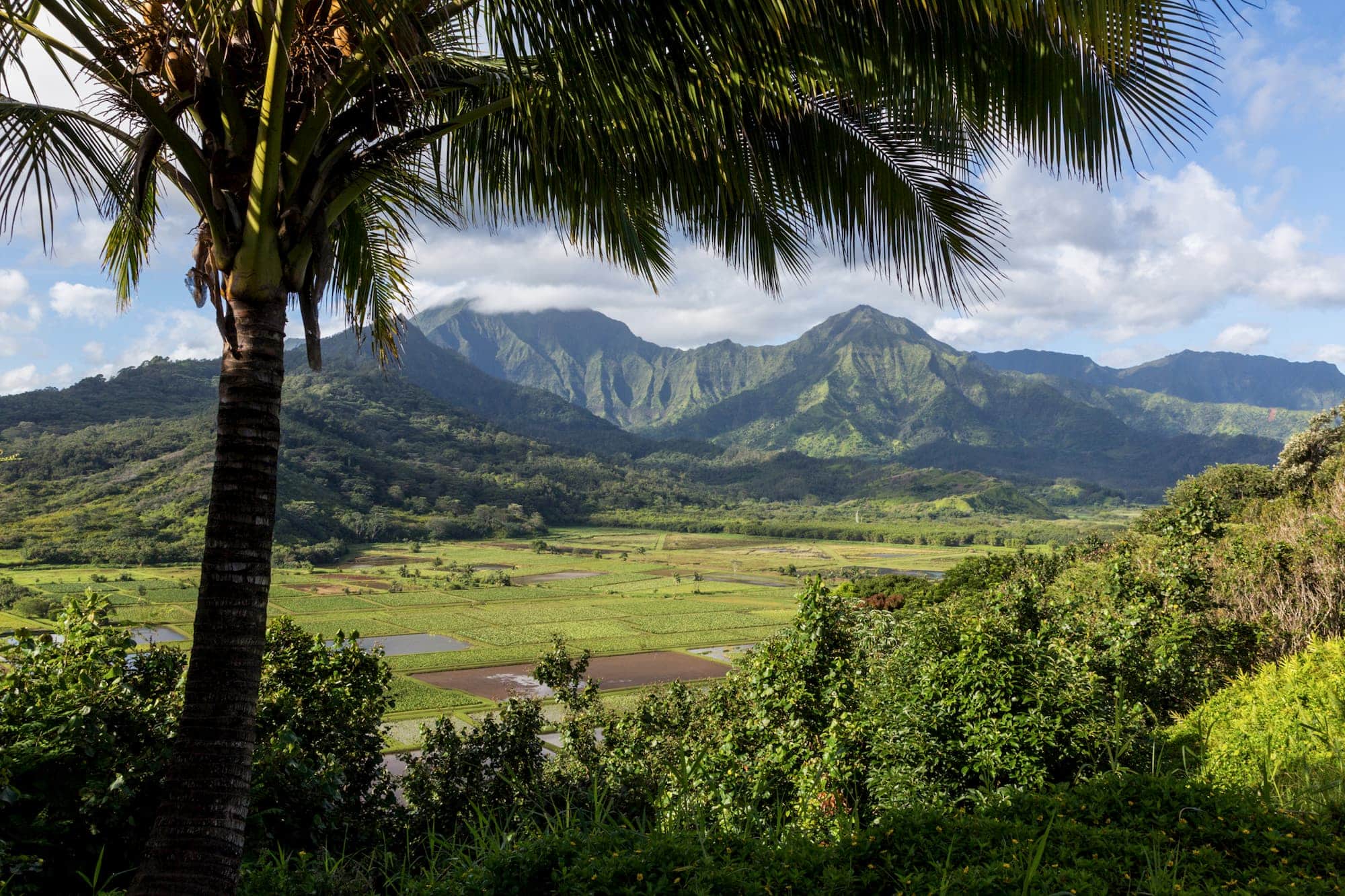
Also known as the Garden Isle, Kauai is a lush and scenic paradise. Image credit: Hawaii Tourism Authority (HTA) / Tor Johnson
Molokaʻi
Best for: Lack of Fanfare, Voluntourism.
Also offers: Cultural/Historical Sites, Beaches.
Less: Culinary, Nightlife, Water Activities.
Highlights: See our list of top 5 things to do on Molokai.
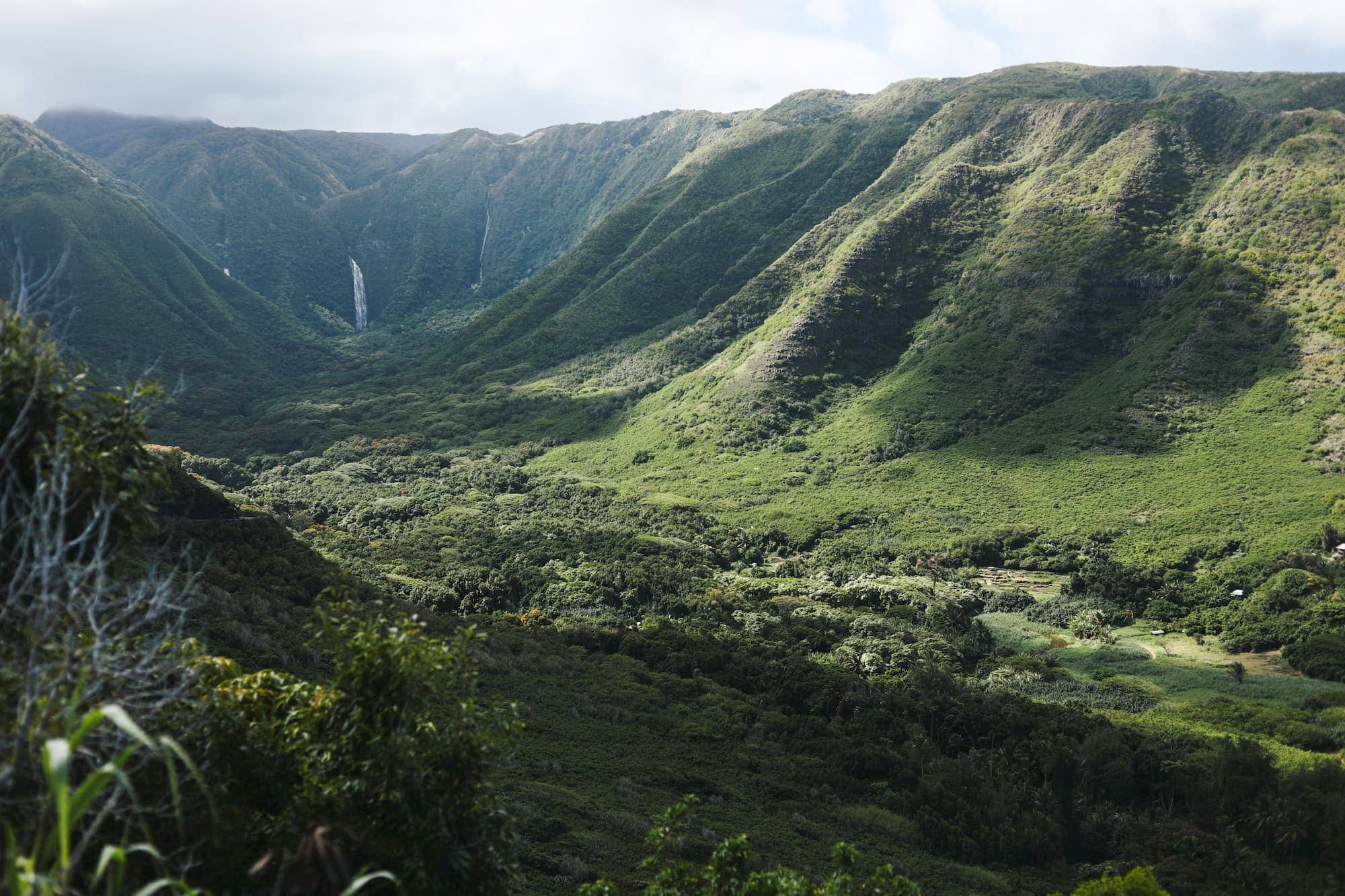
Halawa valley is a historic Hawaiian valley with towering waterfalls and a must-see for every visit to Molokaʻi. Hawaii Tourism Authority (HTA) / Brooke Dombroski / @brooklynhawaii
Lānaʻi
Best for: Luxury travel, Resort Life, Off-Road Jeeping.
Also offers: History/Culture, Beaches.
Less: Budget-Friendly Options, Surfing.
Highlights: See our list of top 5 things to do on Lanai.
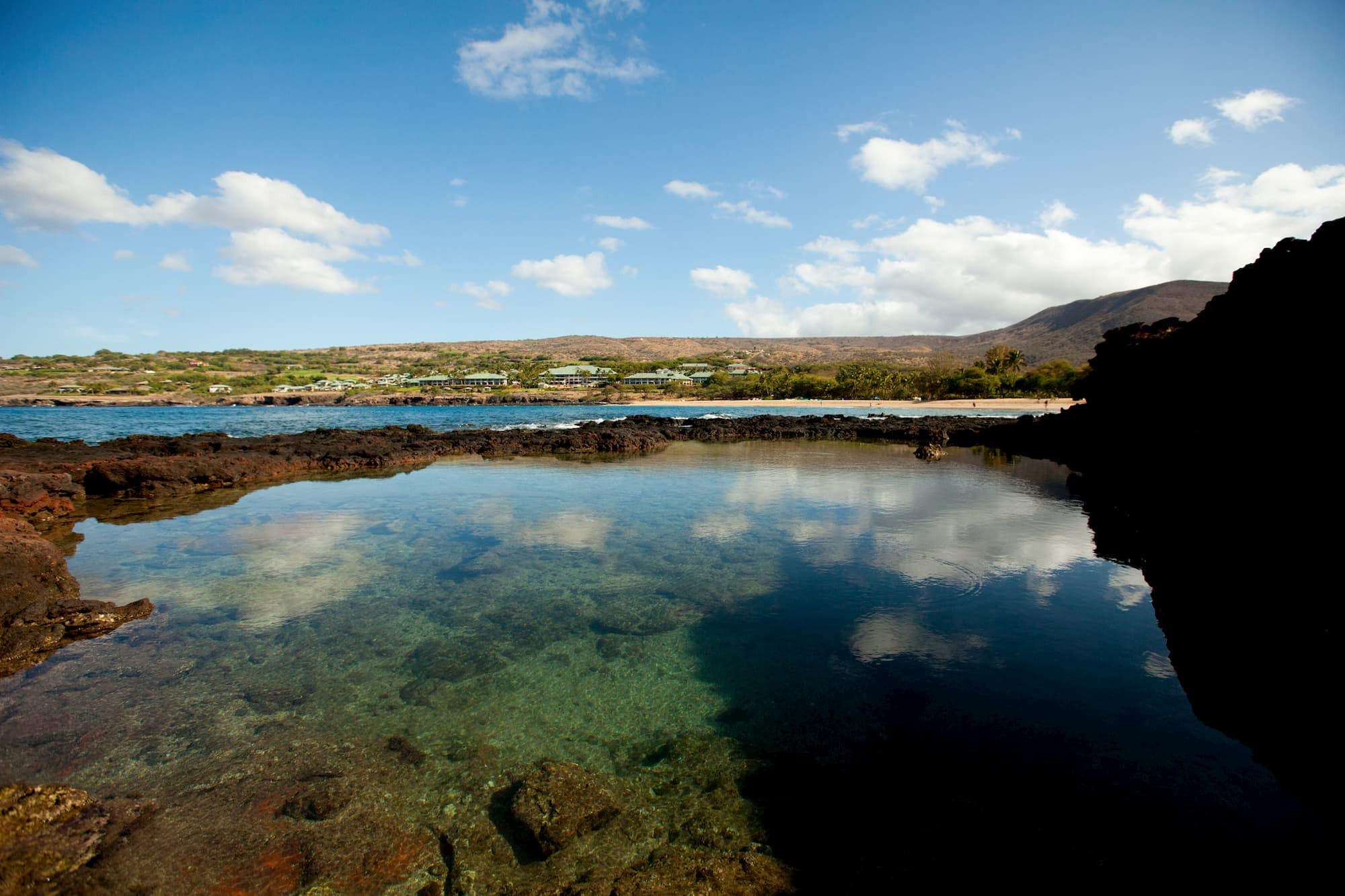
Lanai is an island to visit if you are looking for serenity, privacy, and luxury. This is Mānele, a great beach for snorkeling and swimming. Credit: Hawaii Tourism Authority (HTA) / Dana Edmunds
Oʻahu vs. Maui vs. Kauaʻi vs. the Big Island
We have written a series of guides comparing the most popular islands against each other. These could be a good place to look if you left with too many islands on your list:
- Oʻahu vs. Big Island
- Oʻahu vs. Maui
- Oʻahu vs. Kauaʻi
- Big Island vs. Maui
- Big Island vs. Kauaʻi
- Maui vs. Kauaʻi
How many islands should you visit?
This a very common question for first-time visitors to Hawaiʻi, and an understanding of the island chain’s geography goes a long way to deciding what’s feasible.
While there used to be more ferry options between the islands, there is only one today, from Maui to Lānaʻi. It does not allow a car to be placed on board. The most realistic way to travel between the islands is by plane.
Island Hopping between the Hawaiian islands is less common than you might think: about 1 in 7 US visitors (14.4% in 2025, per HTA’s visitor statistics) visits more than one island. If you do add a second island, you will likely take an interisland flight. These flights can be as short as 20 minutes (Oʻahu/Maui) or as long as 45 minutes (Big Island/Kauaʻi). You still need to travel to and from the airports, so though the flights are short, a trip between islands will still take up to a half day when all is said and done. One-way flights between the islands usually range from $49 to $150.
In that sense, there’s nothing to overly prevent you from traveling every few days, but it’s up to each person to decide their tolerance for moving about, which includes airport time, car rentals, and luggage movement. Visiting several islands is a great way to experience the personality of each – which are strikingly different – but staying in one place to really get to know it is also a rewarding decision.
Our recommendation: go easy on yourself
Unless you have an unwavering mission to see all the islands and a fear that you will never make it back on a future trip, we don’t recommend trying to visit all of them in one visit.
With the average visitor spending just over 8 days in Hawai’i, it makes sense to spend it all on one island and explore that completely, or split the trip between two islands. If you’re trip is a bit longer, maybe 9 or 10 days, you could sneak in a third island if you feel very active. For visitors that appreciate a more leisure pace we recommend visiting 3 islands only when you stay for 14 days or more.
Tips for visiting multiple islands
If you are splitting your trip between islands, it is important to do your homework beforehand. Because you have less time overall, you’ll probably want to target one specific area or region on the island. For example, it would be completely reasonable to visit the Big Island for three days if your intention was simply to hike some trails in Hawaiʻi Volcanoes National Park and explore Hilo.
Because travel time between the islands is so short, there’s really no prescribed combination of islands. Oʻahu-Maui-Big Island is just as feasible as Molokaʻi-Maui-Kauaʻi. But, obviously, you’ll want to arrange the travel to be as efficient as possible. Consider flying from the mainland into one hub, like Honolulu, and back home from another, like Kona, instead of having to get back to Honolulu for the return flight.
When should you go to Hawaiʻi?
The summer and winter months (and holidays) and the most popular and expensive times to go, but for some people spring and fall might work our better. Here are some things to consider when thinking about what time of year to visit Hawaiʻi.
Summer
Summer is the time of year in Hawaiʻi when the ocean conditions are most swimmable, when time on the water is everything. The days are typically calm and clear and hot, the seas generally calm. It’s the prime time of year to be out exploring the islands through water activities: boating, snorkeling, scuba diving, kayaking, etc. Hiking is also good this time of year, especially in the rainforests, which can be quite muddy in the winter rainy season. Big wave season is over, but many surf breaks are best in the summer, including Waikīkī.
Because kids are not in school, summer is the busiest season in Hawaiʻi for family travel. Rates are solid throughout its main months, with hotels at high occupancy.
If you’re looking for that classic Hawaiian vacation with the best beach weather, summer is the time to travel.
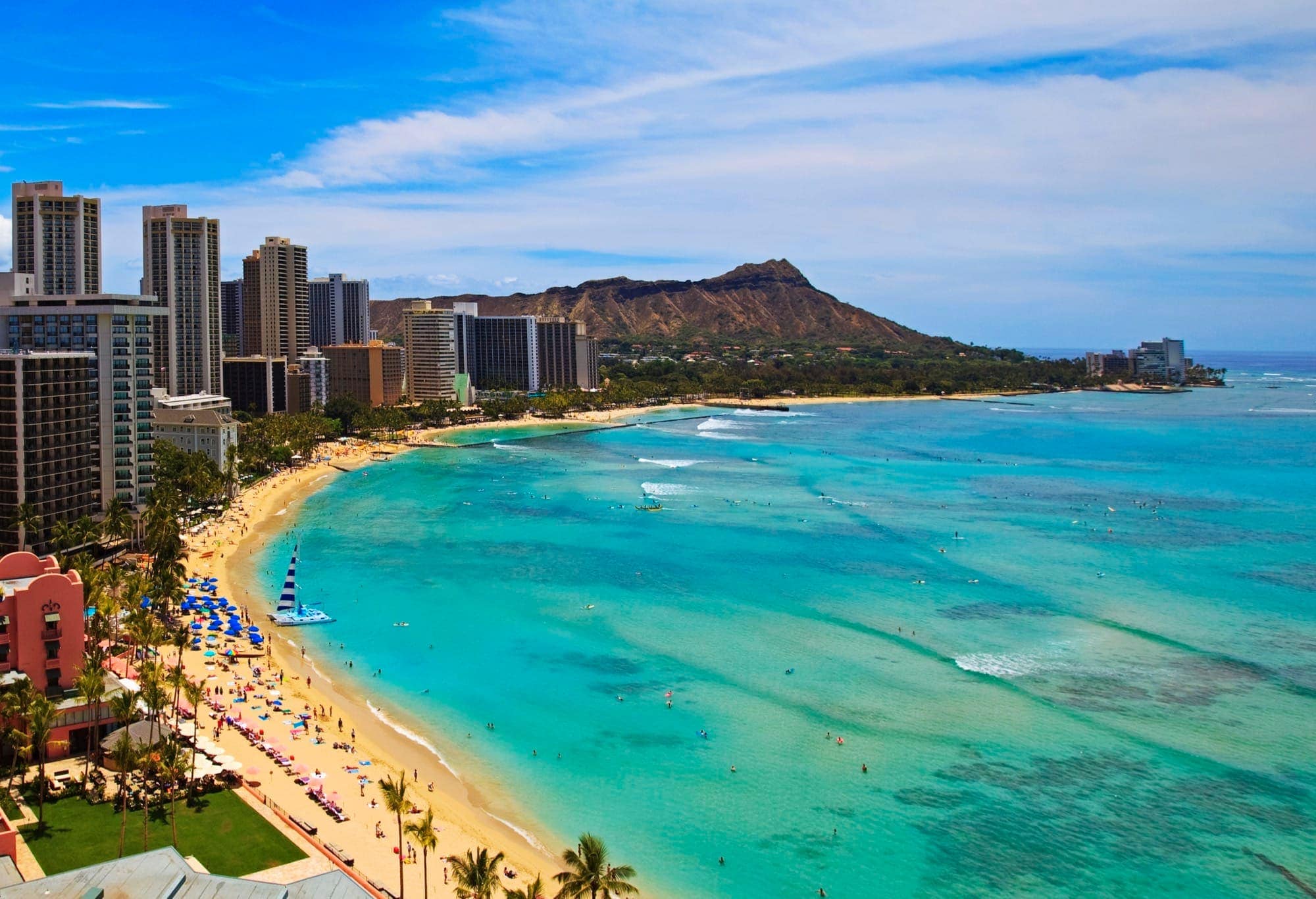
Waikiki Beach during summer. Image credit: tomasphoto
Winter
Winter is the rainy season for all of the Hawaiian islands. But, that doesn’t mean that visiting in the winter is a terrible idea. In fact, there are plenty of perks: Prices are lower, crowds are less (school year), and a warm tropical rain in Hawaiʻi might be preferable to the cold temperatures winter brings to parts of the mainland.
Recommended read: yearly weather trends for Hawaiʻi.
Though rain is more likely November through March, it’s not guaranteed or imminent in some areas. In truth, many parts of Hawaiʻi receive little to no rain regardless of the time of year. Kona on the Big Island, for example, or Lāhainā on Maui, and Koʻolina on Oʻahu (among others). If you make the correct decision about where to stay, you can make the odds of a totally-washed out holiday – day after day after day of rain – pretty low.
That said, flexibility of mind is key. While you can arrange to stay in a drier climate, many of the places you’ll be wanting to visit – rainforest and waterfalls, for example – may indeed be shower soaked. Certain coastlines may be unswimmable at this time due to rough conditions. On the North Shore of Oʻahu, for example, many beaches are routinely closed to swimmers due to big surf. Of course, that big surf could very well be a good thing if you want to experience what it’s like to hang out at Pipeline during a surf competition. It’s the iconic season on the North Shore, when the triple crown competitions take place. It’s also the main humpback whale season in Hawaiʻi.
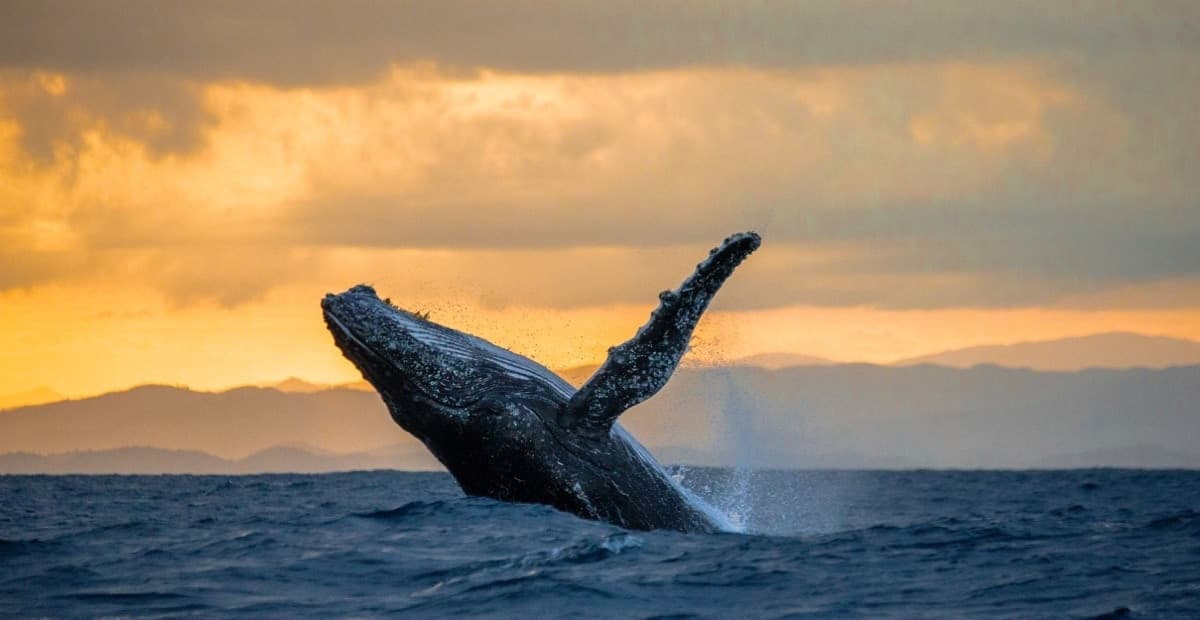
Humpback whales visit the Hawaiian waters during wintertime (November through April).
Overall, winter is less predictable than summer, making it less than ideal for families with children, who may hate the idea of a rainy day more than anyone. But, for every ying there’s a yang, and for every rainy day, there’s a worthy alternative activity. Travelers who are simply happy to be in Hawaiʻi, who don’t mind visiting local museums, hiking in the rain, or holing up in a local craft brewery, can take advantage of the lower-price points often offered in the winter months in Hawaiʻi. (more rainy day activities)
Shoulder Seasons
In spring, it’s not quite summer yet, so there may be some trailing rain and days of rough seas. It’s not winter anymore, so big wave season is done, and the whales are gone. Think of fall in the same way, only the waves and whales haven’t come yet as the calendar brings the islands closer to rainy season.
Combine that reality with the fact that people are busy dealing with the start and end of the school year, and that spring and fall bring unique charm to many parts of the seasonal mainland, and you can see why spring and fall, the shoulder seasons, tend to get less visitation. The big exception is March: spring break pushes arrivals to near-summer levels, making it the second-busiest month statewide per HTA’s 2024 and 2025 arrival counts. But there are perks to this time of year: Less crowds, high 70s/low 80s daytime temperatures, and deals to be found on accommodations throughout the state.
Daylight hours
There is one small details that many people never think about when deciding when to go to Hawaii: the length of day.
There is a difference of 2 hours and 23 minutes in daylight between the shortest (December 21st) and the longest (June 21st) day on Hawaii. That means you will have up to 20% more daytime to enjoy the outdoors if you visit during the summer months!
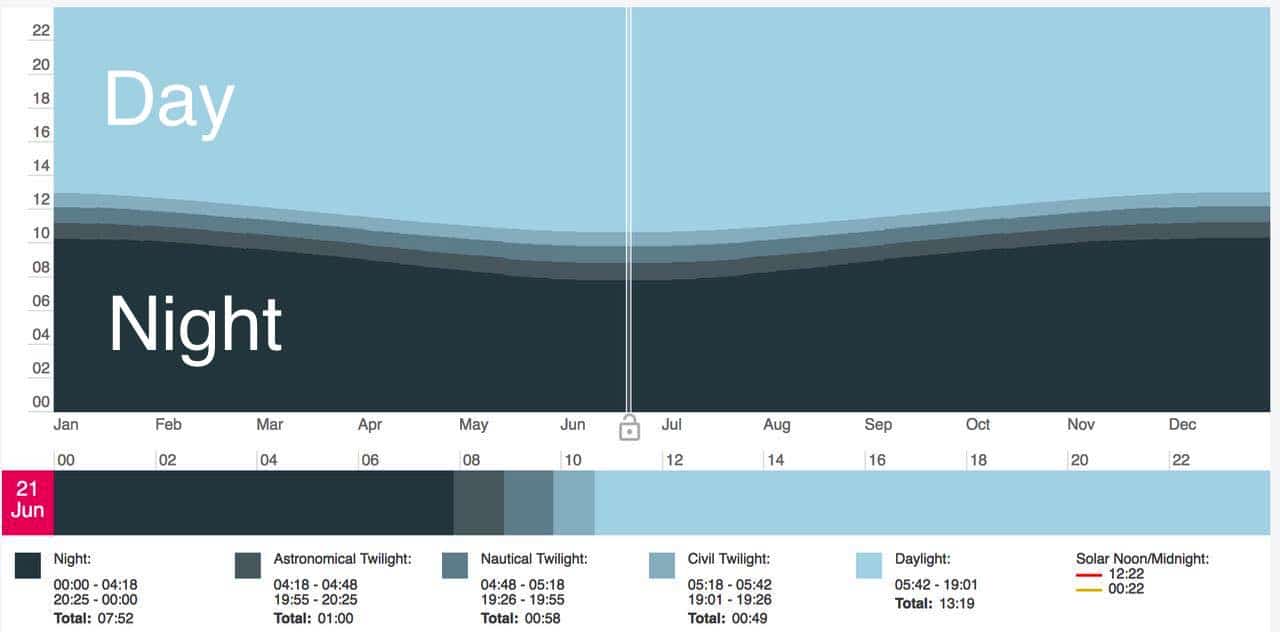
The longest day in Hawaii has 20% more daylight than the shortest day. Image source: timeanddate
Holidays
The Christmas and New Year holiday season, which now essentially starts at the beginning of December and runs through the first week in January, is an extremely busy time in Hawaiʻi, with inflated rates resulting from a surge of visitors. If you can swing it, great – see the winter section for other things to consider. Budget travelers and solitude seekers will want to avoid this time frame altogether.
Key Dates to Remember
- Big Wave Season: Winter (all islands)
- Whale Watching Season: November to April (all islands); tours ramp up from mid-December, with peak sightings in January and February
- Festivals and Events: Merrie Monarch (Spring, Big Island); Ironman World Championships (October, Big Island); Honolulu Marathon (December, Oʻahu); Triple Crown Surf Events (Winter, Oʻahu)
What is the best time to visit?
This is a question with many answers. What island are you looking to visit? And is there a main reason you want to come (for example, summertime is best for beaches and snorkeling, but also the most crowded and expensive period). We have written “best time to visit” guides for all islands where we talk you through the relevant choices:
- What is the best time to visit Maui?
- What is the best time to visit Kauaʻi?
- What is the best time to visit Oʻahu?
- What is the best time to visit the Big Island?
A few things you can do to help you prepare for your trip to Hawaiʻi
You probably found our website while researching things as “things to do” and “places to go” on the internet. This means you are well underway with planning your trip and to be perfectly honest, this is how I do most of my planning myself!
There are however a few things you can do to shortcut your planning. For example by using our complete week-long itineraries for inspiration, signing up for our 5-email free trip planning series, or calling us to orient yourself or to fine-tune your plans.
Have a look at our itineraries
Why start from scratch? We have created itineraries for visiting each of the 4 main islands to give you an example of what your trip could be like. Have a look at the for inspiration at:
5-email trip planning series (free)
Subscribe to our free 5-day email course to find out what the important bottlenecks for planning your trip to Hawaiʻi are, and what to plan at 6 months, 3 months, 1 month, 1 week, and 1 day before your trip.
Curious? Read more about our trip-planning course here.
30-minute 1 on 1 trip consult (paid)
In a 30-minute call we provide excellent, actionable, and specific information about your upcoming trip. This is a great service especially for first-time visitors.
Find out more about our trip planning call here.
Follow a (free) online course to get to know Hawaiian culture, history & language
The following 1.5 hour free course aims to prepare your trip to Hawaiʻi by teaching you the basics about Hawaiian history and culture. It is split in 3 modules (mythology and religion, Hawaiian history, and Hawaiian language) and 9 bite-sized lessons.
Interested? Take a better look at the MĀLAMA (care for) Hawai’i Pre-Travel Course.