
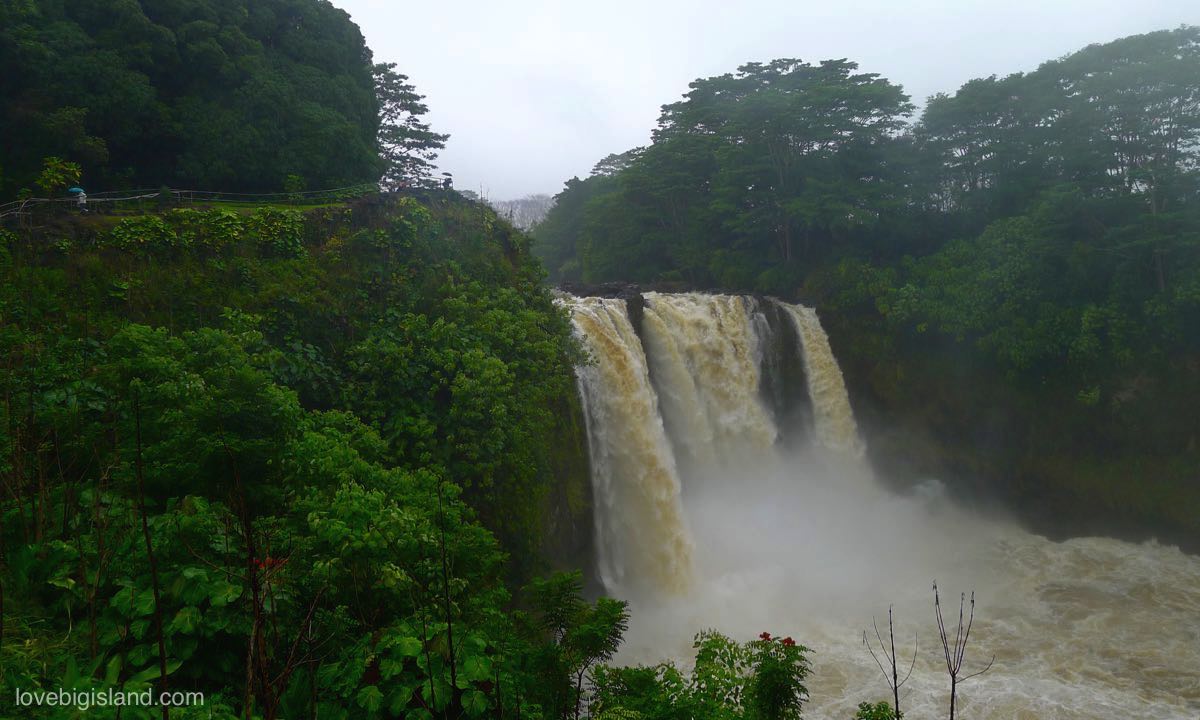
The Big Island has a dry side, so rain in your forecast rarely means a washed-out trip. If clouds settle over the coast you booked, drive to the other side, an hour and a half away, or spend the day at a farm tour or a museum.
Kona and the west coast sit in a rain shadow and stay dry most of the year, while the trade winds bring most of the rain to Hilo and the east side.
Table of contents
- Rainy day activities in Kona (for families, beach bums, and adventurers)
- Rainy day activities in Hilo (for families, beach bums, and adventurers)
- Activities to avoid when it’s raining
- How to avoid rain
- Hawaiian weather, explained
Q: What is the best rainy day activity for beach bums in Hilo?
Drive over to the Kona side for the day and spend it at one of the beaches on the Kohala Coast.
Q: What is the best rainy day activity for adventure seekers in Kona?
Take a surf lesson in the rain.
Q: What is the best rainy day activity for families in Kona?
Visit the Kona Seahorse Farm or ride the Atlantis submarine.
Q: What is the best rainy day activity for families in Hilo?
Visit a waterfall, check out a museum, or have lunch in downtown Hilo.
Q: What is the best rainy day activity for beach bums in Kona?
Browse the shops and eat in downtown Kailua-Kona.
Details and map locations below last verified September 2026.
| Name | Type |
|---|---|
| 1Ocean Rider Seahorse Farm (Details ↓) | Farm tour |
| 2Greenwell Farms (Details ↓) | Farm tour |
| 3Hog Heaven Coffee (Details ↓) | Farm tour |
| 4Kaʻū Coffee Mill (Details ↓) | Farm tour |
| 5King Kamehameha Beach (Details ↓) | Beach |
| 6Surf lesson at Kahaluʻu Bay | Surf lesson |
| 7Huliheʻe Palace (Details ↓) | Historic |
| 8Atlantis Submarine (Details ↓) | Boat tour |
| 9Kona Sea Salt Farm (Details ↓) | Farm tour |
| 10ʻImiloa Astronomy Center (Details ↓) | Museum |
| 11Pacific Tsunami Museum (Details ↓) | Museum |
| 12Lyman Museum (Details ↓) | Museum |
| 13Rainbow Falls (Details ↓) | Waterfall |
| 14ʻAkaka Falls (Details ↓) | Waterfall |
| 15Panaʻewa Rainforest Zoo (Details ↓) | Zoo |
| 16Hawaiʻi Volcanoes National Park (Details ↓) | National park |
| 17Kaumana Caves (Details ↓) | Cave |
| 18Queen Liliʻuokalani Gardens (Details ↓) | Garden |
8 Things to do in Kona when it rains
On the dry Kona side, most rain is a passing shower, so these are ways to fill a wet hour or two:
Family activities
If you are on the island with kids, our guide to the Big Island with kids has more rainy-day and fair-weather ideas for the whole family.
- Kona Seahorse Farm: This incubator “farm” has baby seahorses as well as “leafy dragons.” Tours are led by naturalists and include the chance to hold a baby seahorse. Read more about the Ocean Rider Seahorse Farm tour.
- King Kam Beach: The beach in front of the King Kamehameha Hotel is a well-protected cove that usually stays calm in light rain. Let the kids swim here even while it drizzles; the pier and sea wall keep the water flat.
- Kona Coffee Farm Tour: The Kona coffee belt gets consistent afternoon rain, so its coffee is among the most prized on earth. Grab a light rain jacket and tour a farm like Greenwell Farms in the Kona belt, then warm up with tasting samples while the shower passes.
- Kona Sea Salt Farm: A short guided walk through the seawater ponds where Hawaiian sea salt is harvested, out near Keʻahole Point. Tours run about an hour, a few times a day, and cost around $27 for adults.
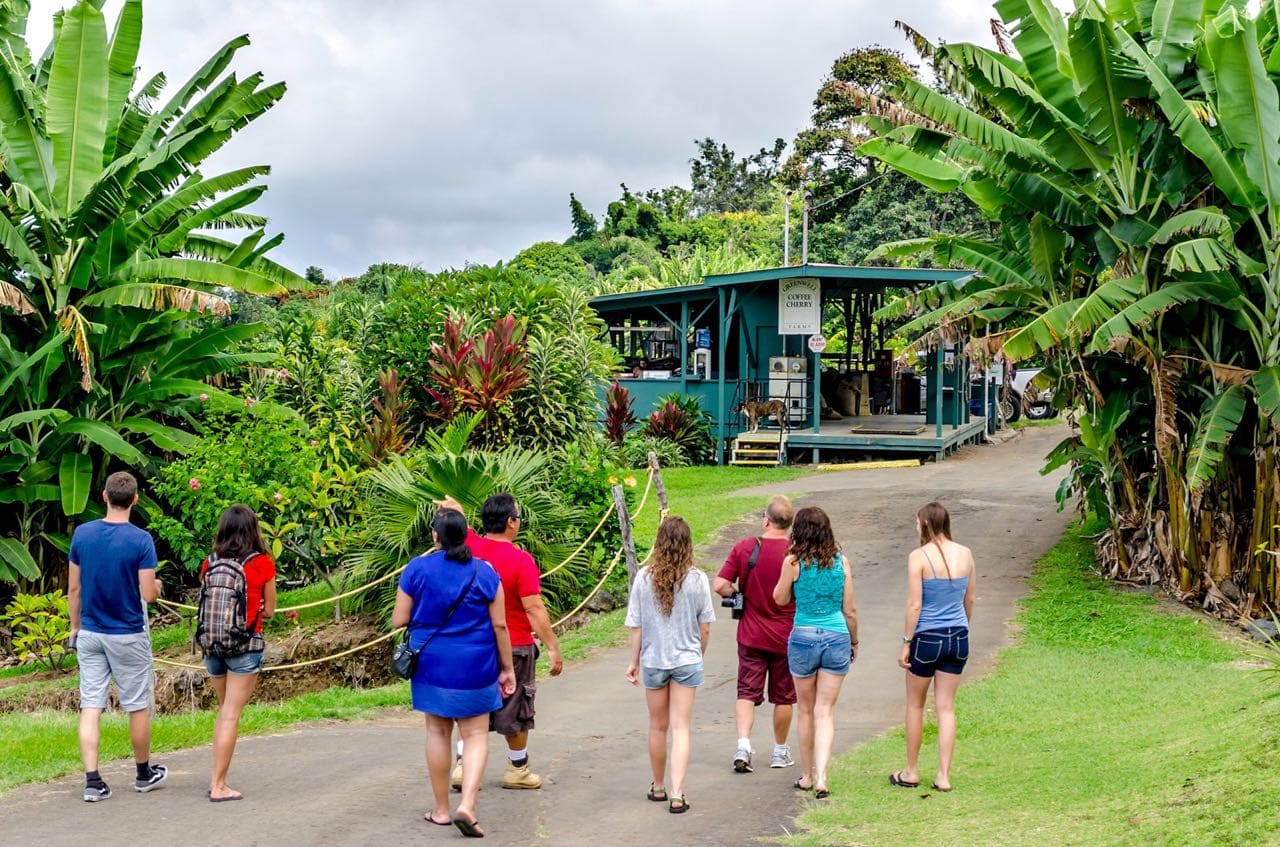
Visitors take a Kona Coffee Farm Tour at the Greenwell farm. Source: here by user horspowr1001 under a CC BY-NC 2.0 licence
Activities for Beach Bums
- Huliheʻe Palace: The Huliheʻe Palace in downtown Kailua-Kona was once a vacation home for the aliʻi, or ruling class. Guided tours run Wednesday to Saturday, from 10am to 3pm.
- Shops and Restaurants in Kailua-Kona: Walk around town and pick a shop or a restaurant with an ocean view. A rainy afternoon goes quickly with a drink and a book.
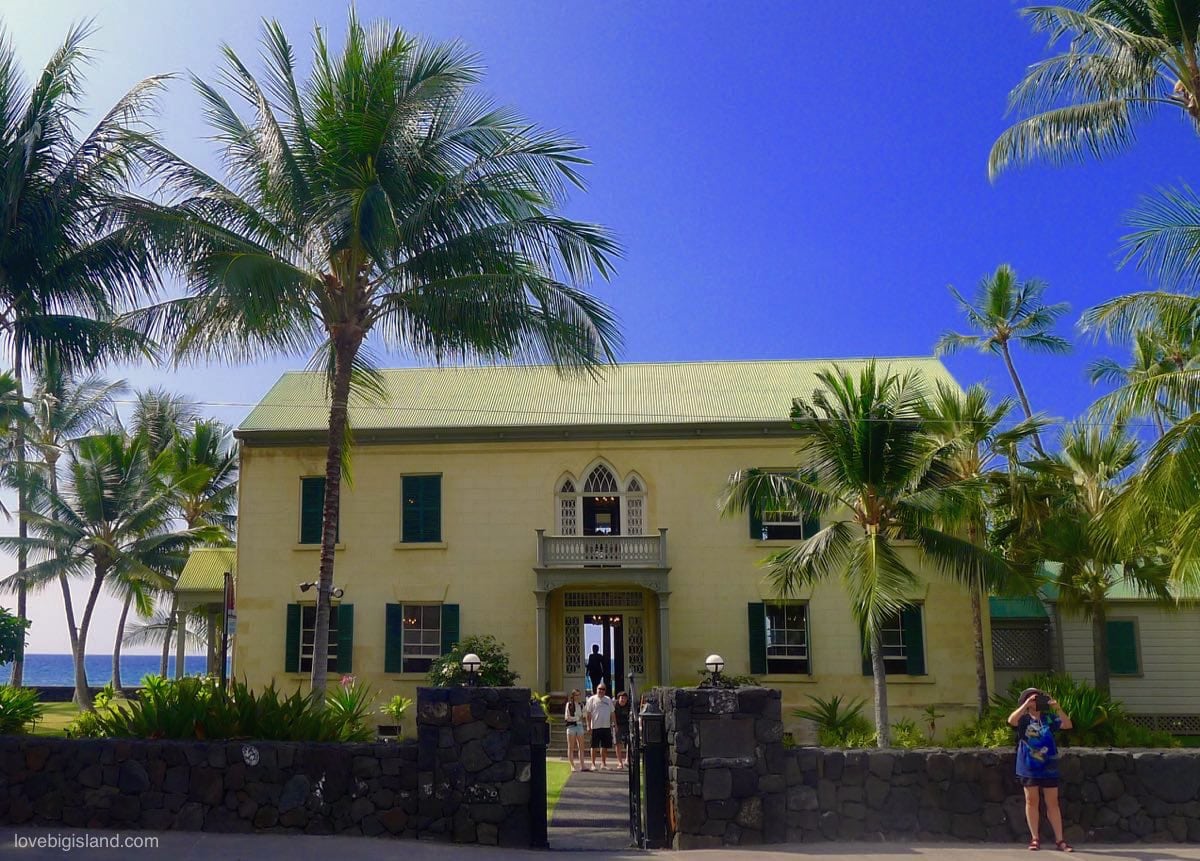
The Huliheʻe Palace in Kailua-Kona is a former vacation home of Hawaiian royalty, now a museum of period furniture and royal artifacts.
Activities for Adventurers
- Atlantis Submarine: When it’s raining up top, ride a submarine down 100 feet to see underwater reefs.
- Surfing: Light rain doesn’t matter for a surf lesson. Book a group or private lesson from one of the surf companies in town.
11 Things to Do in Hilo when it rains
Hilo is the wet side of the island, so these Hilo picks are indoors or under cover:
Family activities
- Museums: Learn about the history of tsunamis in Hawaiʻi and how future ones could affect the islands at the Pacific Tsunami Museum; learn about the missionaries at the Lyman Museum; the Mokupāpapa Discovery Center has exhibits about Hawaiʻi’s marine life and natural history; and the ʻImiloa Astronomy Center has a kid-friendly planetarium. See all Big Island museums.
- Shops and Restaurants in Downtown Hilo: Get out of the rain in the shops and restaurants of downtown Hilo, and buy the kids a shave ice.
- Visit Waterfalls: A little rain means more water over the falls. Visit nearby Rainbow Falls or ʻAkaka Falls, two roadside waterfalls you reach on a short paved path. Check out our favorite waterfalls on the Hilo side here.
- Panaʻewa Rainforest Zoo: The only zoo in the country set in a natural tropical rainforest. Admission is free, and it opens 10am to 4pm daily except the first Thursday of each month. The canopy blocks some of the light rain as you walk the loop.
- Coffee tours: The wet Hāmākua coast north of Hilo grows coffee too, with farm tours and tastings at spots like Hog Heaven.
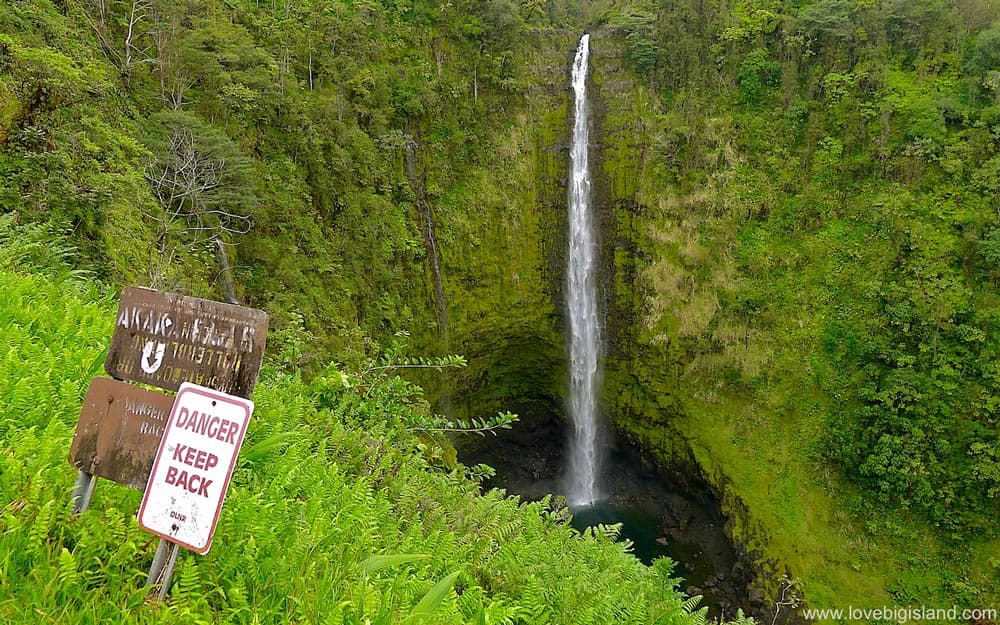
ʻAkaka Falls is 422 ft. tall, and you reach it on a short paved path near Hilo
Activities for Beach Bums
- Lunch at Hilo Bay Cafe: This Hilo hotspot is often full at night, but it’s easier to get into for lunch, with wide views over the bay. Ask for a window table over the water.
- Day Trip to Kona: Staying in Hilo but looking for better weather? Drive the Saddle Road over to the Kona side, where it’s much drier. There, you may find a sunny beach even on a rainy day in Hilo. Have a look at our list of things to do on the Kona coast.
- Hilo Farmers Market: A downtown market open every day from 7am to 3pm, busiest on Wednesday and Saturday. Duck in for tropical fruit, plate lunch, and local crafts while a shower passes; many of the stalls sit under tents and awnings.
Activities for Adventurers
- Hawaiʻi Volcanoes National Park: It can be rainy in Hilo and clear at the national park. If it is raining there too, you can still explore outdoors with light rain gear, and more steam rises from the volcano in the rain. Check the park’s calendar for ranger-led programs and indoor activities. On the drive south, the Kaʻū Coffee Mill in Pāhala makes a good covered coffee stop.
- Queen Liliʻuokalani Gardens: Rain is common in Hilo, so bring a light rain jacket and take a walk. These Japanese-style gardens have tall banyans and wide views of Hilo Bay, and they stay quiet in a drizzle.
- Kaumana Caves: A free lava tube in a county park just above Hilo, with a stairway leading down into it. Bring a flashlight and shoes with grip, and save it for light rain only: lava tubes take on water and turn slick in a heavy downpour.
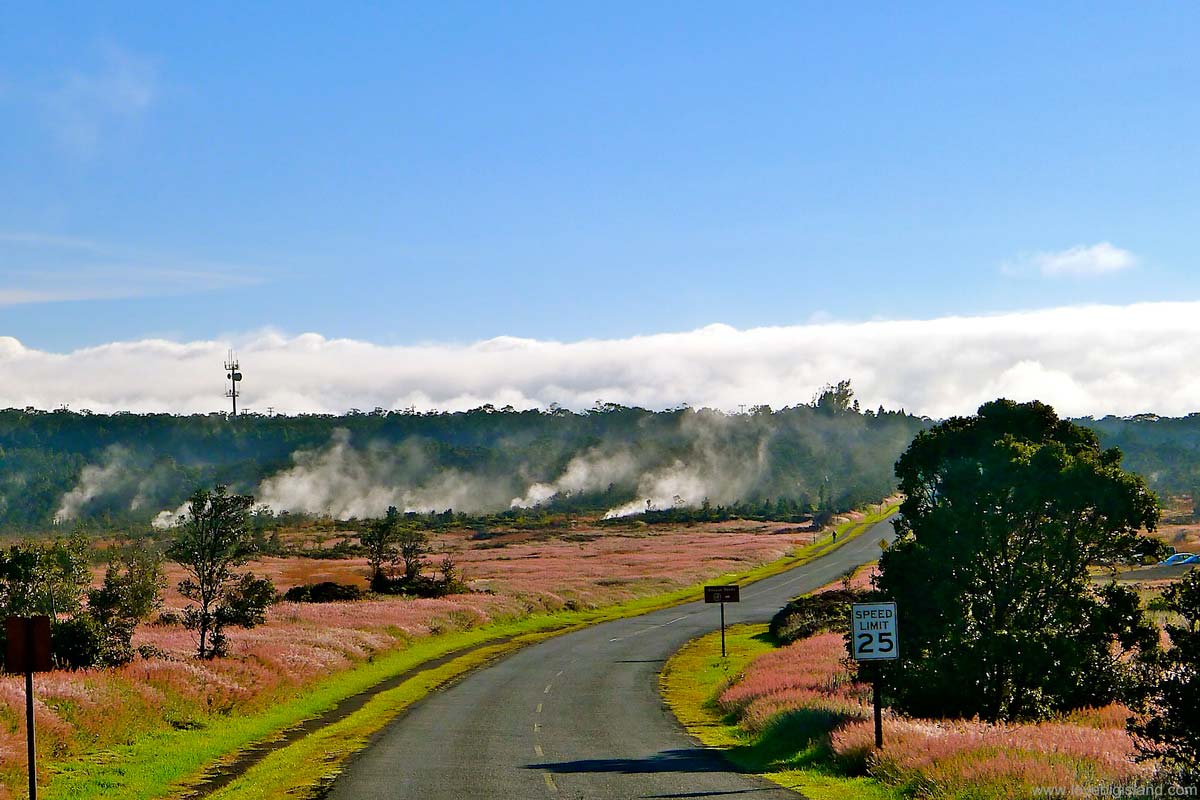
Steam vents in the Hawaii Volcanoes National Park, a few minutes from the visitor center.
Activities to Avoid When It’s Raining
There’s rain, and then there’s rain. Swimming, hiking and surfing are usually fine in light rain, but heavy rain and storms make them dangerous.
In heavy rain:
- Do not go under waterfalls. Heavy rains can increase the force of waterfalls, making them dangerous to swim under.
- Avoid hikes on ridges or near streams. Flash floods are common in the islands, so you’ll want to steer clear of streams during heavy periods of rain. Ridge hikes can also become dangerous due to slippery conditions and steep dropoffs.
- Evaluate water quality. Heavy rain produces significant runoff in coastal areas. Avoid murky or dark-colored water during or immediately following a storm, especially if you have open cuts. When in doubt about water quality, ask a lifeguard and/or check the brown water advisories here.
- Evaluate ocean conditions before swimming. Swimming or snorkeling during a light rain with calm conditions is perfectly fine; doing so during a bigger storm swell could be dangerous. When in doubt, ask a lifeguard.
How to Avoid Rain on Your Trip to the Big Island
We like the rain in Hawaiʻi. After all, the rain feeds the rainforest and breaks up the hot sun. The windward side is green because of this rain.
As a visitor you only have so many days, and a beach day, a hike or a snorkel all go better without rain.
To stay out of the rain:
- Stay in Kona, Not Hilo. Hilo is the wet side (150 inches of rain per year), Kona is the dry side (30 inches).
- Target beaches on the west side of the island. The black sand beaches are on the Big Island’s east coast, but the beaches on the west side get the most sunny days.
Hawaiʻi Weather, Explained
Our guide to weather patterns on the Hawaiian islands covers the two seasons and the wet and dry side of each island in more depth.
The Hawaiian Islands have two seasons: The rainy season from November to April, and the dry season from May to October. These dates are general, and flexible, depending on the year. For example, one year might see more rain in May than the next.
You can still get a rainy day in the dry season, and a January morning in the rainy season without a drop of rain. But the long-term trend is that it rains much more in the wet season than the dry season.
East Versus West: The Wet and Dry Side of Each Island
Regardless of the season, daily fluctuations in the weather you experience will depend on where you are on the island. In Hawaiʻi, the east side of each island is the “wet,” or windward, side, and the west side is the “dry,” or leeward, side.
Clouds dump most of their rain on the east side, which stays green and forested, and far less on the west side, which is dry and open.
Hilo, on the east side, averages close to 150 inches of rain per year (and more than 200 in some areas of the east coast!). Kona, on the west side, receives less than 30 inches per year. These two towns are on the same island, just an hour and a half drive apart, but sit in completely different climates and ecosystems.
How to Read a Big Island Rain Forecast
Always be sure to look closely at the details of the weather forecast. A 20% chance of rain with normal winds is normal in a tropical climate, and it means the occasional passing shower.
If the forecast calls for stronger conditions, you might then check the coverage area of the storm. For example, it could be rainy in Hilo but sunny and clear at Hawaiʻi Volcanoes National Park. Each area of the island is its own micro-climate, so look closely at broad forecasts.