
Maui is the all-rounder: the best beaches, the biggest food and nightlife scene, and two volcanoes to Kauaʻi’s one, including Haleakalā at 10,000 feet. Kauaʻi is older and wilder, with Waimea Canyon 10 miles long and 3,000 feet deep and the Nāpali Coast for scenery no other island matches. For raw scenery and hiking pick Kauaʻi, for range and reliable swimming pick Maui.
This page is for the traveler down to one island and one week, not both. Work out the one or two things that matter most to you: a canyon you can hike into for days, or humpback whales offshore from December through April and a dinner scene in Wailea. The category-by-category verdicts below settle the rest.
Table of contents
For more breakdowns you should have a look at our comparisons of Maui vs. Oʻahu, the Big Island vs. Oʻahu, Maui vs. the Big Island, and Kauaʻi vs Oʻahu.
Maui and Kauaʻi in a Nutshell
We are cutting corners comparing two islands in one short guide, but for trip planning what matters is where each one is strong and where each one is thin.
Maui
Maui packs in most of what people picture when they think of Hawaiʻi: long white-sand beaches, two tall volcanoes, resort coastlines, and laid-back Upcountry farms. As the second-largest island with no real city, its pace stays relaxed, spread across a string of small beach towns. The standouts are its two volcanoes, the offshore whale-watching sanctuary, and the more adventurous side: the Road to Hāna and the trails of Haleakalā National Park.
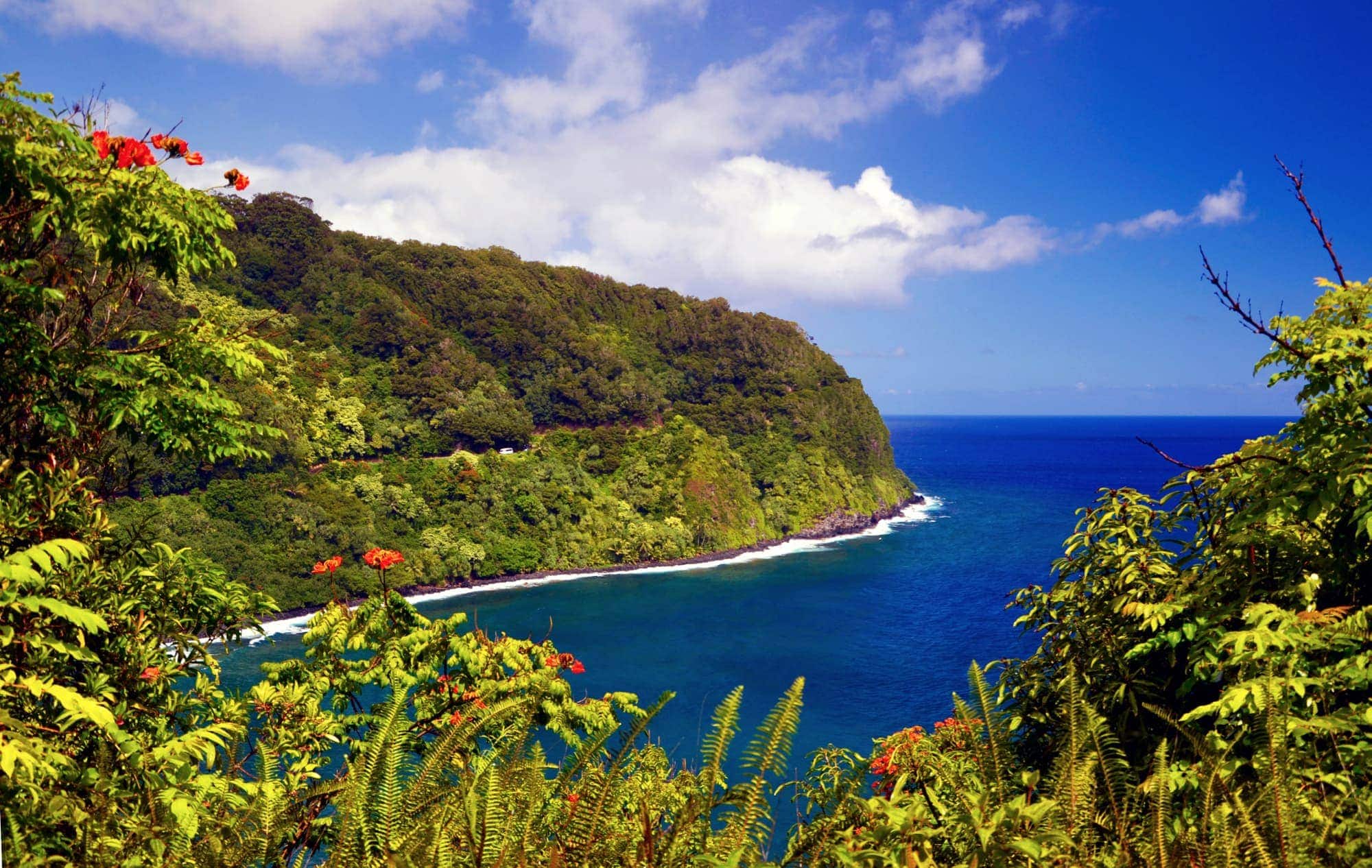
The Road to Hāna is Maui’s best-known drive. Image credit: Benoit de Chastenet, source.
Recommended minimum stay: 5 days
Good to know for Maui: On your way up to Haleakalā, you’ll pass through what’s called Upcountry Maui, a belt of small farms on the hillsides of the volcano. Pop into the towns of Makawao and Kula to experience a different slice of life in Hawaiʻi that features high-elevation living, long views across the island, ranches and cowboy history, and small, family-owned farms (lavender, coffee, pineapple).
Three worth prioritizing: A visit to the top of Haleakalā and its 10,000-foot crater, with stops in Upcountry Maui along the way; the Road to Hāna; A water activity (boat ride, snorkel trip, whale watching tour) off west Maui.
Kauaʻi
Kauaʻi holds the most dramatic natural scenery in the state. Over the last decade the Garden Island has drawn both new visitors and new residents to its slower, wilder pace.
Sharp ridges and cliffs tower over small, rural communities, and the island’s capacity for outdoor adventure runs deep. Its two headline attractions, the Nāpali Coast on the north shore and Waimea Canyon on the west side, bracket long stretches of wilderness: hiking trails, a navigable river, and waterfalls.
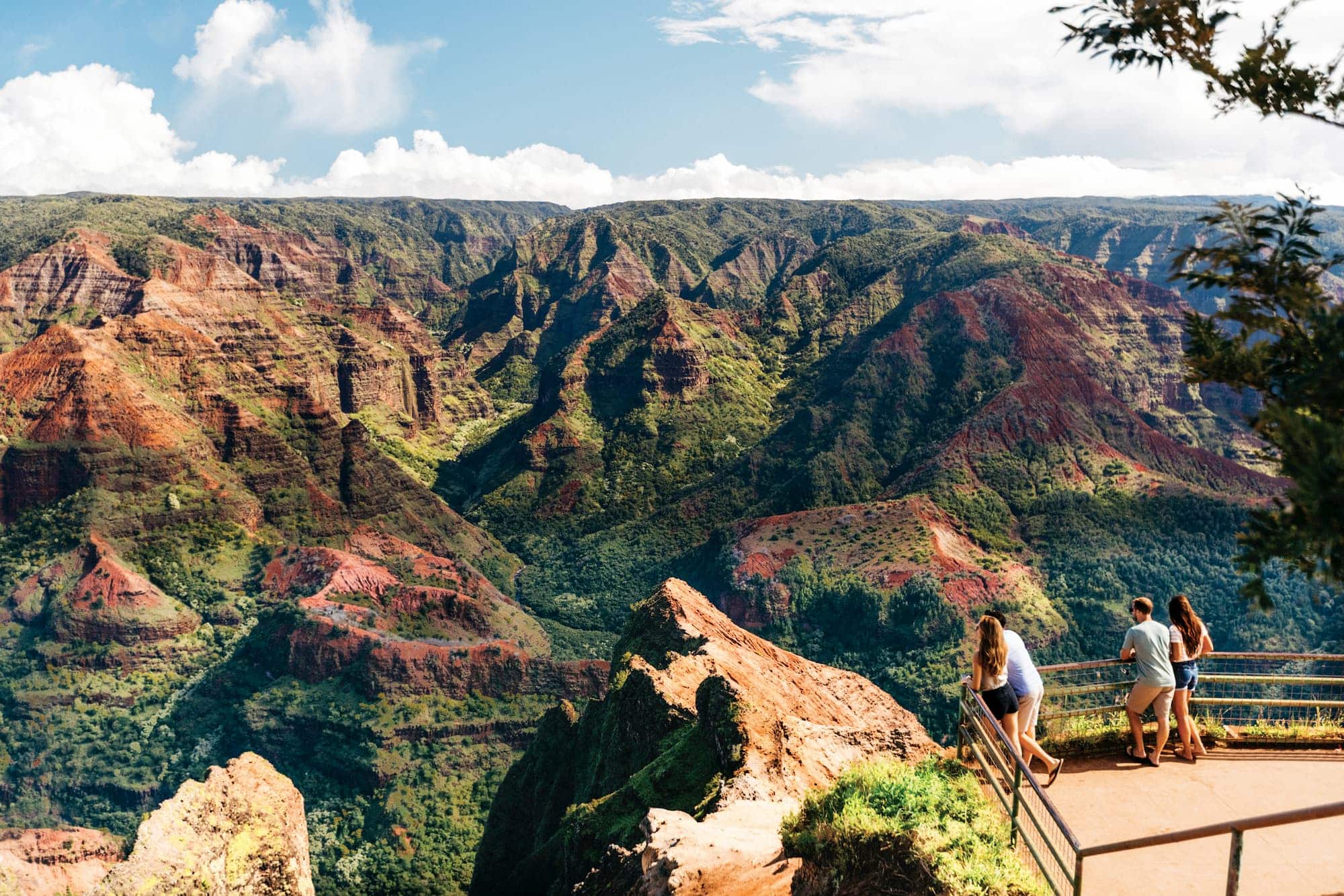
The easily accessible Waimea Canyon Lookout on Kauaʻi. Image credit: Hawaii Tourism Authority (HTA) / Ben Ono
Recommended minimum stay: 4 days
Good to know for Kauaʻi: To best experience Kauaʻi, consider visiting in the summer. The island receives a lot of rain during the winter, and the ocean conditions can be extremely rough at this time.
Three worth prioritizing: Experience the Nāpali Coast on foot or by boat; Hike or visit the lookouts at Waimea Canyon; Take a surf lesson at Hanalei Bay.
What island should you choose if you like…
Both islands cover the same basic list. It helps to work out which factor matters most to you.
Season can settle a close call. From December through April, humpback whales fill the water off Maui, which also runs drier and steadier through the winter. Kauaʻi takes its heaviest rain in the same months, and winter surf shuts down the boat trips along the Nāpali Coast. In summer those Nāpali tours run again, and Hanalei Bay calms down enough for a beginner surf lesson. If your dates are flexible, they can make the choice for you.
Here is how Maui and Kauaʻi stack up, category by category:
| Category | Better island | Why |
|---|---|---|
| Outdoor adventure | Kauaʻi | Nāpali Coast and Waimea Canyon; raw nature is the main event. |
| Beaches | Maui | More beaches, more variety, better year-round swimming. |
| Volcanoes | Maui (close) | Two volcanoes, including Haleakalā at 10,000 feet, and a classic crater. |
| Food and nightlife | Maui | Bigger population, far more bars, restaurants, and high-end dining. |
| Variety | Tie | Maui has more of everything by size; Kauaʻi still packs a wide range. |
Outdoor Adventure: Kauaʻi
Maui has plenty of outdoor activities across water, beach, and volcano. But most people who choose Kauaʻi come for one thing: the hiking, and the landscape it gets them into.
Hiking on Kauaʻi is one of the most popular activities, with a wide range of trails and terrain, including the Nāpali Coast and Waimea Canyon, two of the most distinct natural areas in the state. Kauaʻi is the oldest main island (4 to 5 million years, against Maui’s 2 to 3 million), and that extra time shows in how deeply its landscape has been carved. Waimea Canyon, for one, is called “the Grand Canyon of the Pacific,” 10 miles long and more than 3,000 feet deep.
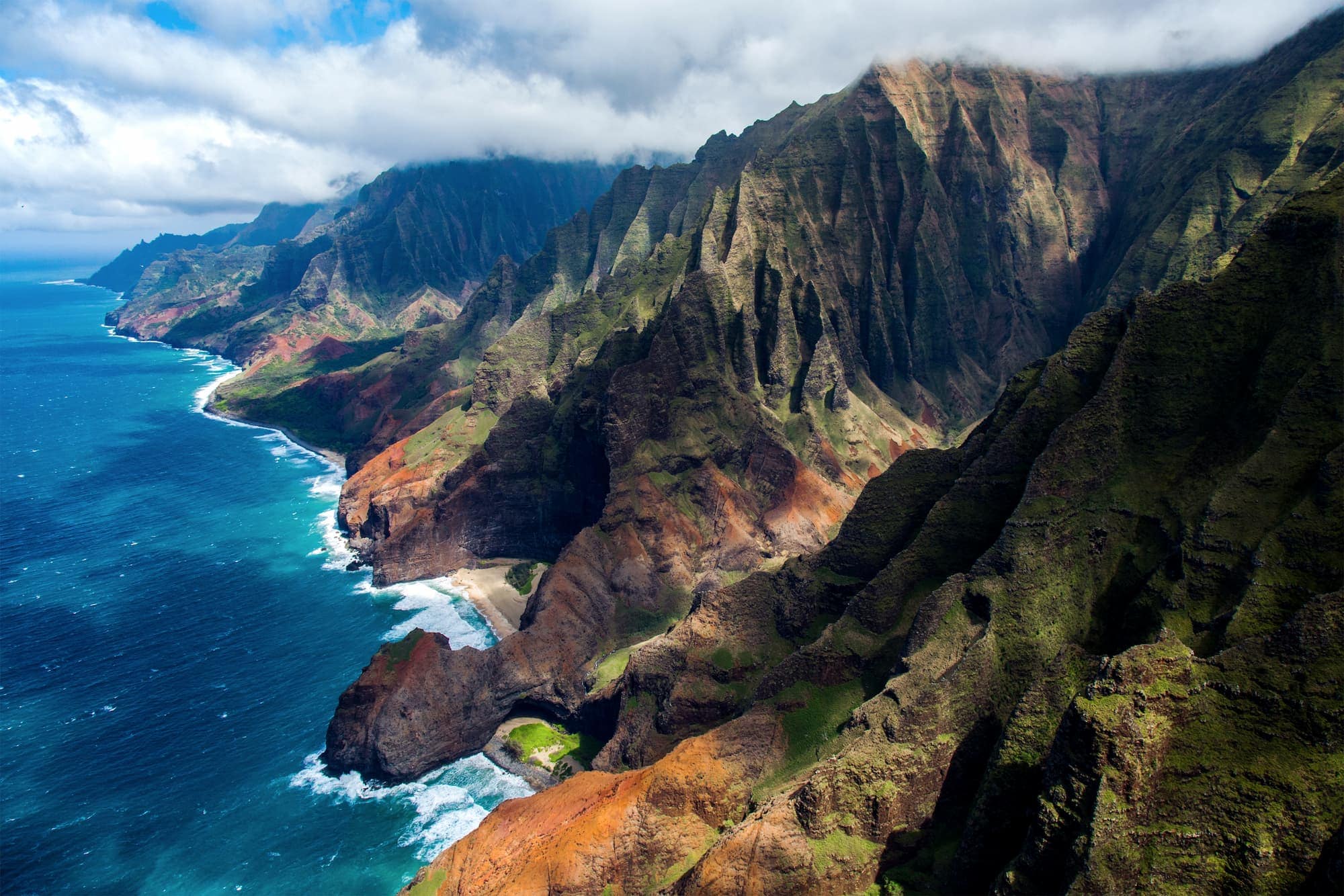
The Nāpali coast cliffs as seen from a helicopter. Credit: Hawaii Tourism Authority (HTA) / Ben Ono
Beaches: Maui
Kauaʻi has some standout beaches, Hanalei, Polihale, and Poʻipū among them, but it can’t match Maui on quality or sheer number. Maui gives you more options, more variety, and more reliable year-round swimming.
On variety and swimmable days, Maui’s beaches are the best in the islands.
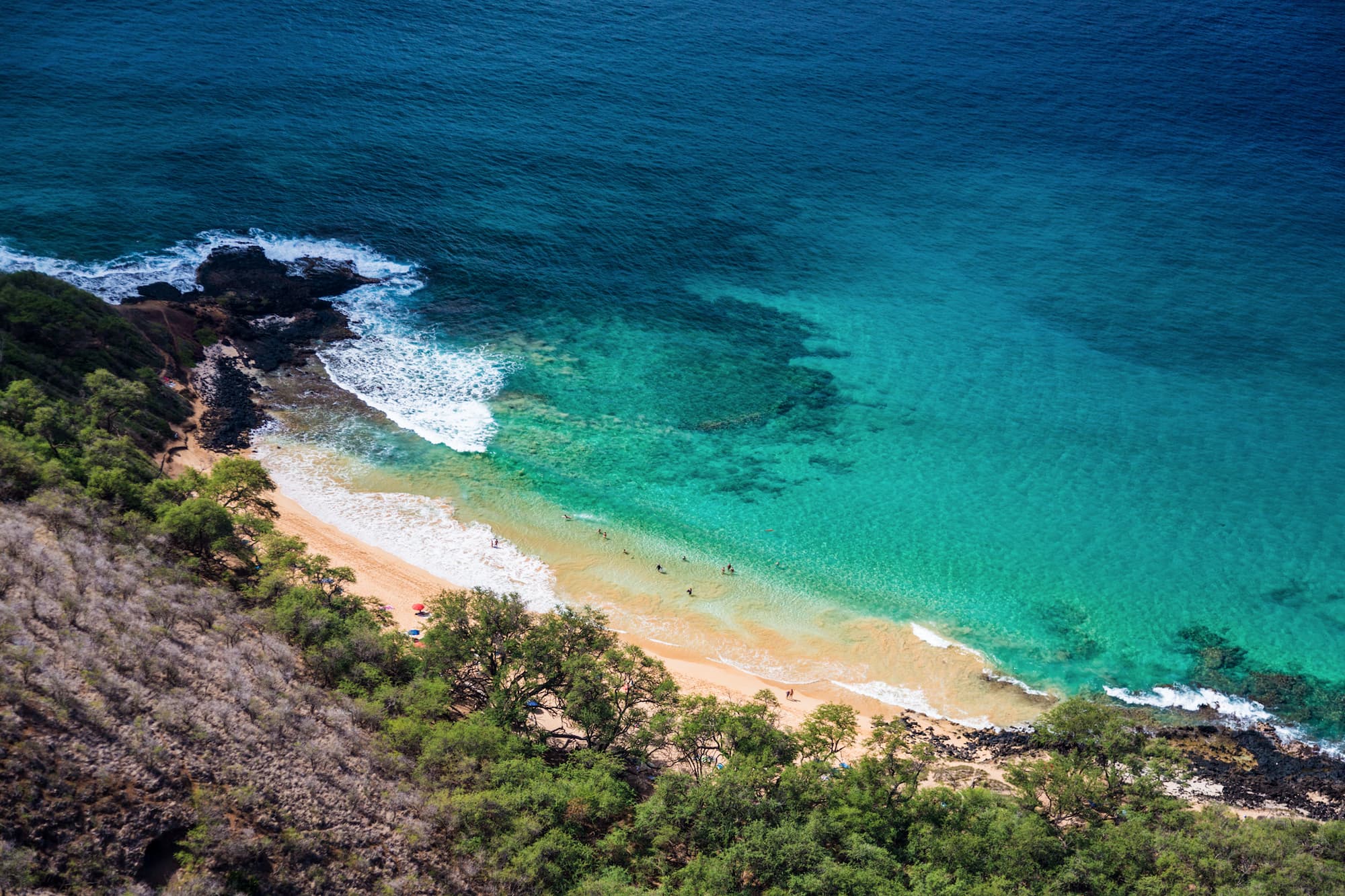
Aerial view of Little Beach. Credit: Hawaii Tourism Authority (HTA) / Tor Johnson
Volcanoes: Maui
Maui is made up of two volcanoes, including the 10,000-foot Haleakalā and its national park, home to hiking trails, stargazing, bike tours, and viewing areas into the volcano’s inner crater. Elsewhere around the island, ʻĪao Valley, La Perouse Bay, and snorkeling at Molokini are all hands-on ways to explore the volcanic terrain.
Kauaʻi’s appeal lies largely in the activities tied to the weathering of its volcanic landscape. It has one volcano, and roughly two million more years of rain have cut it apart. The Nāpali Coast and Waimea Canyon are the headline examples, and both can be walked into rather than only looked at.
Maui gets the nod here, but it’s not a blowout win. The main differences are that Maui has two volcanoes to Kauaʻi’s one, and that Maui offers a more classic volcano experience. Because Haleakalā’s crater has not been entirely eroded away, it is a good introduction for those new to volcanoes, with recognizable geological remnants to explore (craters, cinder cones, and the like).
That said, if you’ve already seen a volcanic crater and know how the islands formed, Kauaʻi shows you the flip side: the effects of erosion in its canyons and cliffs.
Food, Drinks, and Nightlife: Maui
Kauaʻi’s food scene is better than it used to be, now supporting gastropubs like Street Burger in Kapaʻa alongside a local food-truck scene with standouts like Hanalei Taro & Juice.
But Maui wins this one in a landslide. It’s a bigger island with a bigger population, so there are simply more local bars and restaurants across Kīhei, Kahului, and Pāʻia, plus a high-end dining scene in Wailea and Kāʻanapali. Lāhainā is still rebuilding after the August 2023 wildfire. Restaurants north of the historic core are open and serving, and Front Street reopened to traffic on August 1, 2026, but the historic core itself is still under reconstruction.
A couple of details set expectations. Kauaʻi’s best restaurants are few enough that they book up, so reserve ahead. And neither island is a late-night place: kitchens on both mostly close by nine or ten, and a real night-out scene means Oʻahu.
Variety: Tie
Maui is the bigger island, so by pure quantity it has more variety, and that holds up: more restaurants, more residents, more beaches, and more towns. It also has two volcanoes to Kauaʻi’s one, plenty of waterfalls, and the Upcountry farm belt that few islands can match.
That said, Kauaʻi covers plenty of range too: boat rides along the Nāpali Coast, waterfall hikes, small beach towns, rainforest, resort areas (Poʻipū and Princeville), agriculture, plantation history, a long list of sights and destinations, and the largest canyon in the island chain (Waimea).
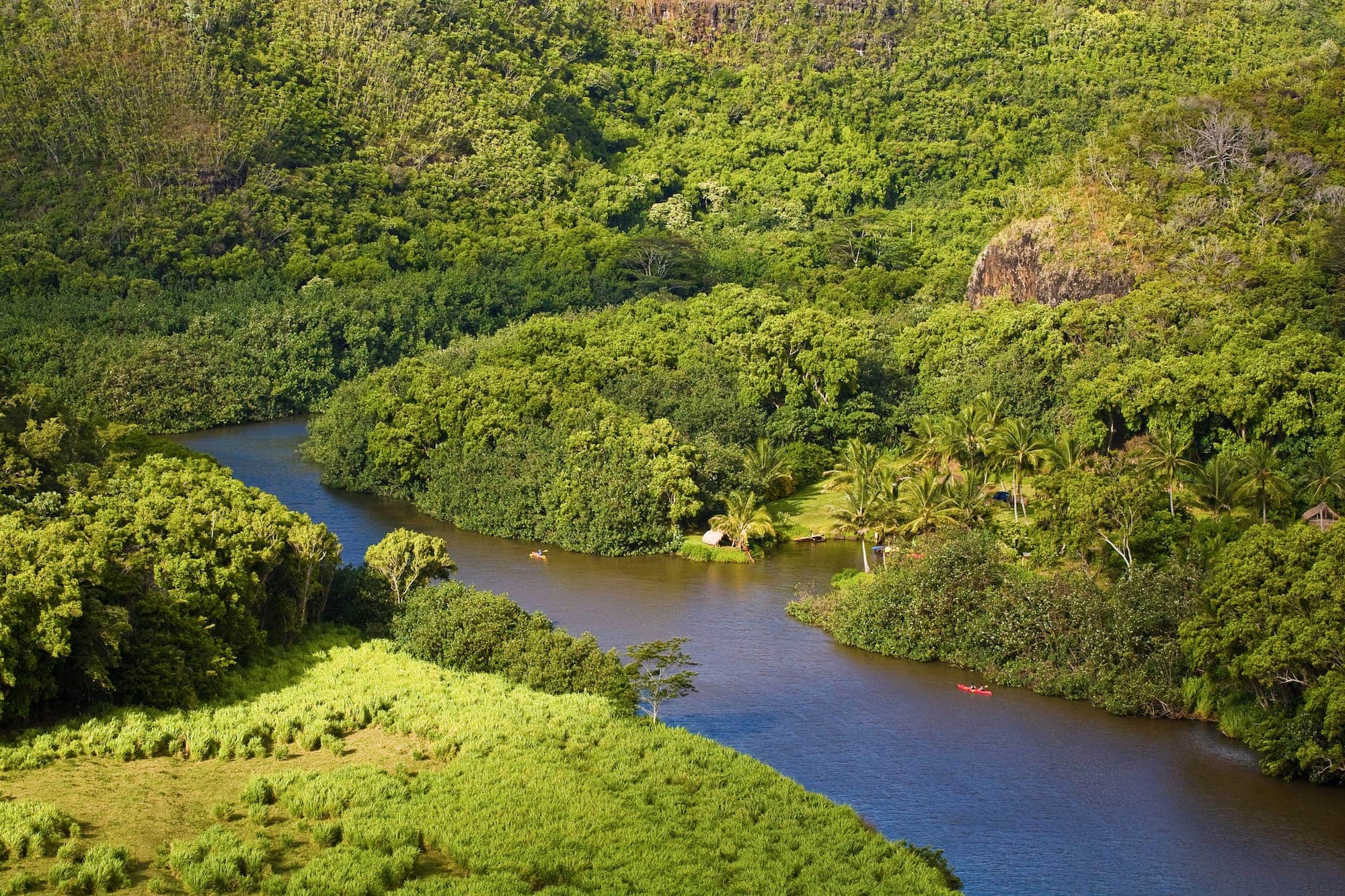
Kayakers on Wailua River (Kauaʻi). Credit: Hawaii Tourism Authority (HTA) / Tor Johnson
Traveling with young kids: Maui. Its calm, swimmable beaches suit little ones, with Nāpili Bay, Kāʻanapali, and the Kīhei strip among the gentlest. Kauaʻi works better once children are old enough to hike and kayak. If you do pick Kauaʻi with small kids, base yourself on the sunnier south side at Poʻipū rather than the north shore, where the draw is cliffs and lookouts more than easy beach days.
Why you should go to Kauaʻi (and forget about Maui)
Go to Kauaʻi for the scenery and the quiet. The coastline is rugged, the interior is green and wet, and the canyon and cliffs (Waimea, the Grand Canyon of the Pacific, and the Nāpali Coast) are the most sharply cut in the state.
Many of its beaches sit more secluded and less crowded than Maui’s, and the outdoor list is long: hiking, kayaking, snorkeling, surfing, and paddleboarding, plus a handful of golf courses. For more, see our overviews of Kauaʻi land activities and the most popular water activities on Kauaʻi.
It’s also the quieter of the two, and it suits a slower trip. The visitor gap is real: Maui drew about 2.35 million visitors in 2024 against Kauaʻi’s 1.39 million, close to twice as many, so Maui’s resort coasts stay busy while Kauaʻi feels slow even in its main towns. The Hawaiian cultural thread runs strong here, through local festivals, food, and historic sites like the Waiʻoli Mission House and the Kīlauea Lighthouse. Small towns like Hanalei and Līhuʻe keep their local character. For a deeper cut, see our Kauaʻi history and culture guide and our Hanalei and Līhuʻe city guides.
Why you should go to Maui (and skip Kauaʻi)
Go to Maui for range and energy. It’s the all-rounder: hiking, surfing, snorkeling, and long days on the beach, plus the Road to Hāna and a set of golf courses. The food scene is one of the deepest in the islands, from Hawaiian plate lunch to international kitchens and farmers’ markets. See our guide to Maui culinary activities to start.
The beaches carry real variety, from the white sand of Kāʻanapali to the black sand of Waiʻānapanapa. Winter brings the other big draw: humpback whales gather in Maui’s warm water from December to April, and a whale-watching tour gets you close. Maui also has more restaurants and shopping than Kauaʻi. Our Kīhei and Lāhainā city guides are a good place to start.
Should you do both?
The obvious next question is whether to skip the choice and see both islands. With a week or less, pick one. The interisland flight is 30 minutes, but returning the rental car and clearing the airport on both ends still burns most of a travel day.
With about ten days, doing both works, and the common order is Maui first and Kauaʻi second, so the trip ends on the slower island. Four to five nights on each is the usual split. If you have one week, the rest of this guide is how to choose.
Getting Started: Sample Itineraries for Maui and Kauaʻi
- Kauaʻi: Where to stay on Kauaʻi, our Kauaʻi overview article and 7 day itinerary.
- Maui: Where to stay on Maui, our Maui overview article and 8 day itinerary.