
Only 72 miles of ocean separate Oʻahu and Kauaʻi, yet Oʻahu holds more than 13 times the population. Pick Oʻahu if you want city energy, the best dining and nightlife in the state, and beaches that stay swimmable in winter; pick Kauaʻi for hiking and the eroded, dramatic scenery of a much older island.
Winter surf turns its north and west shores rough for swimming, so summer is the season for water time there. Plan at least four days for either island.
Over the winter holidays, rental cars on the neighbor islands book out early and get expensive. Oʻahu is the one island you can visit without a car if you base yourself near Waikīkī, so it is the safer pick for a holiday trip when cars are scarce.
Table of contents
This guide compares Kauaʻi and Oʻahu category by category. Other matchups in this series:
Oʻahu and Kauaʻi in a Nutshell
Most of the state’s people and nearly all of its city life are on Oʻahu, an island only 35 square miles larger than its neighbor; Kauaʻi stayed rural, and people visit for its canyons and eroded coastline.
Oʻahu
Oʻahu is the most diverse of the Hawaiian Islands: the hotels and restaurants of Waikīkī, the history and culture of Honolulu, the quieter beaches of the east and west coasts, and the big winter waves of the North Shore. It also has a restaurant and nightlife scene you won’t find on any other island. (For more, see our complete Oʻahu overview.)
Recommended minimum stay: 4 days
Good to know for Oʻahu: Waikīkī is a popular base for its wide choice of hotel options, nightlife, dining, shopping, beginner surf, and convenience, but it is crowded. Stay there if you want the convenience, but see the rest of the island too. The windward side has jungles and off-shore islands; the north shore is the home of big-wave surfing; the west side has local farms and lesser-visited beaches; and central Oʻahu is the stretch most visitors drive through without stopping.
Plan these first: Sunrise hike at the Lanikai Pillbox; Sunset sail in Waikīkī; Big waves on the North Shore (winter).
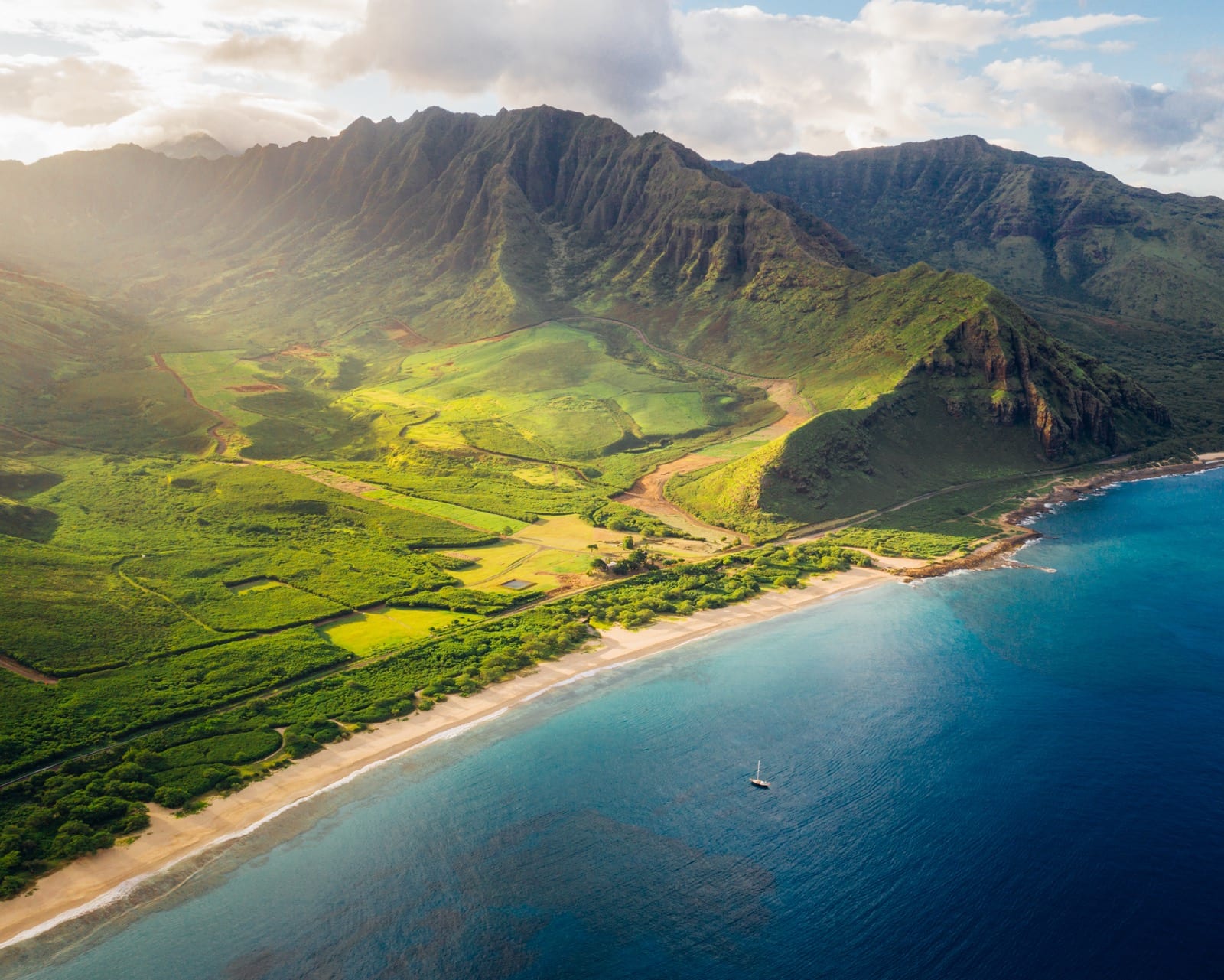
Mākua Valley sits on Oʻahu’s leeward (west) coast at the foothills of the Waiʻanae Mountains. Credit: Hawaii Tourism Authority (HTA) / Vincent Lim
Pearl Harbor and the USS Arizona Memorial are on Oʻahu, with no equivalent on Kauaʻi. If you want to see them, pick Oʻahu. Reaching the memorial from Kauaʻi means a round-trip interisland flight and most of a day at airports, so build it into an Oʻahu stay rather than treating it as a day trip.
Kauaʻi
For a long time Kauaʻi drew fewer visitors than the other major islands. That has changed.
Nicknamed “The Garden Island,” Kauaʻi is the oldest inhabited island in the chain, about 4 or 5 million years old, and it has been eroding the whole time. The Nāpali Coast on Kauaʻi’s north shore rises in tall, jagged peaks over jungle-filled valleys. Waimea Canyon on the west side, “The Grand Canyon of the Pacific,” is 10 miles long and more than 3,000 feet deep. (For more, see our list of 19 most popular sights and destinations on Kauaʻi and our complete Kauaʻi overview.)
Recommended minimum stay: 4 days
Good to know for Kauaʻi: Poʻipū is the resort area of Kauaʻi, but Hanalei and Kapaʻa work as home bases too, and Waimea is the closest to the canyon. Kauaʻi does receive a lot of rain (the summit of Mount Waiʻaleʻale, the volcano it’s built upon, is one of the wettest spots on earth), and during the winter the surf can be extremely rough along the north and west shores. If your trip is built around water time, go in summer.
Plan these first: A hike, kayak, or boat ride on the Nāpali Coast; Surf lessons in Hanalei Bay; A visit to the rim at Waimea Canyon.
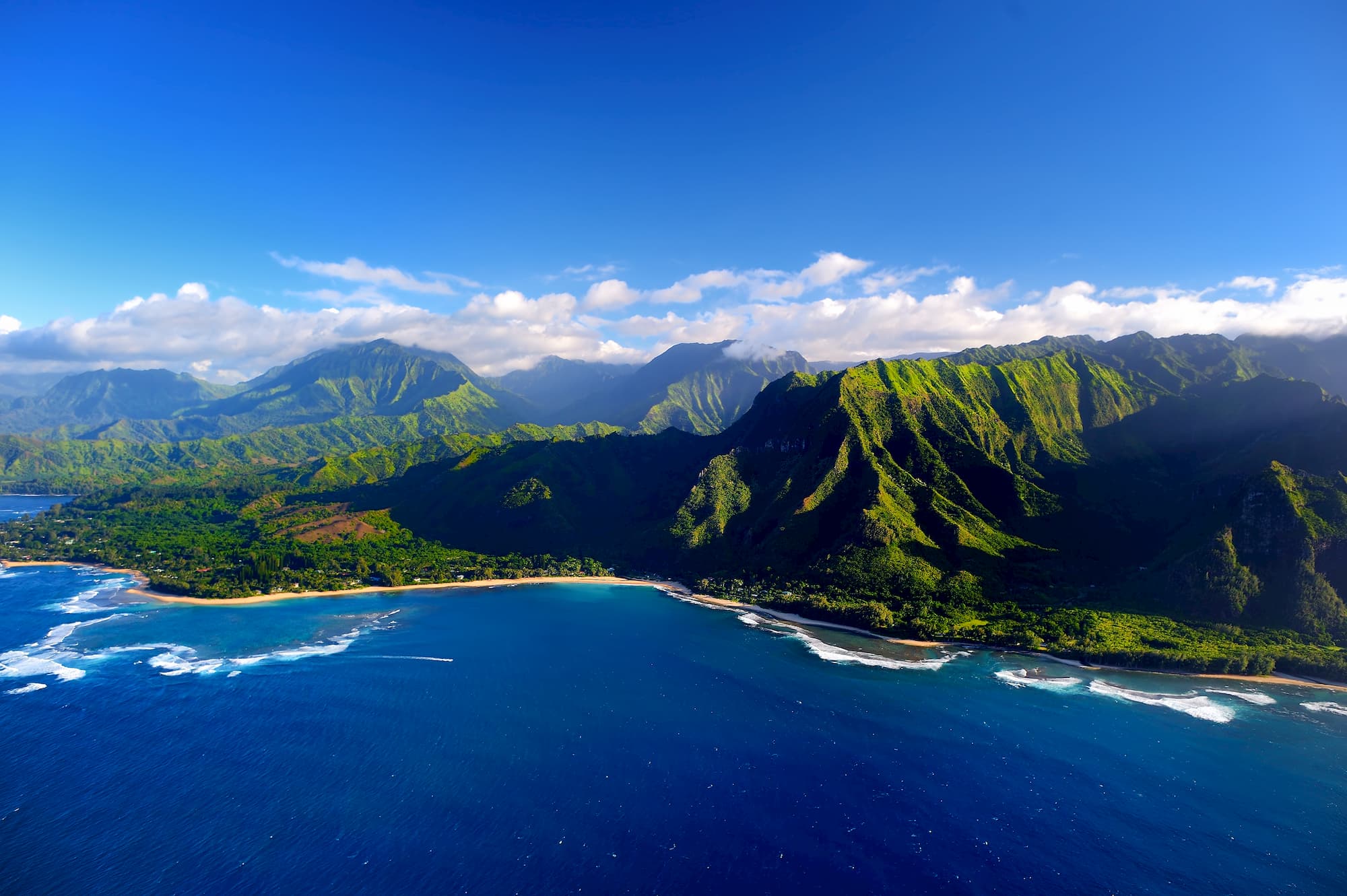
The Nāpali Coast seen from the air: tall sea cliffs cut by narrow, stream-fed valleys. Image credit: MNStudio
What island should you choose if you like…
These are the factors we weigh when comparing Oʻahu and Kauaʻi:
Outdoor adventure: Kauaʻi
Oʻahu is bigger than Kauaʻi and far more developed. You can find good hikes on Oʻahu, but more of Kauaʻi is undeveloped.
The Kalalau Trail has become an international destination in the last decade (non-residents need an advance Hāʻena State Park reservation, $5 per person, to reach the trailhead, plus a separate camping permit to hike past Hanakāpīʻai Valley, even as a day hike), and Waimea Canyon has backpacking routes as well, plus day hikes to waterfalls. Take a boat tour or kayak along the Nāpali Coast, and if you can afford it, take a helicopter ride over Kauaʻi.
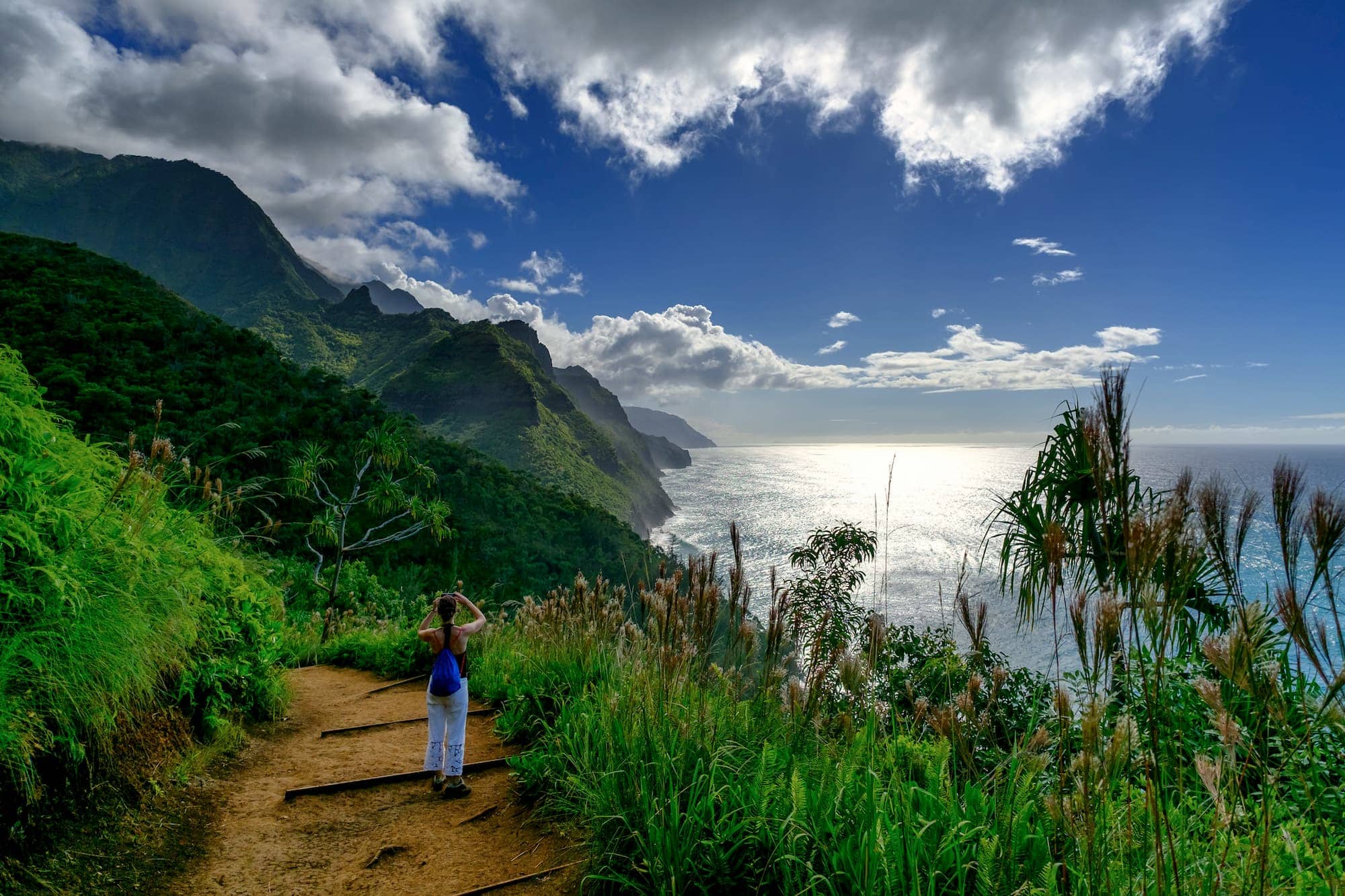
Hiking the Kalalau Trail is the closest you can get to the Nāpali Coast on foot. Image credit: David Lee, source.
Beaches: Oʻahu
Between Waikīkī, the North Shore, Kailua, and the Waiʻanae coast, Oʻahu has more beach variety than any other island. Kauaʻi has fine beaches itself (Hanalei and Polihale among them), but its north and west shores are rough for swimming in winter. If your trip revolves around beach time, pick Oʻahu: its beaches stay swimmable year-round.
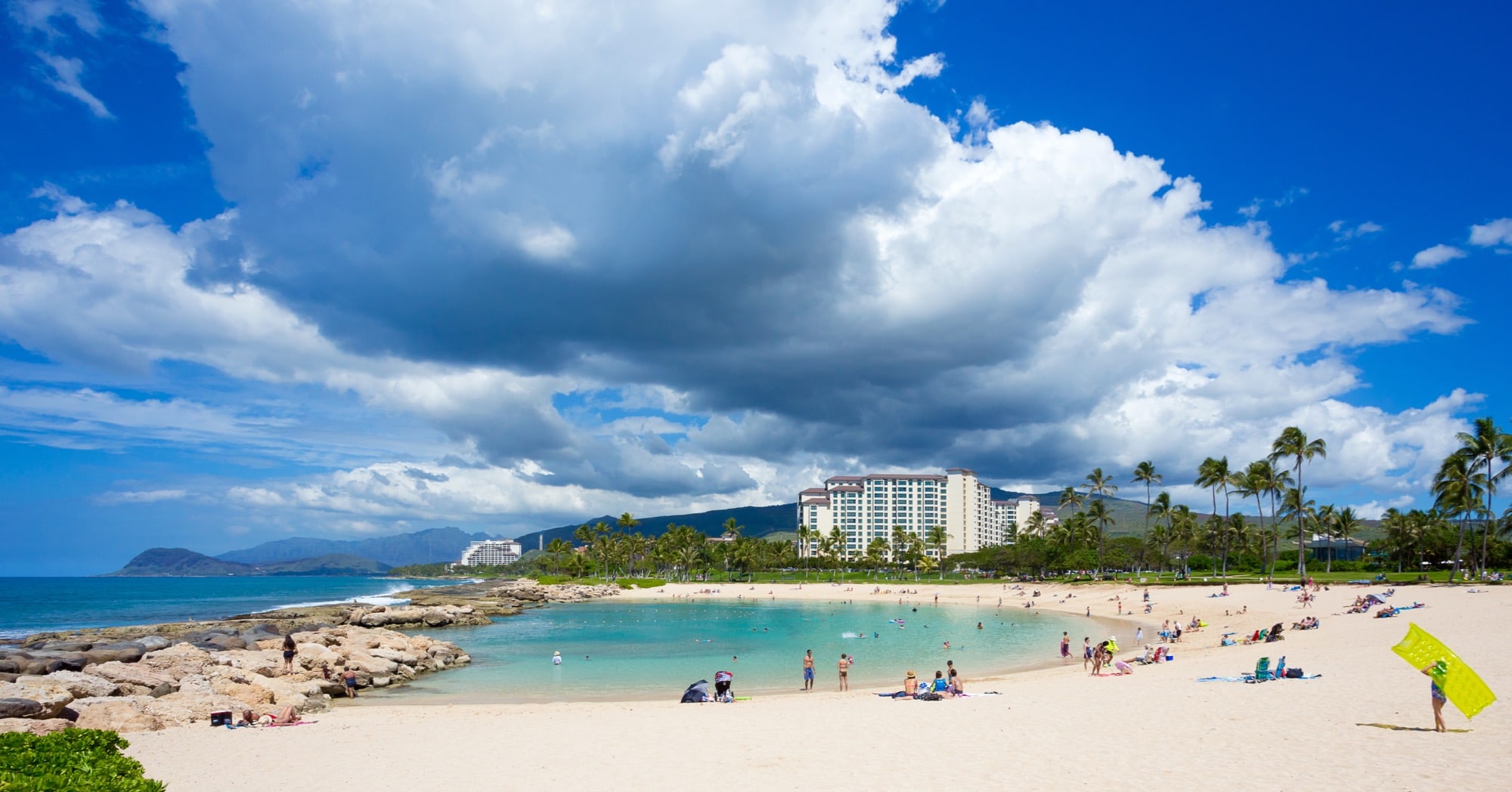
The four man-made, protected lagoons at Ko Olina are swimmable year-round. Image credit: stock photo by Depositphotos.
Snorkeling: Oʻahu
Oʻahu has the stronger snorkeling of the two islands. Hanauma Bay is a protected bay set inside a volcanic crater, with easy entry and reef fish close to shore. It needs a reservation and closes Mondays and Tuesdays. The Ko Olina lagoons and Electric Beach add calmer west-side options. Kauaʻi’s best snorkeling, at north-shore spots like Tunnels, is a summer activity: winter surf makes that coast rough and cuts visibility. For clear water across more of the year, Oʻahu is the pick.
Volcanoes: Kauaʻi
Oʻahu is made up of two volcanoes, and has a lot of volcanic features to explore, including Diamond Head, Koko Head, Punchbowl, and the Waiʻanae and Koʻolau mountain ranges. Kauaʻi only has one volcano, but it is a significantly older island than Oʻahu (4 to 5 million years old versus 2 to 3 million). Kauaʻi’s mountains have had longer to erode into cliffs and canyons of a scale Oʻahu cannot match, such as the Nāpali Coast and Waimea Canyon.
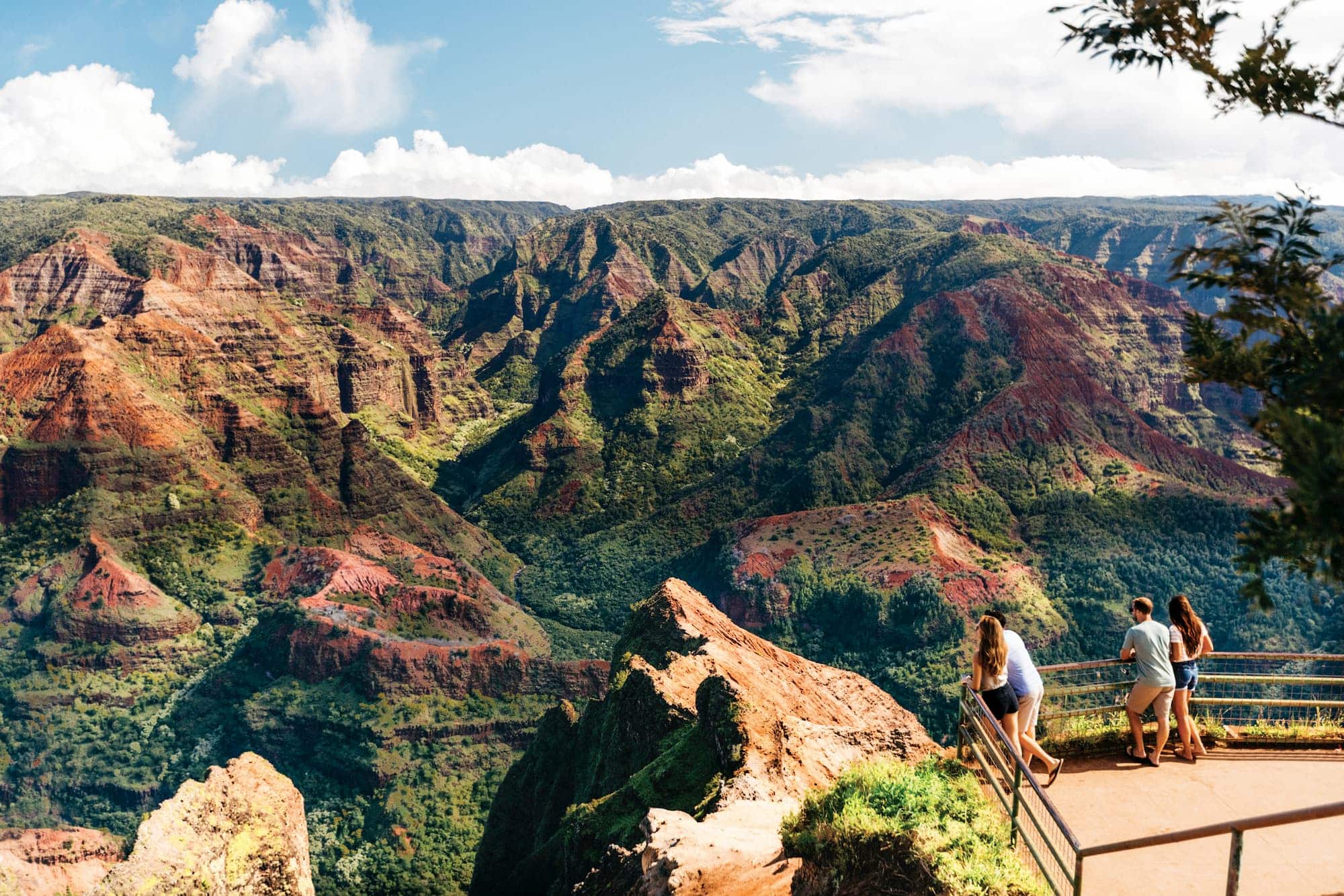
The easily accessible Waimea Canyon Lookout gives wide-open views of Waimea Canyon. Image credit: Hawaii Tourism Authority (HTA) / Ben Ono
Food, drinks, and nightlife: Oʻahu
Kauaʻi’s food scene has improved in the last decade and has a large food truck scene to go along with its gastropubs. Honolulu and Waikīkī still have the state’s biggest concentration of restaurants and bars. (Read more about nightlife on Oʻahu.)
On Kauaʻi, plan around early closing. Many restaurants and shops shut early in the evening, and they are spread across the island, so dinner can mean a drive. On Oʻahu, Waikīkī and Honolulu keep late hours, and you can find food and coffee both early and late. If you want a late dinner or any nightlife, pick Oʻahu.
Variety: Oʻahu
Oʻahu’s metro, beach, volcanic, and historic offerings give visitors the most variety of any island in the chain. Kauaʻi has less variety: you go there for the hiking and the eroded scenery.
For a big group or several families traveling together, Oʻahu is usually the easier island to coordinate: more lodging at more price points, more activities that work for every age, and a bus network that reaches most of what visitors come for.
If you visit both islands
Start on Oʻahu and finish on Kauaʻi. Oʻahu’s restaurants and coffee shops keep early and late hours, which helps on the first jet-lagged mornings when you are awake at 4am and want breakfast. Kauaʻi is slower and quiet at night, so put it at the end of the trip. The two airports are a short interisland flight apart, well under an hour. Give each island its own block of days rather than splitting a single week between them.
Sample itineraries for Kauaʻi and Oʻahu
For Kauaʻi: Our Kauaʻi overview article and 7-day itinerary for Kauaʻi cover the island region by region and sequence it into a full trip.
For Oʻahu: our series of things to do in Kailua, Honolulu, the rugged leeward coast, the tropical windward coast, central Oʻahu, and the North Shore cover the island region by region. For a complete trip suggestion see our 7 day itinerary to explore the whole of Oʻahu.