
Twelve of these 14 Maui activities take two hours or less, easy to slot between beach time and a dinner reservation. Two don’t. The boat to Lānaʻi leaves in the morning and returns in the late afternoon, and the cabin at Polipoli is an overnight stay in the upcountry forest, not a drive-through stop.
The Polipoli cabin and the Lānaʻi boat trip are both stops that already made it into our 8-day Maui itinerary: block a full day for the boat, an overnight for the cabin. If you’ve only got an afternoon, stick to the quick dozen; if you can spare more time, start with these two.
Table of contents
- Snorkel at Olowalu
- Take a boat to Lānaʻi
- Spend the day at Makena Beach
- Explore the ʻĀhihi-Kīnaʻu Natural Area Reserve
- Chow down at Bully’s Burgers
- Spend the night at an upcountry cabin in Polipoli
- Watch the big-wave surfing at Jaws
- Visit Charles Lindbergh’s grave
- Watch the sunset from Haleakalā’s summit
- Bike down Haleakalā
- Explore the Makawao Forest Reserve
- Visit a sunflower farm and learn about Hawaiʻi’s energy plan
- Visit the Surfing Goat Dairy
- Taste vodka made from pineapples and ocean water
Snorkel at Olowalu
From the highway there is little to mark Olowalu, but underwater its reef covers more than 100 acres. You get in by pulling off the highway and walking out into the water, which is usually calm and protected from the trade winds.
The reef sits close enough to shore to be good for small children. You can also swim about a hundred or more yards offshore to explore a deeper reef. You can see tropical fish, Hawaiian green sea turtles, and manta rays. Bring a picnic lunch and hang out on the white-sand beach in between dips. There are no services at Olowalu, so bring everything you need for the day.
You can see a video introduction to Olowalu in the following 2-minute video by Kalani Prince from the Aloha Stoked channel:

Take a boat to Lānaʻi
If you’re staying in West Maui, you’ll stare at Lānaʻi a lot of the time, the island clearly visible offshore. It’s a luxury-based destination, but there are two economical ways to visit Lānaʻi for the day.
- The first is by jumping on a snorkel tour to Hulopoʻe Bay. There’s a reef there just off the coast, and snorkel boats from Maui cruise over there often and anchor up (check out the offerings from Sail Trilogy, Sea Maui, Pacific Whale Foundation, etc).
- The second is to take the Maui-Lānaʻi ferry. It now departs from Māʻalaea Harbor, not Lahaina Harbor (the operator moved its Maui-side terminal after the 2023 wildfire), and arrives at Hulopoʻe Bay, where there is a beach park, walking paths along the cliffs, and ocean/reef access. Each one-way leg runs about $66 adult (FareHarbor books the outbound and return as separate legs, so budget roughly $132 round trip). You can head over in the morning, spend the day, and come back in the late afternoon. Bring your snorkel gear and lunch.
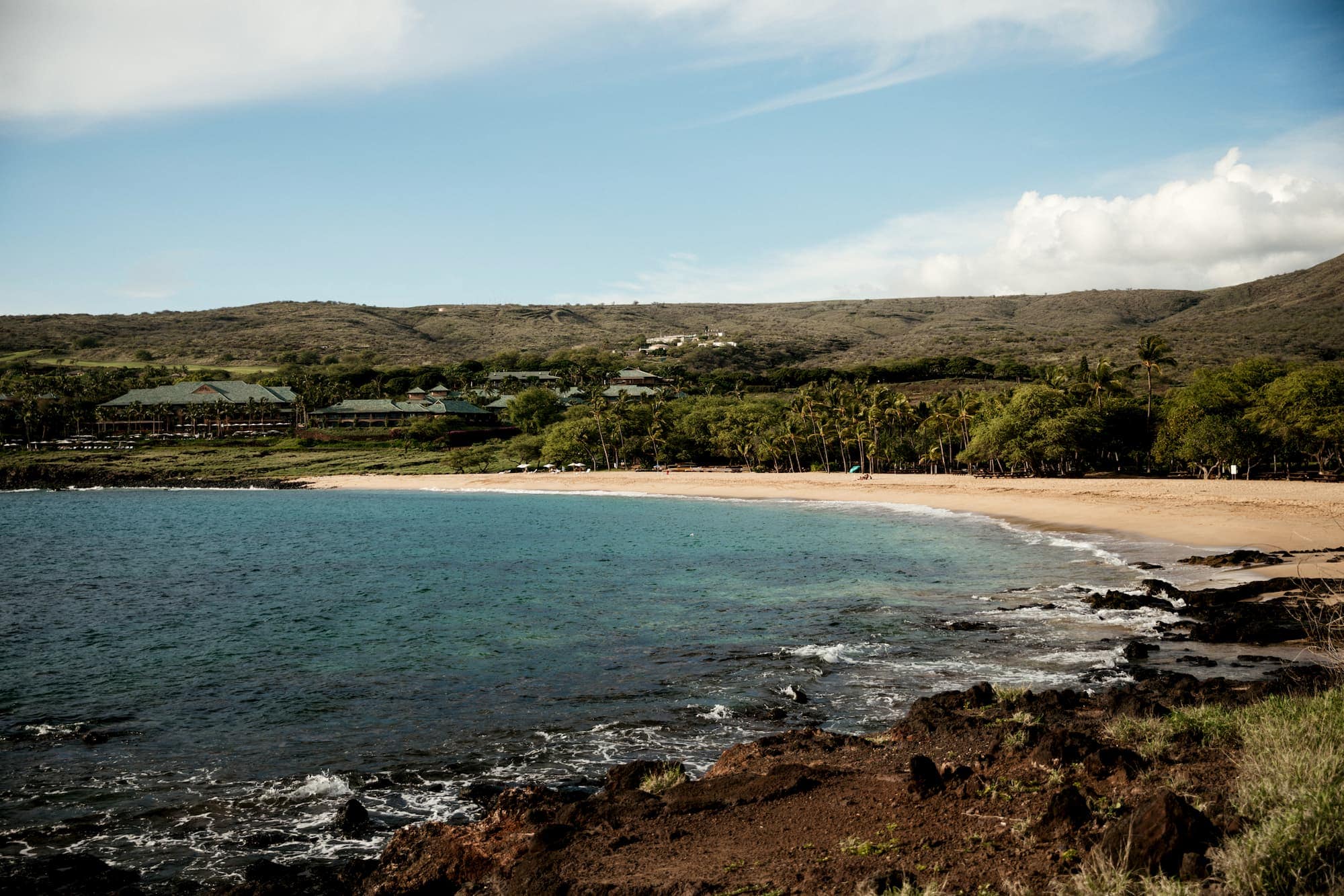
Hulopoʻe Bay has both the Four Seasons resort and a campground. Credit: Hawaii Tourism Authority (HTA) / Heather Goodman / @hbgoodie
Have a look at our dedicated overview of Lānaʻi to learn more about its recent history, where to stay and eat, and what to do.
Spend the day at Makena Beach
Makena sits in the southeast corner of the island, one of its least developed beaches. It’s a big beach park backdropped by forests, and while it does attract crowds at times, there is a lot of room to spread out and several different entrances.
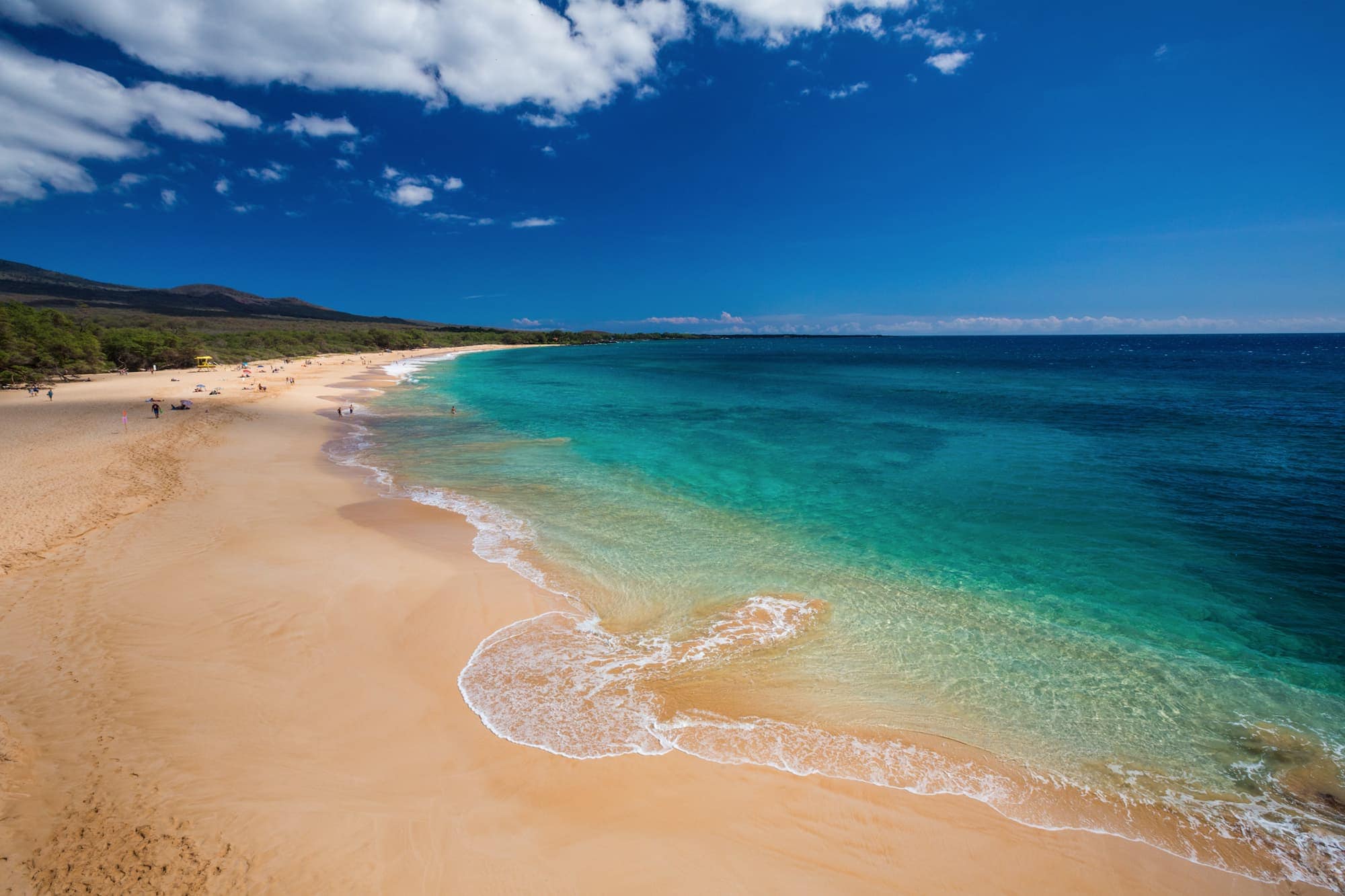
Makena beach is split in two parts: Big Beach, pictured here, and the smaller, clothing-optional Little Beach next door. Credit: Hawaii Tourism Authority (HTA) / Tor Johnson
“Big Beach” is the main sandy stretch of Makena, but there’s also Oneuli Beach nearby (black sand, great for snorkeling), as well as a place called “Little Beach,” which is clothing optional. Plus, food trucks and hiking paths, like Puʻu Olai.
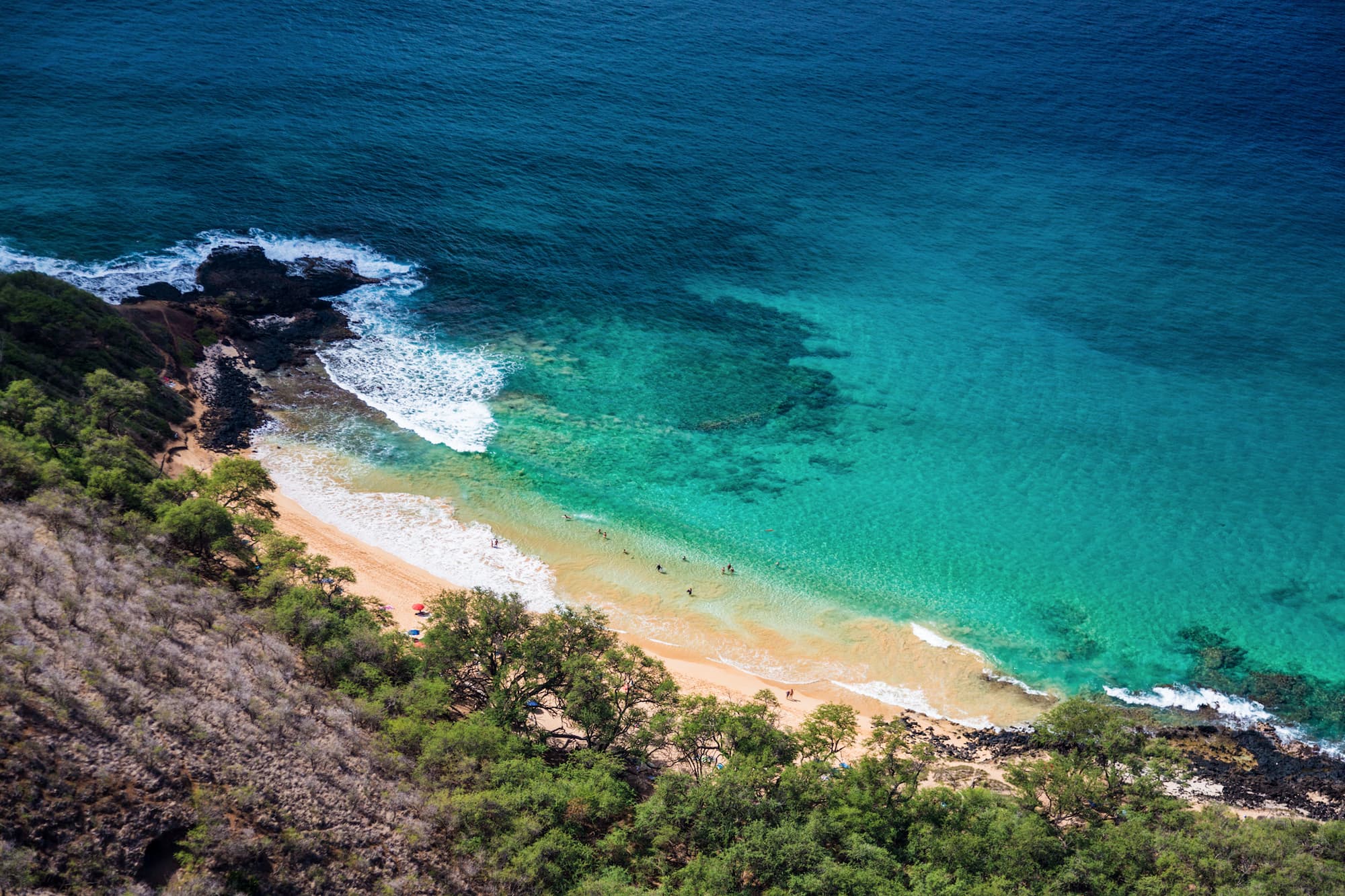
Aerial view of Little Beach. Credit: Hawaii Tourism Authority (HTA) / Tor Johnson
Explore the ʻĀhihi-Kīnaʻu Natural Area Reserve
If you continue south past Makena Beach, you’ll end up at the ʻĀhihi-Kīnaʻu Natural Area Reserve. It protects more than 800 submerged acres of reefs and lava fields (from Haleakalā’s last eruption some 200 to 500 years ago), and in certain areas, you can snorkel and kayak.
Check out the Kanahena Trail and Kanahena Beach, which is a good access point for swimming and snorkeling. As this is a conservation area, no fishing is allowed and use of proper reef-safe sunscreen (made with zinc only) is required.
Chow down at Bully’s Burgers
Bully’s Burgers (also in instagram) sits on the Piʻilani Highway at the far southeast corner of the island, on the route you drive when making the full circle on the Road to Hāna. The burger stand sits on a working cattle ranch, serving fresh beef raised right there on the property.
Given its out of the way location, your best bet is to combine it with a trip on the Road to Hāna, or a visit to the Kīpahulu District of Haleakalā National Park.
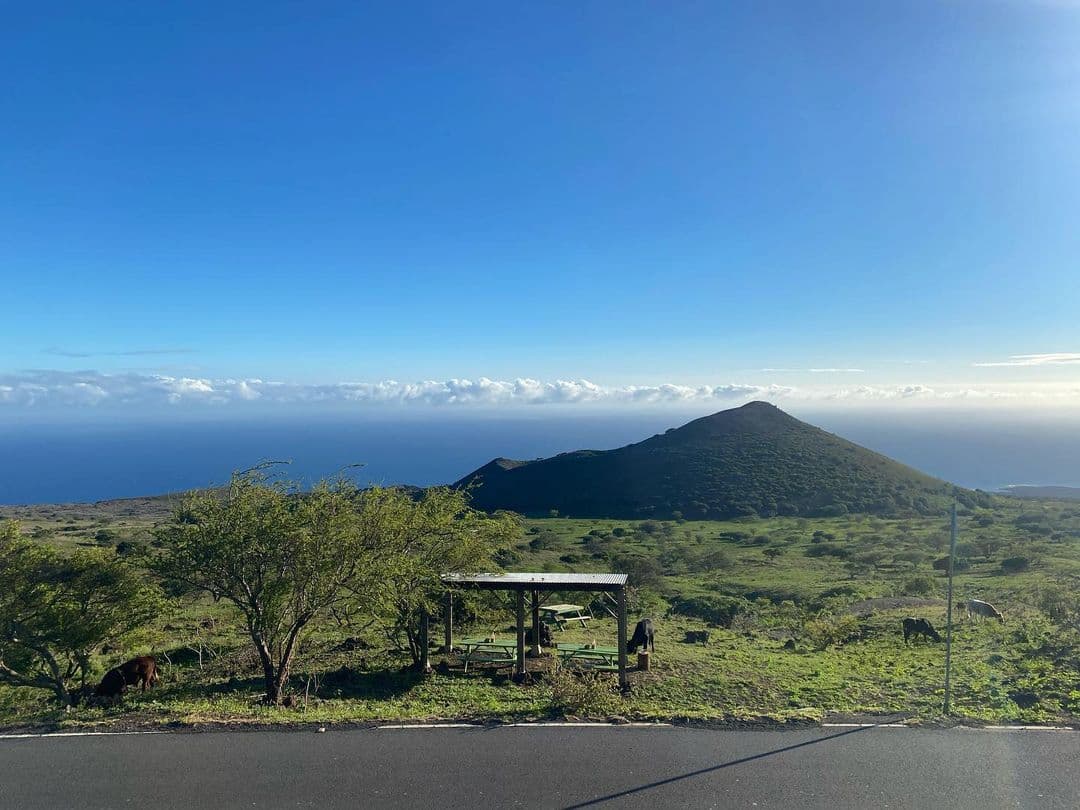
The view from Bully’s Burgers. Image credit: @bullysburgersmaui on instagram.
Spend the night at an upcountry cabin in Polipoli
Polipoli Spring State Recreation Area sits high in the hillsides of Haleakalā at 6,200 feet and is much less visited than other natural areas on the island. The cloud forest here has several hiking trails through pine and conifer forests.
There is a standard campground there, but as nights tend to get cold and can be wet, we recommend something more comfortable. There is also a cabin at Polipoli you can rent for the night, with beds, a kitchen, outside living space, and views of the valley. The cabin is rustic.
Watch the big-wave surfing at Jaws (winter only)
If you’re traveling to Maui during the winter months, you may get to see one of the island’s largest surf breaks: Jaws, or Peʻahi, as the Hawaiians call it. Watch for yourself:

During your winter visit, check the surf forecast. If you hear that Peʻahi is breaking, follow the crowds out to Maui’s north shore and find a spot along the cliffs to watch. The waves are massive.
See our introduction to surfing on Maui that includes pointers on local surf classes and surf spots in our overview of water activities on Maui.
Pay homage at Charles Lindbergh’s grave
Charles Lindbergh is buried on Maui’s southeast coast. Lindbergh was a huge fan of Maui and had a vacation home there. When he became sick with cancer, he decided he wanted to be buried on Maui and lived his last eight days on the island.
He chose a spot adjacent to a church along Maui’s south shore; Maui Inn’s write-up tells the story of how he chose the site.
Watch the sunset from Haleakalā’s summit
In recent years, catching the sunrise from the summit of Haleakalā has turned into an extremely popular activity, so much so that you now need a reservation and permit to enter the park for the sunrise. Plan to leave your hotel by 3 a.m. or so to make it in time (see also our guide for seeing the sunrise and sunset from the Haleakalā summit).
But, if you’re looking for something a little more relaxed, try the sunset from the summit. You won’t need a reservation or permit, you don’t have to get up early, and it won’t be as crowded as sunrise. Bring a picnic, find a spot to sit for the sunset, and plan on having a late dinner.
For both experiences, bring layers: temperatures can be near freezing at the summit.
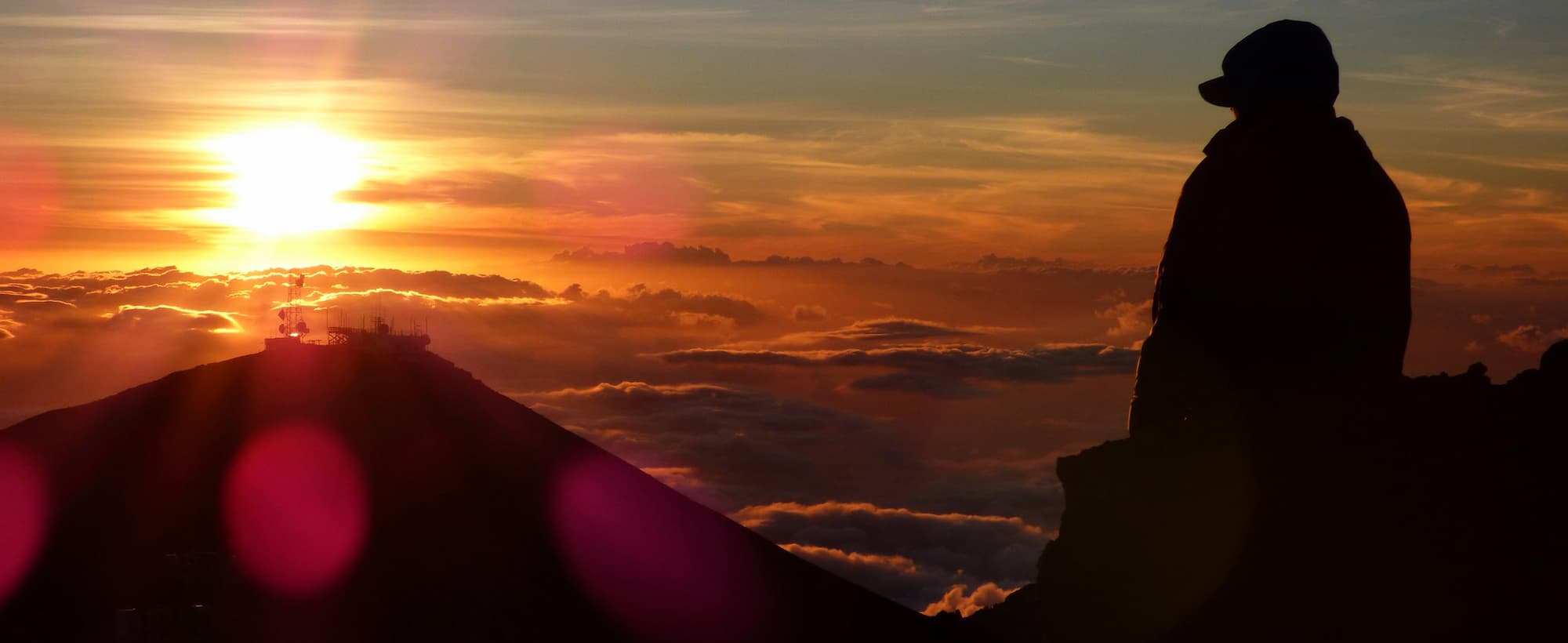
The sunset colors at the summit are as good as the sunrise. Image credit: Forest and Kim Starr on Flickr.
Bike down Haleakalā
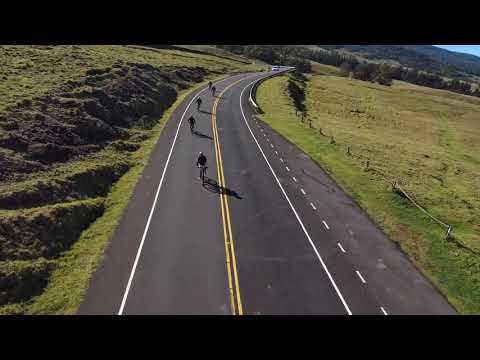
Another activity on Haleakalā is a biking tour down the Haleakalā Highway. Bike Maui runs several tour options that transport you to the summit and let you cruise downhill for 23 miles to the town of Haʻikū.
Starting at 10,000 feet, where the air is cold and you’ll most likely be wearing layers, you descend down through a variety of microclimates, the air gradually getting warmer until you’re forced to stop and shed layers. As the climate changes, so do the ecosystems, from the high alpine desert and wooded upcountry to the tropical forests down below.
A guide points out the route and helps on the tricky sections; check which formats Bike Maui runs for your dates when you book.
Explore the Makawao Forest Reserve
Maui has dozens of hikes worth doing; look through our 15 favorite hikes on Maui and pick your favorite. That said, if you’re trying to avoid the crowds, you may be interested in a visit to the Makawao Forest Reserve in Upcountry Maui.
Mountain bikers use the reserve most, cruising down its trails at 2,500 feet above sea level. There are also hiking (or shared) trails through a mix of eucalyptus, pine, and tropical plants, like wild ginger. Rent a mountain bike (try Bike Maui) or hike here for an afternoon.

Visit a sunflower farm and learn about Hawaiʻi’s energy plan
Sunflower fields have become popular as photo backgrounds on social media, but in Hawaiʻi they are grown for fuel as part of the state’s shift toward renewable power. Maui growers plant more than 100 acres of these sunflowers for biodiesel. Skyline Hawaiʻi’s post on the biodiesel fields explains how the seed becomes fuel.
There are multiple sunflower crops per year, so to find out if they are in bloom, call Maui Tropical Plantation. The fields are adjacent to the complex, and if they are in bloom, parking there is the safest (and legal) way of seeing the fields.
Visit the Surfing Goat Dairy
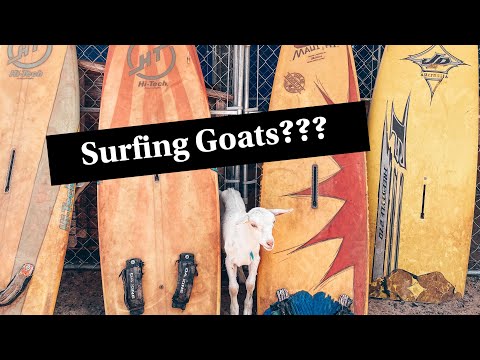
This one would be a tourist trap if the cheese weren’t so good. The Surfing Goat Dairy in Upcountry Maui does exactly what its name promises: you’ll likely come across a goat standing on a surfboard at some point during the visit.
The tour includes a walk through the farm, and you’ll get a glimpse of the farm and the process of making goat cheese, then get to sample a variety of styles, from feta and French to tropical flavors, like mango and lilikoi. And, of course, there will be goats.
Taste vodka made from pineapples and ocean water
Maui has two vodka producers: Ocean Vodka and Haliʻimaile Distilling Company. Both run tours and tastings.
- Ocean Vodka is made using fresh water drawn from a natural spring 3,000 feet deep off the coast of Kona.
- Haliʻimaile’s Pau Maui Vodka is made from pineapples instead of grain or potatoes.
Hey, there are worse conversation starters at happy hour.