
NOAA’s Hawaiian Islands Humpback Whale Sanctuary says thousands of whales gather in the ʻAuʻau Channel off Maui’s west coast between November and April, and Maui’s shore counts find the most in January and February. Everyone else is asking when the water’s clearest, when the rain stays away, and when rooms are cheapest.
The west side of Maui stays noticeably drier than the east side in winter, the same pattern that keeps Kona drier than Hilo on the Big Island. If your trip dates are already locked in, skip ahead to the season that matches your calendar.
Table of contents
- Why visit?
- What is the best time to visit Maui?
- Seasonal weather trends: a month-by-month breakdown for Maui
Details below last verified July 2026.
| Name | Best time | Why |
|---|---|---|
| 1Whale watching (Details ↓) | November through April, peak Jan-Mar | The only window humpbacks are off Maui's west coast |
| 2Snorkeling (Details ↓) | Summer best, spring/fall acceptable | Calmer water, less current than winter |
| 3The cheapest rates (Details ↓) | September and October | ~$424-434 ADR, the year's lowest; December runs ~$689 |
| 4Fewer crowds (Details ↓) | Spring, fall, and winter (outside the holidays) | Summer and December draw the most visitors |
| 5Best weather (subjective) (Details ↓) | Depends: summer for sun, late winter/spring for waterfalls | Different seasons suit different priorities |
| 6Driest weather (Details ↓) | West Maui in winter | The west side stays noticeably drier than the east |
Why visit Maui?
Maui has golden-sand beaches, dense rainforest hiking, high-altitude volcanic landscapes, family-run farms, restaurants, and small, walkable beach towns, often within the same day trip.
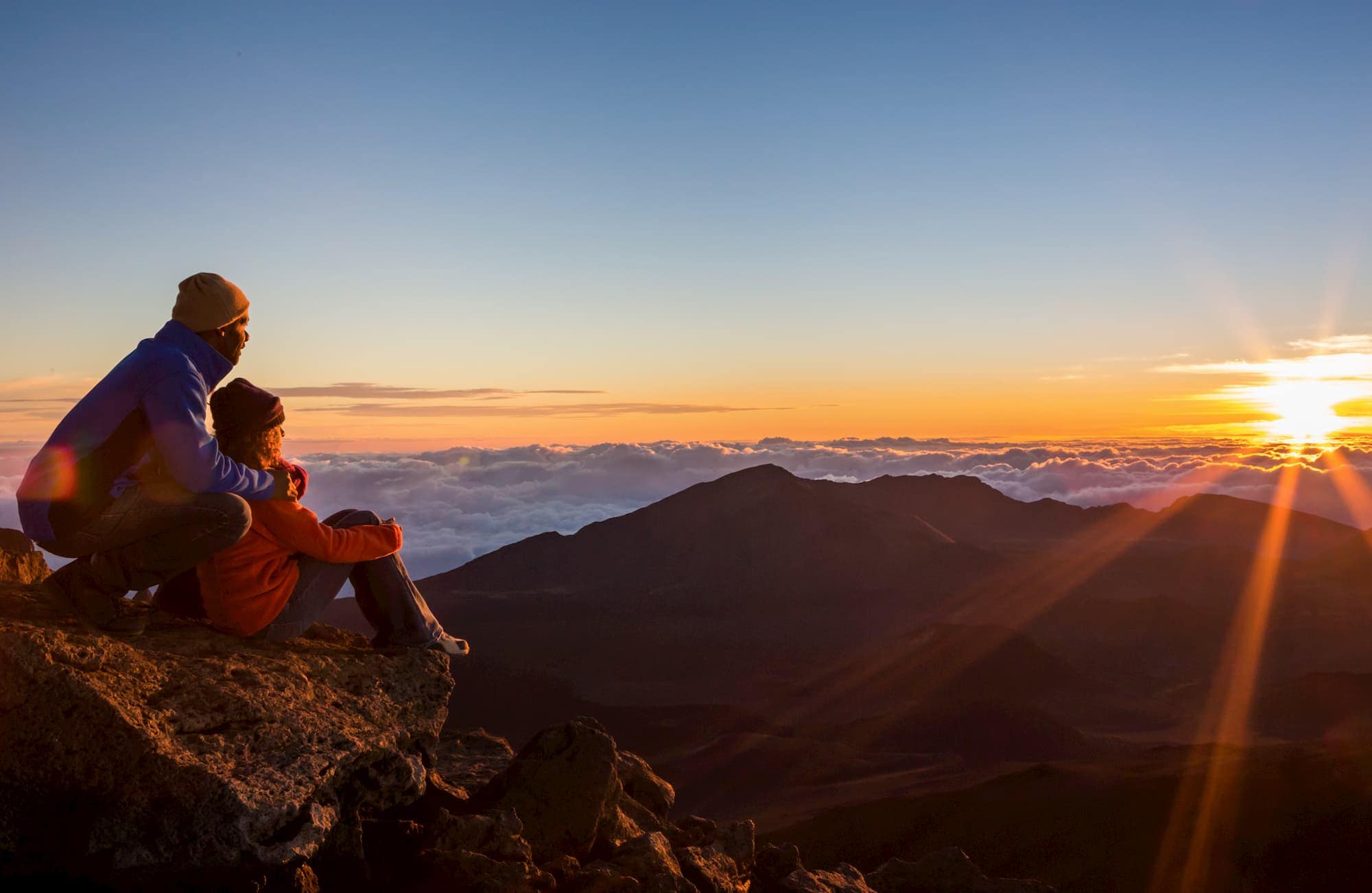
If you plan to visit Haleakalā and stick around after sunset (or visit to see the sun rise) it’s important to dress appropriately! Credit: Hawaii Tourism Authority (HTA) / Tor Johnson
Maui, the second-biggest island in the chain, has a 10,000-foot volcano (Haleakalā), seasonal whale watching, and remote, undeveloped rainforests, like the winding Road to Hāna.
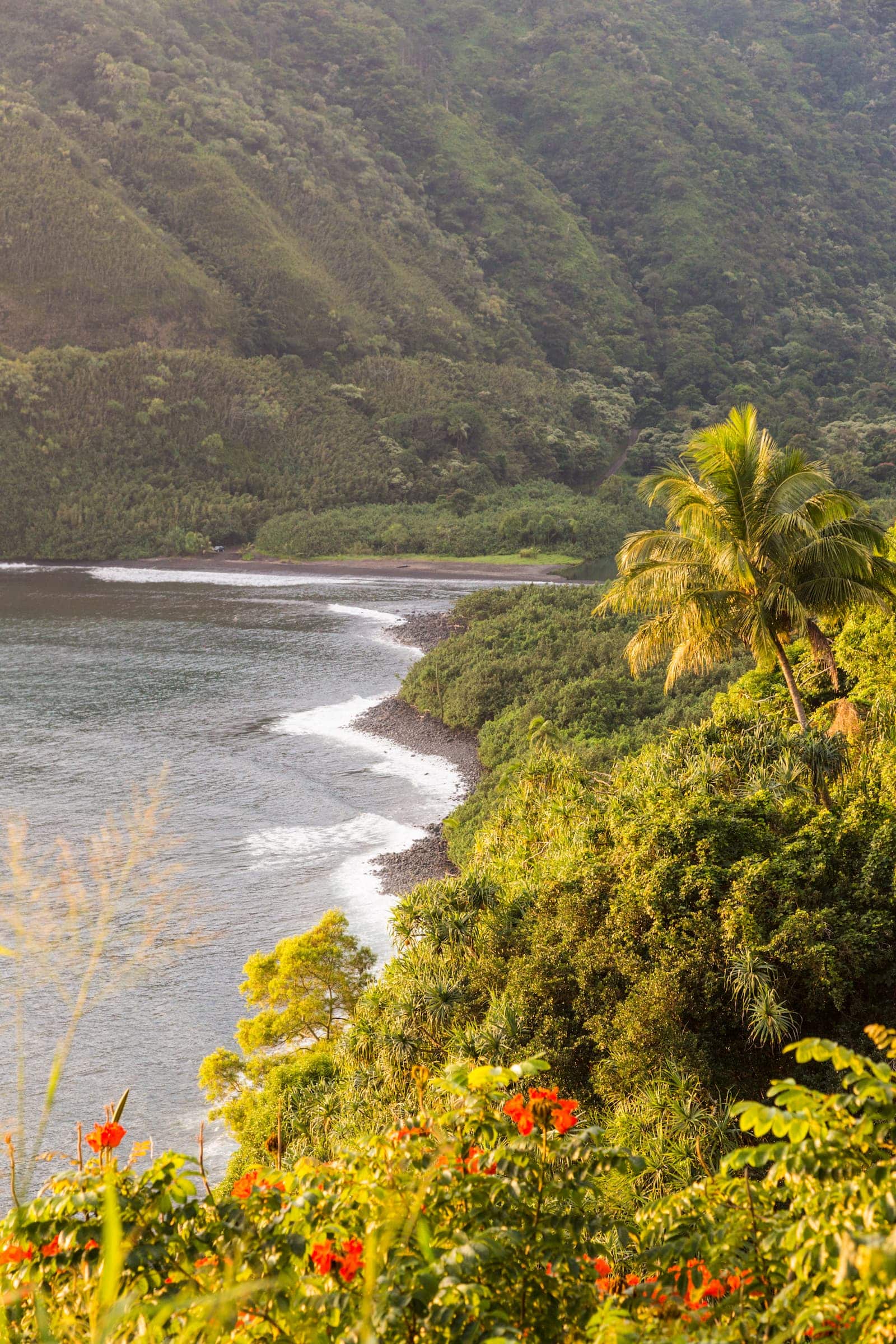
A small bay hidden in the mountainside along the Road to Hāna on Maui. Credit: Hawaii Tourism Authority (HTA) / Tor Johnson
What is the best time to visit Maui?
It depends on what you want to do here. A great beach day is possible any time of year, but whale watching is not, and both prices and crowds change with the season.
- What is the best time best time to see whales?
- What is the best time for snorkeling
- What is the best time to visit Maui “on the cheap?”
- When to visit Maui if you want to skip the crowds?
- What is the best time to visit Maui for the weather?
- How to Avoid Rain During the Rainy Winter Season
The best time to visit Maui to see whales:
NOAA’s Hawaiian Islands Humpback Whale Sanctuary estimates thousands of whales gather in Hawaiian waters each year, with most of them off the west coast of Maui in the ʻAuʻau Channel. Our whale watching guide lists the boat tours, and our kayaking page lists the kayak whale watching trips. Whales begin arriving in November and stay through April, but the best odds of a sighting are January and February.
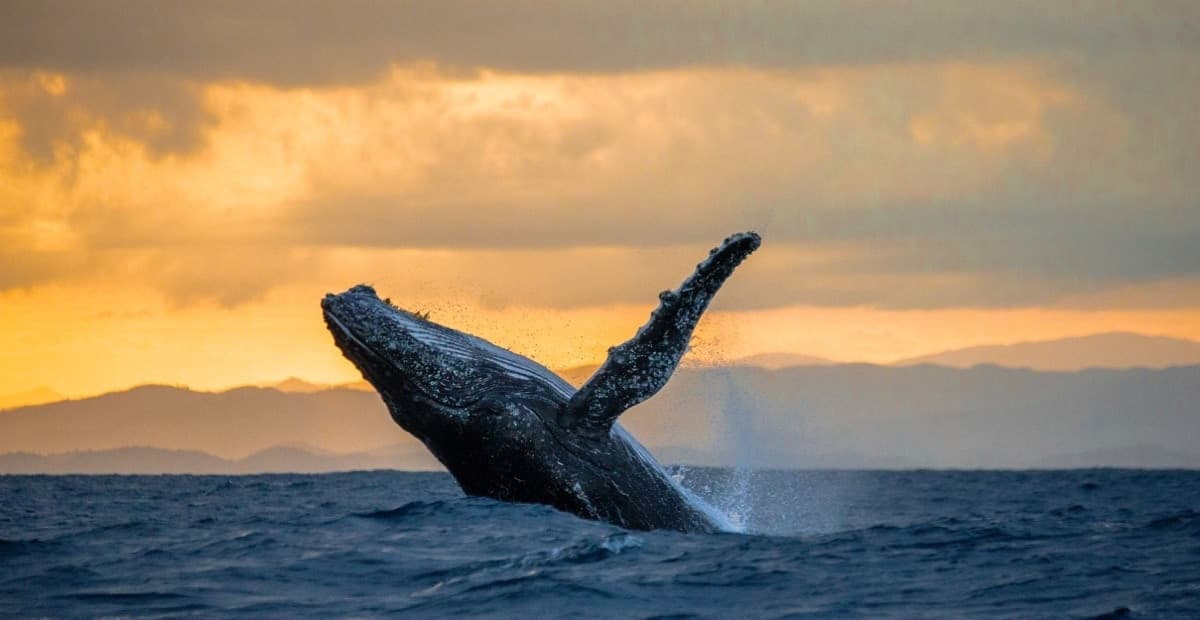
A humpback whale breaching the surface off Maui.
The best time to visit Maui for snorkeling:
You can snorkel on Maui year-round, but conditions are best in summer. You can still snorkel on a sunny winter day, just with a higher chance of rain, bigger waves, and stronger currents. Casual snorkelers shouldn’t worry too much, but anyone planning to explore multiple sites should stick to spring, summer, or fall.
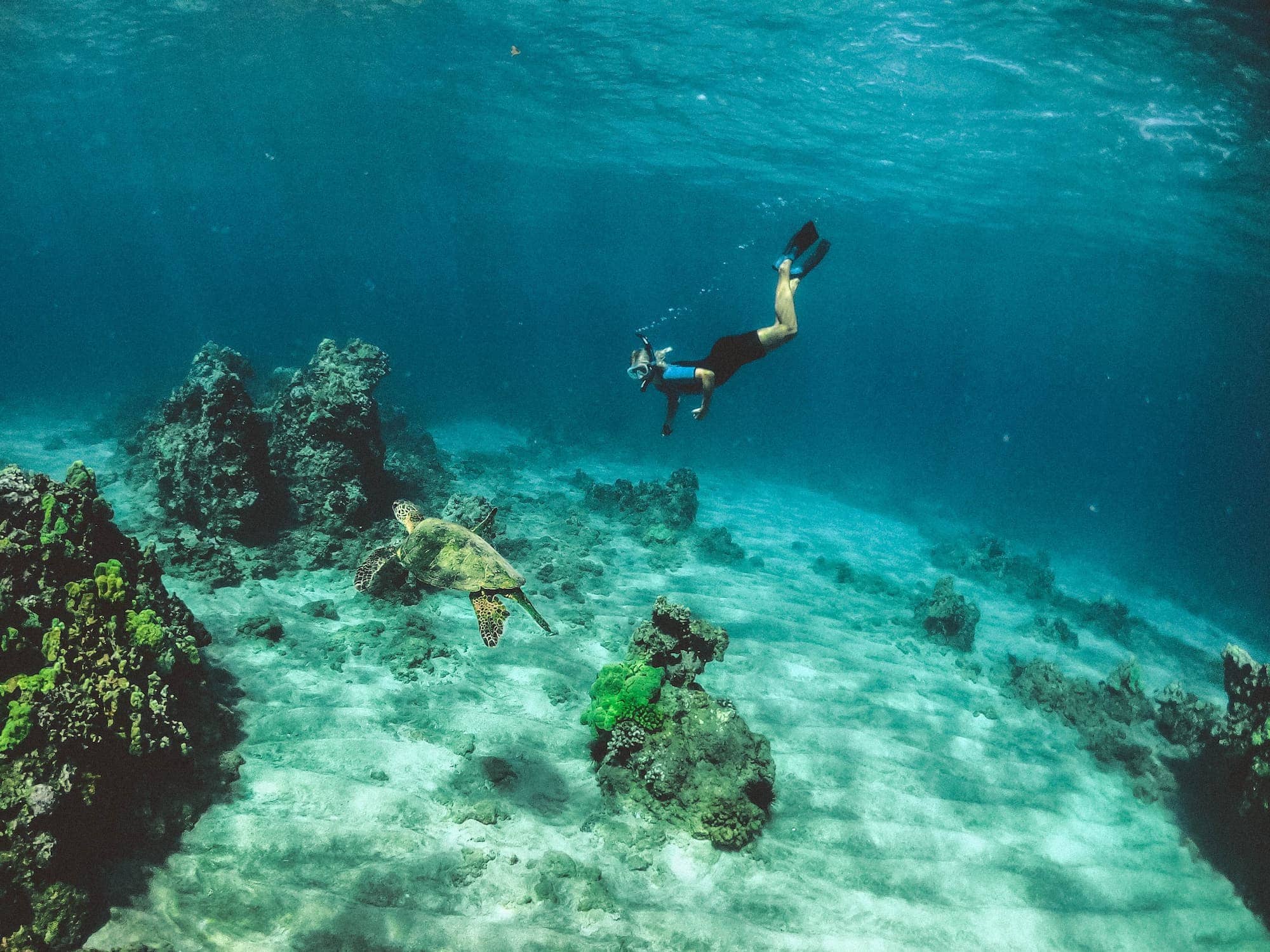
Summer is the best season for snorkeling on Maui because the waters are calm and clear. Photo by Subtle Cinematics on Unsplash
The best time to visit Maui “on the cheap?”
Fall is Maui’s bargain season. September and October hotel rates averaged around $424 and $434 a night in 2025, the two cheapest months of the year. Spring is the second-cheapest season.
December is by far the priciest month, averaging roughly $689 a night, with January still carrying holiday-season pricing into the new year. Summer runs cheaper than that peak, in the $500 to $560 range, so the budget problem is the winter holidays, not summer crowds.
Find more money-saving tips in our guide on how to plan a cheap trip to Hawaiʻi yourself.
The two charts below track three years of Maui vacation rental and hotel nightly rates from Hawaiʻi Tourism Authority reporting. They update automatically when new data is published, and the captions carry the current averages and the year-over-year change.


Cheap & Free Things to do on Maui
Our list of cheap and free things to do on Maui.
When to visit Maui if you want to skip the crowds?
Avoid summer, when families travel on school break, and expect a bump again around Christmas and New Year’s. Outside those windows, fall and mid-spring are the quiet picks: September and October run quietest, with May and April also well below Maui’s average on HTA’s daily visitor census (2024 and 2025). Winter stays busy here: January through March all run above the island’s yearly average.
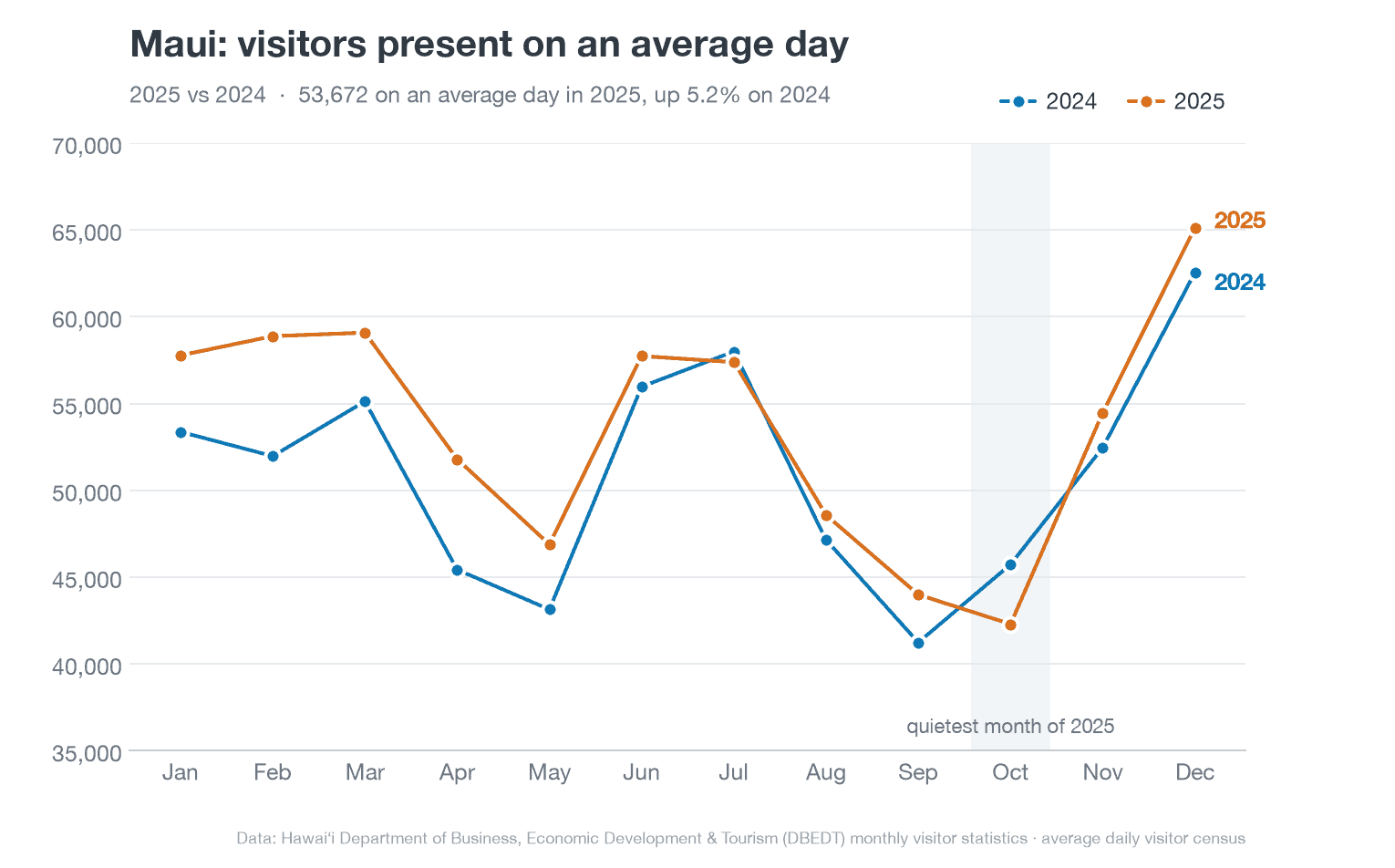
Visitors on Maui on an average day, by month, 2024 and 2025. September and October are the quietest months, with May and April also below the yearly average. December is the fullest.
What is the best time to visit Maui for the weather?
It depends on what you’re chasing: sun, cooler touring weather, waterfalls, or a specific surf break.
- Summer has the sunniest beach days and the calmest seas, with much less rain than winter.
- Not a beach person? Those sunny summer days can push near 90 degrees. Spring or fall days run cooler, better suited to hiking and touring.
- Waterfall lovers may be happier in the late winter/early spring months, when the waterfalls flow at their highest volumes.
- Surfers should check their break: some are better in summer, others in winter.
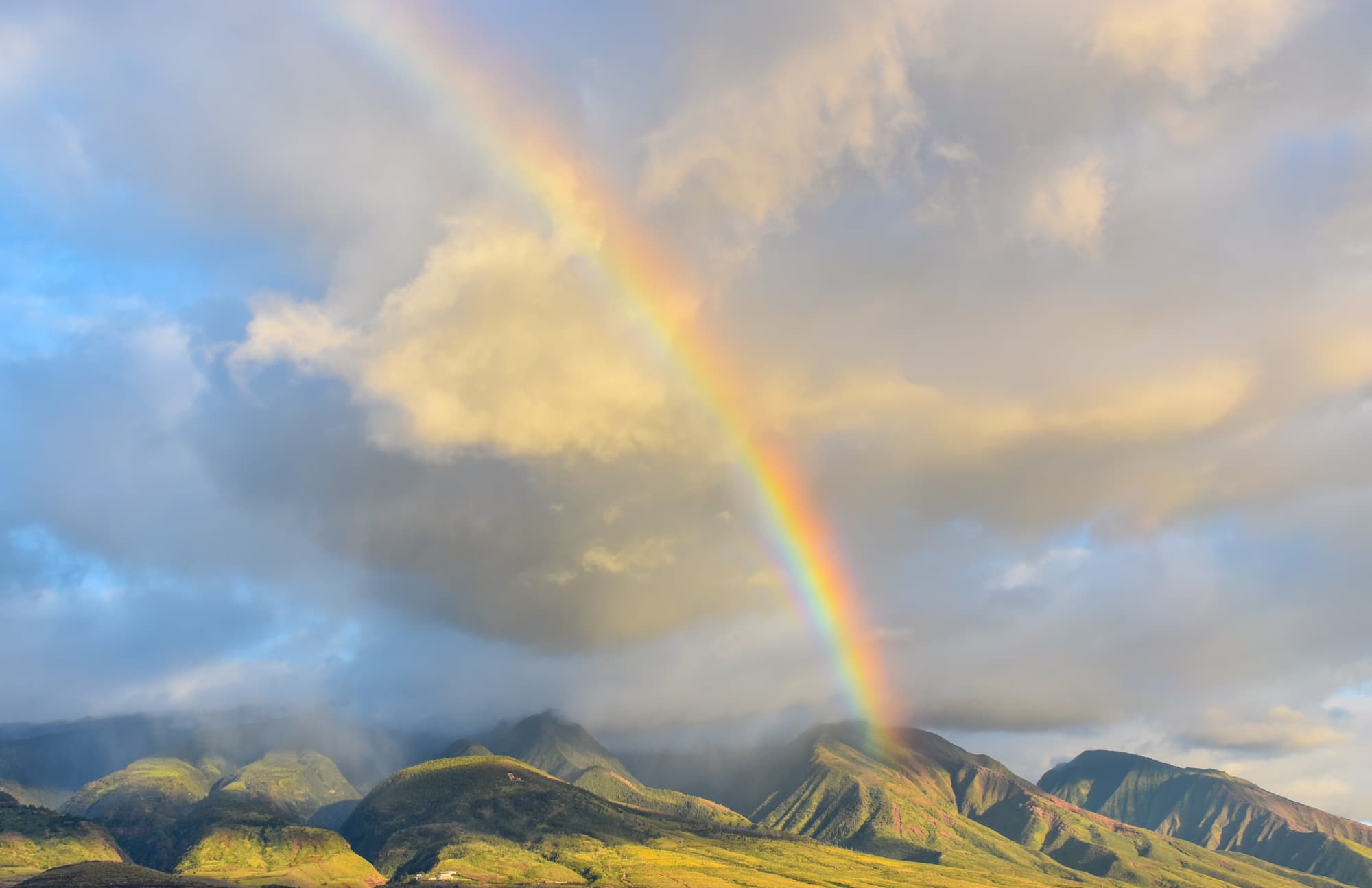
A rainbow over the Maui mountainside. Photo by Look Up Look Down Photography on Unsplash
How to Avoid Rain During the Rainy Winter Season
Winter is Maui’s rainy season, with rougher surf too, but it’s also when temperatures cool off, crowds thin out, and whales, waterfalls, and big-wave surfing all peak.
The eastern sides of the islands get the most rain, the western sides stay drier. As an extreme example, Hilo (east side of Big Island) receives more than 100 inches of rain per year, while parts of Kona (west side of Big Island) receive only about 20-30 inches per year.
The Maui version isn’t quite as extreme, but the same rule holds: the west side stays drier, so book your winter stay in west Maui if dodging rain is the priority.
A Month-by-Month Breakdown of Maui Weather
Temperatures, rain and ocean conditions for each season:
Spring: Late March through May
In spring, you’ll still get a few leftover showers from the winter rainy season, but for the most part, things will be cleared up. Temperatures will be cooler than in summer. The hottest days will creep above 80 degrees, but most days will be somewhere in the mid-to-high 70s. Ocean conditions calm down after winter.
Summer: June through Early September
Summer is the hottest and driest season, with average daily temperatures in the mid-to-high 80s, perhaps even touching into the 90s in leeward spots like Lāhainā and Kīhei. Rain is less common. While you can experience tropical showers, it is rare to have several days of all-day rain in a row. Ocean conditions are generally predictable and more calm than other seasons.
Fall: Late September through Early November
Fall cools off late: late August through early October is the hottest, most humid stretch of the year, overlapping the tail of hurricane season (June through November, peak August and September; direct hits are rare, but a passing storm can close shops and parks for a day or two). Temperatures ease to the high 70s or low 80s by mid-October. Late fall brings a greater chance of showers if the rainy season starts early.
Winter: Late November through Early March
Winter is the rainy season in Hawaiʻi, and all islands will receive more rain during this time of year. That said, sunny days are still common, and temperatures are pleasant, usually in the mid to low 70s. Things can get chilly at night along the coast, so bring a pull-over for those mid-60s evenings.
During these months, snow can fall on Haleakalā’s 10,000-foot summit while the coast stays warm, so you can stand on the beach with your feet in the water and see snow on the mountain above you.
Where These Price and Crowd Numbers Come From
Hotel and vacation rental rates come from our own trip cost calculator’s rate tracker, averaged across 2023 through 2025 by month. Crowd levels come from Hawaiʻi Tourism Authority average daily visitor census figures for 2024 and 2025, the count of visitors on the island on a typical day. We revisit both periodically as new data comes in, most recently in July 2026.