
On Kauaʻi you can snorkel a lifeguarded keiki pond or swim through lava tubes, and most of the island sits between the two. Poʻipū Beach Park and Lydgate’s Keiki Pond are the calm, lifeguarded starting points. Tunnels has underwater lava tubes and Koloa Landing drops off fast from a concrete boat ramp with no beach, both for strong swimmers.
If you want the reefs that need a boat, Nualolo Kai and Lehua Crater sit along the Nāpali Coast, with most tours leaving from Port Allen. Parking is the real constraint at the walk-in spots: Hideaways holds only a handful of cars, so arrive by 8 a.m. Season matters too: Keʻe is calm and swimmable in summer, and dangerous when the winter surf is up.
Table of contents
- Best snorkeling spots for… families, for beginners, and to see turtles, fish and corals.
- Map of snorkeling spots
- List of snorkeling spots
- Snorkel Tours
- Snorkeling essentials (local snorkeling tips, safety pointers, and a word on using reef-safe sunscreen).
First, let’s address some common questions about the best snorkeling spots for families, beginners, and experienced adventurers. Then, we move on to some local snorkeling tips, a map of Kauaʻi’s top snorkeling sites, descriptions of the snorkeling sites, and what you need to know about snorkeling tours on Kauaʻi.
Best Kauaʻi snorkeling spots for families, beginners, and turtles
What’s the best snorkeling spot on Kauaʻi? It splits by who’s asking: calm, lifeguarded water for families and beginners, offshore reef for strong swimmers.
Q: What is the best snorkeling spot on Kauaʻi to see turtles?
You are most likely to see turtles while snorkeling at Koloa Landing and Tunnels Beach.
Q: What is the best snorkeling spot for beginners?
Poʻipū Beach Park, Lydgate Beach Park, or Salt Pond Beach Park, are all good snorkeling spots for beginner snorkelers.
Q: What is the best snorkeling spot for variety of species?
Lehua Crater and Nualolo Kai are both known for their abundance of ocean life.
Q: What is the best snorkeling spot for families?
The calmest spots for families are Poʻipū Beach Park and Lydgate Beach Park.
Q: What is the best snorkeling spot for experienced snorkelers?
Experienced snorkelers should head for Koloa Landing (difficult entry), Tunnels (underwater lava tubes), and Keʻe Beach (offshore reef with lots of fish, dangerous in winter).
See our overview of Kauaʻi for more of our local favorites.
Map of Kauaʻi’s snorkeling spots
Below is a map of Kauaʻi’s top snorkeling spots. Click on a site name for a short summary or scroll down to find more information.
All 11 Kauaʻi snorkeling spots
- Poʻipū Beach Park
- Lydgate Park (Keiki Pond)
- Keʻe Beach
- Nualolo Kai
- Tunnels (Makua) Beach
- Hideaways Beach
- Koloa Landing
- Lawaʻi Beach
- Anini Beach
- Salt Pond Beach Park
- Lehua Crater and Niʻihau
Poʻipū Beach Park
Overview: Usually calm, with lifeguards. First-timers and children can stick to the rocks that line the shore, then move out to the small reefs just offshore.
Good to know: Poʻipū can get crowded, especially on weekends, so it’s best to snorkel in the morning before the rush.
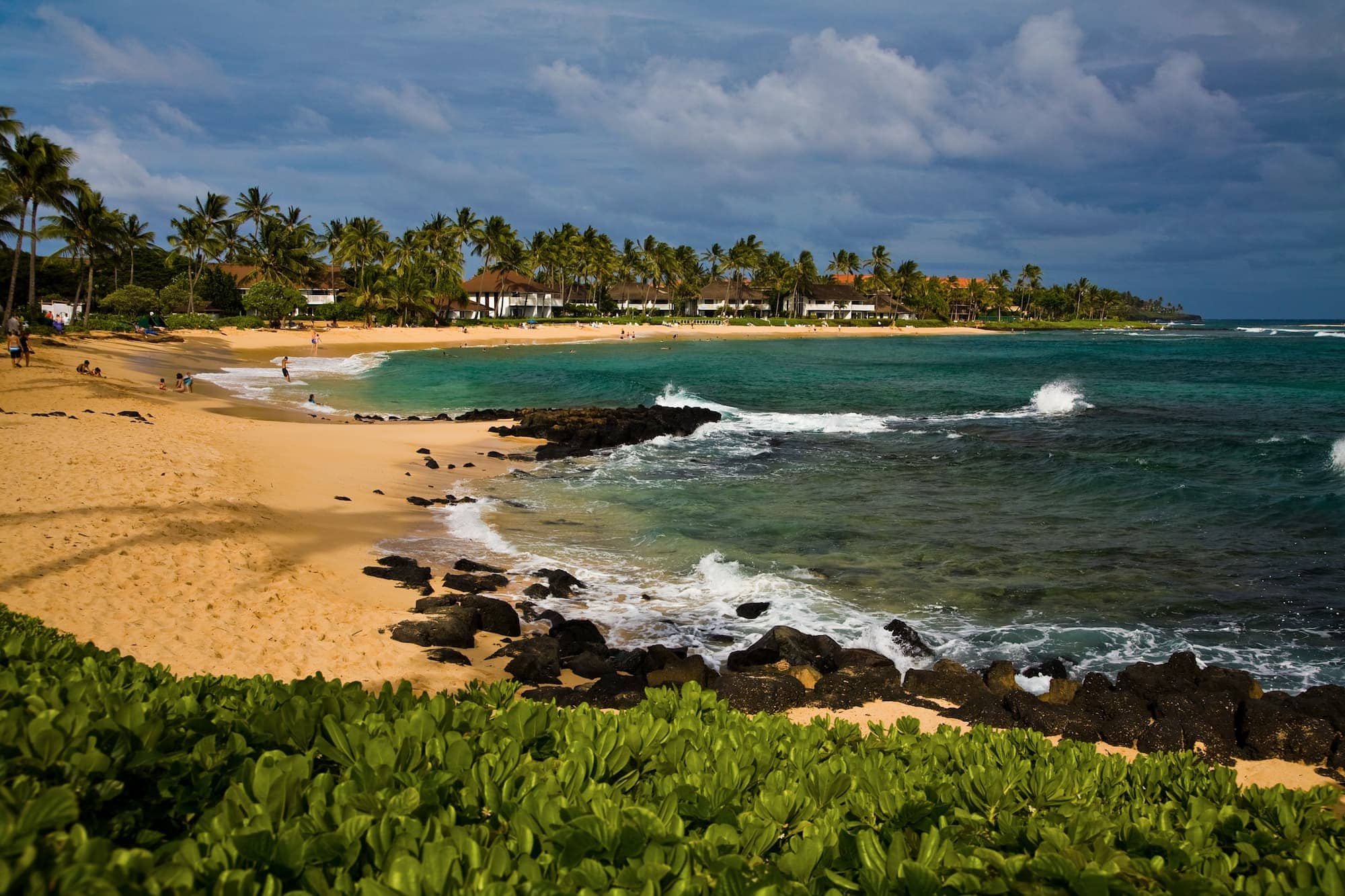
Poʻipū is a popular beach with a shallow, protected swimming area, snorkel & surfboard rentals & a playground. Image: Hawaii Tourism Authority (HTA) / Tor Johnson
See our favorite 12 beginner snorkeling spots in Hawaiʻi
Are you just getting started with snorkeling? In the guide below we explain the basics of snorkeling and give you the best (well, our favorite) 3 snorkeling spots for beginners on Oʻahu, Maui, Kauaʻi, and the Big Island.
Lydgate Park (Keiki Pond)
Overview: Keiki Pond, or children’s pond, is a walled-off section of Lydgate Beach Park that creates a safe, calm swimming area for small children. Building to a depth of about ten feet, the flat water makes it a workable spot for beginners to practice.
Good to know: This experience is for first-timers and small children only. While there are fish to spot, there is no coral inside Keiki Pond.
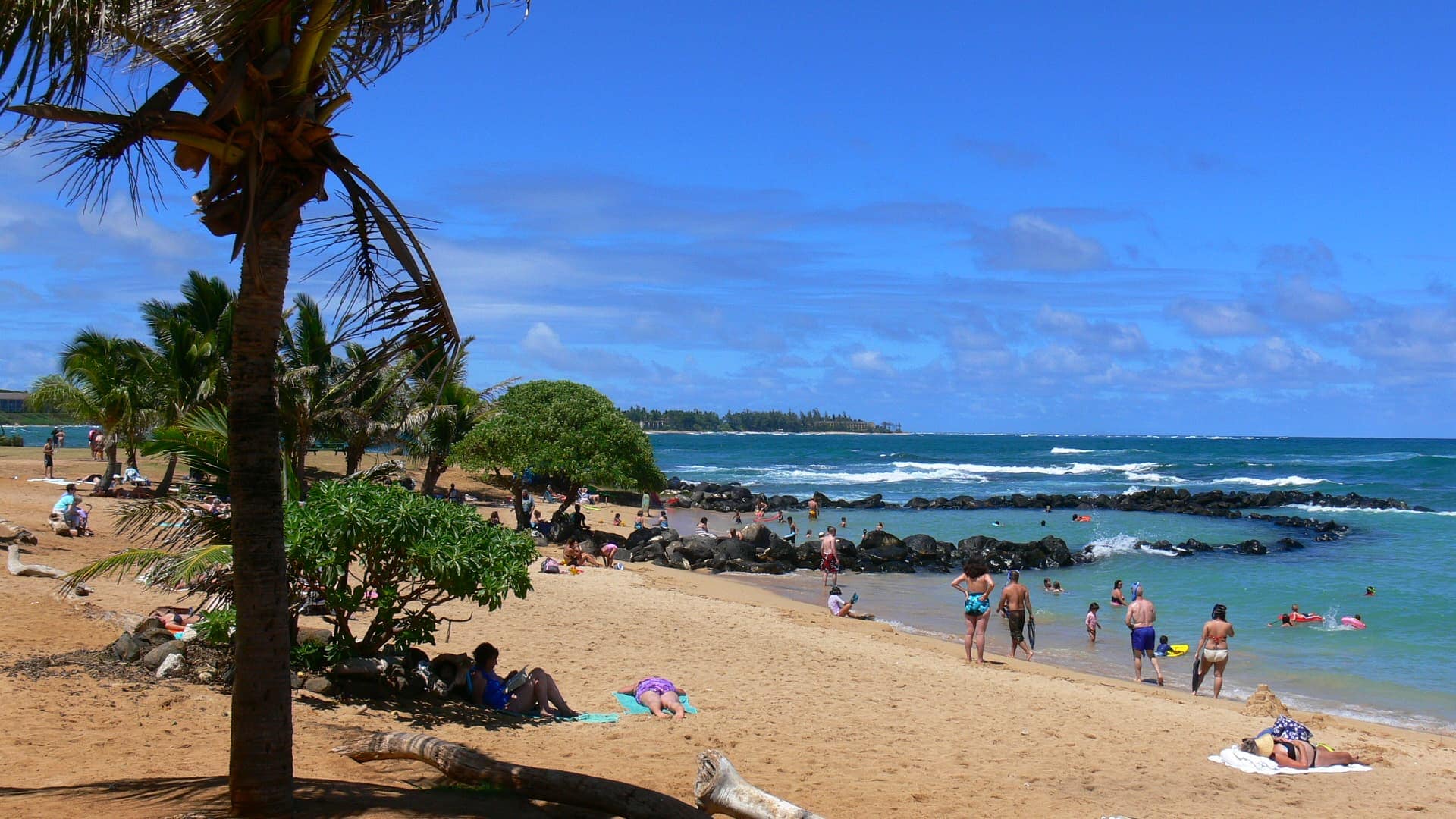
Lydgate is a fun, family-oriented beach with a lifeguard tower overlooking boulder-enclosed pools. Image credit: Jim Mullhaupt, source.
Keʻe Beach
Overview: Keʻe Beach sits at the end of the road on the north shore, where the Nāpali Coast begins. Take in the views of the cliffs, then enter the water. The reef just offshore holds tropical fish and green sea turtles. In summer the water is often flat calm.
Good to know: In the winter, snorkeling here is dangerous and not recommended. In summer, chat with lifeguards prior to entering the water. It’s usually calm but, sometimes, rip currents can exist off the left side of the beach. Keʻe sits inside Hāʻena State Park, so non-resident visitors need an advance entry, parking, or shuttle reservation through gohaena.com. Time-slotted parking is limited, sells out, and opens 30 days ahead.
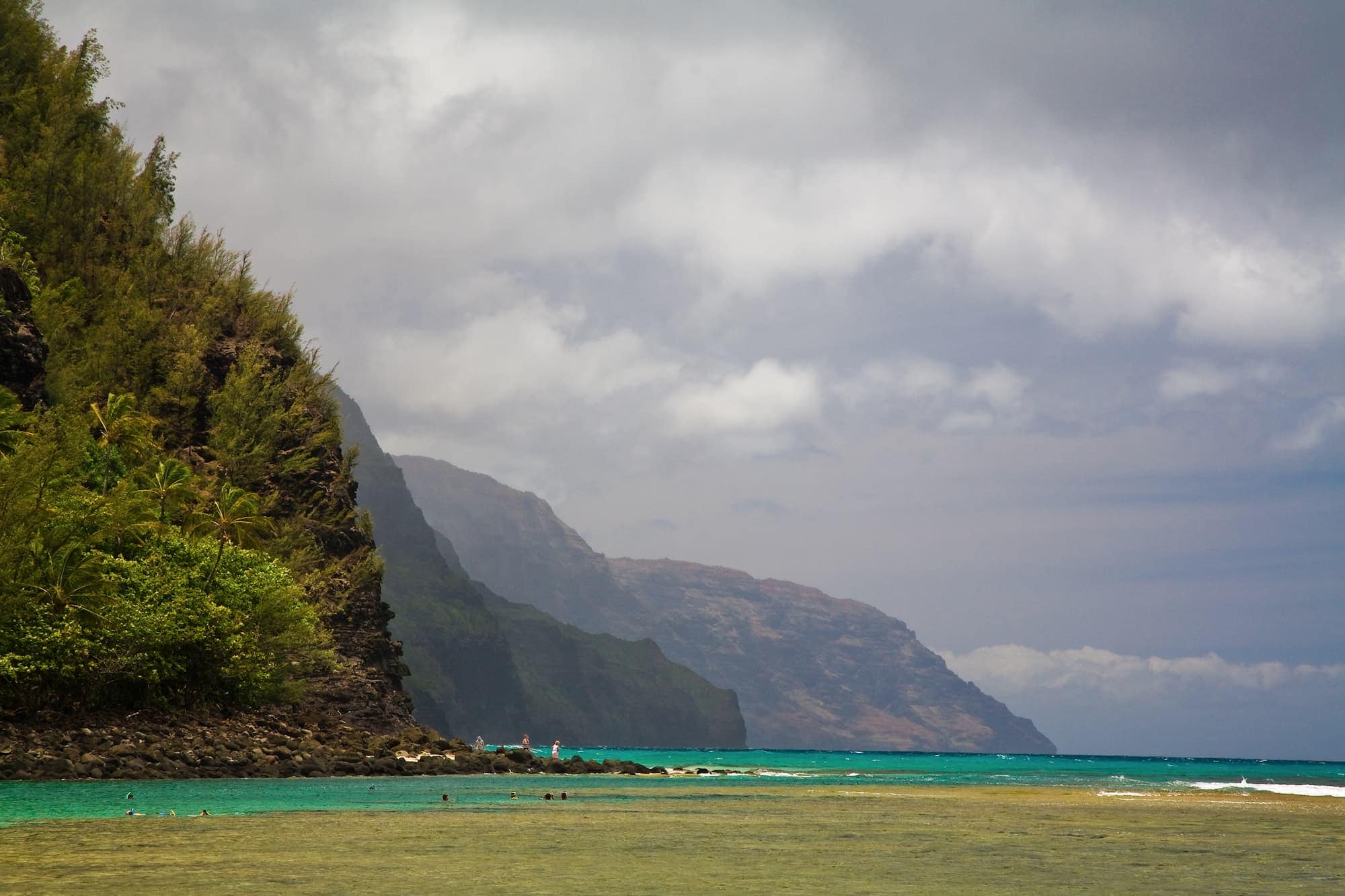
Keʻe beach in Haena State Park. Credit: Hawaii Tourism Authority (HTA) / Tor Johnson
Nualolo Kai
Overview: Along the Nāpali Coast, Nualolo Kai, sometimes referred to as Kauaʻi’s “secret garden,” is only accessible by boat via a tour. Because it sits far from any development, the reef here is some of the cleanest on the island.
Good to know: Nualolo Kai was once a remote fishing village in ancient Hawaiʻi. You can find ruins within the Nualolo Valley, including houses, cultural sites, canoe houses, and areas where taro and other crops were once grown. This snorkel spot is only accessible by boat via a snorkel tour (see below).
Tunnels (Makua) Beach
Overview: Underwater lava tubes and large rocks create good habitat for sea creatures of all kinds at Tunnels Beach. Beginners can stay close to shore and spot the tropical fish, while advanced snorkelers can venture farther offshore to the barrier reefs and enjoy diving down for a closer look at the large coral heads and volcanic formations.
Good to know: Enter via one of the sand channels that runs parallel to the reef. Once in the water, look back to the shore to take in the green forest wall behind it. It’s a good place to post up for the day to enjoy both the beach and the snorkeling.
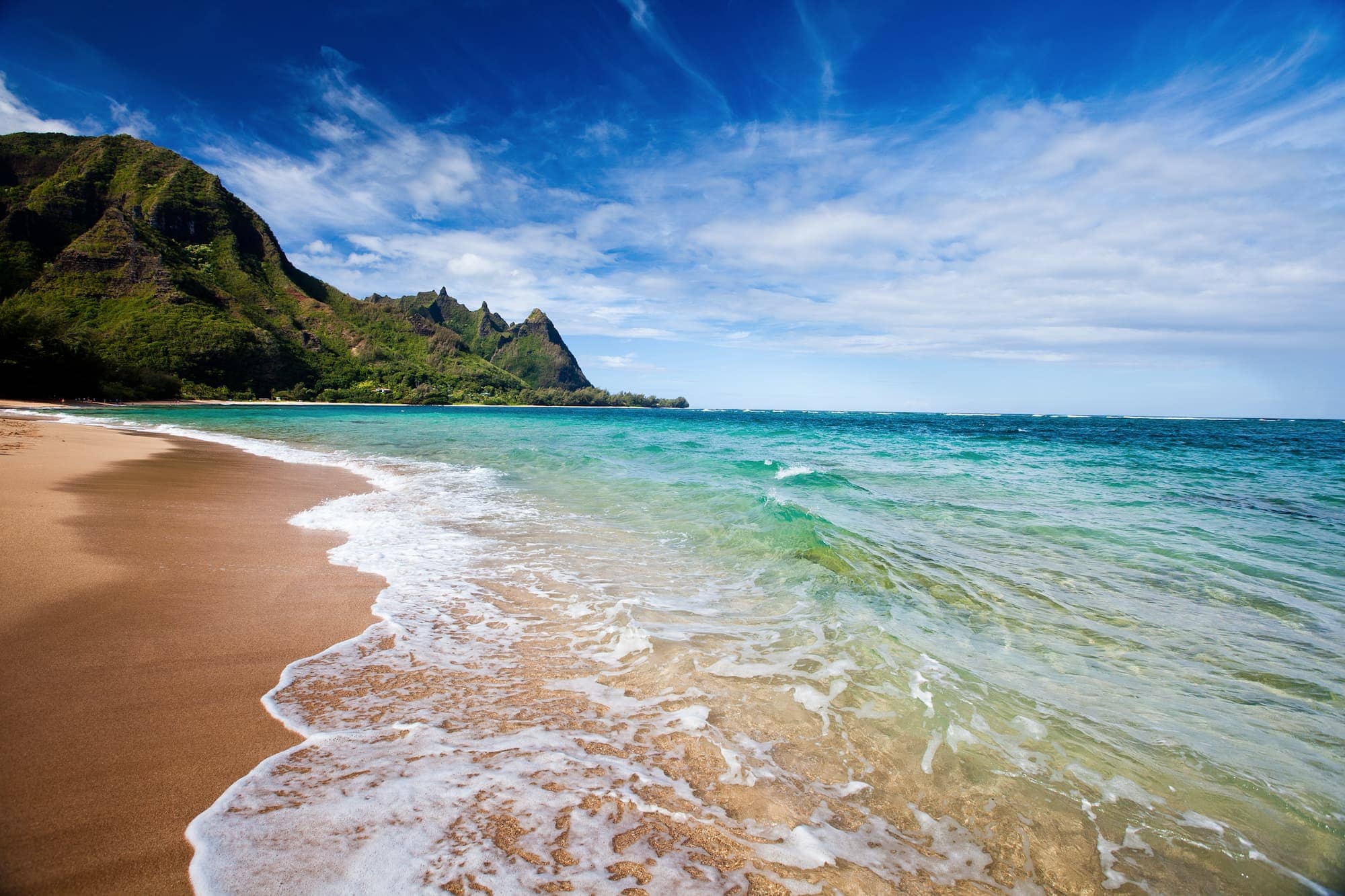
Makua Beach (“Tunnels”) is low-key white-sand beach with shallow reefs for snorkeling Credit: Hawaii Tourism Authority (HTA) / Tor Johnson
Hideaways Beach
Overview: In Princeville, Hideaways stays quiet because it sits behind the resort area. Coral and channels break up the bottom, and there are enough fish, plus the chance of a turtle, to hold your attention. The beach itself is narrow and backed by steep cliffs, with partial views of the Nāpali Coast.
Good to know: Accessing Hideaways requires a descent down a steep staircase and then a walk/scramble down a slippery dirt trail. Those with physical limitations may find reaching the beach to be a challenge. Parking is also extremely limited, so arrive by 8 a.m. to get a spot.
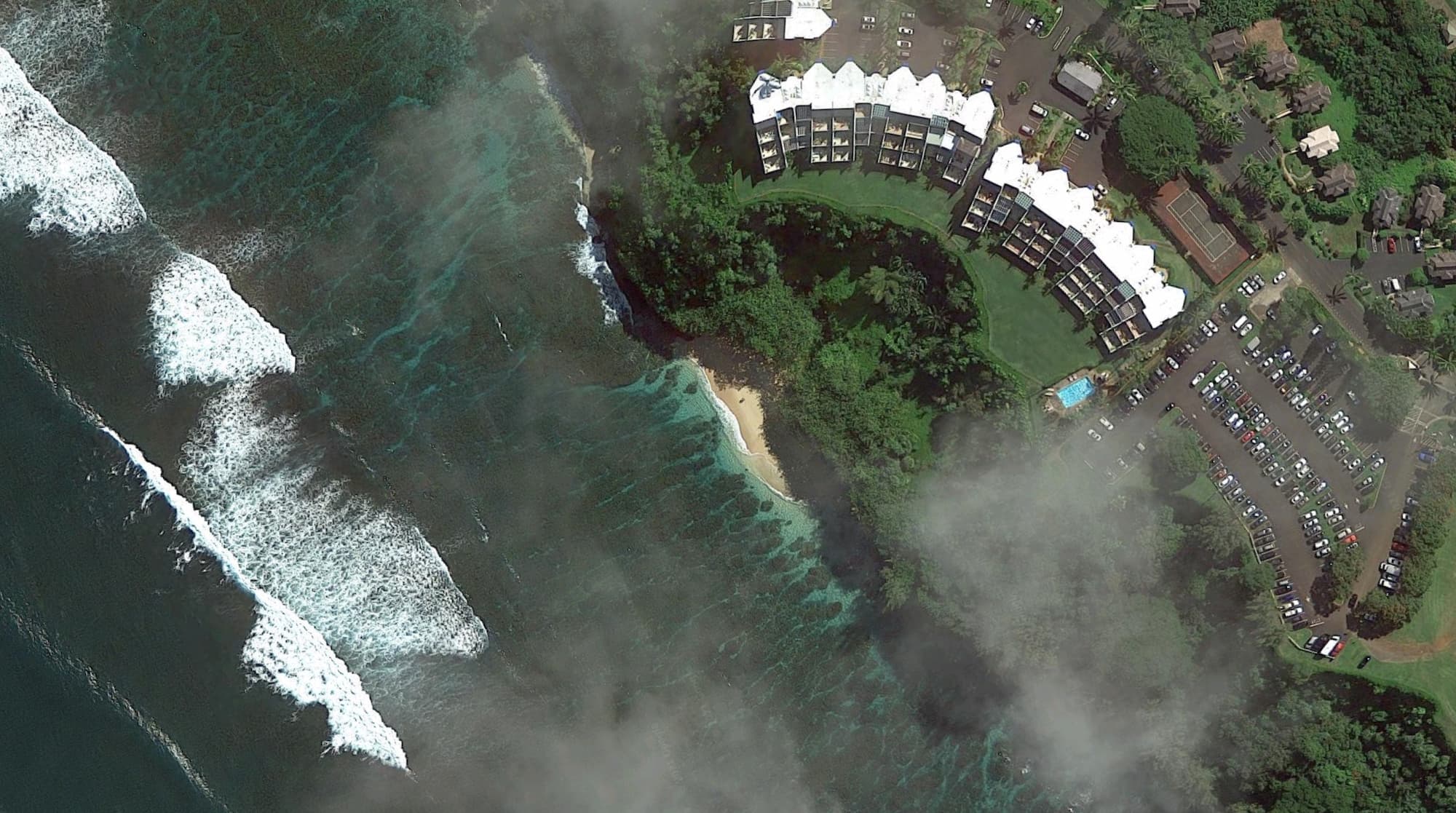
Hidden in plain sight, Hideaways thanks its status as secluded beach to the amount of effort needed to get down to the beach (and up again). Image credit: screenshot from Google Maps.
Koloa Landing
Overview: Koloa Landing has no beach. You enter off a concrete boat ramp and snorkel the rock walls that line the coast in Hanakaʻape Bay near Poʻipū. Expect to find plenty of marine life along the walls.
Good to know: The water here gets deep quickly and drops off considerably (it’s also used as a boat channel). You should be a strong swimmer to explore this area. The lack of beach means that it’s mostly avid snorkelers and divers that make their way here.
Lawaʻi Beach
Overview: Just west of Koloa Landing is a more beginner-friendly option, Lawaʻi Beach. It features a narrow beach and sand entrance that makes it easy to enter the water. You can explore the rocks along the left side of the beach, or swim out to the reef itself a couple hundred feet offshore. Expect a variety of colorful, tropical fish as well as eels, needlefish, and turtles.
Good to know: The reef here is home to many urchins, so keep your eye out for them and your feet safe. Waves may break farther out on the reef, so beginners should stay closer to shore.
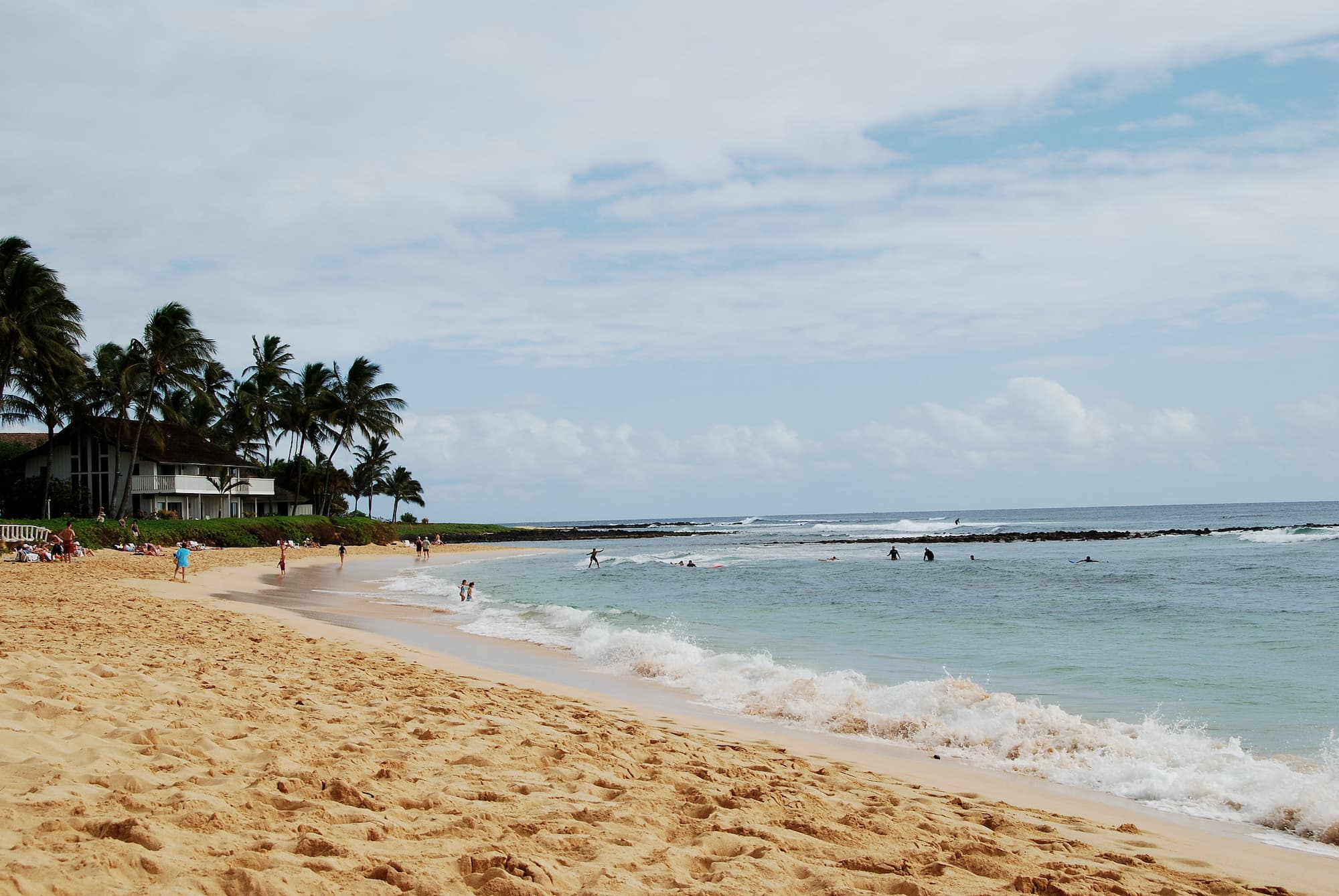
Lawaʻi Beach is a small strip of beach fronting the Lawai Beach resort and the Beach House Restaurant. Image credit: Ben Christen, source.
Anini Beach
Overview: One of the longest beaches and reefs on Kauaʻi, Anini Beach is about two miles in length and provides ample opportunity for snorkelers of all abilities. The shallow water and near-shore reef makes things easy for beginners, while advanced snorkelers can explore the channels that cut through the reef further out (be aware of strong currents in the channels).
Good to know: Conditions at Anini Beach can sometimes result in poor visibility, making snorkeling less than ideal. Be sure to inquire about conditions before making the trip (or bring a book and beach chair as backup).
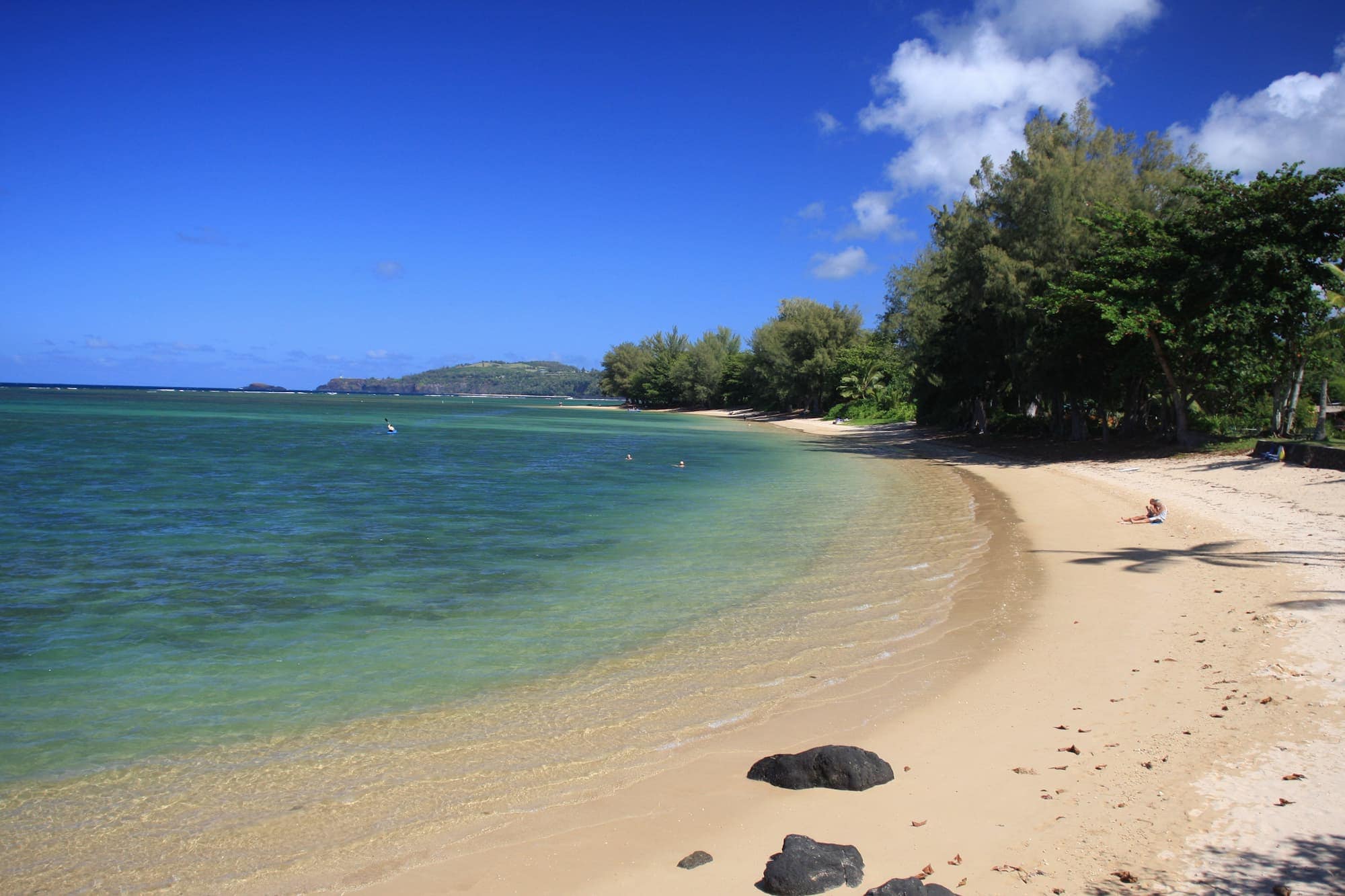
Anini Beach is known for its excellent windsurfing and views of the large coral reef that rings the island. Credit: Hawaii Tourism Authority (HTA) / Kirk Aeder
Salt Pond Beach Park
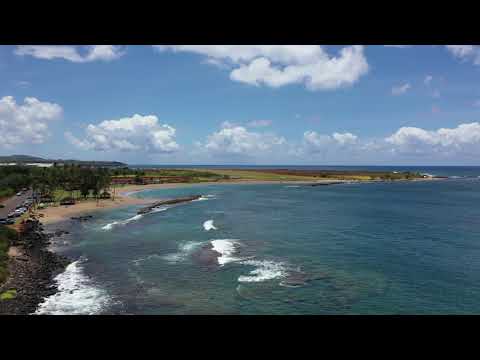
Overview: Salt Pond breaks down into three areas, and the best spot for snorkeling is away from the main beach park area, in front of the airport on the east side. There, you will find small tidal pools for snorkeling, home to a variety of marine life and clear, calm waters.
Good to know: Salt Pond gets its name from the nearby salt ponds, where locals produce sea salt. You can take a walk to see the ponds and learn more about the process here.
Lehua Crater and Niʻihau
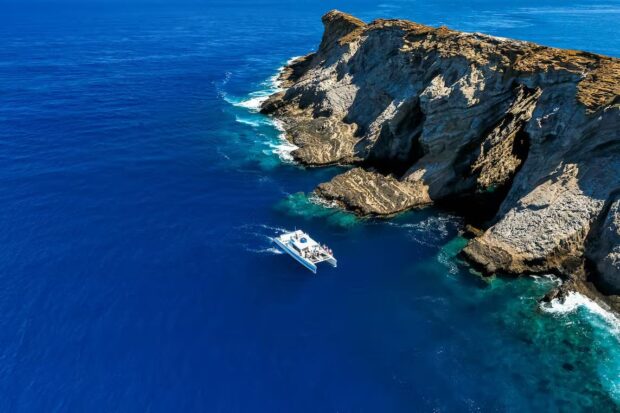
Overview: Lehua Crater sits off the north coast of Niʻihau. Similar to Molokini off of Maui, Lehua is the remains of a volcanic crater, and because it sits so far offshore, it draws snorkel boat tours and scuba divers.
Good to know: Lehua Crater is a Hawaiʻi State Seabird Sanctuary and home to 16 species of sea birds. It is reachable only by a snorkel tour (see below). Niʻihau is privately owned and normally off-limits to visitors, so these tours are one of the only ways to get near it.
Niʻihau + Nāpali Coast 7 hour long Super Tour
EXCELLENT value 7-hour Napali Coast tour to Niihau with snorkeling, breakfast, lunch, and drinks included.
from:
$315
What is a suggested tour?Our suggested tours are hand-picked tours that receive consistent good reviews, give back to the community, and work hard to minimize their impact on the environment. Read more about these tours on our website.Nāpali Coast snorkel tours
A boat is the only way to reach Kauaʻi’s offshore reefs, and a tour comes with the gear and a crew who read the conditions for you. Trips run a half to a full day. What’s included varies: some serve food and drink, and boats range from small rafts to large catamarans.
The Nāpali Coast is the stretch worth taking a boat for. The water is clear and undeveloped, and the cliffs make the ride there half the trip: a snorkel boat tour essentially doubles as a scenic boat ride.
Before booking, consider the type of experience you are looking for. Nualolo Kai (discussed above) can only be visited by small boats, while larger catamarans provide more services. Most west-side tours leave from Port Allen or Kikiaola Small Boat Harbor in Kekaha, which sits a bit closer to Nāpali.
Check out the offerings from these companies:
- Makana Charters and Tours
- HoloHolo Charters (runs the long Niʻihau and Lehua Crater crossing)
- Kauaʻi Sea Tours
- Captain Andy’s
- Kauaʻi Sea Riders
Gear, conditions, and reef-safe sunscreen
A good snorkel day on Kauaʻi comes down to reading the morning conditions and using sunscreen that won’t damage the reef.
Local snorkeling tips
- The Nāpali Coast, which is inaccessible by car, is the focus of snorkel tours. The reefs and waters along this coastline are well-protected and healthy thanks to the lack of development.
- Check local conditions before deciding on a snorkel site, as localized swells or wind could make one location more comfortable than the other. Generally, the wind is calmest in the morning, meaning the water has less chop.
- Wear a protective covering, such as a rash guard, when snorkeling to prevent sunburn on your back.
- Use reef safe sunscreen that doesn’t cause harm to the reef. See below for a further explanation.
Snorkeling safety tips
All snorkelers are encouraged to remember the following:
- Gear Up. Use high-quality snorkel gear and familiarize yourself with it before use. Fins, mask, de-fogger and sun protection are a must, and most rental centers can provide all you need. A fish ID card helps keep track of what you’re seeing. Booties can protect your feet and add comfort.
- Be careful: Beginners should start in shallow water until comfortable. Return to shallow water if you feel anxious. Be mindful of waves, coral, rocks, and sea urchins when entering the water. Watch for incoming waves when snorkeling near rocks.
- Snorkel with a buddy: Snorkeling with a companion is the safest thing you can do. In an emergency, a snorkel partner could be the difference between life and death.
- Take care of the reef: The coral reef is a living animal and can be harmed when stood upon or touched. Be mindful not to hit your fins on the reef, and try to rest and stand on the sandy bottom only.
Important: use reef-safe sunscreen
On January 1, 2021, Hawaiʻi law banned sunscreen made with oxybenzone and octinoxate, harmful chemicals shown to damage marine ecosystems and reefs.
Check the active-ingredient line, not the front-label “reef safe” claim: plenty of sunscreens sold as reef safe still contain one or both of these chemicals. A zinc-based cream is the safest bet.
Learn more about the harmful effects of certain sunscreens in the following video:
Related: best snorkeling spots on our neighbor islands
If Kauaʻi is only one of several islands you are visiting, you might be interested in our collections of top snorkeling spots on the Big Island, Maui, and Oʻahu: