To choose a good tour company in Hawaiʻi, read the 2-to-4-star reviews and list the two or three things you want from the day. Then check for red flags like a recent crash or complaints about harassing wildlife. The middle reviews carry the most nuance: a perfectly fine trip earns 3 stars from plenty of reviewers. Weigh what the price includes, and give a locally owned operator the edge. If two companies pass every check, flip a coin.
This is for anyone comparing a dozen near-identical listings and stalling. On Maui, every whale watching boat works the same ʻAuʻau Channel, so the real choice comes down to boat size and amenities, and that pattern repeats across most tour categories. The seven checks below sort the differences that matter from the ones that don’t.
Table of contents
1: Check Online Reviews
Online reviews are the quickest way to get a read on a tour operator. In a few minutes you learn whether previous guests had a good time, and more importantly why they did (or didn’t).
Don’t get too attached to any single review, good or bad; individual reviews carry all kinds of bias. Read a batch of them and look for common denominators. If the same complaint or compliment keeps coming back, that pattern is the signal.
It also pays to skip the extremes. The 2- to 4-star reviews hold the most nuance. A trip that went fine often lands at 3 or 4 stars, and 5 stars gets reserved for the exceptional.
2: Get Personal Recommendations
If you’re connected to someone in Hawaiʻi, a personal recommendation can go a long way to help you find a great tour.
If you don’t know anyone in the islands, online groups and forums put you in touch with other travelers. Posting a call for recommendations in a scuba diving forum or a place like Reddit can yield helpful leads within hours.
Websites you trust are also a good source. For example, we curate a small collection of good tours on our website, and Will, one of our writers and an experienced tour guide, gives feedback on your plans and helps build an itinerary during a one-on-one trip planning session.

The trip consult is a 30-minute call in which Will gives specific, actionable feedback on your upcoming trip. Read more on the trip consulting page.
3: Identify Your Preferences
Deciding between tour companies gets much easier once you know exactly what you want out of the day. For example, all whale watching tours on Maui go out in the ʻAuʻau Channel; the main difference between the experiences is boat size and amenities. Knowing that you want a meal served on board, or that you prefer a smaller group, narrows the field fast.
We suggest making a short list of the things that matter to you: group size, tour length, price, commitment to sustainability, educational component, hotel pickup, and the kind of boat or vehicle used.
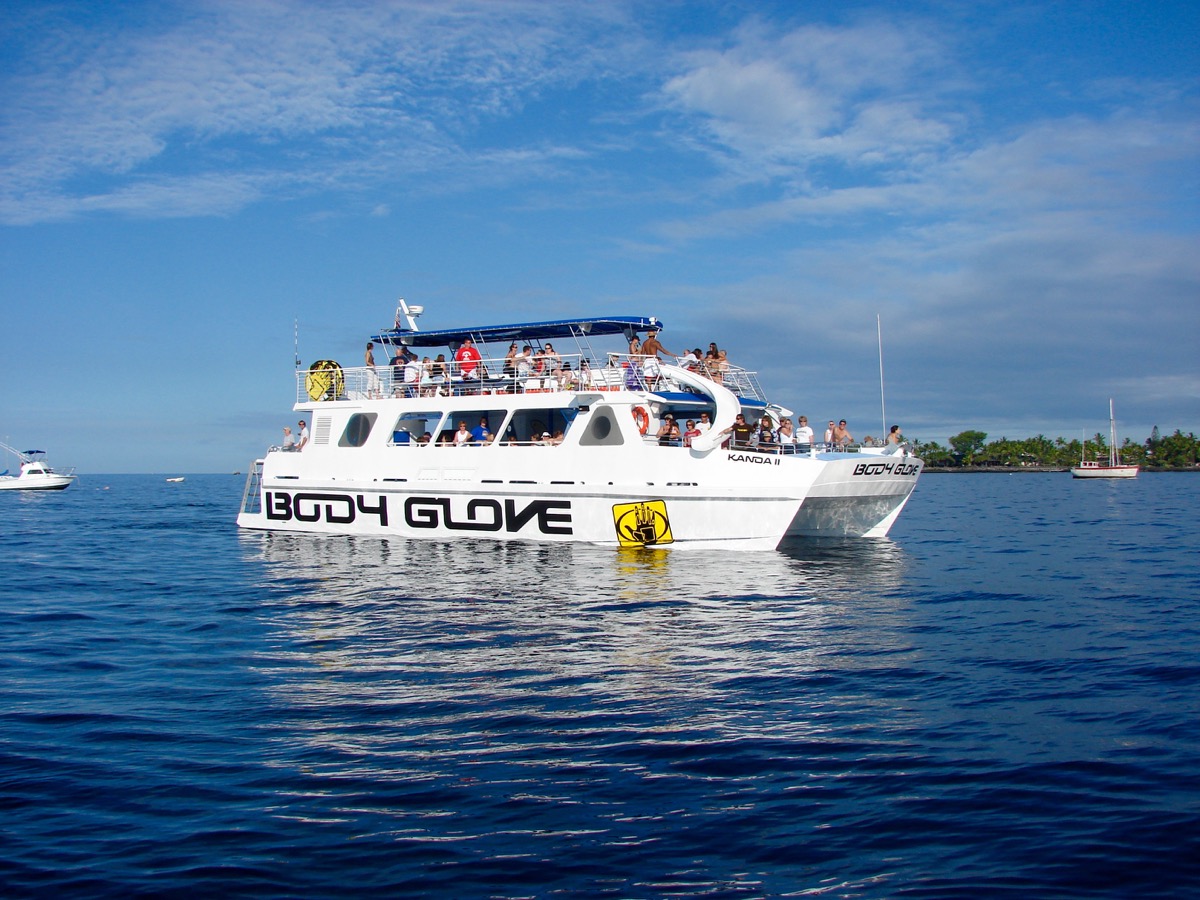
Boat size matters a lot when you’re choosing between boat tours. See for example the fully equipped 65-foot catamaran Kanoa II, used on most tours by Body Glove (Big Island), which gives a smooth, stable ride but is slower and “less exciting” than tours on inflatable zodiac-style vessels.
4: Know the Red Flags
Red flags run from disqualifying to forgivable. A big one: a helicopter company with a crash in recent memory, or a whale watching tour accused of harassing whales. A small one: a review complaining the food onboard was below average, or an administrative mix-up.
A whale watching company that doesn’t respect wildlife viewing limits, for example, gets weeded out by the industry, or at the very least called out publicly and pressured to change its ways.
Search the review sites and local news for the company’s name before booking. If you find big red flags, go with another company. Smaller red flags deserve context and can be forgiven if other benefits outweigh them, especially if the issue is subjective and not shared by a majority of reviewers.
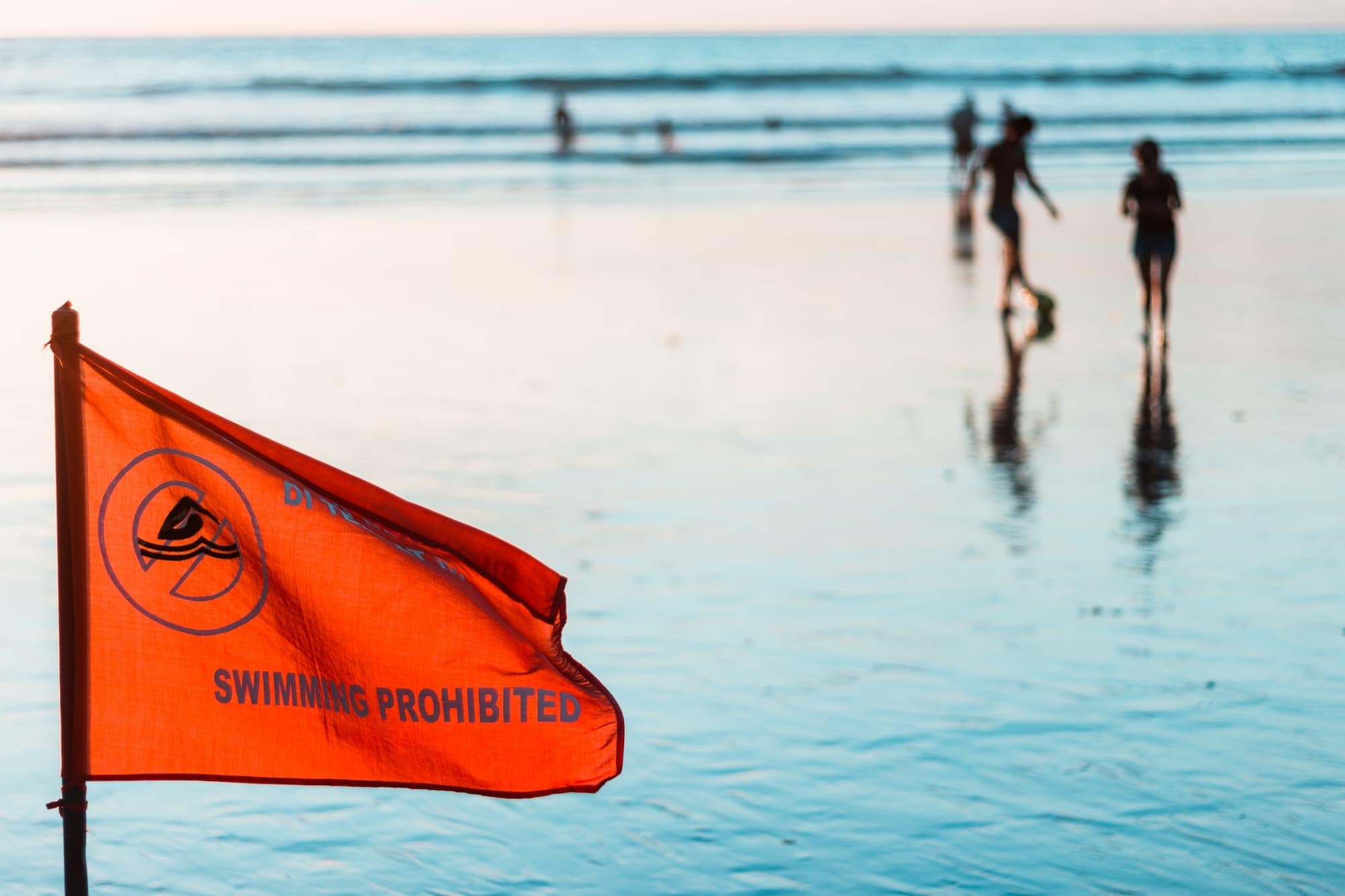
A crash in recent memory is disqualifying. A complaint about the food onboard is not. Photo by George Bakos on Unsplash
5: Understand the Value
Why pay for a tour in the first place? After all, tours are expensive in Hawaiʻi, and a guide is not necessary for many activities. Hiking and snorkeling, for example, can be done on your own without the extra cost. And the do-it-yourself route has real advantages: flexible timing and an itinerary you can change on the fly, without a group of strangers along.
But going alone assumes you have the local knowledge and experience to pull off these adventures safely and enjoy them at their best, as well as all the required gear.
Organized tours earn their price through convenience, guided narration, and access to places that are hard or impossible to reach on your own. Think of a guide who can read the volcanic landscape you’re hiking through, or an ATV route across miles of private upcountry ranchland that’s closed to everyone else.
Most tours come with both promises and pitfalls. Snorkeling tours reach sites you can’t get to on your own, but the site may be crowded when three boats anchor at once. A circle island tour removes all planning. It also locks you into stops you don’t care about.
When weighing whether a tour is “worth it,” name the one thing the tour does that you can’t do yourself, and check what the price includes: gear and food are bundled on some tours and paid add-ons on others, so two tours at the same sticker price can differ mostly there. If you can’t name the value, you’re better off going alone.

A good example of the added value of a tour is the “Hidden Craters Hike” because of the access it gives to cloud forests and lava tubes on private land, guided the whole way. Image credit: Hawaii Forest & Trail
6: Give the Locally Owned Company the Edge
We aren’t saying to steer clear of national or international companies, but when two operators are neck and neck, we give the locally owned one the edge. The money stays in the community that hosts you, and an owner who lives on the island answers for the experience in person.

Photo by Tim Mossholder on Unsplash
7: Don’t Overthink It
No reason to have a nervous breakdown choosing between scuba diving companies. There are many good tour operators in Hawaiʻi, and it’s okay to “just pick one” once you’ve run the checks above. If both options pass every check, flip a coin.

Past a point, more comparing doesn’t get you a better day out. Pick one and book it. Photo by Kenny Eliason on Unsplash