In Hawaiʻi, ecotourism is concrete and doable. It means supporting the natural places you visit: paying the fee that maintains a trail, learning why a reef or a fishpond matters, or spending half a day pulling invasive plants or cleaning a beach. Every island has a way to take part, and most cost little or nothing.
Table of contents
- What is Ecotourism?
- Local benefits of Ecotourism
- Several ways to engage with ecotourism in Hawaiʻi
- Ecotourism Experiences (on a per-island basis)
This matters most if you’re planning a trip and want your money and time to leave the islands better than you found them. Many Hawaiʻi hotels run a Mālama Hawaiʻi program: do a half-day volunteer activity such as a beach cleanup or fishpond work, and the hotel gives you a discounted rate or a free night.
Think you got the hang of it already?
Our Hawaiʻi quizzes are a fun and easy way to learn about life in the islands, now and then. Take for example our 10 question quiz about being a good visitor in Hawaiʻi.
What is ecotourism? and what does the Hawaiʻi version look like?
Generally, ecotourism refers to the idea of experiencing a destination through its natural environments. Visitors support these environments through financial contributions (entrance fees, donations, etc.), educational experiences, or volunteer efforts. The goal is to create a sustainable cycle in which natural areas are supported, maintained, and protected by the tourism industry instead of being destroyed by it.
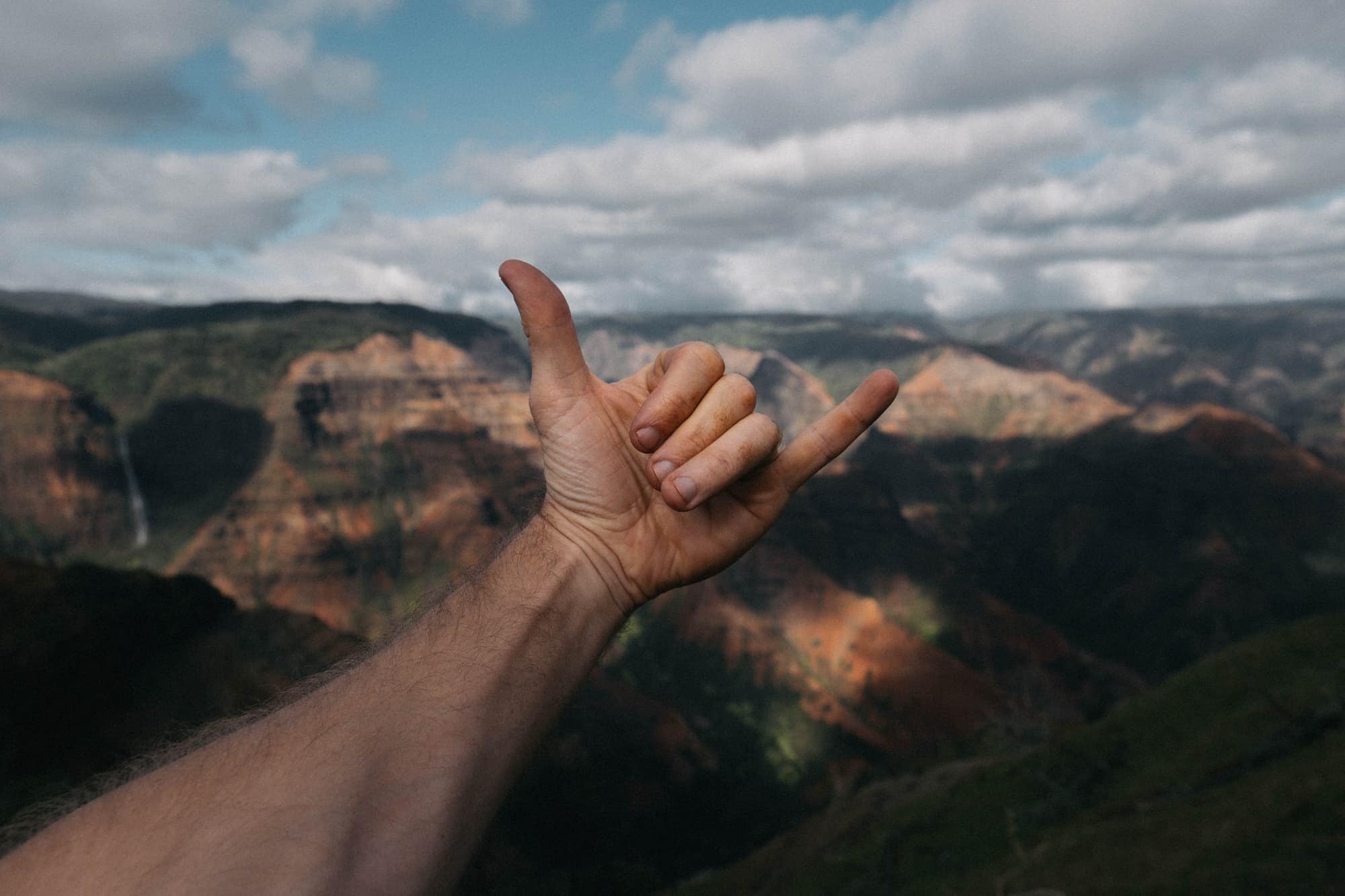
Ecotourism is a way to give back to the place you are visiting. Photo by Jakob Owens on Unsplash
Ecotourism, in its simplest form, has existed for a long time. Visiting a national park, or even spending a day on the beach, are forms of ecotourism. Recently, more complex and involved ideas of ecotourism have emerged to create larger platforms. Costa Rica, for example, has based its entire national tourism industry around ecotourism, creating an infrastructure and tourism offerings that show off and support its natural areas. In almost any destination around the world, you can find tour companies that have created entire business plans around ecotourism, promoting sustainable, outdoor experiences.
Ecotourism in Hawaiʻi
In Hawaiʻi, various extremes of the definition can be found around the islands, from hiking tours with for-profit companies to invasive species removal projects/volunteer opportunities with non-profit organizations.
Back in 2018, the State of Hawaiʻi officially defined its own sustainability goals that they wished to achieve by 2050. They were to create a Hawaiʻi that achieves the following:
- Respects the culture, character, beauty, and history of our state’s island communities;
- Strikes balance among economic, social and community, and environmental priorities; and
- Meets the needs of the present without compromising the ability of future generations to meet their own needs.
Though not specifically stated, much of this meets the goals of ecotourism, balancing economic gains with environmental and social priorities, and ensuring things are preserved for the future. So it’s no surprise that we’ve seen a rise in the number of ecotourism-type offerings in Hawaiʻi the past decade.
For example, the Mālama Hawaiʻi campaign has grown like a weed in recent years, with tour operators, hotels, and local non-profits alike encouraging visitors to get involved with the islands’ natural environments. But it’s not just about going to the beach or on a hike. Many programs in Hawaiʻi ask visitors to give back: to pair their vacation with a volunteer day.
The Benefits of Ecotourism for Hawaiʻi
What’s in it for the state of Hawaiʻi?
There are many benefits of ecotourism from a destination’s perspective. For Hawaiʻi, many are represented in the sustainability goals above.
A tourism industry that supports natural environments is bound to protect them for future generations. In this way, ecotourism helps to balance economic gain with the protection of the environment. For example, many places around Hawaiʻi have set visitation limits and installed permit systems to protect the natural environment from overuse, ensuring their continued health and well-being in the future (and thus, continued financial gain from visitation).
Local populations in destinations often support ecotourism because of the types of travelers it attracts. People drawn to ecotourism want to connect with the place they are visiting, and tend to be aware of their impact. When they give back, locals begin to see the positive presence visitors can have. Instead of coming to Hawaiʻi looking to consume it, they come prepared to support it.
What’s in it for visitors?
Why should you care about ecotourism as a visitor? There are many reasons.
First, it’s fun. Hawaiʻi is loaded with diverse and unique natural environments, from volcanic landscapes to sandy beaches to craggy mountain tops. Most people participate in ecotourism without even realizing it simply by engaging with these landscapes when they visit, going on a hike or spending a day at the beach.
Those who take it a step further reap even more rewards. Events like beach cleanups and invasive-species removal put you alongside local residents and build a deeper connection with the land. It adds a sense of giving back to the trip, and contributes to the destination.
It’s also the memories. The memories of volunteer events such as beach cleanups and invasive-species removals tend to last longer because they are so novel. They also let you make a connection to other often local participants that you otherwise would have missed.
Ways to engage in ecotourism and voluntourism while on Hawaiʻi
These days, doing good can also pay you back in the form of hotel discounts. Many hotels in Hawaiʻi are now offering discounted rates or even a free night if you take part in an ecotourism volunteer opportunity.
The Mālama Hawaiʻi Campaign
As part of the Mālama Hawaiʻi program, hotels advertise special rates and discounts for those that participate in local volunteer opportunities, most of which involve some form of ecotourism. The way it usually works is that the hotel will list a “Mālama Hawaiʻi” package on its website that allows you to choose a give-back activity and, in return, receive special rates or extra perks. So, when booking your hotel in Hawaiʻi, ask about ecotourism and voluntourism opportunities.
Mālama Hawaiʻi Oʻahu highlight
Another highlight is the Kualoa Grown Tour at Kualoa Ranch on Oʻahu. During this hands-on 1.5-hour farm tour you learn about how important kalo (taro) is to the Hawaiian people, both as a food source and as a cultural anchor tied to Kualoa. Depending on need, activities can include thatching of traditional Hawaiian hale (houses) … assisting with cleaning, planting, harvesting kalo … or stewardship of the māla lāʻau lapaʻau (Hawaiian medicinal plant garden). Read more about the Kualoa Grown Tour.

Volunteer for nonprofits
Of course, you can find ways to participate without looking for a discount in return. There are many nonprofits in Hawaiʻi who are always looking for volunteers, with the experience being the underlying motivation. For example, spend some time clearing invasive species at the Heʻeia Fishpond in Kaneʻohe, or participate in one of the many local beach cleanups.
You can find more options in our guide to volunteering on the Big Island (more island chapter hopefully coming soon!).
The Pono Pledge (Big Island)
Though it goes a bit beyond the basic scope and definition of ecotourism, Hawaiʻi is piggybacking the idea into a form of responsible travel. A few years ago, the Big Island created the Pono Pledge, which asks visitors to consider their behavior when on island and provides guidance on how one should conduct themselves. Part of this is pledging to protect and respect Hawaiʻi’s cultural norms and environmental areas.
Pono means righteous and morally correct. It encompasses the idea of being mindful of how you’d want someone to be treated and treating others that way. It relates to respecting the island’s hospitality and having awareness of the environment and culture around you.
You can add your name to it on the Pono Pledge website.
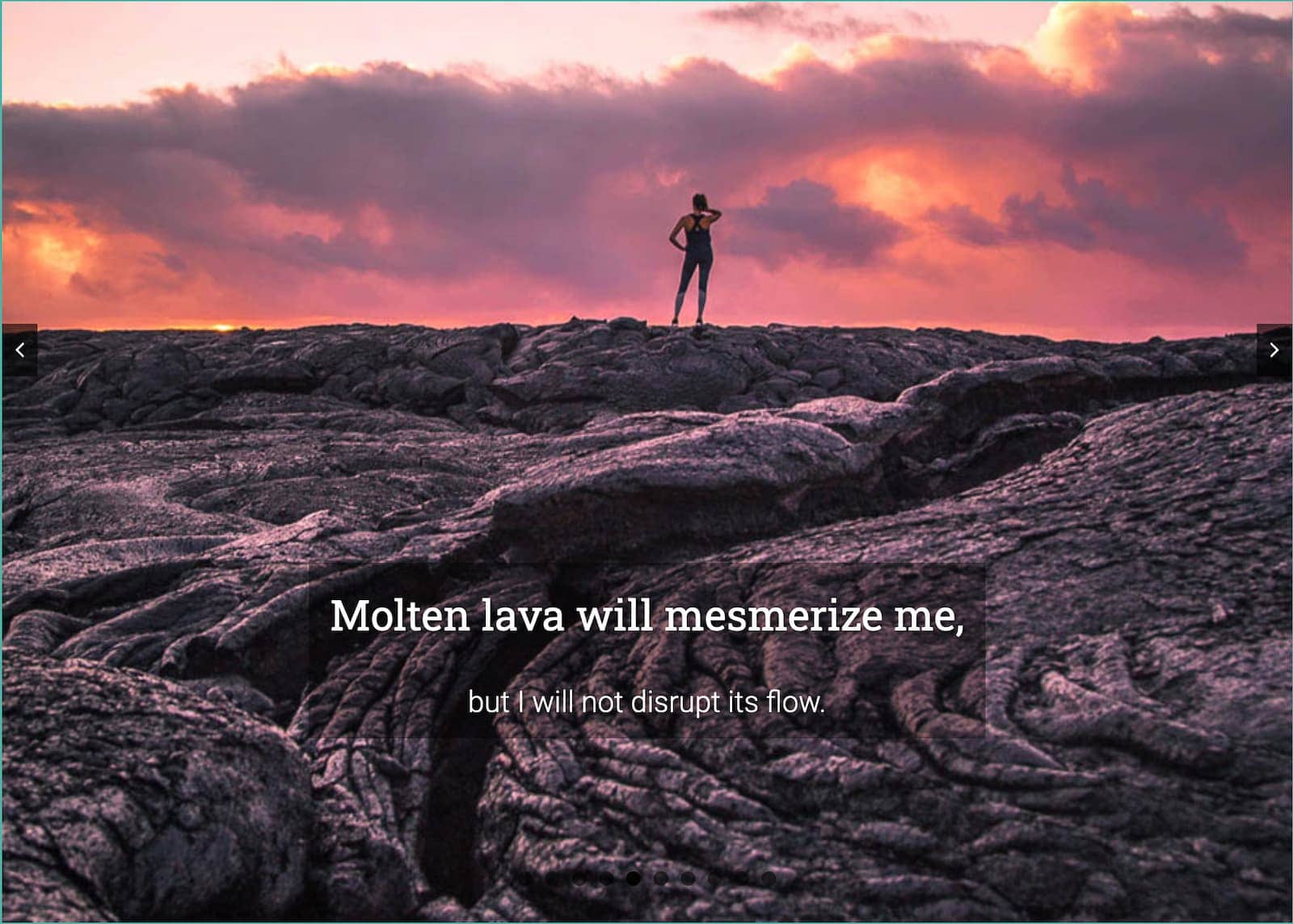
One of the nine pono pledges: “Molten lava will mesmerize me, but I will not disrupt its flow.”
Eco-Tourism experiences for each island
An important value for native Hawaiians and Hawaiʻi locals is the idea of mālama ʻāina or to care for the land. There are many ways visitors can learn about the native traditions used to work the land, and help locals keep Hawaiʻi more sustainable for generations to come. We list suggestions for how visitors can engage below.
Ecotourism experiences on Oʻahu
- Take a farm tour to learn about the farm-to-table processes that are such a vital part of Hawaiʻi Regional Cuisine.
- See Native Hawaiian plants and flowers at Honolulu Botanical Gardens’ five diverse sites on Oʻahu.
- From December through May, go whale watching off Oʻahu’s southern coast to greet humpback whales on their annual visit to Hawaiʻi’s warm waters.
- We also recommend our guide to History and Culture on Oʻahu.
Ecotourism experiences on the Big Island
There are numerous ways to learn about the local ecosystem and experience the unique beauty of the island of Hawaiʻi.
- At the Hawaiʻi Wildlife Center’s Hoʻopūlama Science and Discovery Center you can learn about efforts to protect and rehabilitate native bird species and other wildlife.
- At the Natural Energy Laboratory of Hawaiʻi Authority campus, the focus is on renewable energy, sustainability, and emerging technology. Check their site for current visitor options.
- Our guide to Historical and Cultural activities on the Big Island is definitely worth a read!
- Or, help restore native flora on a tree planting tour with Hawaiian Legacy Tours, where you can help plant a koa tree as part of the excursion.
Ecotourism experiences on Maui
- Take a drive to Upcountry Maui and stroll among fields of sweet lavender and purple protea in Kula.
- Or walk back in time through gardens of indigenous plants at the Kula Botanical Garden.
- Continue to the 10,023-foot summit of Haleakalā and you just might meet our state bird, the endangered nēnē (Hawaiian goose), or stumble across a Haleakalā silversword, a rare silvery succulent that shimmers in the early light.
- If beach days are more your thing you can join the Pacific Whale Foundation as a community scientist/beachcomber. Sign up through the foundation, then clean up any stretch of Maui coastline, or your own beach back home.
- Our guide to culture and history on Maui lists more ecotourism experiences.
Ecotourism experiences on Kauaʻi
- Take a farm tour in the green Hanalei taro fields to see how kalo (taro), an important Hawaiian root starch, is cultivated.
- Some of Hawaiʻi’s largest botanical gardens are on Kauaʻi; the National Tropical Botanical Garden has three sites here: Allerton Garden and McBryde Garden just west of Kōloa, and Limahuli Garden on the North Shore.
- You can also take a whale-watching tour (December to May). If you spot an endangered Hawaiian monk seal hauled out on a Kauaʻi beach such as Poʻipū Beach, stay at least 50 feet back and give mother-pup pairs even more room. Fewer than about 1,600 remain, and only around 400 live in the main Hawaiian Islands.
- Or browse our guide to some of the many cultural and historical things to do on Kauaʻi.
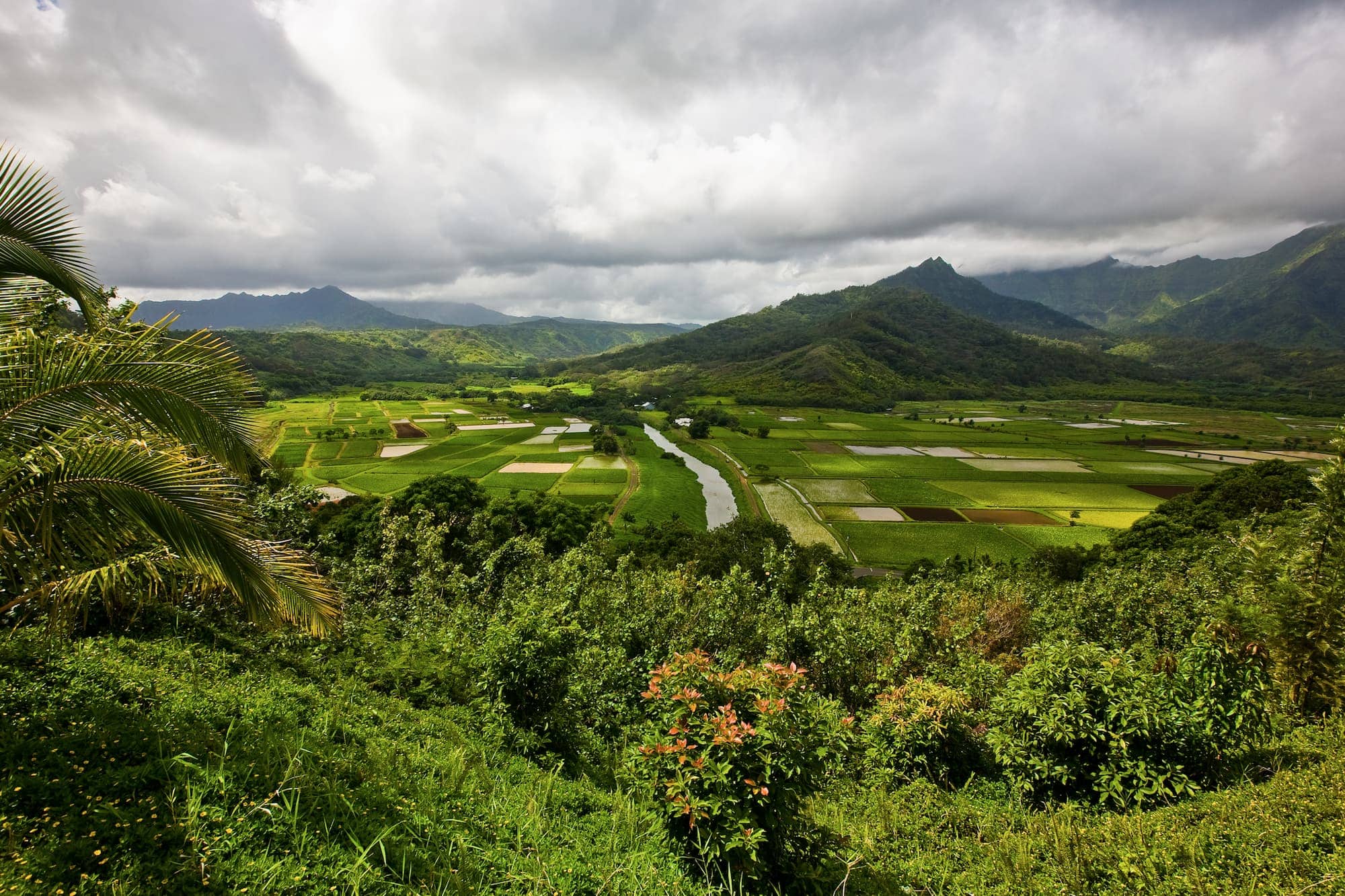
View from the Hanalei Valley Lookout. Credit: Hawaii Tourism Authority (HTA) / Tor Johnson