• Skip to main content
  • Skip to primary sidebar
  • Skip to footer
Love Big Island
Tours
Home » Hawaiʻi Blog » Lunar Eclipse 101

Lunar Eclipse 101

By Gerrit van der Plas | updated July 31, 2026

No matter how you look at it a lunar eclipse is an event worth watching. We know now that a lunar eclipse happens as the moon travels through earth’s shadow, but can you imagine what people used to think as the moon suddenly turned blood-red?

Table of contents

  • A short history of lunar eclipses
    • Lunar eclipses in Hawaiian mythology
  • How do lunar eclipses work?
  • List of upcoming lunar eclipses for Hawaiʻi

Lunar eclipses through human history

Total lunar eclipses must have been ominous events – especially for those that couldn’t predict them. In many cultures a lunar eclipse was a sign of celestial wrath that foreshadowed famine or disease.

For example, in Chinese “lunar eclipse” is written as 月食 (pronounced Yue Shi), which means “the devouring of the moon”. Chinese folklore tells that a dragon is eating the moon, and that lunar eclipses are an extremely bad omen. Even into the 19th century, the Chinese navy fired cannons to scare off the dragon they imagined was eating the moon.

And did you know that Columbus used a lunar eclipse to scare the locals into giving himself and his men provisions while in Jamaica during 1504?

Of course, dragons would never eat the moon, and nowadays we have, just as Columbus in 1504, a much better explanation for lunar eclipses. See for example this example from the Youtube channel of the Canada–France–Hawaii Telescope (located near the summit of Maunakea).
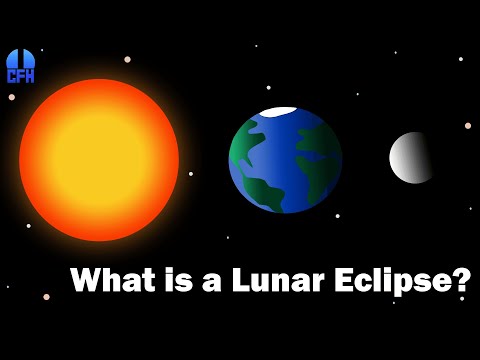
What is a Lunar Eclipse?

The moon in Polynesian Mythology

In Polynesian mythology the goddess of the Moon is called “Hina”.  In Hawaii, Hina is often called ‘Rono’ or ‘Lono. She is the mother of Maui and is mostly described as a very attractive, smart, beautiful, determined young woman pursued by men and other creatures. Hina becomes tired of living in the crowd, flees to the moon, and eventually becomes goddess of it.

In Maori mythology an eclipse of the moon happens because Hina (or Rona) is attacking and destroying the moon. When the Moon does not appear the twain are battling with each other, and so cannot be seen. After the combat the moon bathes in the waiora a Tane (sunlight), and so returns to us again young and beautiful (source).

What happens during a lunar eclipse?
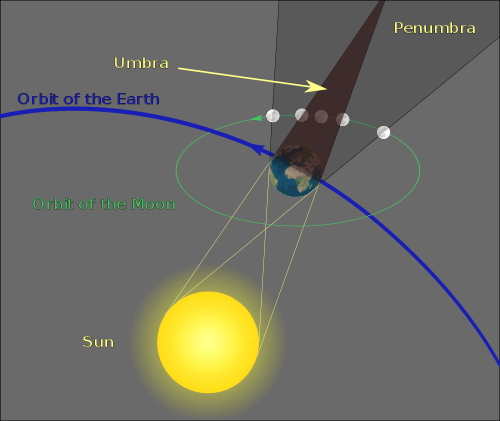
Geometry of a lunar eclipse

Geometry of a lunar eclipse. Image source: wikimedia

Just like any object, earth casts a shadow if light shines on it. Night falls as you spin into this shadow and morning breaks as you leave it. Earth’s shadow is also cast into space, and sometimes the moon passes through this shadow. If the moon moves into our ‘night’  we see it from earth as a lunar eclipse.

A good question to ask now is:

“If night and a lunar eclipse are both caused by earths shadow, why is night dark but an eclipsed moon red?”

The answer would be:

“For the same reason sunsets are red and the sky is blue: Rayleigh Scattering”

Very straightforward: as light passes through the atmosphere it is scattered by gas and dust particles. Rayleigh scattering means that blue light is scattered by our atmosphere far more efficiently than red light (you can find a good popular explanation here,  and a technical but very interesting explanation here).

The color of the sunset: why are they so red?

Did you know that the real color of the sun is not yellow but almost white? We only see the sun as yellow because most blue sunlight is scattered by the atmosphere out of our line-of-sight towards the sun as a result of Rayleigh scattering.  Rayleigh scattering thus makes the sun look less blue and more yellow. The blue light scatters around so much, that it appears to come from every direction when it finally reaches our eyes. This is why the sky looks blue. If you are curious, you can read more about the color of the Sun at science20.com.

As the sun is lower on the sky, the sunlight goes through more atmosphere, and more blue light is removed from the sun. Hence, the closer the sun comes to the horizon, the redder it looks. The red sunlight is also reflected off low hanging clouds just before sunset or just after sunrise. The clouds then also get the red color and this is what makes the sky around the sun red during sunset and sunrise.

The red color of the eclipsed moon: it’s like a sunset on steroids!

Blue light gets scattered far more easily than red light. Here on earth we can barely notice the bending of the red light – there simply isn’t enough small dust in the atmosphere between the sun and ourselves to make it noticeable. To really see the scattering of red light we have to look at a lunar eclipse.

Red sunlight that travels through our atmosphere gets scattered (‘bent’) into Earths shadow (see illustration). The red light does not get bent enough to illuminate the shadowed (night) side of earth, but it does reach the lunar surface. This is why an eclipsed Moon has the same color as the sunset.
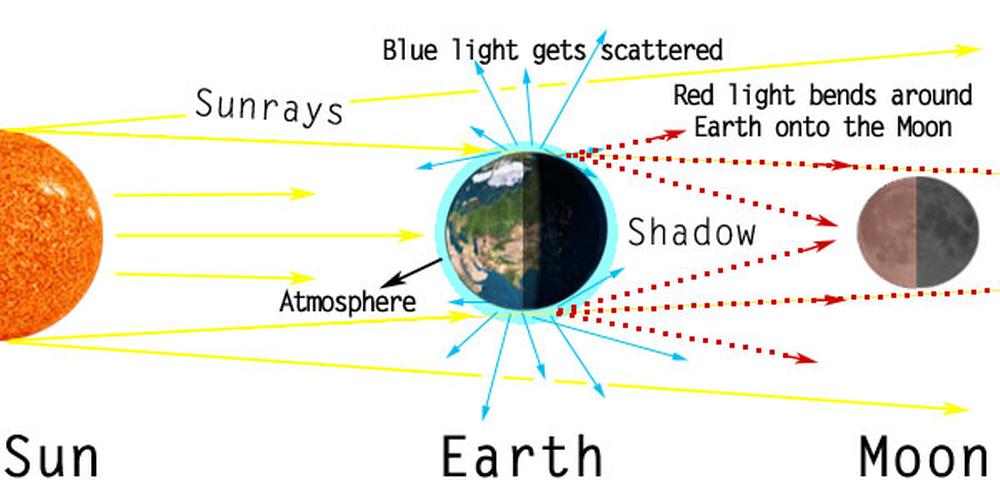
Lunar eclipse explained

Rayleigh scattering ‘bends’ red light into Earths shadow and makes the Moon red during lunar eclipses

List of lunar eclipses visible from Hawaii

We list the  upcoming total lunar eclipses below:

DateEclipseMore information
March 13, 2025TotalClick here
March 2-3 2026TotalClick here
December 31, 2028TotalClick here

See our Hawaiʻi Astronomy Calendar for more yearly stargazing events (meteor showers, lahaina noon, etc.)

Filed Under: Astronomy

Primary Sidebar

Written by:

Gerrit van der Plas

Last updated:

July 31, 2026

Browse topics:

  • Astronomy (4)
  • Big Island (20)
  • City Guides (4)
  • Island Comparisons (6)
  • Kauaʻi (16)
  • Maui (18)
  • Nature & History (6)
  • Oʻahu (16)
  • Quiz (2)
  • Things to Do (19)
  • Trip Planning (20)
  • Volcanoes (5)
  • Whales (2)

On this page

  • A short history
  • How do lunar eclipses work
  • Upcoming lunar eclipses

Share with friends:

Footer

Love Maui

1: Maui Overview
2: Things to Do
3: Where to Stay
4: Popular Sights and Destinations
5: Road to Hana (Maui)
6: Maui Itinerary
7: Maui blog posts

The second-biggest island in the chain, much of Maui’s appeal comes from its natural landscape and biodiversity, including its two massive volcanoes, whale watching and marine ecosystems

Love Oʻahu

1: Oʻahu Overview
2: Things to Do
3: Where to Stay
4: Popular Sights and Destinations
5: Oʻahu Beaches
6: Oʻahu Itinerary
7: Oʻahu blog posts

Oʻahu is the busiest and most visited of the Hawaiian Islands, with the widest range of things to do: nature, culinary discoveries, historic landmarks, shopping, nightlife and festivals.

Love Kauaʻi

1: Kauaʻi Overview
2: Things to Do
3: Where to Stay
4: Popular Sights and Destinations
5: The Nāpali Coast
6: Kauaʻi Itinerary
7: Kauaʻi blog posts

With a population of less than 75,000, Kauaʻi is truly a small-town island, littered with open space, protected preserves, and old plantation history.

Let’s connect

Facebook
Pinterest
X
Instagram
Subscribe to our Newsletter

Made with by Love Big Island


© 2011–2026 lovebigisland.com | About Us | Contact | Sitemap (xml)/(html) | Privacy Policy

  • Book Tours
  • Planning a trip? Start here!
    • 1: Calculate your trip costs
    • 2: When should you go?
    • 3: Flying to Hawaii
      • 3a: Interisland Flights
    • 4: Get a Rental Car
    • 5: Find Accommodations
  • Regions
    • Kailua-Kona
      • Accommodations
      • 5 Highlights
      • Things to Do
      • Kona Beaches
    • Hilo
      • Accommodations
      • Highlights
      • Things to Do
    • Volcano Village
      • Accommodations
      • Highlights
      • Things to Do
    • Waimea
      • Accommodations
      • Highlights
      • Things to Do
    • Puna
    • Kaʻu
    • Kohala
  • Things to Do / Activities
    • ATV
    • Beaches
      • ʻAnaehoʻomalu Beach
      • Carlsmith beach park
      • Hapuna beach
      • Kaimu beach
      • Kahaluʻu Beach Park
      • Kamakahonu (King Kam) Beach
      • Kaunaʻoa (Mauna Kea) Beach
      • Maniniʻowali beach (Kua Bay)
      • Papakolea (Green sand beach)
      • Pohoiki Beach
      • Punaluʻu
      • Richardsons’ (Hilo)
      • Waialea Beach (Beach 69)
    • Biking / Cycling
    • Botanical Gardens
    • Camping
    • Chocolate and Cacao Farm Tours
    • Dolphins!
    • Farm Tours (BIG list)
    • Farmers Markets
    • Golfing
    • Hawaii Volcanoes National Park
    • Helicopter Tours
    • Hiking
    • Horseback Riding
    • Hot ponds
    • Kona Coffee Tours
    • Lava Viewing Guide 🌋
    • Lava Tubes
    • Luau and Hula
    • Manta Ray night dive / snorkel
    • MaunaKea Summit + Stargazing
    • Road Trips!
    • Scuba Diving
    • Snorkeling
    • Stand Up Paddle boarding (SUP)
    • Surfing
    • Be a Volunteer
    • Waterfalls
    • Waterfall Rappelling
    • Whale Watching
    • Ziplining
  • Six full Itineraries
    • One Day (day trips)
    • Two Days
    • Three Days
    • Five Days
    • Seven Days
    • For Cruise Ship Visitors (shore excursions)
  • Highlights
    • Annual Events
    • Museums
    • History and Culture
    • 4 National + 14 State Parks
      • Hawaii Volcanoes National Park
      • Puʻuhonua o Hōnaunau National Park
    • Local food & produce
      • Macadamia Nuts
      • Kona Coffee
      • Chocolate
    • Nature and Wildlife
    • Hawaii Trivia: 40+ fun facts
      • Pineapple History, Facts and Trivia 🍍🍍🍍
      • The opposite of Hawaii
      • The longest Hawaiian name
      • Hāpuʻu: the Hawaiian tree fern
      • Endemic and Native Species
      • Kahili Ginger
      • Pāhoehoe and ʻAʻā Lava
      • Lake Waiau on MaunaKea
      • Pele’s Hair (volcanic glass)
      • Green Sand Beach Trivia
    • What is Big Island weather like?
  • Favorite Sights and Destinations
    • Hawaii Volcanoes National Park
    • MaunaKea
    • Pololū Valley
    • Waipiʻo Valley
  • Oʻahu
  • Kauaʻi
    • Sights and Destinations
      • The Nāpali Coast
      • Waimea Canyon
    • Trip Planning Resources
      • 7 day itinerary
      • Getting Around
      • Where to Stay
    • Things to Do
      • Air Tours
      • Beaches
      • Culinary Tours and Activities
      • History and Cultural Activities
      • Land Activities
      • Water Activities
  • Maui
    • Things to Do
      • Air Tours
      • Beaches
      • Culinary Tours and Activities
      • History and Culture
      • Nature and Wildlife
      • Land Activities
      • Water Activities
    • Sights and Destinations
      • Haleakalā National Park
      • Road to Hana
    • Trip Planning Resources
      • 8 day Itinerary
      • Getting Around
      • Where to Stay
  • Free Newsletter