Never turn your back to the ocean. That’s rule number one in Hawaiʻi, where even small waves knock adults off their feet. Most of the 11 mistakes on this list come down to underestimating water. Think swimming in fresh water with an open cut or exposed mucous membrane (Hawaiʻi reports more leptospirosis cases than any other US state), or climbing coastal lava rock, where a wave can drag you across the rocks and into the water. The last two are pure planning errors: never leaving Waikīkī, and picking the wrong island.
Some fixes take seconds. On Oʻahu’s south shore, box jellyfish arrive about 8 to 10 days after each full moon, and lifeguards post signs before they show up. The dive clock needs planning before you book: leave a full 24 hours between your last scuba dive and your flight home, and a Mauna Kea summit trip counts too.
Table of contents
- Turning your back… to the ocean
- Underestimating the power of the ocean
- Climbing on lava rock near the coast
- Crossing paths with… Jellyfish
- Swimming in fresh water with… Open Cuts
- Trespassing on… private property
- Mistiming your scuba dive
- Not wearing (or reapplying) Reef-Safe Sunscreen
- Hiking in heavy rain
- Visiting Hawaiʻi… Without Leaving Waikīkī
- Choosing the wrong island
Turning Your Back to the Ocean
Plenty of ocean injuries in Hawaiʻi happen close to shore, not out in deep water. The cause is usually simple: people stop watching the incoming waves.
In Hawaiʻi, the number one rule is to never turn your back to the ocean. It holds in ankle-deep shorebreak as much as in water over your head, on small days as much as big ones. Keep your eyes forward and your attention on what’s coming towards you; waves blindside people who are looking elsewhere, and even small ones pack enough punch to knock over kids and adults alike.
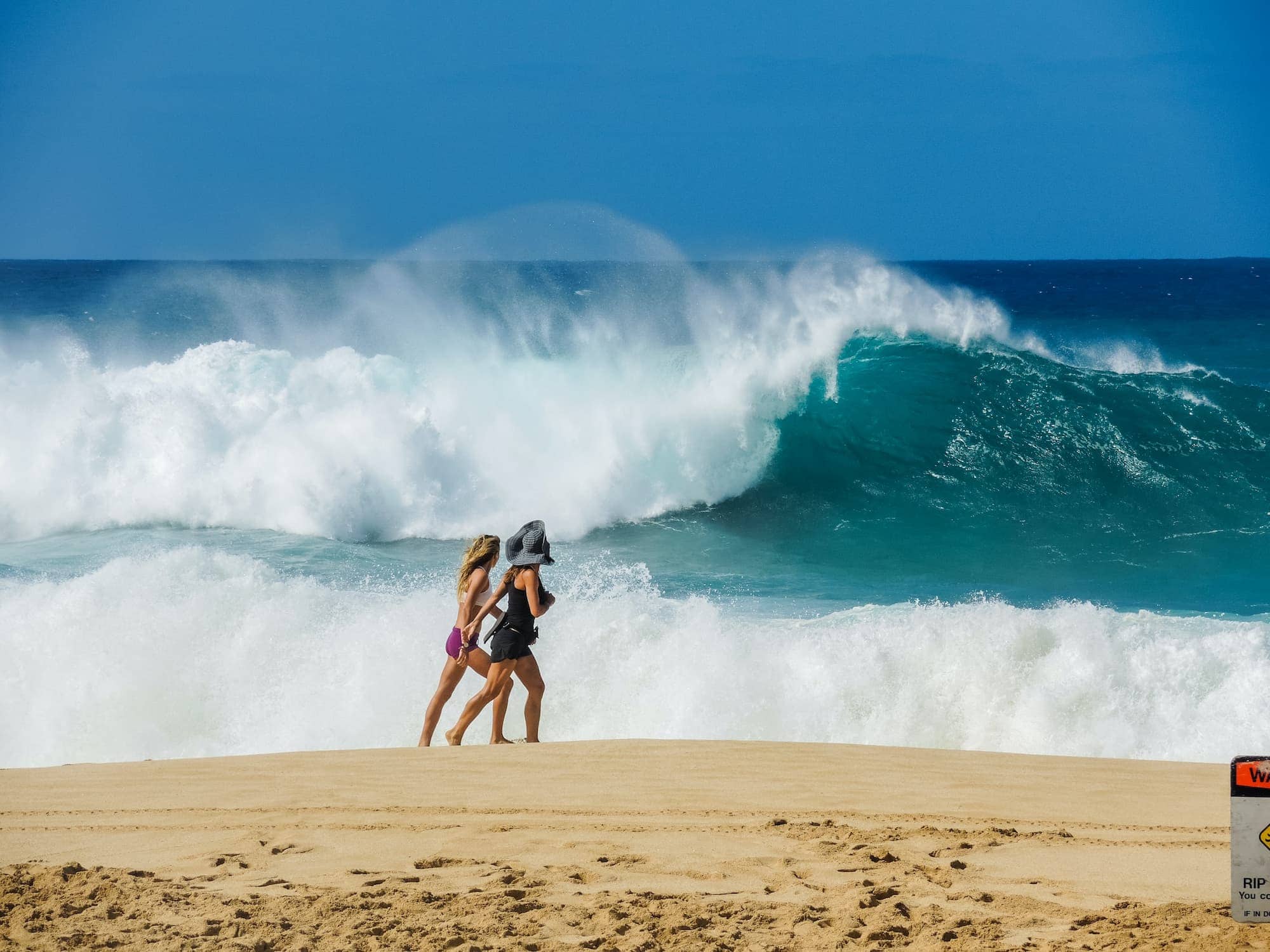
During wintertime, the ocean at the Oʻahu North Shore can be especially dangerous. Photo by Simon English on Unsplash.
Underestimating the Power of the Ocean
The open Pacific hits Hawaiʻi’s shores with currents that don’t announce themselves. The ocean can look calm and inviting one minute and pull you out to sea the next, and waves are bigger and stronger than they look from shore.
Before entering the water, always check with lifeguards about the current conditions. If you get pulled out to sea, don’t fight the current head-on: swim parallel to the shore until you are free of it, then swim back in. If you can’t break free, stop swimming, float or tread water, and wave and yell for help rather than exhausting yourself. Swim only at lifeguarded beaches and, if in doubt, don’t go out.
Currents that pull you away from the shore are called rip currents, and they are easy to spot once you know what to look for. See NOAA’s rip current safety page or watch the following 3-minute video to learn how to recognize them and what to do if you get caught in one:

Climbing on Lava Rock Near the Coast
Climbing on the lava rocks along the shoreline looks harmless right up until a wave arrives. YouTube is full of examples of how this ends.
Tidepools and other coastal formations are fun to explore during calm conditions, but stay alert. Waves both big and small smash into the rocks, knocking people over and leaving the surface slippery.
Lava rock is sharp and unforgiving; a fall means deep cuts and scrapes. Worse is being dragged across the rocks and into the water.
When in doubt, stay back and enjoy from a distance.
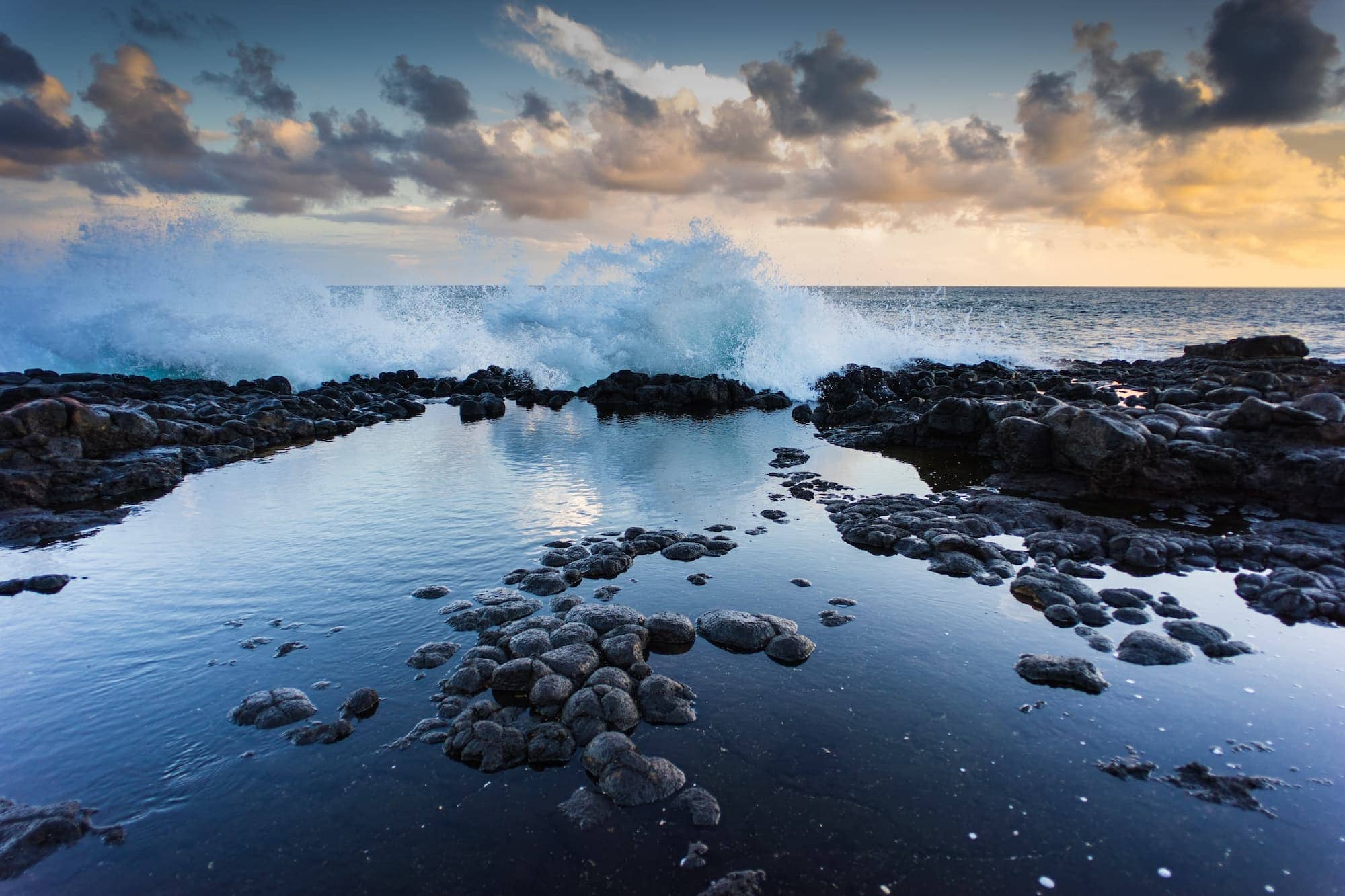
Waves pummel the lava rocks beside Glass Beach on Kauaʻi. Keep an eye on the incoming waves whenever you explore tidepools like these. Photo by Paulius Dragunas on Unsplash
Crossing Paths With Jellyfish
Once a month, box jellyfish drift into Hawaiʻi’s nearshore waters, most reliably documented on Oʻahu’s south and leeward shores (Waikīkī, Ala Moana, Hanauma Bay), and a sting can end your beach day fast.
The good news is that their arrival is highly predictable: they show up about 8 to 10 days after each full moon and usually clear within a few days. Warning signs go up on the popular Oʻahu beaches during that window; the other islands see jellyfish too, just with less reliable tracking.
Calendars such as this one approximate the arrival of the jellyfish. If your trip overlaps, no need to cancel your beach plans: a thick rash guard protects against most stings, and swimming at lifeguarded beaches means immediate help if you do get stung.
If you do get stung, rinse the area with vinegar for about 30 seconds. It stops any unfired stinging cells from firing, which plain seawater does not do and can even make worse. Pluck off any visible tentacles with tweezers, then soak the area in water as hot as you can comfortably stand for pain relief; University of Hawaiʻi researchers found heat outperforms ice here, since the venom itself is heat-sensitive. Seek medical care for a large sting, trouble breathing, or a reaction that doesn’t ease up.
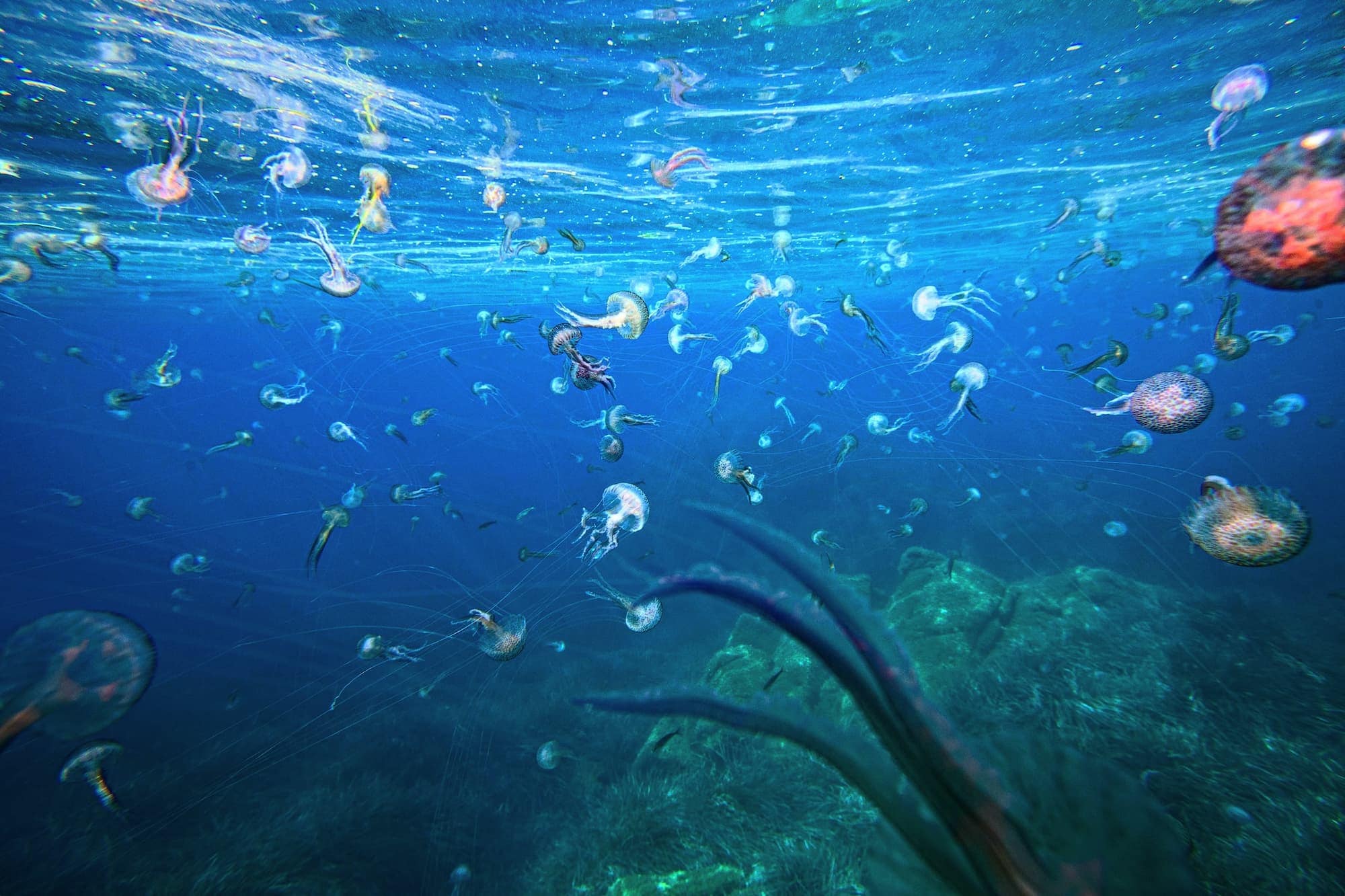
Box jellyfish off the coast of Molokaʻi. Photo by Jake Houglum on Unsplash
Swimming in Fresh Water with Open Cuts
Excited for that waterfall hike and a swim in the pool below it? Be sure to check yourself for cuts before jumping in.
Hawaiʻi’s fresh water often carries the bacteria that cause leptospirosis. Per the Hawaiʻi Department of Health, the bacteria enter through broken skin, but also through the soft tissue inside your mouth, nose, and eyes, so a visible cut is not the only way in. Hawaiʻi reports more leptospirosis cases than any other US state; only the territory of Puerto Rico reports more.
If you have any cut, even a small one, avoid swimming in fresh water while visiting, and try not to swallow the water either way. Symptoms (fever, headache, chills, muscle pain, vomiting) can take up to 4 weeks to appear, often after you are already home, so tell your doctor you were swimming in Hawaiʻi fresh water if anything like this hits after your trip.
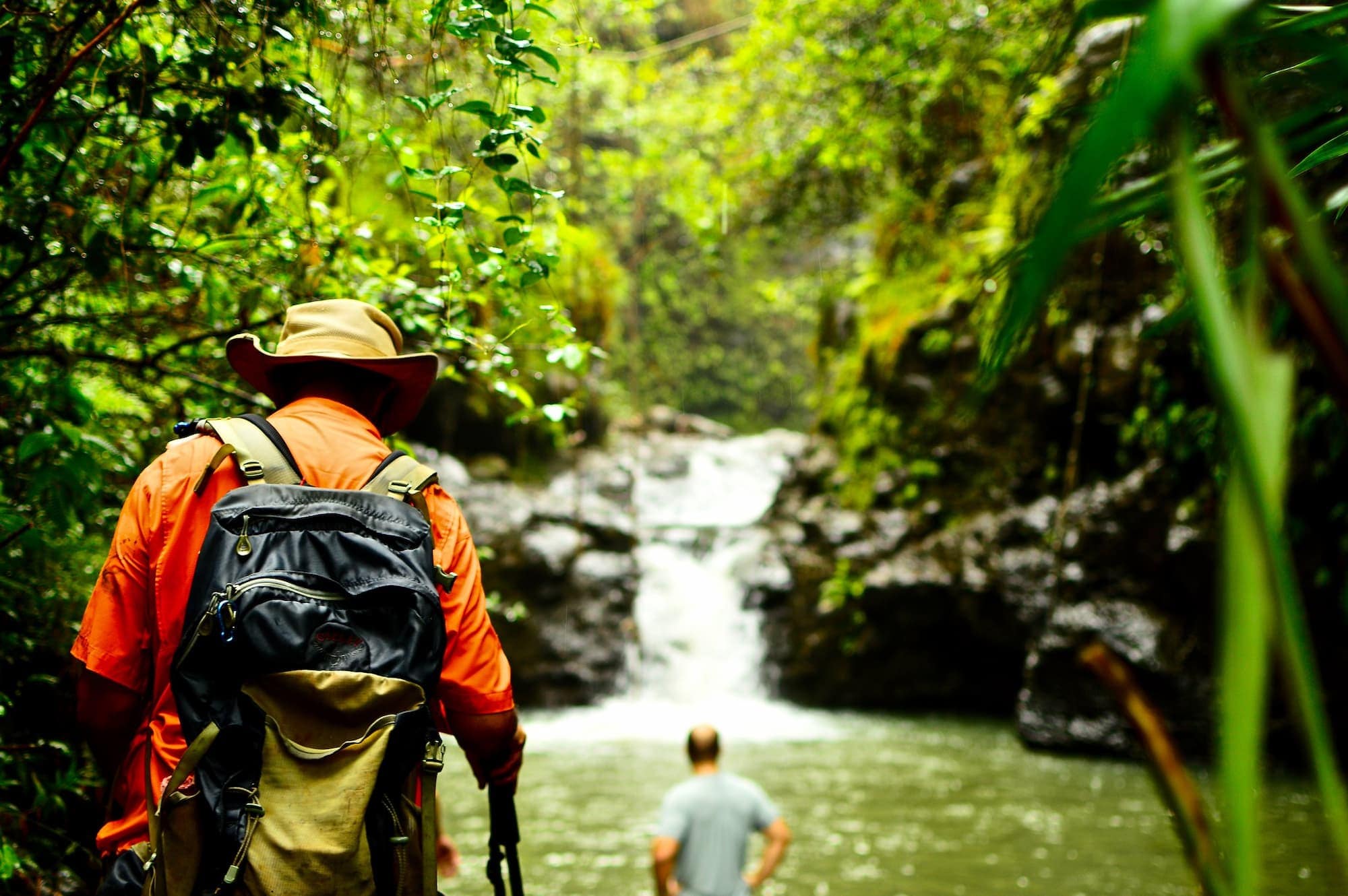
Waimano Falls is a waterfall on Oʻahu at the end of a normally moderate 2-mile hike. Source: Jason Jacobs via Flickr CC BY-ND 2.0
Trespassing on Private Property
Trespassing sounds like something you’d never do, yet visitors do it in Hawaiʻi constantly, often without realizing. Some guidebooks even encourage it by pointing readers to illegal hikes that cross private property.
In Hawaiʻi (and anywhere), you’re a guest, not entitled to go wherever you want. Stay on established trails and pay attention to posted signs. Most trespassing is innocent, but locals have run out of patience with it. If a hike requires hopping a fence or walking past a sign, it’s not a legal trail.
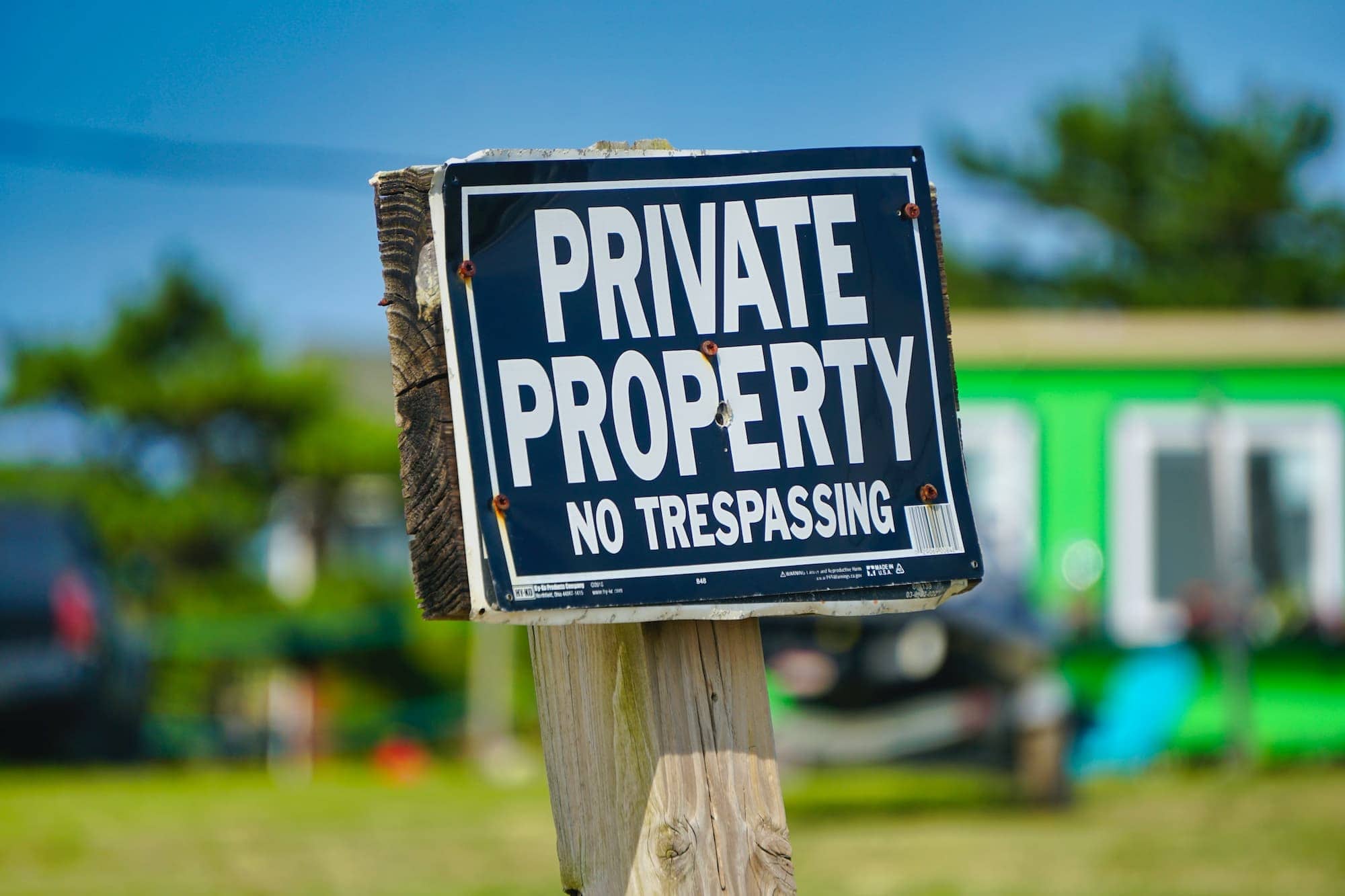
Worst case, trespassing in Hawaiʻi is a criminal charge: knowingly entering or staying on property where you’re not wanted. Photo by Gene Gallin on Unsplash
Mistiming Your Scuba Dive
Hawaiʻi rewards divers, but your dive schedule needs to respect your flight schedule.
Don’t fly for at least 12 hours after a single scuba dive, and at least 18 hours after multiple dives. To be safe, plan a full 24 hours between your final dive and your flight to avoid decompression sickness. A Mauna Kea summit trip counts the same way: the altitude affects your body like a flight.
Timing issues usually hit island hoppers, who move around every few days. Plan your dives against your flights, and if diving is a top priority, build in a few buffer days in case weather postpones a dive.
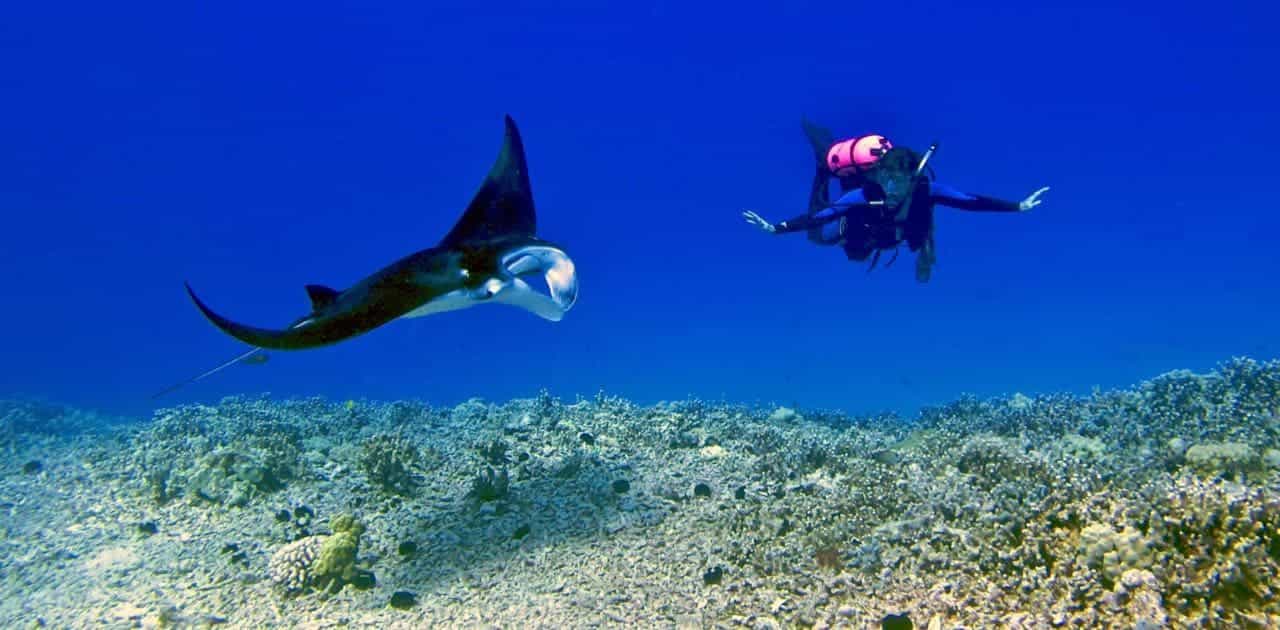
The Manta ray dive is among the most popular dives in Hawaiʻi. By Steve Dunleavy – Nick and Isabelle, Kona Hawaii, CC BY 2.0, Link
Not Wearing (or Reapplying) Reef-Safe Sunscreen
One mistake is not wearing or reapplying sunscreen often enough. Hawaiʻi sits far closer to the equator than the US mainland, and you often won’t feel the burn setting in until it’s done. If you don’t apply sunscreen early and often, you will burn.
A second, related mistake is the choice of sunscreen. In 2021, Hawaiʻi became the first state to ban the sale of sunscreens containing oxybenzone and octinoxate, chemicals that damage coral reefs. The rules have only gotten stricter since: Maui County allows only mineral sunscreens (zinc oxide or titanium dioxide) as of October 2022, and the Big Island banned the sale of non-mineral sunscreens in December 2022. Bring a mineral sunscreen and you’re covered on every island. Check the ingredients to make sure, because some bottles marked “reef-safe” still contain the banned chemicals.
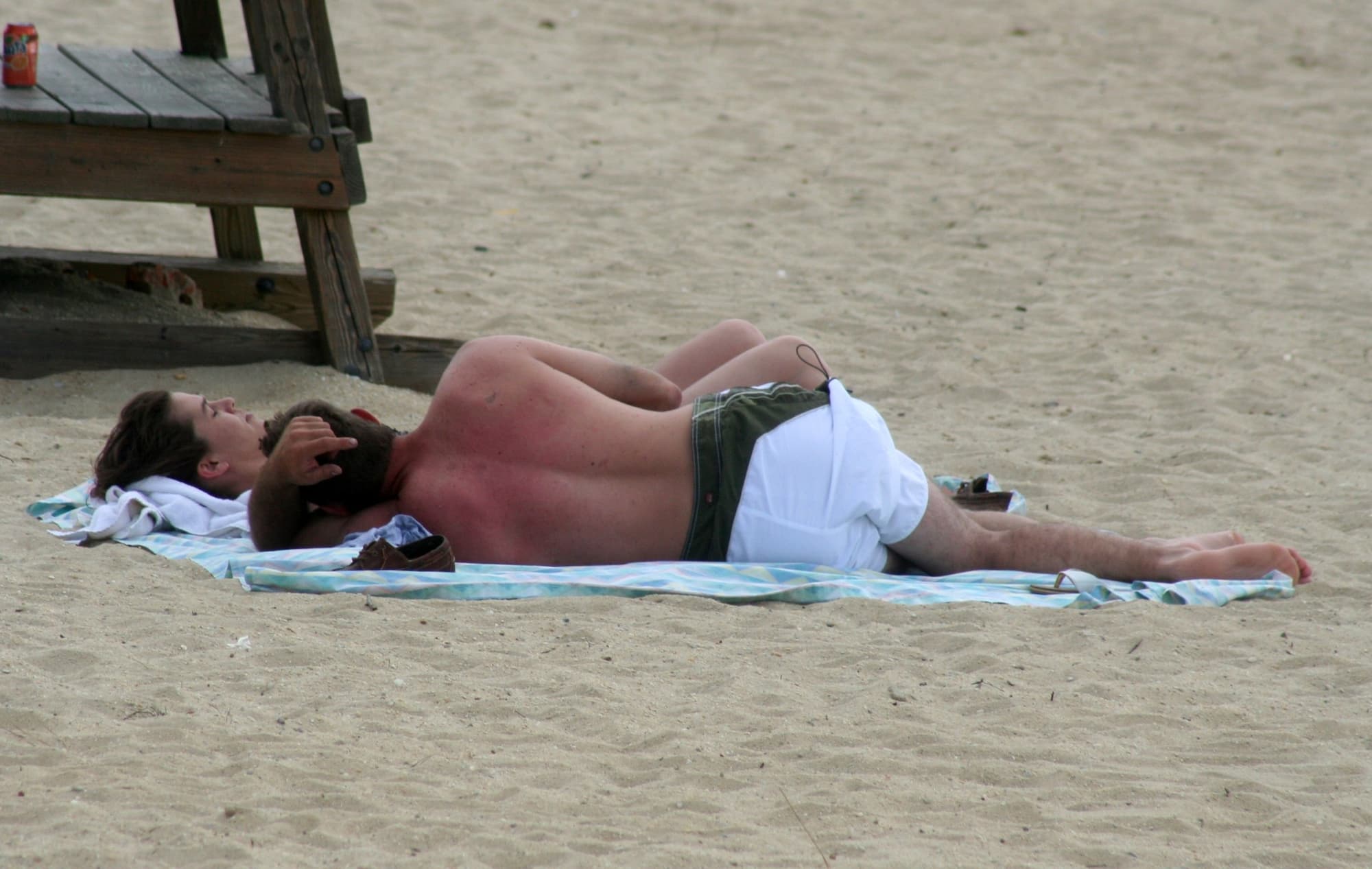
Forgetting to (re)apply sunscreen on the beach is easy to do but can leave you feeling sorry for days. Image by Tony Alter on Flickr (CC by 2.0, source).
Hiking in Heavy Rain
Hiking in the rain is something we here at Love Big Island enjoy: fewer people on the trail, cooler air without the sun, and the rainforest comes alive.
But there is a big difference between hiking in light rain and heavy rain. The former adds atmosphere; the latter adds real risk.
Heavy rain makes trails muddy and slippery, and streams rise fast, creating flash floods and dangerous crossings. The trigger can be miles away: a stream can flood on a sunny day at the trailhead if it is pouring in the mountains upstream. See the video below, which shows how an unexpected storm transforms the Kalalau Trail on the Nāpali Coast from moderately difficult into life-threatening.
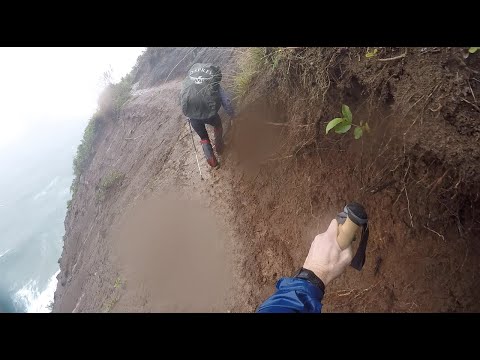
Check the forecast for the mountains above the trail, not just the trailhead, before any hike with stream crossings. We always have a rain jacket or poncho in the day pack.
Related: our favorite Hawaiʻi hikes + rainy day activities
- Our 5 favorite Big Island hikes
- Our 15 favorite hikes on Maui
- The 15 best Oʻahu hikes
- Our 5 favorite easy, intermediate, and difficult hikes on Kauaʻi
- Rainy day activities for the Big Island
Visiting Hawaiʻi… Without Leaving Waikīkī
Waikīkī has a real case for it: often the most affordable base on Oʻahu, and everything is walkable. Waikīkī Beach earns its reputation.
Just don’t make it your only stop. Waikīkī is unlike anywhere else in the islands, and it isn’t representative of Hawaiʻi or Hawaiian life.
Make Waikīkī a part of your trip, not the whole thing. Get out to Oʻahu’s small towns and the windward coast, and hop to another island if you can.
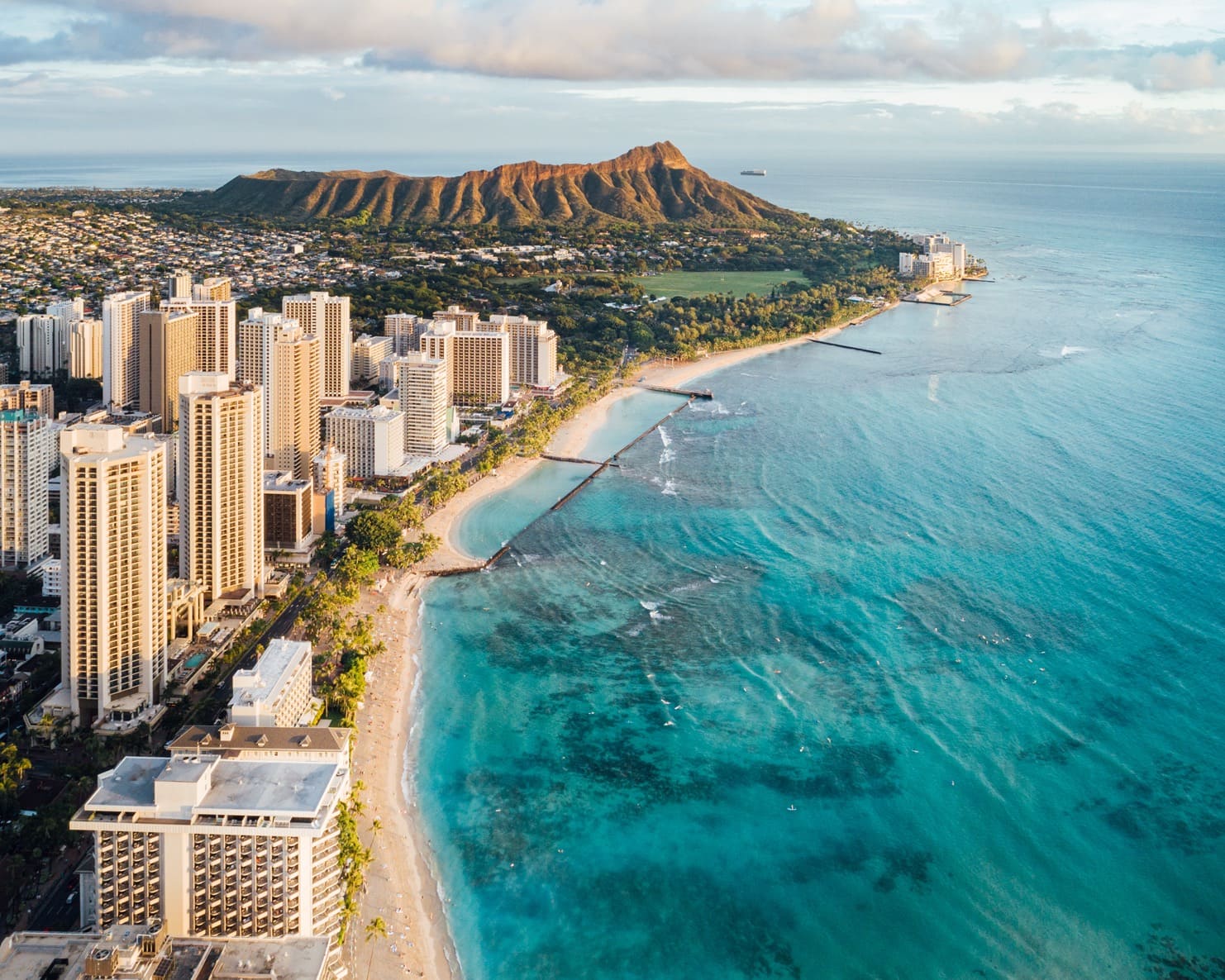
Waikīkī Beach with Lēʻahi (Diamond Head) in the background. Credit: Hawaii Tourism Authority (HTA) / Vincent Lim
Choosing the Wrong Island
The islands are not interchangeable. They share the ocean, and that is roughly where the similarities end; the differences can sour a trip if you don’t plan around them.
For example, you could book a relaxed, easy-going beach getaway on the Big Island without realizing that its beaches are young and rocky and that exploring the island means a (relatively) large amount of driving every day. For that trip, you’d be better off on Maui or Oʻahu, where white-sand beaches surround small, easy-to-navigate beach towns.
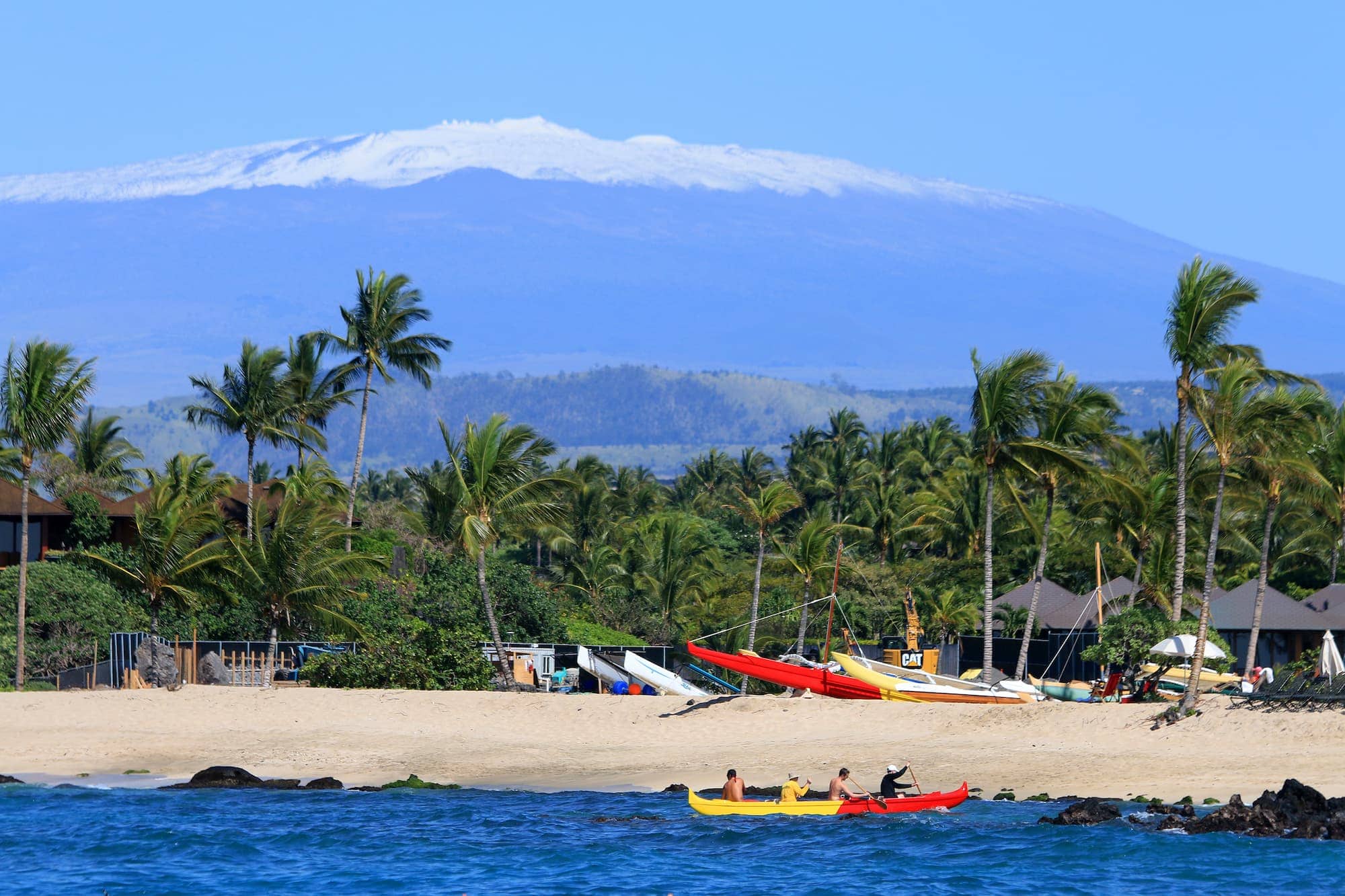
The sometimes snow-topped Mauna Kea (with telescopes) dominates the Big Island and can be seen from many beaches. Image credit: Hawaii Tourism Authority (HTA) / Kirk Lee Aeder
Island comparison: which island is better for me?
Since choosing between islands is often the most difficult part of planning a trip, we created an island-comparison series. Each article puts two islands head to head and calls a winner in five categories:
- Outdoor adventures
- Beaches
- Volcanoes
- Food, drinks and nightlife
- Variety
Start with the two islands you’re torn between, and the winner usually becomes obvious.