Hawaii 2012 Astronomy Calendar

With this 2012 astronomy calendar for Hawaii you will always be up to date on the most exciting astronomical events in the Hawaiian skies. Keep your eyes on this calendar (and check back regularly or bookmark it) because we will post detailed viewing information and some fun trivia for each event as it draws close.

Click here to see our new 2013 astronomy calendar for Hawaii

Don’t miss any of the 2012 astronomical fireworks in the Hawaiian sky. We will send you Astronomy Alerts for all future Hawaiian astronomy events if you subscribe to our blog.

You should mark the following dates on your calendar:

Why is Hawaii so great for Stargazing?

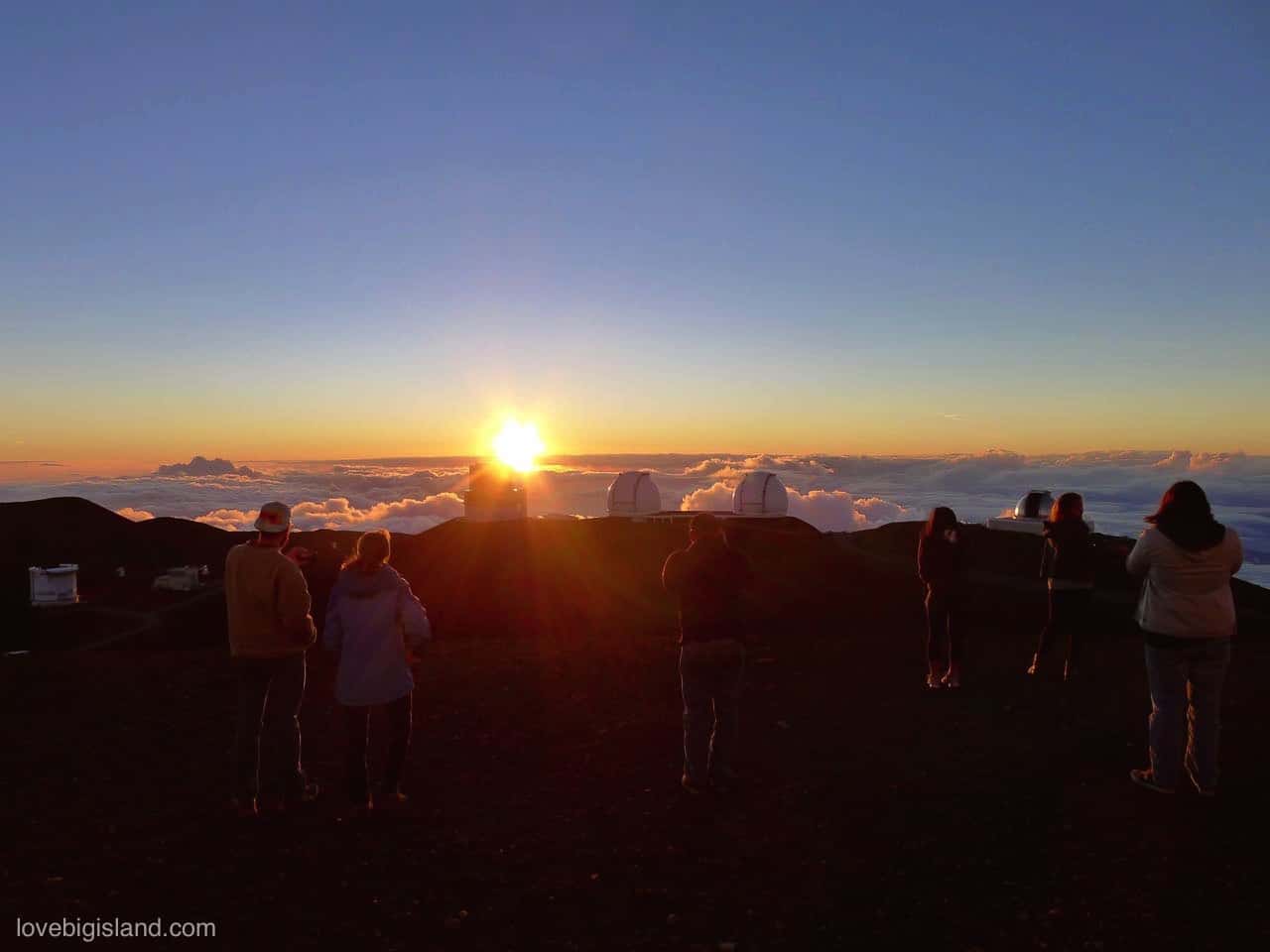
Because of the clear, dark skies and high volcanoes, Hawaii is one of the best places in the world for optical astronomy – there is almost no light pollution! For this reason some of the worlds best observatories are on top of Mauna Kea on the Big Island. If you are on the Big Island you can visit these observatories and see the world-class night sky above them yourself. In the weekends you can even get a free tour of one of the telescopes! For more information see our stargazing on the Big Island guide.

January 4th: Quadrantids Meteor Shower

On Hawaii, the moon outshines the peak of the 2012 Quadrantids meteor shower, and it won’t be possible to see the usual 100 shooting stars/hour spectacle in 2012. However, quite some shooting stars are still visible when the moon sets. The best time to watch is early on January 4th, between 03:00 and sunrise.

You can find more information, sky maps and viewing tips for Hawaii at Quadrantids meteor shower January 4th 2012: Hawaii viewing tips.
back to top

March 3th: Mars at Opposition (take your camera!)

Have you ever tried to find mars on the night sky?  It is never hard because mars is one of the brightest bodies in the sky,  but in the nights of early march it will be even easier because mars will reach opposition and be at its closest point to earth in 26 months.

This is not as dramatic an event as a lunar eclipse or a meteor shower, but it is a great chance to look up to the sky and wonder: Mars and our planet are very similar, and mars once also donned a dense atmosphere and had liquid water on its surface. Because of this, mars is the #1 place scientists hope to find evidence for (once) living organisms outside earth.

You can find out more information, sky maps and viewing tips for Hawaii at Mars at Opposition on March 3rd (Mars doesn’t get any bigger than this in 2012)
back to top

April 21/22: Lyrids Meteor Shower

You can read the full post on this meteor shower at Lyrids meteor shower April 21st 2012: Hawaii viewing tips

The Lyrids are with an average of 10 shooting stars / hour during peak activity not the most spectacular meteor shower of the year. The shower is active between April 16th and April 25th, and peaks around 19:25 p.m. Hawaiian time on April 21st.

2012 is one of the better years to watch this shower because the peak of the shower is just after the new moon (on April 20th), and the moon is at only 1% of its brightness. These are very good meteor shower viewing conditions so if you are out at night look up into the eastern sky and see if you get lucky!

Have a look at our meteor shower guide to Hawaii for viewing tips and a packing list for a perfect night of stargazing.
back to top

May 5th: Eta Aquarids Meteor Shower

The following is a short excerpt of the Eta Aquarids. For more information, including sky maps, trivia and a bonus explainer about the super moon that almost coincides with this meteor shower, see Eta Aquarids meteor shower (and a super moon) on May 5th 2012: Hawaii viewing tips.

The Eta Aquarids in 2012 are a meteor shower for the early (Hawaiian) birds. Because the peak of the shower is only one day before the (largest of 2012) full moon, stargazers have to wait for the early morning when the moon sets in the West while the meteor shower radiant rises in the East. The best time to see the Eta Aquarids from Hawaii in 2012 is between 04:00 and 05:00 a.m. on May 5th.
Have a look at our meteor shower guide to Hawaii for viewing tips and a packing list for a perfect night of stargazing.

back to top

June 4th: Partial Lunar Eclipse

You can see a video simulation of this lunar eclipse as well as viewing tips for Hawaii our post: Partial Lunar Eclipse June 2012 (Hawaii viewing information)

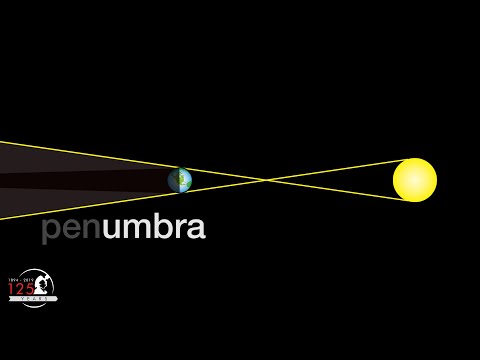
The moment of greatest eclipse happens at 01:03 a.m. Hawaiian time on June 4th 2012. Only about 1/3 of the moon will be completely eclipsed, and the rest of the moon will appear darker because it is in the penumbral shadow.

A lunar eclipse happens when the moon moves through the shadow of the earth. When the shadow completely covers the moon  we see a total lunar eclipse, and when only part of the moon is eclipsed we see the shadow “take a bit out of the moon”: a partial lunar eclipse. Total eclipses are far more impressive than partial lunar eclipses, because the red moon turn blood-red during a total eclipse. If you want to find out why this is (spoiler, for the same reason why sunsets are red and the sky is blue), have a look at our lunar eclipse 101.
back to top

June 5th: Transit of Venus across the Sun

This is the last chance in your lifetime to see a transit of venus across the sun, and everyone that is born the next decade or two probably will never get to see one. This transit will be visible from Hawaii between 12:10 and 18:44 p.m. on June 5th.

For the full story, including Big Island (free) viewing locations, read Transit of Venus – Hawaii viewing information on our blog

Venus transits happen when we see venus pass in front of the sun, and this is a very rare event! The transits happen in pairs of two 8 years apart (the last one was in 2004), and each of these pairs is separated from another by more than a century! The transits closest before 2004 happened in 1874 and 1882, and the next pair falls on 2117 and 2125!

To give some perspective, 1874 was the year that Streptococci and staphylococci were discovered, and 1882 was the year that the first elevator was installed in Hawaii!!

Venus transits were (and still are!) used to determine the distance between earth and the sun. There is a very rich and action packed history attached to this pursuit. This (astronomy 161) lecture by Prof. Richard Pogge gives you the juicy details.

Watching the transit: Important safety information

Observing a transit of venus across the sun requires preparation and can be dangerous because you have to look straight at the sun. If you do this without protection you can suffer a temporary or permanent loss of visual function! Keep an eye on this page for safe viewing tips and more transit-information.

venus-transit-hawaii-hilo-2

During the transit venus move across the sun. This simulation shows what the transit will look like from Hilo, Hawaii at 16:00 Hawaiian time on June 5th. Image made using stellarium (www.stellarium.org)

back to top

June 20th: Summer Solstice and Midsummer Night

The summer solstice marks the longest day and shortest night of the year! A solstice happens twice a year, and marks the time when the sun reaches the lowest (southern solstice for Hawaii) or highest (northern solstice for Hawaii) point on the sky. To wit, the sun will reach the highest point on the Hawaiian sky at 13:09 Hawaiian time on June 20th (and not 21st this year!).

Make your midsummer (short) night a special one and make the best out of this looooong day! besides, what better excuse for a celebration? Many cultures have festivities linked to the summer solstice, why not organize your own midsummer night party?
back to top

July 29: Southern Delta Aquarids Meteor Shower

Read the complete post with sky charts and comprehensive viewing tips for Hawaii at: Delta Aquarids meteor shower – Hawaii viewing tips

To see this meteor shower from Hawaii you need to stay up late in 2012. The bright almost full moon that outshines all but the brightest shooting stars sets a few hours after midnight, and leaves only a few dark hours for meteor watching. Your best chances to see this meteor shower lie in the wee morning hours of July 30th, between 04:00 a.m. and 05:00 a.m.

Have a look at our meteor shower guide to Hawaii for best places to watch, viewing tips and a packing list.

back to top

August 12th: Perseids Meteor Shower

The Perseids are one of the best meteor showers to watch in 2012 from Hawaii! You can read all information at Perseids meteor shower, August 12th 2012: Hawaii viewing tips

The peak of the Perseid meteor shower is between 02:00 and 04:30 a.m. Hawaiian time on August 12th, but all nights between August 9th to 14th should give you good viewing. The moon is quite weak (at 18% brightness) and will only appear on the night sky during the last part of the night. During the peak, about 60 shooting stars are visible per hour (more if you find a really dark spot!), so prepare a big wish list.
Have a look at our meteor shower guide to Hawaii for best places to watch, viewing tips and a packing list.

back to top

October 21st: Orionids Meteor Shower

The Orionids are the brighter sibling of the Eta Aquarids meteor shower (May 5/6). It is however still a minor meteor shower with ±30 shooting stars / hour during its peak. You can read all information about this shower at the Orionids meteor shower and 2012 Hawaii viewing tips.

Its peak is expected on Hawaii slightly before dawn on October 21st. This is perfect timing because [a] the sky will be moon-free as the moon sets at 00:20 and [b] early dawn is always the most productive part of the night as most space debris gets swept up at that time.

back to top

November 16/17: Leonids Meteor Shower

The Leonids are not one of the brightest meteor shower in 2012, but good viewing conditions on Hawaii and the fact that astronomers call this shower “fascinatingly variable”, make that this a meteor shower could be a pleasant surprise!

The peak rate of the leonids is predicted to be ±10/hour, and the peak on Hawaii will be around 23:35 on November 16th. The moon is not very bright (only 26& of peak brightness) and sets early at 22:11 anyhow.

The best time to view the Leonids from Hawaii is after midnight on the night of November 16/17.
Have a look at our meteor shower guide to Hawaii for best places to watch, viewing tips and a packing list.

back to top

November 28th: Penumbral Lunar Eclipse

The moment of greatest eclipse if 04:32 a.m. Hawaiian time on November 28th.

A Penumbral eclipse is the “least” of all eclipse types (penumbral, partial, total), and staying awake for this one is something only the biggest astronomy fans do. Having said that, a lunar eclipse is a lunar eclipse, and always a good excuse to brush up on your lunar trivia!

A lunar eclipse happens when the moon moves through the shadow of the earth. When the shadow completely covers the moon  we see a total lunar eclipse, and when only part of the moon is eclipsed we see the shadow “take a bit out of the moon”: a partial lunar eclipse.During a penumbral eclipse, no part of the moon will be in earths full shadow, but the penumbral shadow will darken the moon. This causes the full moon to look (far) less bright.

You have to wait until April 15 2014  for the next total lunar eclipse visible that is visible from Hawaii. If you can wait so long have a look at the spectacular total lunar eclipse of December 10th 2011 ( + video + photo’s).
back to top

December 13/14: Geminids Meteor Shower

Read the complete post including viewing tips and sky maps for Hawaii at: The Geminids 2012 meteor shower from Hawaii

The Geminids are one of the finest and most reliable meteor showers of the year, and in 2012 viewing conditions are near perfect for Hawaii! The new moon makes that the night sky is very dark, and the very broad peak (almost a day!) of the Geminids happens for Hawaii during the night between 12 and 13 December.
back to top

December 21st: Winter Solstice

The sun reaches the lowest point on the sky each December on the shortest day of the year: the winter solstice. After December 21st, the days will get longer and the sun stronger, which is a great reason for a celebration!

This winter solstice is somewhat special, because it is connected to an event that has many people talking, and even spawned a multi million $$ movie 2012. With a possible world ending event in 2012 because the Mayan calendar only can count so far (the Mayan long count calendar gets reset into the round date “0.0.0.0.0″ on December 21st 2012, good critical information on this ‘event’ here) this solstice should get quite some buzz in 2012.

However, lovebigisland  believes that if you want 2012 to end with a “bang”, you should stay up late on December 13th to see the spectacular Geminids meteor shower.
back to top

Keep an eye on this page for more information!

As each of the events of this astronomy calendar for 2012 draws close, we will add detailed information and viewing tips for Hawaii to dedicated blog posts. Check back regularly to see if your favorite event has been expanded, and if you cannot wait, leave a comment to ask for more info or to add your own event. Our writers love to hear from you!

The Lovebigisland travel and vacation guide for Hawaii wishes you an astronomical 2012!

13 thoughts on “Hawaii 2012 Astronomy Calendar

  1. Pingback: Orionids meteor shower (October 2012) - Hawaii viewing tips

  2. Pingback: Perseids meteor shower, August 12th 2012 and Hawaii viewing tips - Hawaii Blog

  3. Pingback: Eta Aquarids meteor shower May 5th 2012: Hawaii viewing tips

  4. Pingback: Lyrids meteor shower April 21st 2012: Hawaii viewing tips

  5. Pingback: Partial Lunar Eclipse June 2012 (Hawaii viewing information)

  6. Pingback: Mars at Opposition: Mars doesn't get bigger than this (in 2012)

  7. Pingback: Lunar Eclipse Hawaii December 10th 2011

  8. Pingback: Lunar Eclipse 101

  9. Pingback: Hawaiian Lunar Eclipse Pictures of December 10th 2011

  10. Pingback: Geminids meteor shower December 13-14 2011 – lovebigisland.com Blog - Hawaii Blog

  11. Pingback: Quadrantids meteor shower January 4th 2012: Hawaii viewing tips

Leave a Reply

Your email address will not be published. Required fields are marked *

You may use these HTML tags and attributes: <a href="" title=""> <abbr title=""> <acronym title=""> <b> <blockquote cite=""> <cite> <code> <del datetime=""> <em> <i> <q cite=""> <strike> <strong>